Let's be honest. When you think of world-class skiing, South Korea might not be the first place that pops into your head. But after spending over a decade chasing snow across Asia, including multiple seasons working at resorts here, I can tell you that's a mistake. South Korean ski resorts offer a unique, efficient, and often surprisingly affordable winter sports experience. They're clean, well-organized, and many are within a 90-minute drive from Seoul. The 2018 PyeongChang Olympics didn't just put Korean skiing on the map; it supercharged it with world-class infrastructure.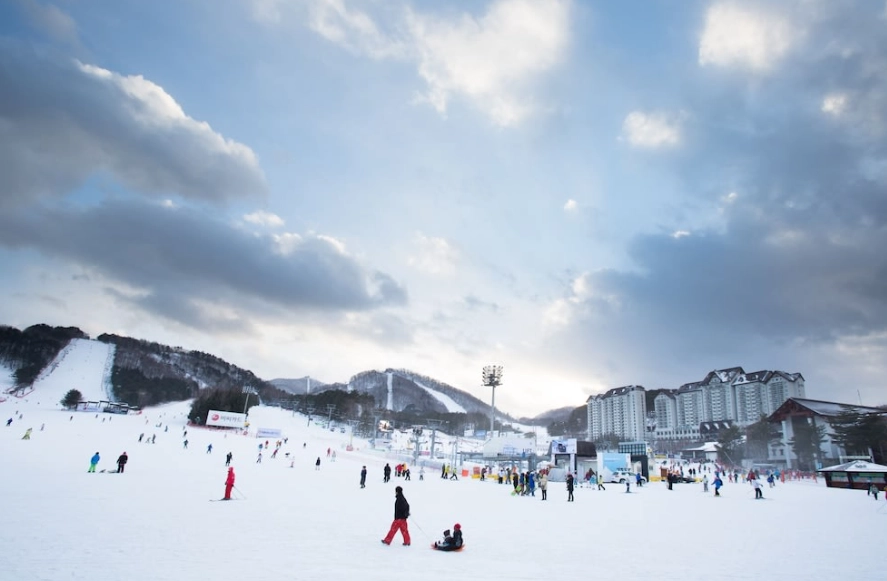
This guide cuts through the generic lists. I'll show you exactly which resort fits your style (hint: it's not always the most famous one), how to navigate the booking process without overpaying, and the little mistakes most first-timers make that can ruin a day on the slopes.
What's Inside This Guide
Top South Korean Ski Resorts for Every Skier
Picking the right resort is everything. Do you want Olympic-level challenges, a family holiday park, or a budget-friendly weekend getaway? Here’s a breakdown of five major players, with the gritty details you need to decide.
| Resort Name (Region) | Best For | Key Details (Address, Hours, Peak Lift Ticket) | How to Get There from Seoul | My Personal Take |
|---|---|---|---|---|
| Yongpyong Resort (Gangwon-do) | Advanced skiers, Olympians, long runs. | **Address:** 715, Olympic-ro, Daegwallyeong-myeon, Pyeongchang-gun. **Hours:** Day: 8:30 AM - 4:30 PM, Night: 6:30 PM - 10:30 PM (varies). **Peak 1-Day Ticket:** ~95,000 KRW. |
Direct shuttle bus from Seoul (Jamsil, Gangnam). Takes ~2.5 hrs. Train to Jinbu Station, then free shuttle (15 min). | The "Dragon Valley" is iconic and has the most terrain. But it gets packed on weekends. The gondola is a lifesaver for avoiding base crowds. On-site accommodation is convenient but books out fast and is pricey. |
| Alpensia Resort (Gangwon-do) | Intermediates, families, Olympic vibe. | **Address:** 325, Solbong-ro, Daegwallyeong-myeon, Pyeongchang-gun. **Hours:** Day: 8:30 AM - 4:30 PM, Night: 6:30 PM - 9:30 PM. **Peak 1-Day Ticket:** ~85,000 KRW. |
Same as Yongpyong. It's literally next door. Shuttles from Seoul often stop at both. From Jinbu Station, shuttle to Alpensia is 10 min. | More compact and manicured than Yongpyong. The slopes are perfect for cruising. The real win is the integrated town – you can walk to the ski jump tower, a water park, and hotels. Less intimidating for beginners. |
| Phoenix Park (Gangwon-do) | Snowboarders, park riders, nightlife. | **Address:** 174, Taegi-ro, Bongpyeong-myeon, Pyeongchang-gun. **Hours:** Day: 8:30 AM - 4:30 PM, Night: 6:30 PM - 11:00 PM (longest nights!). **Peak 1-Day Ticket:** ~90,000 KRW. |
Direct shuttle from Seoul. Train to Pyeongchang Station, then taxi/shuttle (~20 min). | This is where the younger crowd and park rats hang. The halfpipe and terrain parks are consistently the best in Korea. The base area has a livelier, more casual atmosphere. The runs are shorter, but the vibe makes up for it. |
| High1 Resort (Gangwon-do) | All-rounders, casino visitors, less crowds. | **Address:** 265, High1-gil, Sabuk-eup, Jeongseon-gun. **Hours:** Day: 8:30 AM - 4:30 PM, Night: 6:30 PM - 10:30 PM. **Peak 1-Day Ticket:** ~88,000 KRW. |
Train to Jeongseon Station is best, then a 30-minute dedicated resort shuttle. Direct buses from Seoul are less frequent. | A hidden gem further east. Gets more natural snow. The resort layout across three mountains means crowds disperse well. It has its own casino (passport required for foreigners). The journey is longer, which filters out the day-trippers. |
| Elysian Gangchon (Gangwon-do) | Beginners, Seoul day-trippers, budget. | **Address:** 688, Bukhangangbyeon-gil, Namsan-myeon, Chuncheon-si. **Hours:** Day: 8:30 AM - 4:30 PM, Night: 6:00 PM - 10:00 PM. **Peak 1-Day Ticket:** ~75,000 KRW. |
ITX-Cheongchun train from Seoul (Yongsan, Cheongnyangni) to Gimyujeong Station. The resort is RIGHT outside the station exit. Under 1 hour total. | The most accessible resort from Seoul, full stop. The convenience is unbeatable for a quick ski fix. Terrain is beginner and intermediate-friendly. It feels more like a large local hill than a destination resort, which is fine if that's what you need. Can feel crowded due to its accessibility. |
See the pattern? The PyeongChang cluster (Yongpyong, Alpensia, Phoenix) is your premium, Olympic-grade destination. High1 is the remote all-rounder. Elysian is the convenient, no-fuss option. Your choice hinges on travel time versus terrain ambition.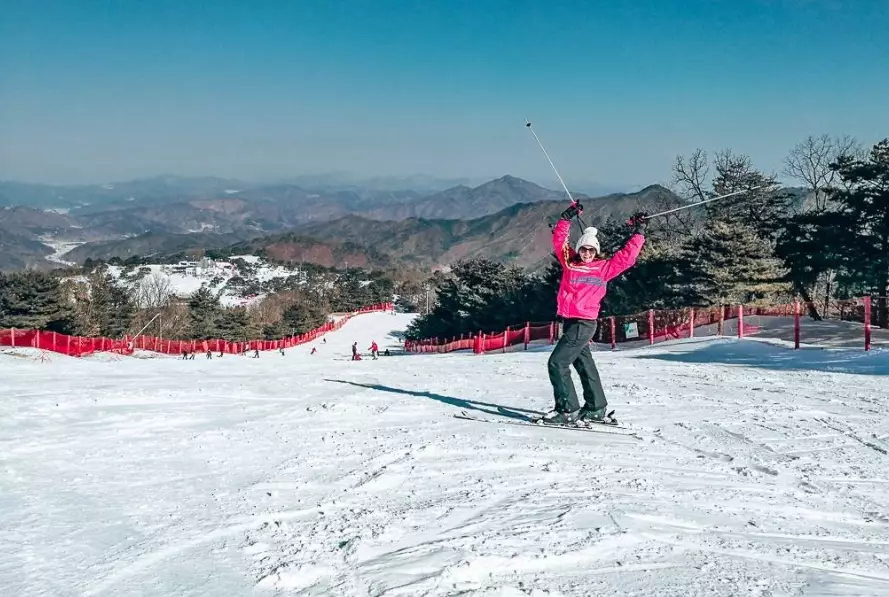
How to Plan Your South Korea Ski Trip: A Step-by-Step Guide
Planning is where you save money and sanity. Koreans plan ski trips meticulously, and you should too.
When to Go & How to Book
The season runs from late November to early March. Peak season is Christmas through February. Want smaller crowds? Target weekdays in early December or March. The snow is mostly machine-made, so quality is consistent, but January is coldest for the best conditions.
Never, ever just show up and buy a lift ticket at the window. You'll pay a 30-50% premium. Koreans use integrated "Ski Package" deals.
Getting There: Shuttle vs. Train vs. Car
Resort Shuttle Buses are the winner for most people. They pick you up in Seoul (often Hongdae, Myeongdong, Jamsil) and drop you at the resort door. Book with your package.
Train (ITX or KTX) is fast and comfortable to stations like Jinbu or Pyeongchang. You'll need a short taxi or free resort shuttle from the station. Good for flexibility.
Renting a Car gives ultimate freedom, especially for High1 or multiple resort visits. But factor in winter tires, potential tolls, and parking fees (5,000-20,000 KRW/day). Driving in Korean winter mountain weather isn't for novices.
Where to Stay & What to Budget
On-Slope Condos/Hotels: Most convenient. You can ski in/ski out at Yongpyong, Alpensia. Prices spike on weekends. Book months ahead.
Pensions (Guesthouses): The local favorite. These are family-run lodges 5-15 minutes by shuttle from the slopes. They offer more character and often include breakfast. Search for "펜션" near your chosen resort.
Seoul + Day Trip: Perfectly viable for Elysian or a very long day at PyeongChang. Saves on accommodation but makes for a tiring 15-hour day.
Realistic Daily Budget (Mid-Season, Per Person):
- Economy (Day Trip, Package): 130,000 - 170,000 KRW (lift, rental, shuttle, food).
- Mid-Range (Overnight, Pension): 250,000 - 400,000 KRW (adds accommodation, maybe ski lessons).
- Premium (On-Slope Hotel): 400,000 KRW and up.
On-Slope Tips & Common Mistakes to Avoid
This is the stuff you learn the hard way.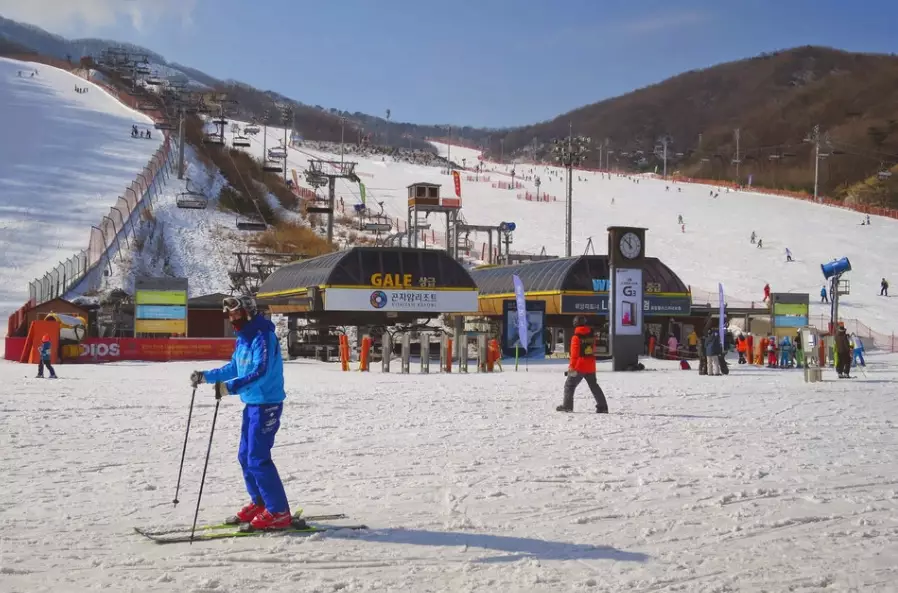
The Clothing Misstep: Don't overdo it. Korean resorts have efficient lift systems and often queue indoors. You'll heat up quickly. A moisture-wicking base layer, a fleece, and a waterproof shell are better than a single bulky jacket. You'll see many Koreans in stylish but less technical gear—they're often cold or wet by afternoon.
Lunchtime Chaos: Every single skier heads to the main cafeteria at 12:30 PM. The lines are epic, and seats vanish. Either eat early (11:30 AM) or late (1:30 PM). Better yet, pack a kimbap roll from a convenience store and eat on a sunny bench. It's cheaper and faster.
The Rental Gear Gamble: If you have your own boots, bring them. Rental boots are the weakest link. If you're renting, get there EARLY when the stock is fresh and dry. Midday returns are picked over. For boards/skis, the standard package is fine for beginners. Intermediate riders might want to pay a premium for "Premium" rentals for better edges and tune.
Underestimating the Weather: The mountain weather is fickle. A sunny Seoul morning can be a blizzard at Yongpyong. Always check the resort's specific weather forecast, not Seoul's. Goggles and face protection are essential on windy days.
Ignoring the Night Ski: Night skiing is huge in Korea and is often included in the day pass. The slopes are beautifully lit, the crowds thin out, and the atmosphere is magical. Don't pack up at 4 PM.
Your South Korea Ski Trip Questions Answered
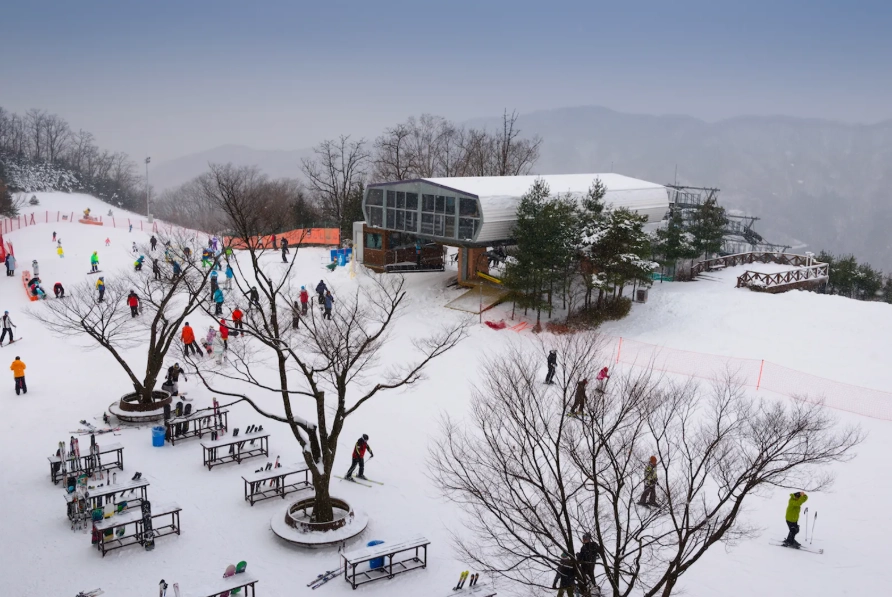 How is the snow quality? Is it all artificial?
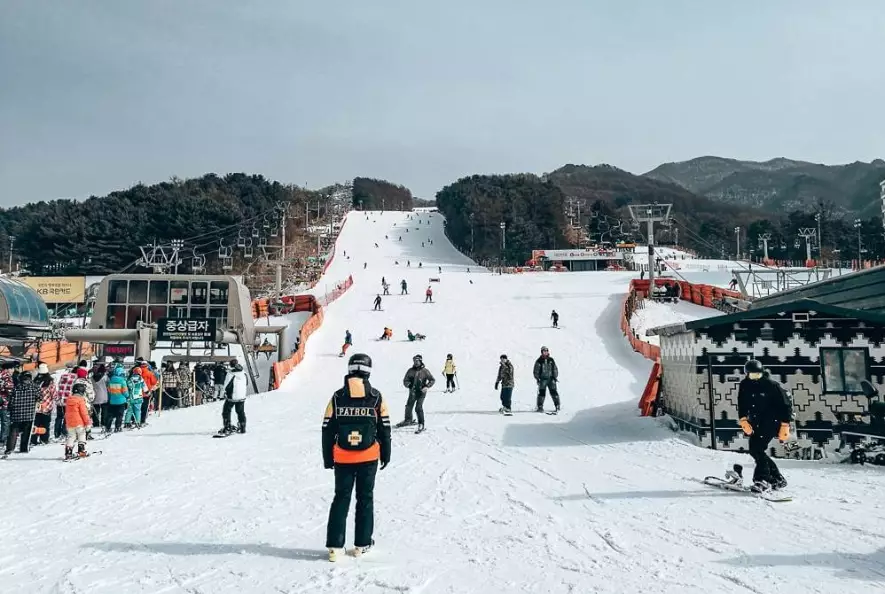 South Korean ski resorts deliver a polished, exciting, and accessible winter sports experience. They might rewrite your idea of an Asian ski holiday. By choosing the right resort for your level, booking a smart package, and avoiding the common first-timer traps, you're set for an unforgettable trip on the Korean slopes.
Related Articles

Comments
Join the discussion