Forget the lift lines and the crowded slopes. The real magic of skiing in British Columbia and Alaska happens miles from the nearest road, in remote wilderness lodges and from the skids of a helicopter. This isn't just another ski trip; it's an expedition into the heart of the world's most epic snowscapes. But planning this kind of adventure can feel overwhelming. Which lodge is right for you? Is heli-skiing worth the cost? How do you even start? I've spent over a decade exploring these zones, from cozy cat-ski lodges in the Monashees to high-alpine heli camps in the Alaska Range. This guide cuts through the hype and gives you the straight talk you need to plan your dream trip.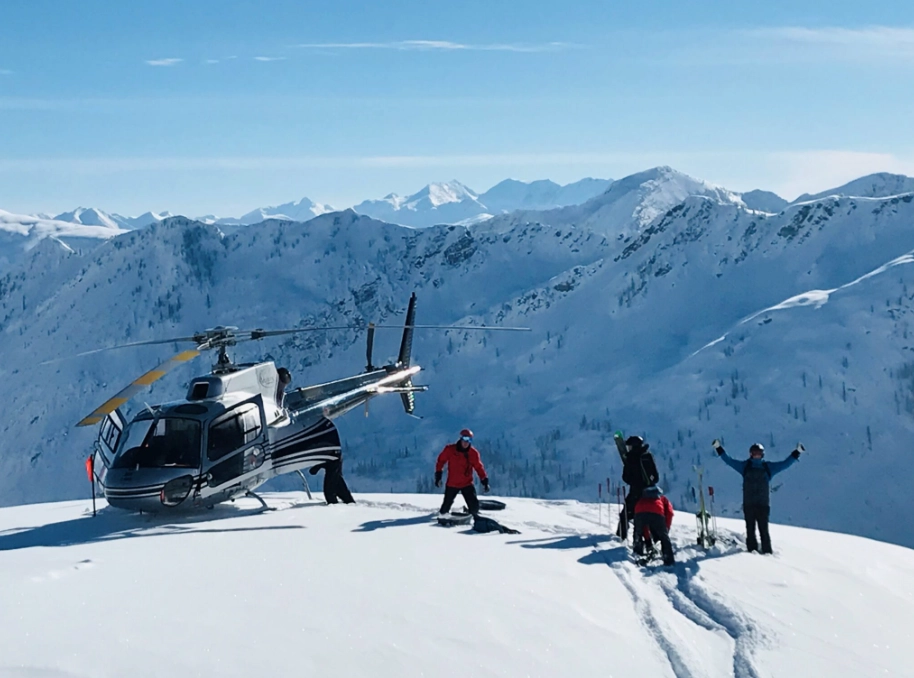
Your Quick Guide to This Article
What Exactly Are Backcountry Lodges?
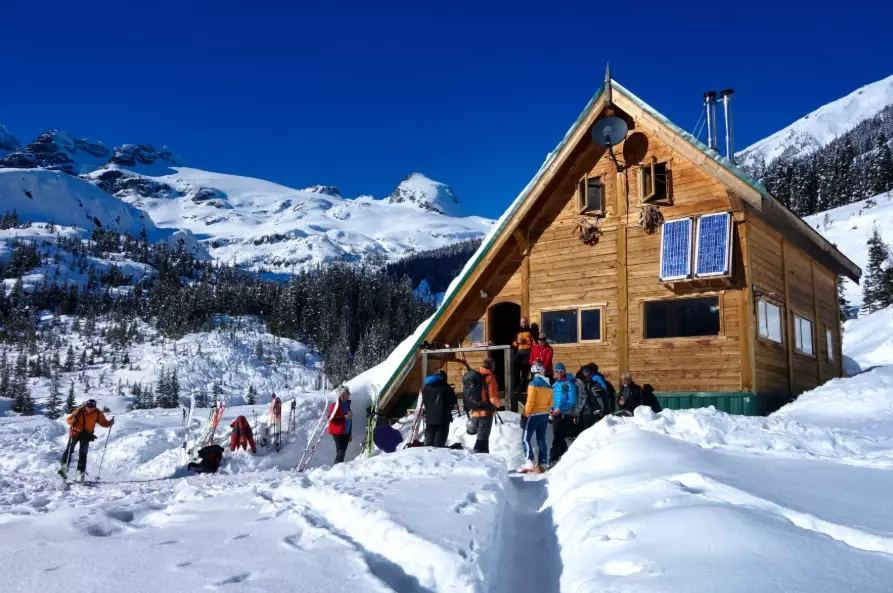
Think of them as backcountry hotels, but the "backcountry" part is serious. These are fully catered, warm shelters you can only reach by helicopter, snowcat, or a long ski tour. You show up, your gear is handled, chefs cook incredible meals, and your only job is to ski pristine powder all day. They range from rustic, family-run cabins to luxurious complexes with saunas and wine cellars.
The experience is immersive. You're stuck with the same group of skiers for 3-7 days, which can be amazing for making friends or a bit challenging if personalities clash. The terrain is usually accessed via guided touring from the lodge door, or by a vehicle like a snowcat or helicopter that shuttles you to different zones. The snowpack is often more stable and deeper than near resorts, but you are 100% in avalanche terrain. A certified guide is non-negotiable.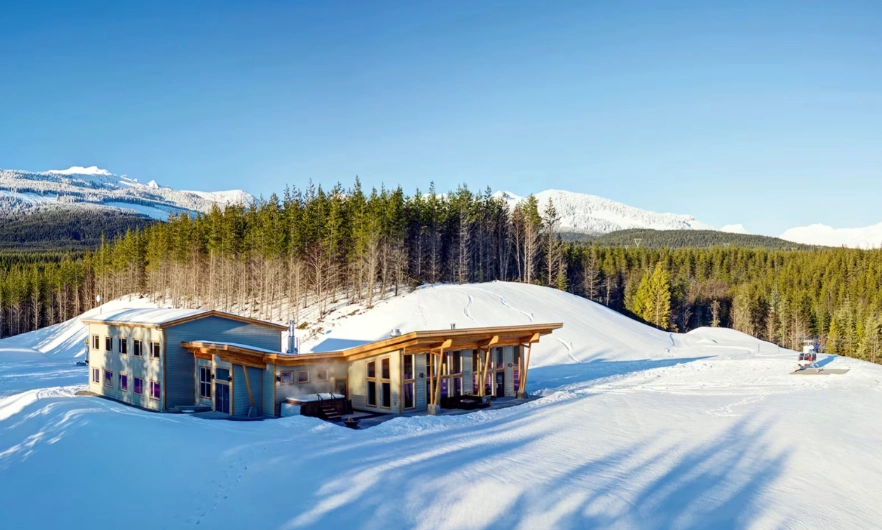
Heli-Skiing vs. Lodge-Based Skiing: Picking Your Poison
This is the first big decision. They're often lumped together, but the daily rhythm is totally different.
| Feature | Wilderness Backcountry Lodge | Heli-Skiing Operation (Day or Lodge-Based) |
|---|---|---|
| Primary Access | Ski touring, snowcat, or short heli-drops from a fixed base. | Helicopter for all major vertical. |
| Daily Vertical | Moderate to high (2,000-5,000 ft via touring; more with cat/heli assist). | Very high (10,000-25,000+ ft of helicopter-served vertical). |
| Cost (Approx. per day) | $600 - $1,200 USD (all-inclusive). | $1,200 - $2,500+ USD (all-inclusive). |
| Group Dynamics | Tight-knit, communal. You eat, sleep, and ski with the same group. | |
| Skill & Fitness | Strong intermediate to expert skier. Excellent fitness for touring is a must for many lodges. | |
| Weather Dependency | You can often tour in poor visibility/wind. More flexible. | |
| Terrain Style | Often more tree-skiing, mellower pitches, perfect for deep powder technique. |
My take? If you love the rhythm of earning your turns and want a deep wilderness experience, pick a lodge. If your goal is to maximize vertical in the most dramatic mountains possible and budget is secondary, heli-skiing is the call.
Top Lodges & Operators: A Hand-Picked Shortlist
Here are a few standout operations that consistently deliver. This isn't an exhaustive list, but these are places I'd recommend to a friend.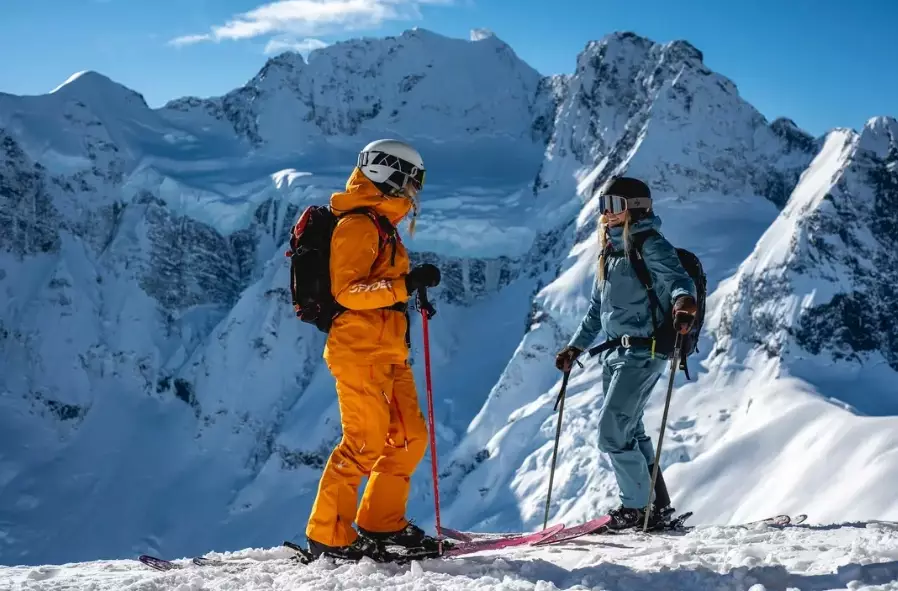
British Columbia Standouts
1. Selkirk Mountain Experience (Durrand Glacier Chalet)
Location: Near Revelstoke, BC. Accessed by helicopter from Revelstoke.
The Vibe: The original. A no-frills, iconic alpine chalet perched on a glacier. It's about the skiing and the community. Don't expect a spa.
Terrain: High alpine glacier runs, steep chutes, and endless rolling powder fields right from the door. Primarily ski touring.
Cost & Booking: Around $1,700 USD for a 4-night trip. Books up over a year in advance. Contact them directly via their website.
2. Mike Wiegele Helicopter Skiing
Location: Blue River, BC (between Kamloops and Jasper).
The Vibe: The "grand hotel" of heli-skiing. A full resort village with multiple lodges, fine dining, and a huge operational footprint. Smooth and professional.
Terrain: Massive tenure (over 1.5 million acres). Everything from gentle powder glades to extreme spines. They excel at grouping by ability.
Cost & Booking: Packages start around $12,000 USD for 7 days. They have a detailed online booking system and a sales team.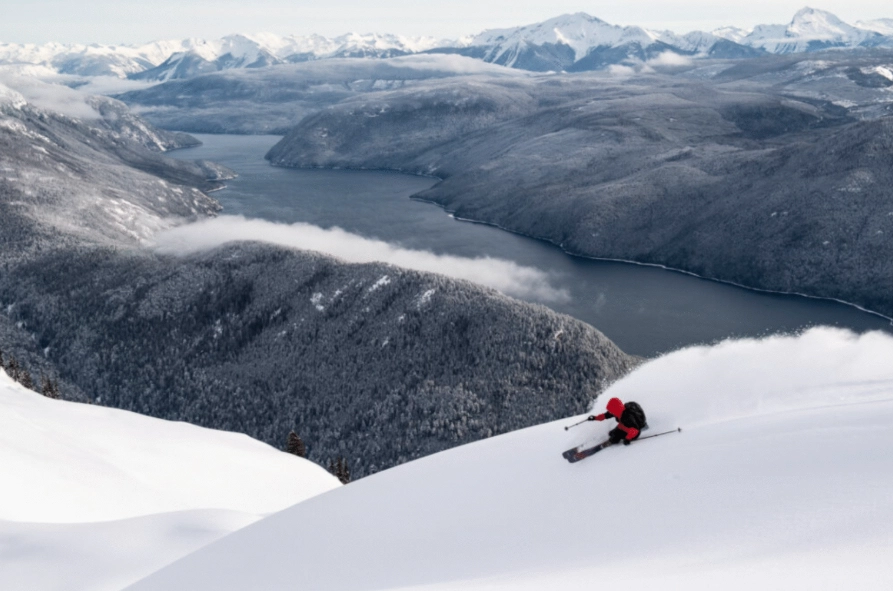
Alaska Standouts
1. Tordrillo Mountain Lodge
Location: On Judd Lake, 70 miles west of Anchorage. Heli-access.
The Vibe: Luxury adventure. Think gourmet meals, a stunning lodge, and a combined focus on heli-skiing and heli-fishing. It's high-end.
Terrain: The iconic Tordrillo Range. Steep, sustained Alaskan faces, big mountain lines, and also fantastic lower-angle glacier skiing. World-class.
Cost & Booking: A 5-day ski package starts around $15,000 USD per person. Requires direct inquiry and often has a waitlist.
2. Points North Heli-Adventures
Location: Cordova, Alaska.
The Vibe: Pure, no-nonsense Alaskan heli-skiing. Based out of a remodeled cannery building. The focus is entirely on chasing the best snow and terrain in their vast tenure.
Terrain: Coastal snowpack means often incredible powder. A mix of alpine terrain and epic tree skiing in the surrounding rainforest. Less "luxury," more skiing.
Cost & Booking: Weekly packages are around $11,000 USD. Book through their website; they run a tight ship.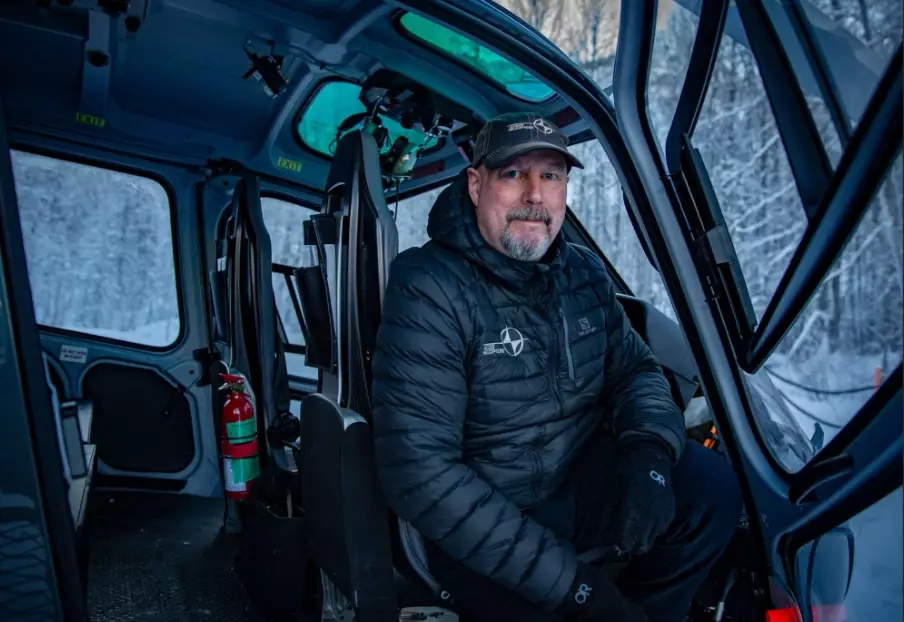
A Critical Tip: The single biggest mistake I see is people booking based on Instagram fame alone. A lodge perfect for expert ski mountaineers will be miserable for a strong resort skier new to backcountry. Be brutally honest about your ability on your application. It's for everyone's safety and enjoyment.
How to Choose the Right Lodge or Heli-Ski Operator
Start with a self-audit. Ask yourself:
- What's my true skiing ability? Not your best day ever, but your consistent, comfortable level in off-piste, variable snow.
- How's my fitness? Can I confidently ski 5,000+ vertical feet of powder a day, for multiple days? For touring lodges, can I skin uphill for 2-3 hours?
- What's my budget, really? Include travel, gear rental, tips (15-20% of trip cost is standard), and insurance.
- Do I want social immersion or just great skiing? Some love the lodge camaraderie; others find it draining.
Then, research like a pro. Don't just browse photos. Read the "Required Ability" section on websites. Call them. A good operator will ask you detailed questions about your experience. If they don't, that's a red flag. Ask about their guide-to-guest ratio (4:1 or better is ideal), their policy for bad weather days, and what the typical group dynamic is like.
Finally, get the right insurance. Standard travel insurance won't cover heli-skiing or backcountry avalanches. You need a policy that specifically covers guided skiing and helicopter evacuation. Companies like Global Rescue or plans through the Canadian Avalanche Association are good starting points.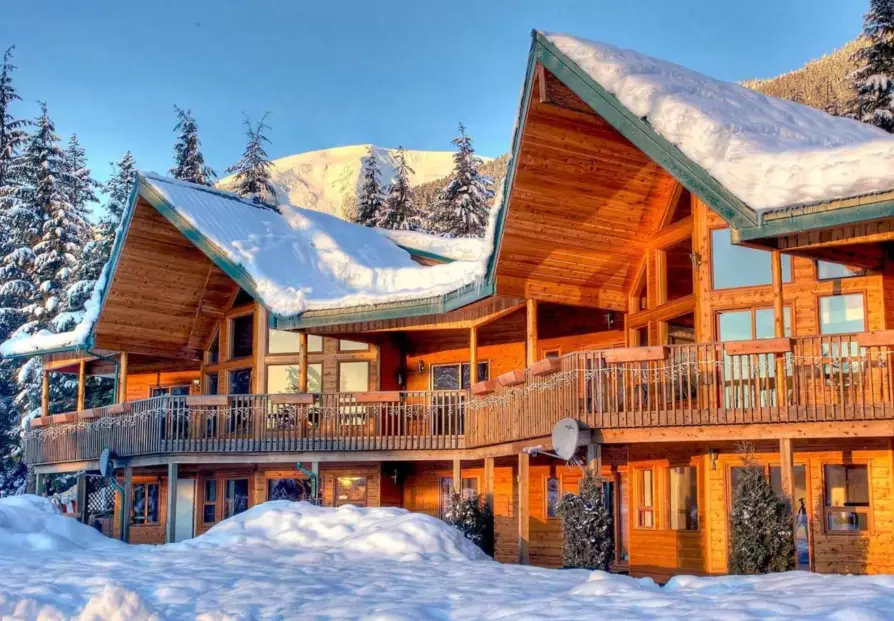
Packing and Preparation: Don't Forget the Small Stuff
They'll give you a list. Here's what most lists miss:
Gear: Your own well-fitted boots are worth their weight in gold. Rent demo skis from the operator—they'll be tuned for the conditions. Bring a small, lightweight backpack (30L) for layers, water, and safety gear. Two pairs of goggles (one for sun, one low-light) are essential.
Clothing: This is a layering game. Merino wool base layers are non-negotiable. Avoid cotton entirely. Bring multiple mid-layers (fleece, thin puffy) to adjust. Your outer shell must be waterproof and breathable. Pack twice as many socks as you think you need.
The Extras: A large, empty duffel bag for the gear you leave at the base. High-quality sunscreen and lip balm. Earplugs for shared bunkrooms. A Kindle or book for downtime. A power bank for electronics, as outlets can be limited. A modest gift for the staff (nice chocolate from your home country goes a long way).
Physical Prep: Start training 3 months out. Focus on leg strength (squats, lunges) and cardiovascular endurance (cycling, stair climbing, running). If you're touring, add weighted hill climbs or use a ski-touring machine.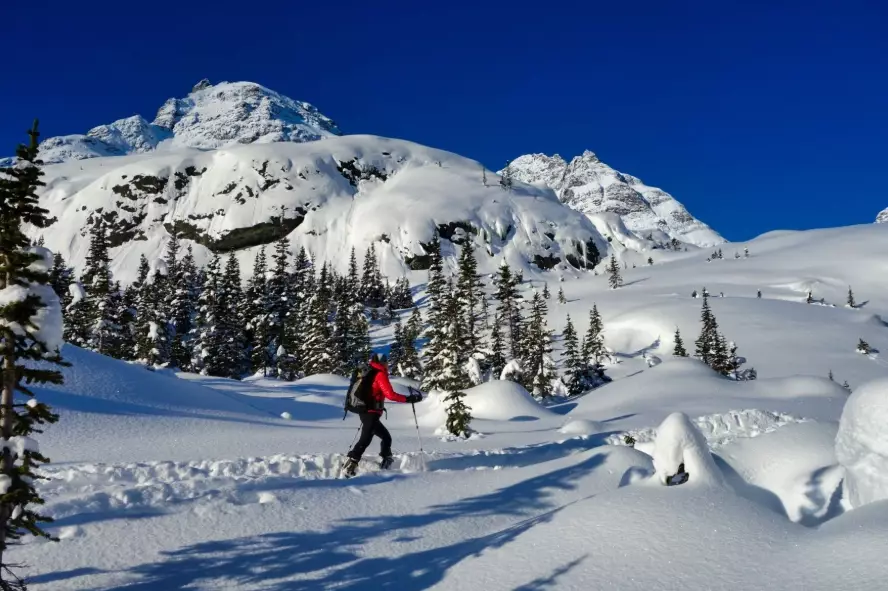
Your Burning Questions Answered (FAQ)
 I'm a strong skier but new to backcountry/avalanche terrain. Can I just go to a lodge and learn there?
The journey to a backcountry lodge or a heli-skiing base is a commitment of time, money, and effort. But the reward—the silence of a remote valley, the feel of bottomless snow, the camaraderie of a shared adventure—is something that sticks with you long after the trip ends. Do your homework, be honest with yourself, and then go for it. The mountains are waiting.
Related Articles


Comments
Join the discussion