You're dreaming of a winter wonderland, but Europe and North America feel too far or too expensive. Let me tell you a secret: Asia holds some of the most spectacular, diverse, and accessible snowscapes on the planet. From the legendary powder snow of Japan to the towering Himalayan giants, the question of the best places to see snow in Asia doesn't have a single answer—it has many, depending on what you're after. I've spent over a decade chasing snow across the continent, from packed ski resorts to remote mountain villages where the snow piles up untouched. This guide cuts through the generic lists and gives you the real details you need to plan.
Your Quick Snow Trip Planner
The Contenders: Asia's Premier Snow Destinations
Forget just one "best" spot. Think of it as a menu. Do you want deep powder for skiing, fairy-tale villages, epic mountain vistas, or surreal ice festivals? Here’s where to go.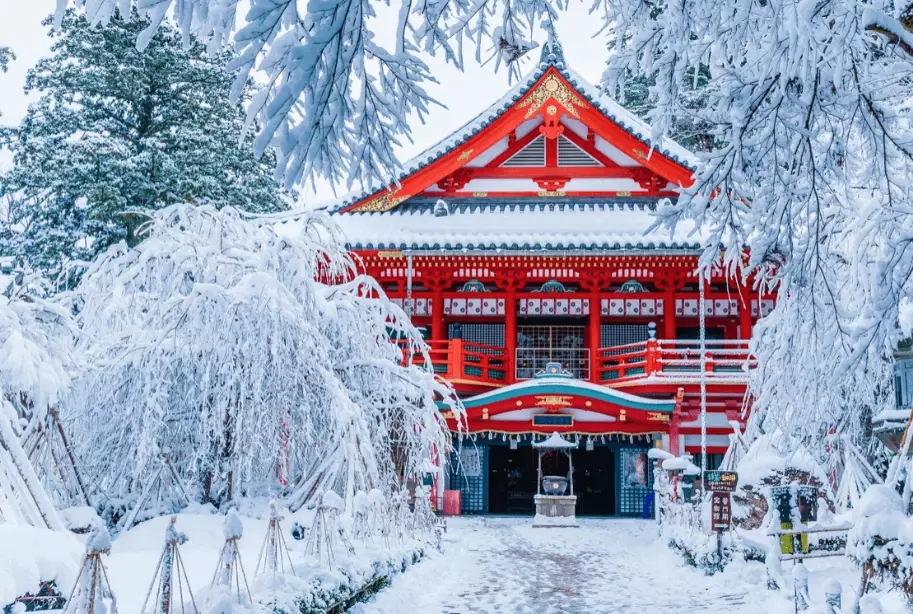
1. Hokkaido, Japan: The Powder King
If snow quality is your religion, Hokkaido is your Mecca. The Siberian winds pick up moisture over the Sea of Japan and dump it as incredibly light, dry powder. We're talking waist-deep, face-shot snow. Niseko is the famous international hub—great infrastructure, lots of English, but it can feel busy and pricey.
My insider tip: Look at Rusutsu or Furano. Rusutsu has equally fantastic tree skiing with half the crowds. Furano offers a more authentic Japanese town vibe. The snow in central Hokkaido (like Asahikawa) is even drier and deeper.
Best Time: Late January to mid-February for guaranteed deep snow. December can be good too, but January is prime.
Getting There: Fly into New Chitose Airport (CTS). From there, direct buses or trains to major resorts. Renting a car is the ultimate freedom for exploring different resorts.
Core Experience: Skiing/Snowboarding in legendary powder, relaxing in natural hot springs (onsen), and eating incredible seafood. Don't miss the Sapporo Snow Festival in early February if your trip aligns—it's massive ice sculpture art.
Budget Note: Japan is not cheap, but it's worth it. Look for package deals that include lift tickets and accommodation. Convenience store meals (like 7-Eleven) are surprisingly high-quality and a budget-saver.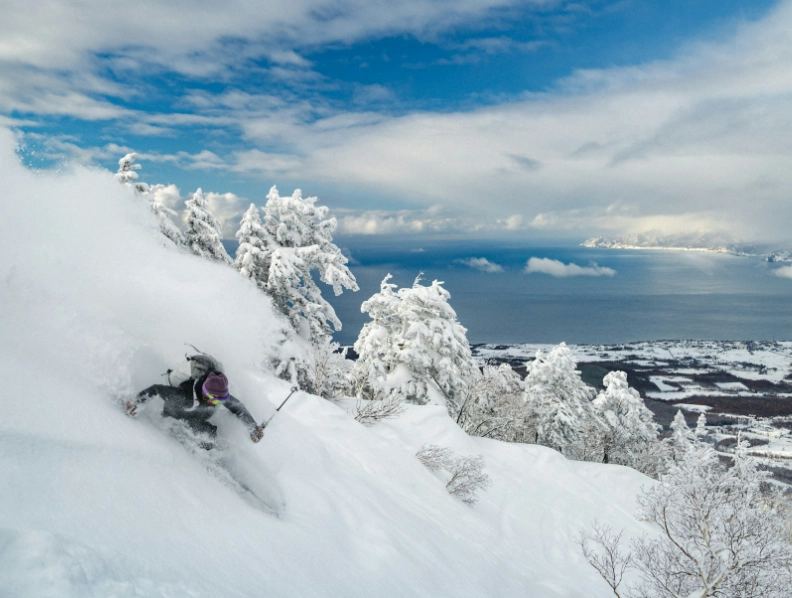
2. Gangwon-do, South Korea: The Accessible Winter Playground
Korea's answer is all about efficiency and value. Gangwon-do province, home to the 2018 Winter Olympics, gets heavy snowfall and is just a few hours from Seoul. It's perfect for a shorter trip or if you're combining city and snow.
Best Time: December to February. January is reliably snowy.
Getting There: Fly to Incheon (ICN), take the airport rail to Seoul Station, then a direct bus or the KTX high-speed train to Gangneung or Wonju. Buses go directly to resort towns like Yongpyong or High1.
Core Experience: Well-groomed ski slopes (great for intermediates), lively apres-ski, and Korean winter food like hotteok (sweet pancakes) and steaming bowls of sundubu jjigae (soft tofu stew). Many resorts are also famous K-drama filming locations.
Where to Stay: Most resorts are integrated with hotels. For a more local feel, stay in a pension (guesthouse) in nearby towns like Hoenggye.
3. Harbin, China: The Ice & Snow Sculpture Capital
This is not about alpine skiing. This is about witnessing snow and ice transformed into art on a monumental scale. Harbin, in China's far northeast, is brutally cold, which allows for the creation of the Harbin International Ice and Snow Festival. Imagine full-sized castles, pagodas, and sculptures lit up with neon from within, all made of ice blocks taken from the Songhua River.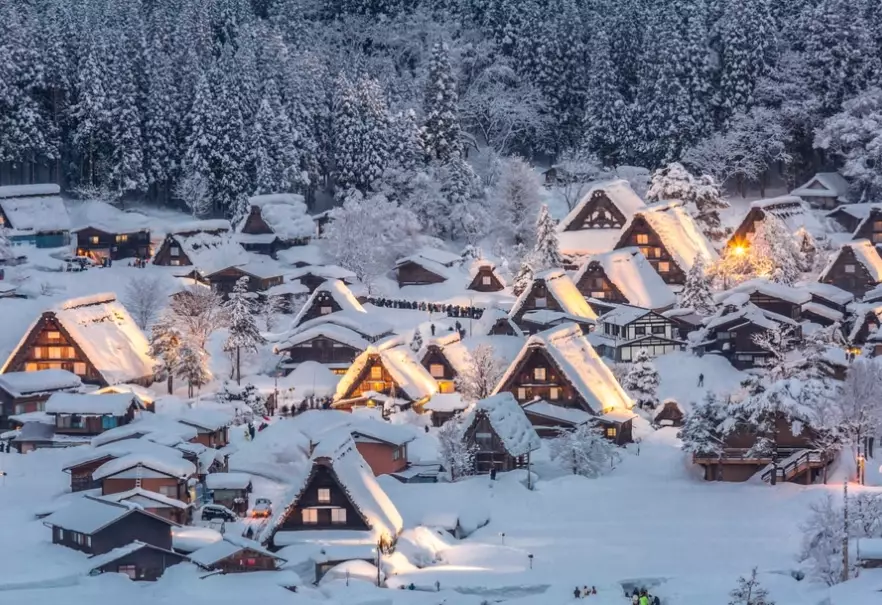
Best Time: The festival officially runs from late December to late February. The first week of January, after the New Year holiday crowds subside, is ideal.
Getting There: Fly into Harbin Taiping International Airport (HRB). The city is well-connected by high-speed rail from Beijing (about 5-6 hours).
Core Experience: Visiting the Sun Island Snow Sculpture Park and the massive Ice and Snow World at night. Also, try the local Russian-influenced cuisine and see the architecture in the old "Russia Town" district.
What to Wear: This is critical. Temperatures regularly drop to -20°C (-4°F) or lower. You need thermal layers, a serious down jacket, insulated boots, and heat packs for your hands and feet. Do not underestimate this.
4. The Himalayas (Nepal & Northern India): For the View, Not the Ski
This is the ultimate snow-viewing destination if your goal is sheer, jaw-dropping scale. Think less about playing in the snow and more about gazing at the world's highest peaks draped in white.
Nepal (Everest Region): A trek to Everest Base Camp (EBC) in spring or autumn offers views of snow-clad giants like Everest, Lhotse, and Ama Dablam. In winter, the trails are quieter and the skies are often clearer, but it's very cold and some teahouses may be closed.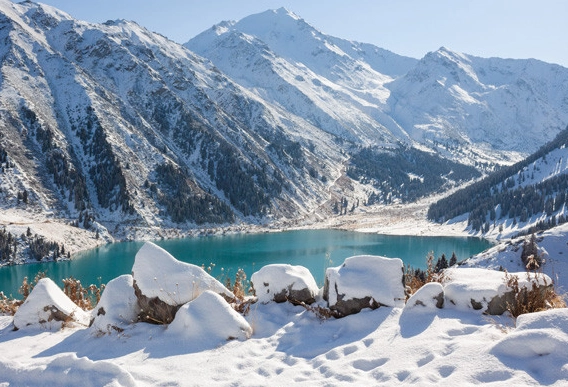
India (Gulmarg, Kashmir): Gulmarg boasts the world's highest gondola, taking you from a charming meadow town up to 3,980 meters for incredible views of the Pir Panjal range. It's also home to some of the world's most adventurous heli-skiing and off-piste terrain.
Best Time for Views: For clear skies, October-November and March-April. Deep winter (Dec-Feb) has the most snow but also the most cloud cover and cold.
Logistics: These are adventure trips. You need proper acclimatization for altitude in Nepal and should be prepared for basic amenities. In Gulmarg, book gondola rides and ski guides in advance.
5. Gulmarg, India: A Deeper Dive
It deserves its own spot. Gulmarg isn't just a view. The snow is deep and the terrain is vast and relatively untracked compared to the polished resorts of Japan. The vibe is unique—you'll see Indian families enjoying sled rides on the main bowl while expert skiers prepare for a backcountry descent.
Getting There: Fly to Srinagar (SXR). The 2-hour drive to Gulmarg is scenic but can be subject to delays. You'll likely need an armed escort convoy, which is a standard security procedure and nothing to worry about.
Accommodation:strong> From the historic Nedou's Hotel to simpler wooden huts. Book early, especially during the peak season (January-February).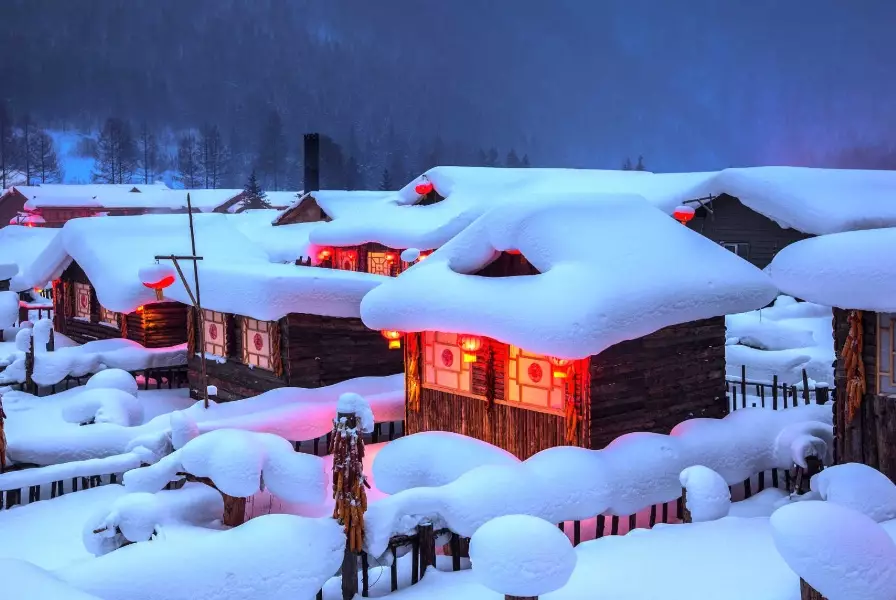
The Reality Check: Infrastructure is not like the Alps. Lift queues can be chaotic, and the gondola (Phase 1 & 2) is your main transport. Hiring a reliable local ski guide is non-negotiable for safety and to find the best snow.
Where to Go? A Side-by-Side Look
This table should help you narrow it down based on your priorities.
| Destination | Best For | Peak Season | Budget Level | Key Consideration |
|---|---|---|---|---|
| Hokkaido, Japan | Powder skiing, food, onsen culture | Jan - Feb | High | Expensive, can be crowded in Niseko |
| Gangwon-do, Korea | Convenient trip, groomed slopes, value | Dec - Feb | Medium | Can get very cold with wind chill |
| Harbin, China | Ice festivals, photography, unique culture | Early Jan - Feb | Low-Medium | Extreme cold, not for skiing |
| Himalayas (Nepal) | Epic mountain scenery, trekking | Oct-Nov, Mar-Apr | Low (trekking) | Altitude, requires trekking fitness |
| Gulmarg, India | Adventure skiing, unique culture, views | Jan - Feb | Medium | Basic infrastructure, need a guide |
How to Choose Your Perfect Asian Snow Destination
Stop thinking about "best" and start asking yourself these questions:
- What's your main goal? World-class skiing (Japan, Gulmarg). A fun, easy winter break (Korea). Seeing something utterly unique (Harbin). A transformative mountain vista (Himalayas).
- Who are you traveling with? Families might love the ease and activities of Korean resorts. Hardcore ski buddies will want Hokkaido's powder. A couple seeking romance might prefer a quiet Japanese onsen town.
- What's your budget & time? A week in Japan costs more than two weeks in Nepal. Korea is great for a 5-7 day trip from nearby countries.
- How do you handle cold? Harbin is in a league of its own. Hokkaido is cold but dry. The Himalayas are cold at night but sunny during the day. Be honest with yourself.
My personal bias? For a pure snow experience, I'll pick Hokkaido's interior every time. But for an adventure I'll never forget, Gulmarg wins. For a trip with non-skier friends, Harbin's festival is mind-blowing.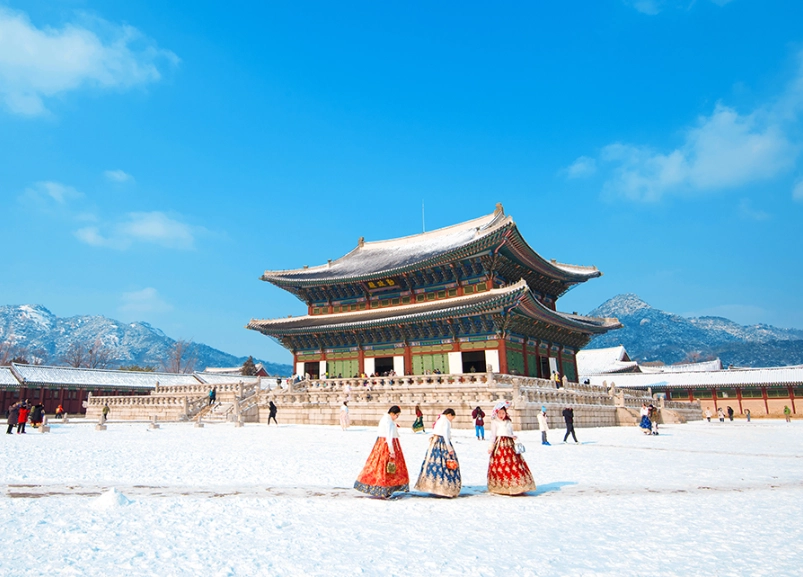
Frequently Asked Questions About Snow Travel in Asia
Is it cheaper to see snow in Asia compared to Europe or North America?
It can be, but it's not a simple yes. East Asia (Japan, Korea) is comparable in cost to major European resorts. The savings come in Southeast Asia or South Asia. Your flight to Asia might be the biggest expense, but once there, countries like Nepal or India offer incredibly low daily costs. Also, consider off-peak times; late March in Hokkaido can have great spring snow at lower prices.
I don't ski. Are these destinations still worth visiting?
Absolutely. Most ski resorts have sledding, snowshoeing, scenic gondola rides, and winter hiking trails. Towns like Niseko or Korean resorts have vibrant food and shopping scenes. Harbin is 100% about viewing, not participating. The Himalayan viewpoints require no skiing at all. Focus on destinations that offer the winter atmosphere and activities you enjoy.
What's the biggest mistake first-timers make when planning a snow trip to Asia?
Underestimating travel times and overestimating their ability to hop between distant destinations. Asia is vast. Trying to do Hokkaido and the Himalayas in one two-week trip is a recipe for exhaustion. Pick one region and explore it deeply. Another mistake is packing wrong—bringing cotton jeans that get wet and stay wet, or not having proper layers for drastic temperature changes between day and night, or between the sunny slope and the shaded forest.
How far in advance should I book?
For peak season (Christmas, New Year, Chinese New Year, February school holidays), book flights and accommodation 4-6 months out, especially for popular places like Niseko or Gulmarg's best hotels. For other times, 2-3 months is usually safe. Last-minute deals can be found, but you sacrifice choice.
Is it safe to travel to these mountain areas in winter?
Generally, yes, but with precautions. Road conditions can be hazardous—use experienced drivers or public transport. Avalanche risk is real in the backcountry; never go out of bounds without a guide and proper training. For high-altitude destinations like Nepal, understand the risks of Acute Mountain Sickness (AMS) and build in acclimatization days. Always check travel advisories from your government for the specific region.
Related Articles


Comments
Join the discussion