Let's cut through the marketing. The United States is packed with incredible ski destinations, but they're not all created equal. Picking the right one can mean the difference between a trip you'll remember forever and a frustrating, expensive letdown. I've spent over a decade chasing snow from the icy slopes of New England to the deep powder of the Sierra Nevada, and I've learned that the "best" resort is entirely dependent on who you are and what you want.
This isn't just a list. It's a framework for making your decision, backed by specifics you can actually use to plan.
Your Quick Guide to the Slopes
How to Choose the Right US Ski Resort For You
Forget the glossy brochures. Start by asking these questions.
What's your skill level, really? Be honest. If you're linking turns on blue squares, a resort famous for double-black chutes might leave you bored on the limited intermediate terrain. Conversely, a beginner-friendly mountain might not challenge an expert enough.
Who's coming? A trip with young kids is a different beast than a guys' weekend or a romantic couples' getaway. Family resorts need great ski schools, easy base areas, and maybe a tubing hill. A group of experts wants steep, challenging terrain and efficient lifts.
What's your budget? This is the big one. Lift tickets at premier destinations now regularly exceed $200 per day. But you can ski for half that at smaller, independent hills. Your budget dictates not just the resort, but when you go and where you stay.
The Regional Snow & Terrain Rundown
Location dictates everything about the skiing experience.
| Region | Snow Character | Typical Terrain Vibe | Best For... |
|---|---|---|---|
| The Rockies (CO, UT, WY, MT) | Famous for light, dry "champagne" powder. More reliable sunshine and colder temps. | Big, wide-open bowls, above-treeline skiing, consistent pitch. | Powder hounds, intermediates looking to improve, anyone seeking iconic views. |
| The Sierra Nevada (CA, NV) | Heavy, wet "Sierra Cement" that's fantastic for base-building, plus epic snowfalls. | Massive vertical drops, tree skiing, rugged natural features. | Strong skiers who love tree lines, dealing with variable conditions. |
| The East (VT, NH, ME, NY) | Often icy, hard-packed, or machine-made. Can get great natural snowstorms. | Technical, steep, narrow trails through hardwoods. Less open space. | Developing solid technical skills, weekend trips from major cities. |
| The Pacific Northwest (WA, OR) | Dense, deep powder. More variable rain/snow lines and cloud cover. | Volcanic peaks, glaciated terrain, incredible backcountry access. | Adventurous, all-weather skiers, those seeking less crowded slopes. |
Top US Ski Resorts, Broken Down by Vibe
Here’s a closer look at some standout ski places in the US, with the unvarnished details.
For the Iconic, "Must-Do" Experience: Colorado's Powerhouses
Vail & Beaver Creek (Vail, CO). Vail is massive. The Back Bowls are legendary for a reason—seven miles wide of open, treeless terrain that feels like skiing the ocean. But it's expensive and can feel corporate. Pro Tip: Stay in Minturn or Avon for better value. Beaver Creek, its sister resort, is more curated, with free cookies at 3 pm and flawless grooming.
Aspen Snowmass (Aspen, CO). Four mountains on one ticket. Aspen Mountain (Ajax) is expert-only, right in town. Buttermilk is a beginner/intermediate paradise. Snowmass has the most terrain and is incredibly family-friendly. Highlands has the infamous Highland Bowl. The town of Aspen is a scene—fantastic if you want nightlife, daunting if you're on a budget.
For Unbeatable Snow and Accessibility: Utah's Greatest Snow on Earth
Park City Mountain (Park City, UT). The largest ski area in the US. It's two historic resorts combined, offering an absurd variety. You can spend a week and not ski it all. The town of Park City is accessible, lively, and has a real community feel beyond the skiing. The resort's own site has good planning tools.
Snowbird & Alta (Little Cottonwood Canyon, UT). This is for the purist. The snow here is consistently the deepest and lightest. Alta is skiers-only (no snowboards). The terrain is steep, challenging, and gets hit hard by storms. A major caveat: the canyon road (SR-210) closes frequently for avalanche control, potentially trapping you up there or keeping you from getting up. Always check UDOT's canyon alerts.
For Families and Stress-Free Planning: The All-Arounders
Keystone & Breckenridge (Summit County, CO). Keystone has night skiing, a great beginner area, and is less intimidating than its neighbors. Breckenridge has a fantastic, historic main street with a ton of dining and shopping. Both are on the Epic Pass and are close to each other, making them perfect for a first-time Colorado trip where you want options.
Smugglers' Notch (Jeffersonville, VT). Consistently rated #1 for families in the East. Their ski school programs are phenomenal, the village is self-contained and safe for kids to roam, and the vibe is unpretentious and friendly. The terrain on Madonna Mountain is no joke either, keeping experts happy.
The Underrated Gems (Where the Locals Ski)
Bridger Bowl (Bozeman, MT). Non-profit, community-owned, and absolutely fantastic. It gets the same cold smoke powder as Big Sky down the road, but with half the crowd and a fraction of the price. The "Ridge" terrain requires a beacon and partner—real, accessible backcountry-style skiing within the resort boundary.
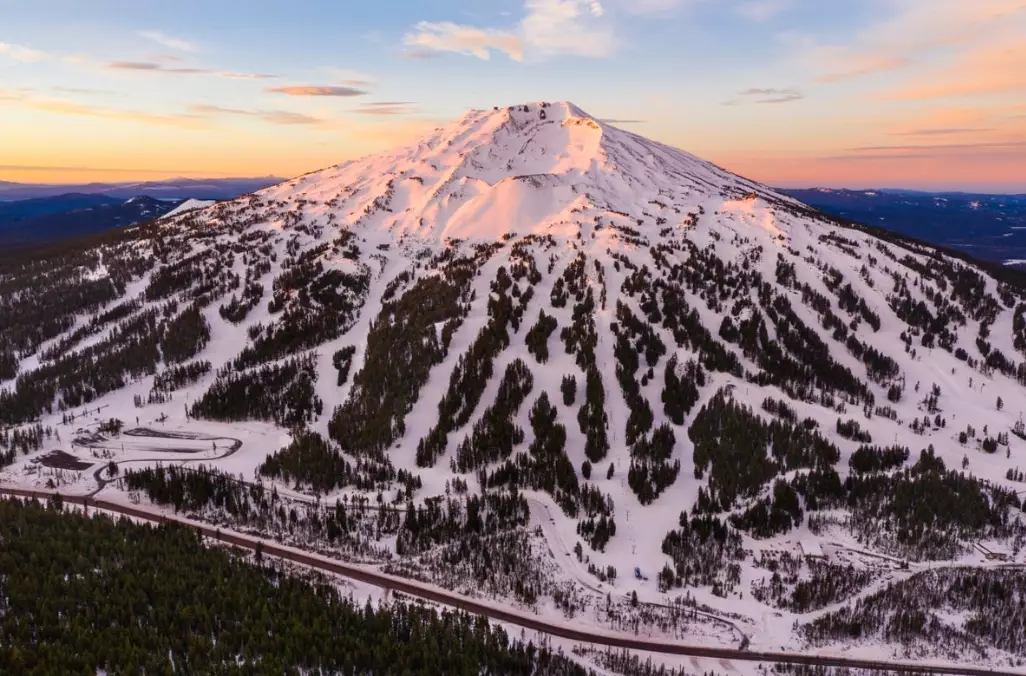
Mt. Bachelor (Bend, OR). A massive volcanic cone with 360-degree skiing. It's famous for its long season (often into May) and incredible spring skiing. The town of Bend is an outdoor mecca with great breweries. The snow can be heavy, but the sheer fun factor and lack of pretension are top-tier.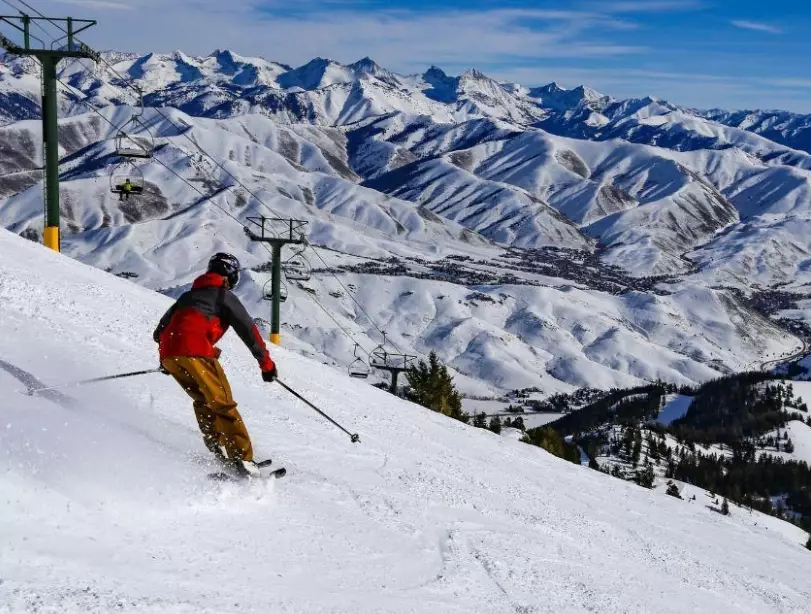
Planning Your Trip: Beyond the Lift Ticket
Booking the flight and hotel is just the start. The logistics make or break the week.
Lift Tickets: Never, ever buy at the window. Purchase online in advance. Multi-day tickets are cheaper per day. Seriously consider a multi-resort pass (Epic Pass, Ikon Pass, Indy Pass) if you'll ski more than 5 days in a season or want to sample different areas. They offer huge savings and flexibility.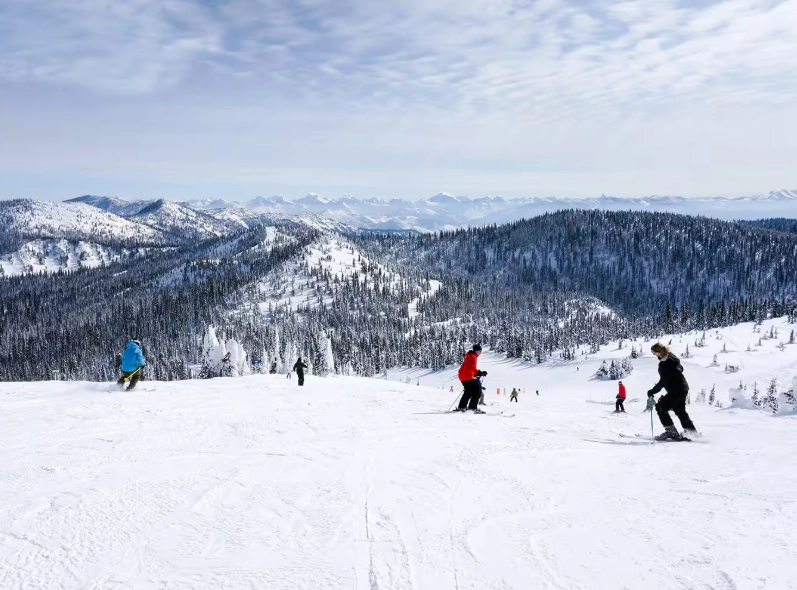
Rental Gear: Don't rent at the mountain base if you can avoid it. It's crowded and expensive. Use a local shop in town the afternoon you arrive, or even better, use a service like Black Tie Rentals that delivers fitted gear to your condo.
Getting There: Mountain driving in winter is serious. You often need 4WD/AWD and/or tire chains. Rental car companies in mountain hubs (SLC, Denver) often have specific "ski country" policies. Shuttles from airports (like Colorado Mountain Express or Utah's Canyon Transportation) can be a less stressful option.
Altitude: Resorts in Colorado and Utah are often above 8,000 feet. Drink twice as much water as you think you need, go easy on alcohol the first night, and consider spending a night in Denver or Salt Lake City to acclimatize if you're coming from sea level.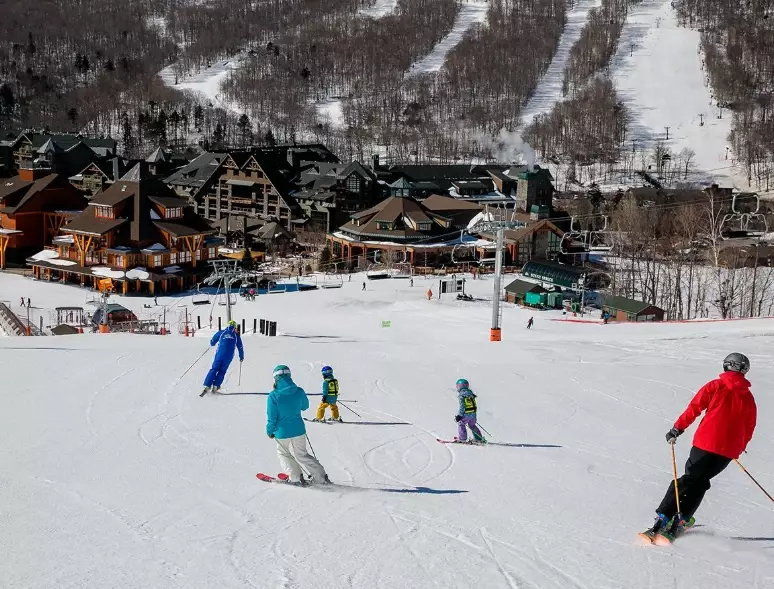
Your Ski Trip Questions, Answered
Related Articles
Comments
Join the discussion