Let's be honest. When you're new to skiing, skis and poles can seem like simple accessories. You strap on the boots, click into the bindings, and grab the poles. How complicated could it be? After a decade of teaching, renting gear, and watching people struggle on slopes from the Alps to the Rockies, I can tell you: this is where most people's first—and most costly—mistakes happen. Choosing the wrong skis or misusing your poles doesn't just hurt your performance; it makes learning harder, less fun, and sometimes less safe. This isn't about buying the most expensive gear. It's about understanding the why behind the equipment so you can make informed choices, whether you're renting for a weekend or buying your first set.
What You'll Find in This Guide
How to Choose the Right Skis for Your Style
Walk into a ski shop or browse an online retailer, and you're bombarded with terms: camber, rocker, sidecut, waist width. It's overwhelming. Forget the jargon for a second. Ask yourself: Where will I ski most, and what's my current ability? Your answers dictate everything.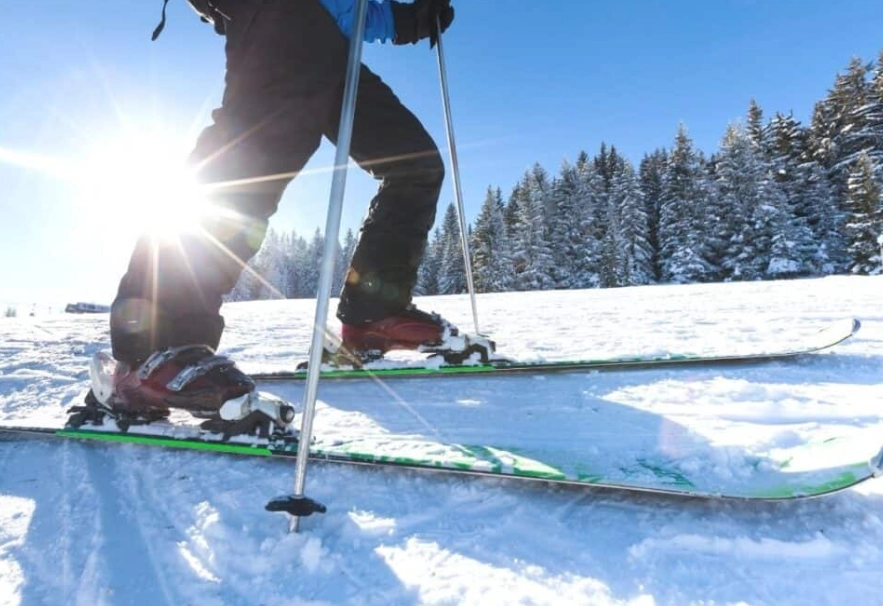
I once watched a friend, an confident intermediate on groomed runs, buy a pair of ultra-wide, heavily rockered powder skis because they were "cool." His first day on them at a resort with hard-packed snow was a disaster. The skis felt hooky, unpredictable, and he lost the confident carving feel he loved. He fought the skis all day.
That's the trap. The gear must match the terrain.
Decoding Ski Categories: A Practical Breakdown
| Ski Type | Best For | Key Features | Waist Width Range |
|---|---|---|---|
| Frontside / Carving Skis | Beginners to advanced skiers staying on groomed trails. | Narrow waist, deep sidecut for easy turn initiation and grip on hard snow. | 65mm - 85mm |
| All-Mountain Skis | The versatile majority. Intermediates who explore groomers, bumps, and some off-piste. | Balanced camber/rocker profile. Forgiving yet capable. | 85mm - 100mm |
| All-Mountain Wide / Freeride | Advanced skiers who seek powder but still ride lifts. | Wider underfoot, more rocker for float in soft snow, stable at speed. | 100mm - 115mm |
| Powder Skis | Deep days and backcountry adventures. | Very wide, significant rocker. Pivots easily in deep snow. | 115mm+ |
My Rule of Thumb: If you're skiing primarily at resorts in North America or Europe and don't chase powder storms, an all-mountain ski in the 85-100mm range is your safest, most enjoyable bet. It handles icy mornings, soft afternoon snow, and the occasional venture off the groomed track.
Length is another puzzle. The old "chin to nose" rule is outdated. It depends on ski design and your skill. A stiff, traditional carving ski might be skied at eyebrow height. A soft, rockered all-mountain ski could be skied at your height or even taller for more stability. When in doubt, especially as a beginner or intermediate, lean slightly shorter. A shorter ski is easier to turn and control, which builds confidence faster.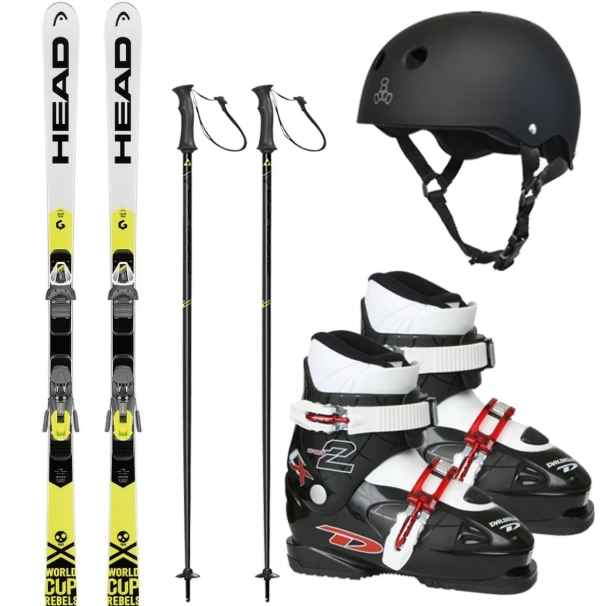
Ski Pole Mastery: Beyond Basic Balance
Poles are the most misunderstood tool in skiing. New skiers treat them like crutches for balance. Good skiers use them as a metronome for rhythm and a lever to initiate turns. The difference is night and day.
Getting the length right is step one. Turn the pole upside down, grip the basket under the metal tip, and let your forearm rest parallel to the floor. Your elbow should be at a 90-degree angle. That's the classic fit. But here's a subtle tip most shops won't mention: if you ski aggressively or in bumps, consider going 2-5cm shorter. It keeps your hands forward and your body in a more dynamic, athletic stance. I made this switch years ago, and it transformed my mogul skiing.
The Strap: Your Secret Weapon
Watch a beginner put on pole straps. They just slide their hand through. Now watch an expert. They insert their hand up through the bottom of the strap, then grip the pole, so the strap runs across the back of their wrist and palm. This creates a direct connection.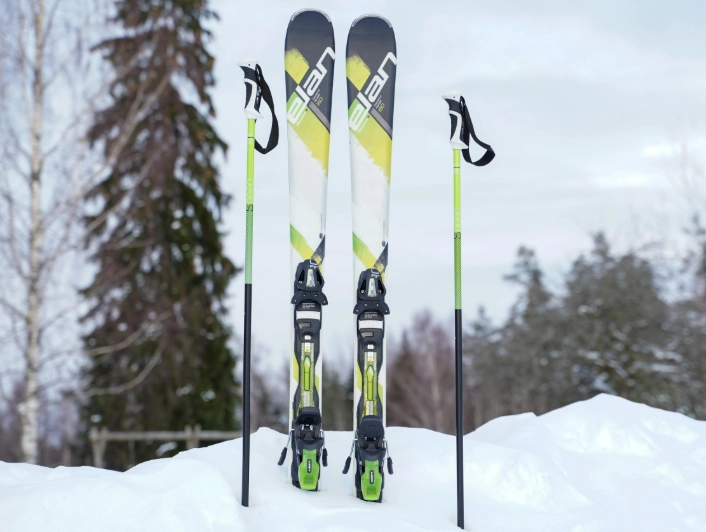
Why does this matter? It allows you to push down on the pole through the strap without squeezing the grip tightly. Your hand stays relaxed, your fingers can move, and you generate more power with less effort. It's a tiny detail with a massive impact on efficiency and arm fatigue.
Basket size matters, too. Small, disc-like baskets are for hardpack and racing. Larger, snowflake-shaped baskets are for all-mountain and powder—they prevent the pole from plunging too deep. Using racing poles in deep snow is an exercise in frustration.
The Non-Negotiables: Setup and Maintenance
You can have the perfect skis and poles, but if they're set up wrong, you're back to square one.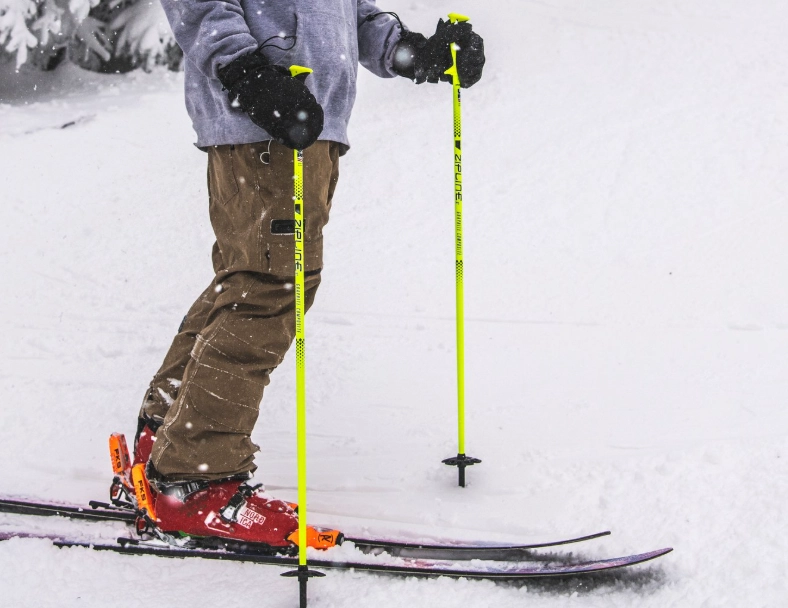
Binding DIN Setting: This is the release tension setting. It is not a measure of manliness or skill level. It's a safety calculation based on your weight, height, age, boot sole length, and skier type. A shop will set this using a chart or computer. A setting too high won't release in a fall (increasing injury risk). Too low, and you'll pop out unexpectedly. Never guess this number.
Ski Tuning: Skis aren't buy-it-and-forget-it items. The edges get dull. The base gets dry. A poorly tuned ski won't grip on ice and feels sluggish. At a minimum, get a professional base grind and edge tune once a season. More frequent skiers should do it every 15-20 days. You can learn to wax at home with a cheap iron—it's easy and extends the life of the base.
For poles, maintenance is simpler. Check that the baskets are screwed on tight before each season. Inspect the shaft for deep dents or cracks, especially near the grip and tip. Aluminum poles can bend; carbon can crack. A bent pole throws off your timing.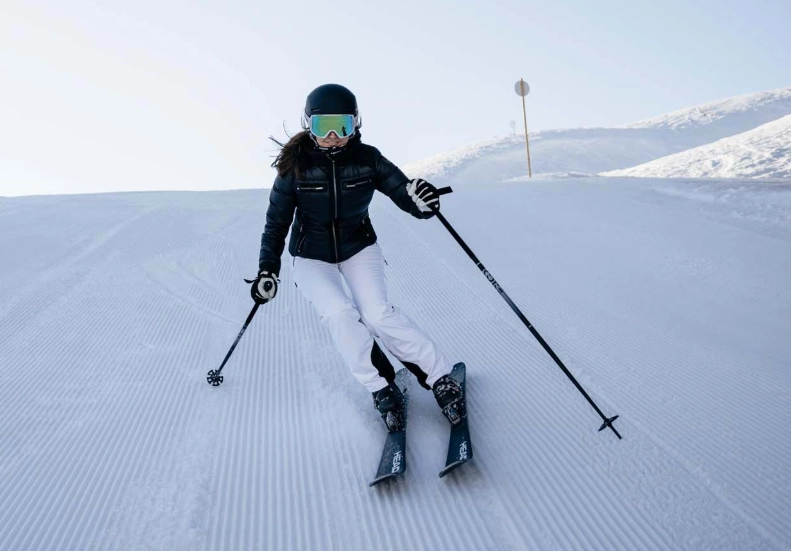
Expert Insights and Common Pitfalls
After years on snow, you notice patterns. Here are a few things that separate a good setup from a great one.
**The Rental Trap:** Rental skis are often very basic, soft, and flat. They're designed to be indestructible, not high-performance. If you've graduated from "never-ever" to linking turns confidently, consider demoing skis. Demo shops let you try current, high-quality models. The difference in stability and ease of turning is astounding. It's the fastest way to level up your skiing.
**The One-Ski Quiver Fantasy:** We all want one ski that does everything perfectly. It doesn't exist. A perfect powder ski is a terrible carving ski, and vice versa. Be honest about where you spend 80% of your time and optimize for that. Compromise on the other 20%.
**Pole Plant Timing:** The pole plant isn't for slowing down. It's a timing device and a pivot point. Planting your pole signals the start of your next turn. If your poles are constantly behind you or you're stabbing at the snow, your upper and lower body are out of sync. Focus on a light, forward plant near your front boot.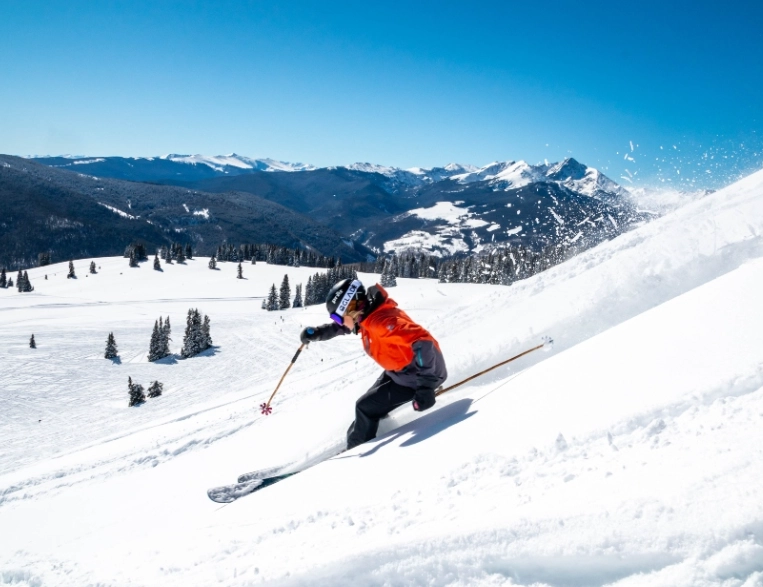
Your Top Questions Answered
Ski width, measured at the waist, is crucial for float and edge grip. For groomed resort runs, stick to 75-85mm. For mixed conditions and all-mountain versatility, 85-100mm is ideal. For deep powder, go 100mm+. The common mistake is buying powder skis for your first trip to a groomer-focused resort—you'll work harder for less control.
They treat them like walking sticks for balance. Poles are for timing, rhythm, and initiating turns. Gripping them too tightly or planting them too far from the body throws off your form. The strap isn't a decoration; use it correctly to transfer force from your hand to the pole shaft without a death grip.
Skis need a base grind and edge tune every 15-20 ski days, or at minimum, once per season. Dull edges are a major safety and performance issue. For poles, a quick check for basket security and shaft integrity is enough unless you've taken a major impact. Waxing you can do at home; structural work should be left to a shop.
Absolutely not. Alpine poles are designed for downward motion, pole plants, and stability. They are shorter with large baskets to prevent sinking in snow. Cross-country (Nordic) poles are longer, have smaller baskets, and are built for propulsion on flatter terrain. Using the wrong type will hinder your technique and efficiency dramatically.
Skis and poles are your direct connection to the mountain. Taking the time to understand them pays dividends in every run. It's not about having the flashiest gear. It's about having the right tools that work with you, not against you. Start with honest self-assessment, prioritize function over hype, and don't overlook the simple details like a proper pole strap. Your future self, carving effortlessly down the mountain, will thank you.
Related Articles


Comments
Join the discussion