Let's get one thing straight: you're not getting Colorado or Vermont vertical here. But what Pennsylvania ski resorts lack in epic mountain grandeur, they make up for with surprising variety, relentless snowmaking, and a genuinely accessible, fun-focused vibe. For millions in the Mid-Atlantic, a PA ski trip isn't a pilgrimage—it's a reliable, weekend-friendly winter tradition. I've spent over a decade sliding on these hills, from icy January mornings to perfect spring corn snow days. This guide cuts through the marketing fluff to tell you exactly what to expect, where to go, and how to make the most of your time and money on Pennsylvania's slopes.
What's Inside This Guide
- Head-to-Head: The Top Pennsylvania Ski Resorts Compared
- More Than Just Lifts: Terrain, Snow, and Vibe
- Planning Your Pennsylvania Ski Trip: Tickets, Gear, and Logistics
- Where to Stay: Lodging On and Off the Mountain
- Local Knowledge: Tips You Won't Find on the Trail Map
- Straight Answers to Your Pennsylvania Skiing Questions
Head-to-Head: The Top Pennsylvania Ski Resorts Compared
Forget vague descriptions. Here’s a data-driven snapshot of the major players. Remember, "vertical drop" is the height you actually ski down, not the mountain's total height. It's the best single metric for how long your run will be.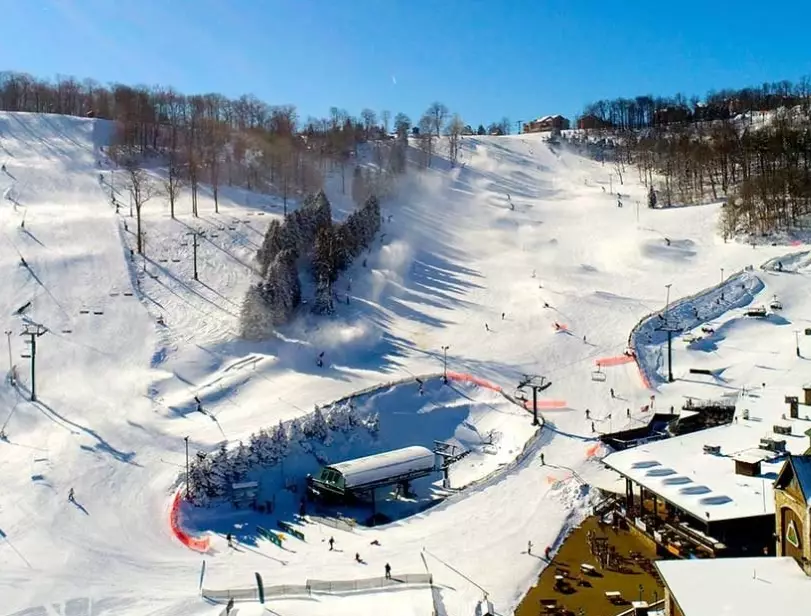
| Resort | Key Feature | Vertical Drop | Trails / Terrain Parks | Weekend Lift Ticket (Walk-up) | Best For |
|---|---|---|---|---|---|
| Blue Mountain Resort | Biggest vertical in PA | 1,082 ft | 40 trails / 5 parks | $89 - $99 | Advanced skiers, park rats, long runs |
| Camelback Mountain Resort | Massive snowmaking & family complex | 800 ft | 39 trails / 2 parks | $85 - $95 | Families, beginners, après-ski amenities |
| Seven Springs Mountain Resort | Full-service destination resort | 750 ft | 33 trails / 5 parks | $90 - $100 | Weekend getaways, nightlife, varied terrain |
| Jack Frost Big Boulder | Two-mountain flexibility | Jack Frost: 600 ft / Big Boulder: 500 ft | 37 trails combined / 5+ parks | $80 - $90 (dual ticket) | Park skiing (Big Boulder), beginners (Jack Frost) |
| Elk Mountain | Classic, no-frills skiing | 1,000 ft | 27 trails / 1 park | ~$75 | Purists, less crowded experience, natural snow |
I see a lot of guides just list stats. The nuance is in how they ski. Blue Mountain feels like a "real" mountain. The lift from the base takes time, and the top has a view. Camelback feels like a well-oiled machine—everything is big, bright, and efficient, but it can get chaotic. Seven Springs has a charming, sprawling village feel that makes a weekend trip feel like a proper escape.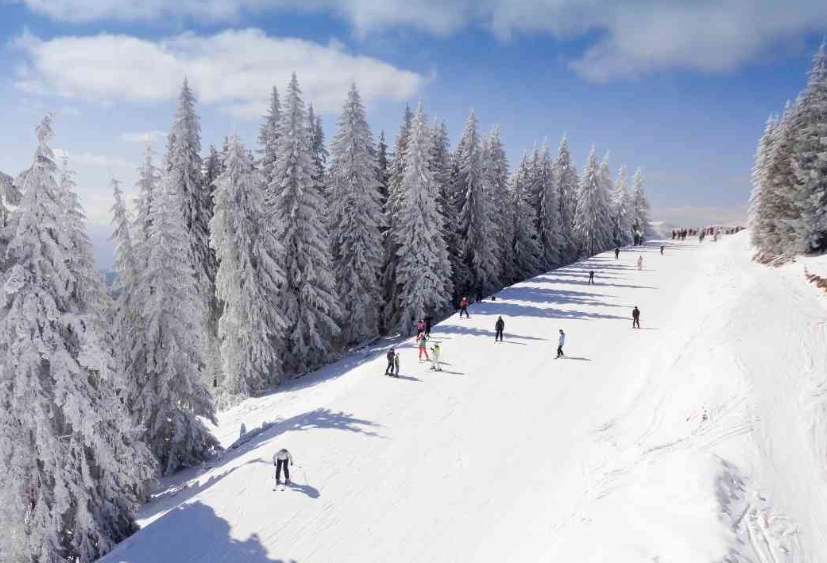
More Than Just Lifts: Terrain, Snow, and Vibe
Who Has the Best Terrain for Your Skill Level?
Beginners: Don't just look for green circles. Look for a dedicated learning area. Camelback's "Sullivan's Learning Hill" is separate and perfect. Hidden Valley Resort (sister to Seven Springs) is arguably the most beginner-friendly overall, with gentle, wide slopes that build confidence.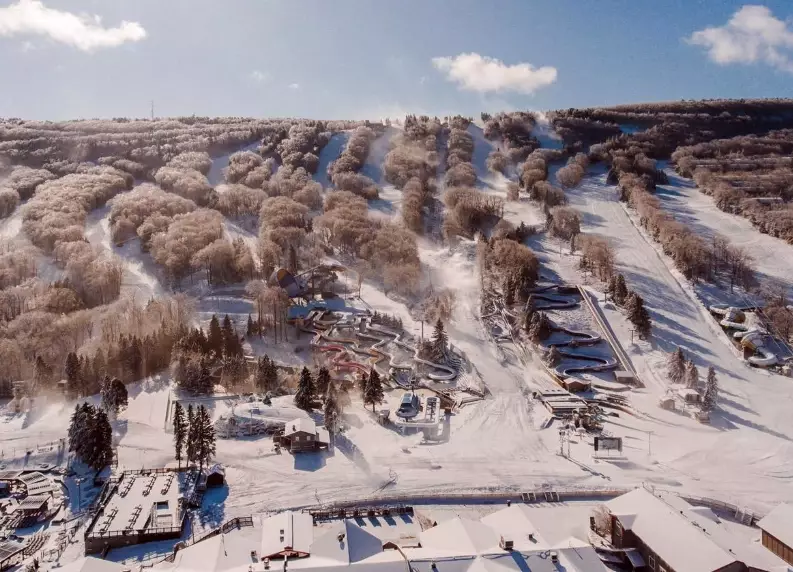
Intermediates: You have the most options. Seven Springs shines here with long, cruising blue squares like Wagner and Lost Boy. Blue Mountain's Challenge and Come Around are classics that let you open up your turns.
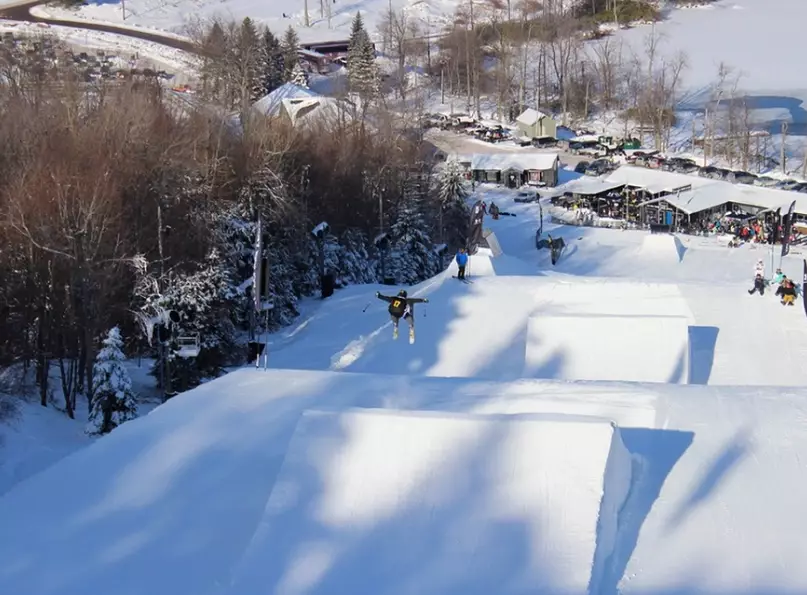
Advanced Skiers & Boarders: Pennsylvania black diamonds are short but often steep and challenging. Blue Mountain's Razor's Edge or Nightmare will get your heart racing. Elk Mountain is the sleeper hit for experts—trails like Tunkhannock are narrow, fall-line, and hold natural snow better than most. For terrain parks, Big Boulder is legendary on the East Coast, while Blue Mountain and Seven Springs have progressive features for all levels.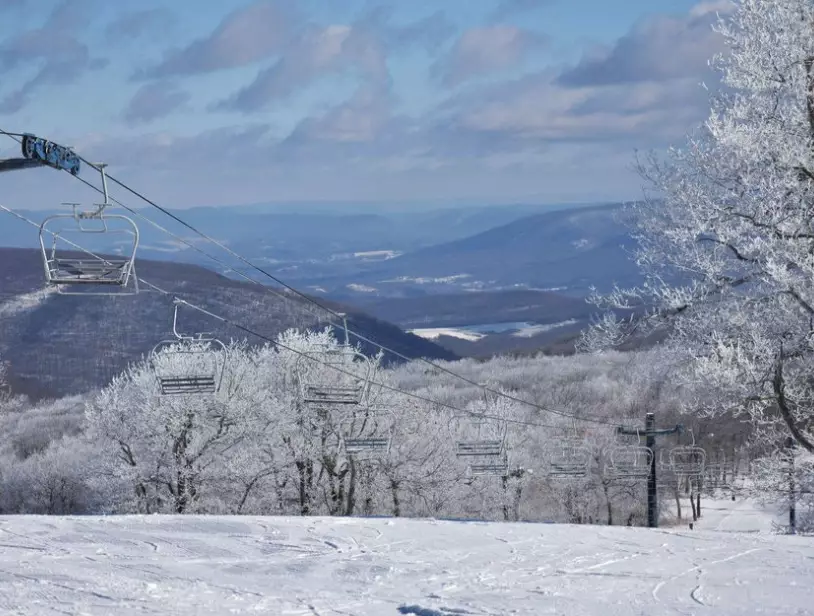
The Snowmaking Reality
This is Pennsylvania's superpower. You can't rely on natural snow. Resorts like Camelback and Blue Mountain have armies of snow guns that can blanket 98% of their terrain. It's machine-made, but it's consistent. Check the resort's snow report for "% of terrain open," not just the base depth. A resort with 50 inches of base but only 40% open might have worse conditions than one with 20 inches and 90% open.
Planning Your Pennsylvania Ski Trip: Tickets, Gear, and Logistics
Lift Tickets: The walk-up price is a trap. Always buy online, at least 48 hours in advance. The savings are substantial, often $15-$25 per ticket. Midweek (Monday-Friday, non-holiday) is dramatically cheaper. If you plan to ski more than 2 days a season, look at season passes. The Indy Pass or resort-specific passes can pay for themselves quickly.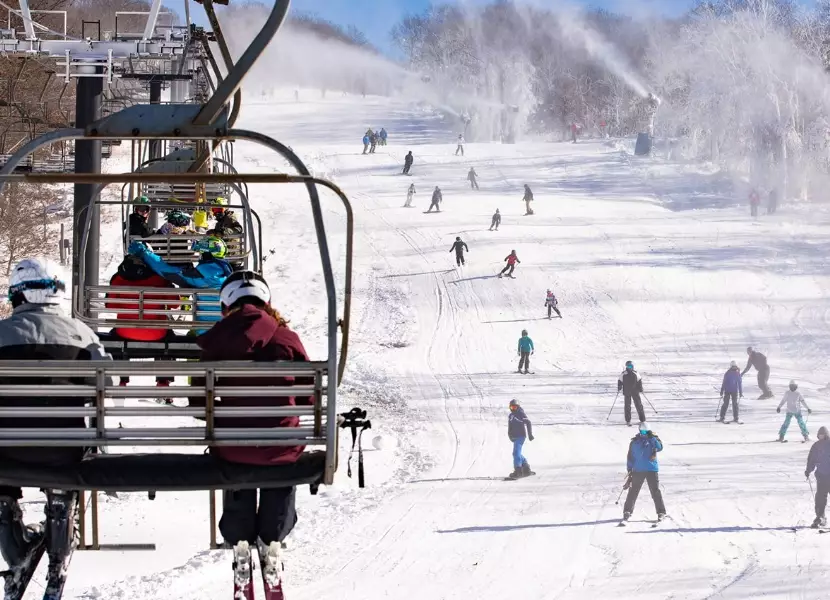
Rental Gear: Reserve online. It's faster and sometimes cheaper. A common mistake? Renting at a generic sports store off-mountain to "save money." The gear is often older, less tuned, and if there's a fit issue, you're driving back. Mountain rental shops have newer, ski-specific gear and can adjust boots on the spot.
When to Go: January and February are the most reliable for cold temps and snowmaking. March can be the secret best month—longer days, softer snow, and often discounted rates. Avoid holiday weekends (MLK, Presidents') unless you thrive in crowds.
Where to Stay: Lodging On and Off the Mountain
Ski-in/Ski-out: True convenience is rare. Seven Springs is the king here, with the Hotel and Slopeside Condos offering direct slope access. At other resorts, "slopeside" usually means a short walk (2-5 minutes) to the base lodge.
Nearby Towns (Better Value & Food):
- For Seven Springs/Hidden Valley: Stay in Somerset. More hotel choices, chain restaurants, and a 15-20 minute drive.
- For Camelback: Stroudsburg or Bartonsville offer every hotel chain imaginable and better dinner options than the resort's food court.
- For Blue Mountain: Look at Allentown or Bethlehem. You get city amenities and a 25-minute drive to the slopes.
Booking a condo with a kitchen can save a fortune on food, especially for families.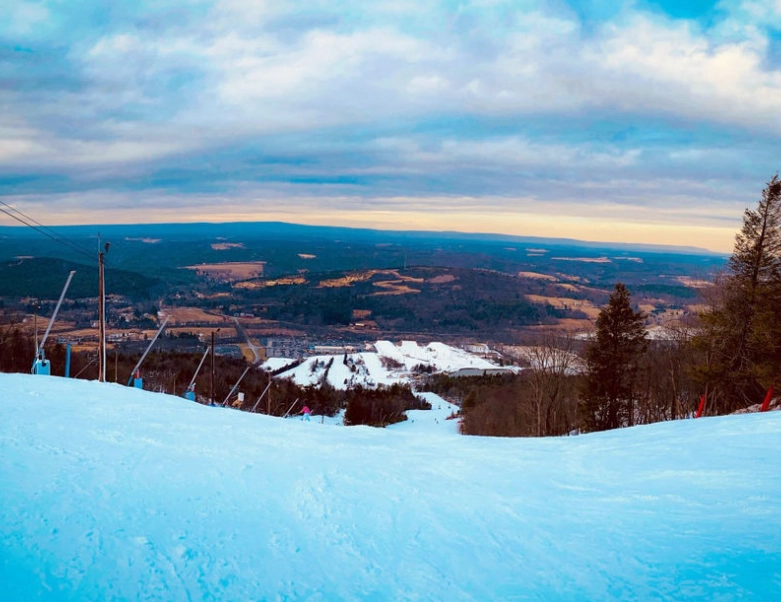
Local Knowledge: Tips You Won't Find on the Trail Map
I learned these the hard way.
- Parking is a Strategic Game: At Camelback or Blue Mountain on a Saturday, aim to arrive by 7:45 AM. The front lots fill up, and the walk from overflow parking adds 15+ minutes of hassle before you even boot up.
- The "Base Lodge Rush" is Avoidable: Everyone heads to the main base lodge for lunch at noon. Eat at 11 AM or 1:30 PM. Or, pack a lunch and use the car as your base—it's warmer, you have your own stuff, and it's free. Some resorts, like Elk, have a great mid-mountain lodge that's less crowded.
- Night Skiing is a Different Beast: It's colder, often icier, and lighting is uneven. It's fantastic for squeezing in extra runs, but don't expect the same conditions as the daytime. Seven Springs and Blue Mountain have extensive night operations.
- Check the Website for Events: A seemingly quiet weekend might be a freestyle competition or a college ski club trip, which can change the crowd dynamic and lift line lengths.
Straight Answers to Your Pennsylvania Skiing Questions
Pennsylvania skiing is about maximizing fun within a realistic framework. You won't get endless powder, but you will get a ton of variety, convenience, and that pure joy of sliding on snow close to home. Pick the resort that matches your group's priorities, plan ahead for tickets, and manage your timing around the crowds. Do that, and you're guaranteed a great day—or weekend—on the slopes.
Related Articles


Comments
Join the discussion