So you want to ski the biggest. It's a classic bucket list goal. But here's the thing nobody tells you right away: there isn't one simple answer. Ask "What's the largest ski resort in the US?" and you'll start a bar fight among ski geeks. The confusion isn't just marketing hype—it's about how you measure "big." Is it total skiable acres? Lift-served terrain? Vertical drop? The crown shifts depending on your ruler.
Forget the generic lists. We're going deep on the two resorts that actually matter in this debate: Big Sky Resort in Montana and Park City Mountain Resort in Utah. One claims the most skiable acres. The other boasts the most lift-served terrain. I've spent weeks at both, gotten lost on their massive peaks, and paid the price for poor planning. This isn't just about numbers; it's about the feel, the logistics, and which kind of "big" is right for you.
Your Quick Guide to the Big Mountain Debate
The Size Showdown: Breaking Down the Numbers
Let's get the stats on the table first. This is where most articles stop, but it's just our starting point.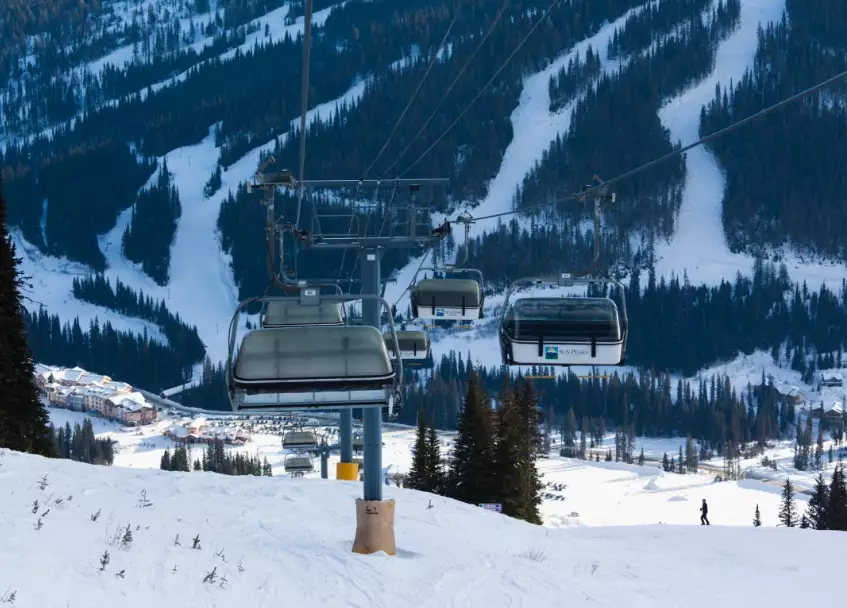
| Metric | Big Sky Resort, Montana | Park City Mountain Resort, Utah |
|---|---|---|
| Claim to Fame | Largest by total skiable acres in the USA | Largest by lift-served skiable acres in the USA |
| Skiable Acres | 5,850+ acres | 7,300+ acres |
| Vertical Drop | 4,350 feet | 3,200 feet |
| Number of Lifts | 38 | 41 |
| Base Elevation | 6,800 ft | 6,800 ft (Canyons), 6,900 ft (Park City) |
| Summit Elevation | 11,166 ft (Lone Peak) | 10,026 ft |
| Nearest Major Airport | Bozeman Yellowstone Intl (BZN) - 1 hr drive | Salt Lake City Intl (SLC) - 35 min drive |
See the discrepancy? Park City's number is bigger. But Big Sky's supporters (and their marketing department) will correctly point out that Park City's figure includes a significant amount of lift-served terrain that is on private, in-boundary land not traditionally counted by other resorts. Big Sky's 5,850 acres is the more traditional measure of in-bounds, patrolled terrain. It's a bit like measuring a pizza by its total area versus just the area with toppings.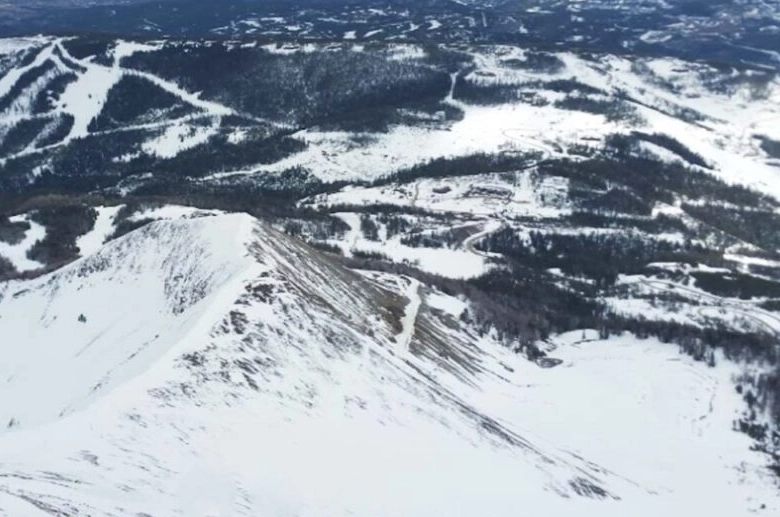
More important than the raw acreage war is the vertical drop. That 1,150-foot difference is massive. It translates to longer, more sustained runs at Big Sky. For expert skiers, vertical is a purer measure of challenge than width.
Big Sky, Montana: The Undisputed Acreage King
Flying into Bozeman, you feel the remoteness. The drive to Big Sky is through gorgeous valleys, not past strip malls. The resort isn't a town; it's a mountain village (Mountain Village and Madison Base) surrounded by wilderness. Yellowstone is an hour south. This setting defines the experience.
What Skiing Big Sky Actually Feels Like
The scale is visceral. From the top of the Lone Peak Tram, you see seemingly endless ridges and bowls. The skiing is less about cruising interconnected groomers and more about committing to a massive pod of terrain. You pick a side of the mountain—Andesite, Southern Comfort, Lone Peak—and dive in for the day.
The expert terrain off Lone Peak is no joke. The Big Couloir is a 50-degree, mandatory air-entry chute that requires a beacon and a partner. It's serious business. Even the advanced terrain feels more rugged, less manicured than what you find at most mega-resorts. The snow tends to be drier, lighter Montana snow, and because it's harder to get to, crowds are virtually non-existent even on peak weekends. I've had powder stashes last for days here.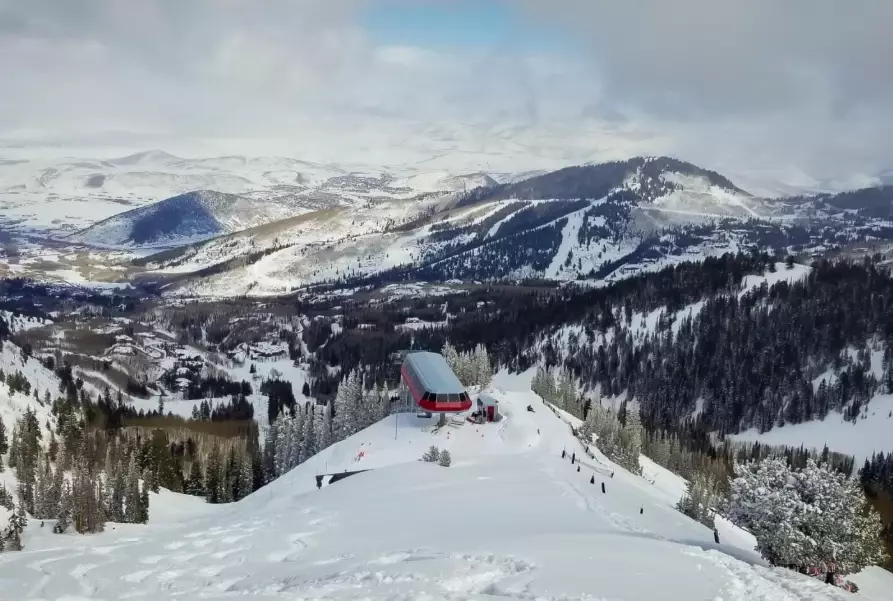
Big Sky Trip Basics
Lift Tickets: Window rates are steep, often over $200/day. The Ikon Pass is the absolute best value here, offering 7 or unlimited days depending on the pass tier.
Where to Stay: The Summit Hotel at Mountain Village for ski-in/ski-out convenience. The Wilson Hotel in Madison Base is newer and has a great vibe. For budget, look at condos in the Meadow Village area (requires a short shuttle ride). Staying in Bozeman is cheaper but adds a 45-60 minute commute each way.
Don't Miss: A ride on the Lone Peak Tram (separate reservation or fee required, even with a pass). The nachos at Everett's 8800. A bluebird day exploring the vast, rolling terrain off the Shedhorn lift.
The downside? That remoteness. Dining and apres-ski options are good but not abundant. Getting from your condo to a restaurant might require a car or shuttle. The vibe is more focused on the skiing itself.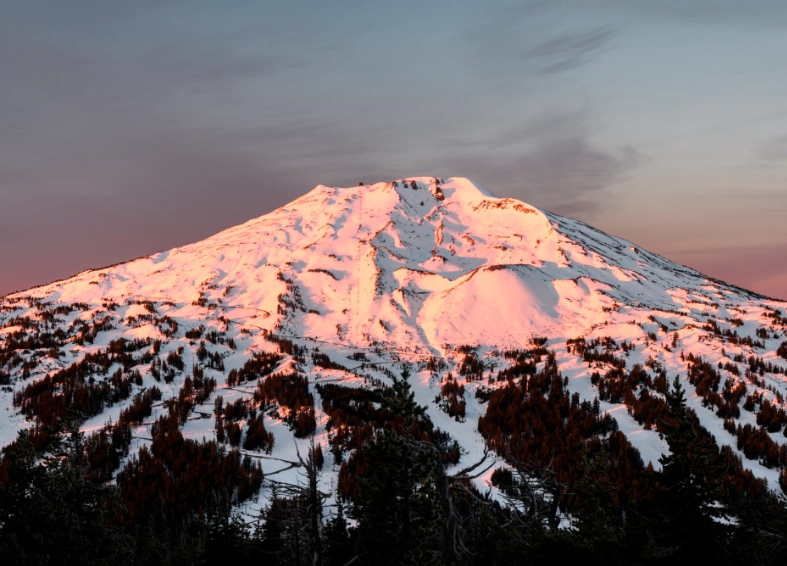
Park City, Utah: The Connected Colossus
Park City is the opposite of remote. You land in Salt Lake City, and 35 minutes later you're in a proper, historic mining town turned luxury ski destination. The resort is actually two formerly separate mountains—Park City and Canyons—stitched together by the Quicksilver Gondola in 2015. This created the lift-served behemoth.
The Interconnected Advantage (and Chaos)
Park City's "big" feels different. It's wide, not just tall. You can start your day in the perfectly groomed corduroy of the Canyons side, slide over to the steep bumps of Jupiter Bowl on the Park City side for lunch, and end with apres-ski on Main Street. The variety is insane and all connected by lifts.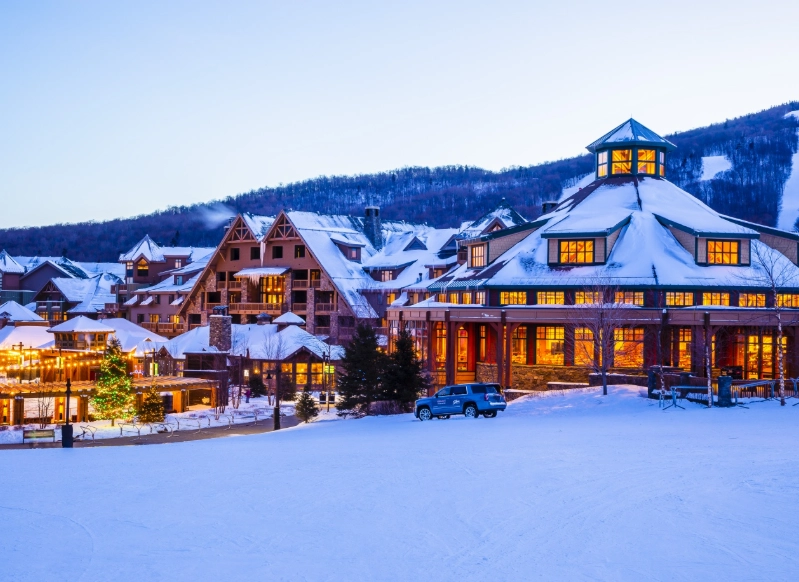
This makes it phenomenal for groups and families. Beginners have miles of dedicated, gentle terrain. Intermediates have a playground of endless blue cruisers. Experts will find challenging steeps and bowls, though perhaps not the consistent, top-to-bottom extreme pitch of Big Sky's signature lines.
The convenience is unmatched. You can stay in a luxury hotel, a slope-side condo, or a historic B&B on Main Street. You have hundreds of restaurants, bars, and shops. The Sundance Film Festival takes over the town every January. It's a full-blown destination experience.
But that convenience comes with a cost: people. Park City can get crowded, especially on holidays and weekends. Lifts like the Sunrise at Canyons or the PayDay on the Park City side can have substantial lines. The Epic Pass has made it incredibly accessible, which is great for skiers but does impact the on-hill experience.
How to Choose Your Giant: A Decision Framework
Don't just pick the bigger number. Ask yourself these questions.
- What's your skill level? Experts craving extreme, big-mountain terrain will lean towards Big Sky. Intermediates and mixed-ability groups will find more pleasure and less intimidation at Park City.
- What's your trip style? Are you a "ski from first chair to last chair" purist? Big Sky's immersive, rugged feel wins. Do you want a vibrant town, great restaurants, and shopping after skiing? Park City is your spot.
- Who's coming with you? Families with young kids or first-timers will appreciate Park City's dedicated learning areas, easier navigation, and non-skiing activities. A group of hardcore ski buddies might prefer the adventure and isolation of Big Sky.
- What pass do you have? This is a huge practical decider. Ikon Pass holders go to Big Sky. Epic Pass holders go to Park City. Your pass investment likely decides this for you.
- How do you handle altitude? Both have high bases, but Big Sky's summit is over 1,100 feet higher. If you're sensitive, the thinner air at the top of Lone Peak is noticeable.
My personal take? I prefer Big Sky for a dedicated ski trip where the mountain is the sole focus. I choose Park City when I'm with friends who want the full resort-town experience or when I'm mixing business and pleasure.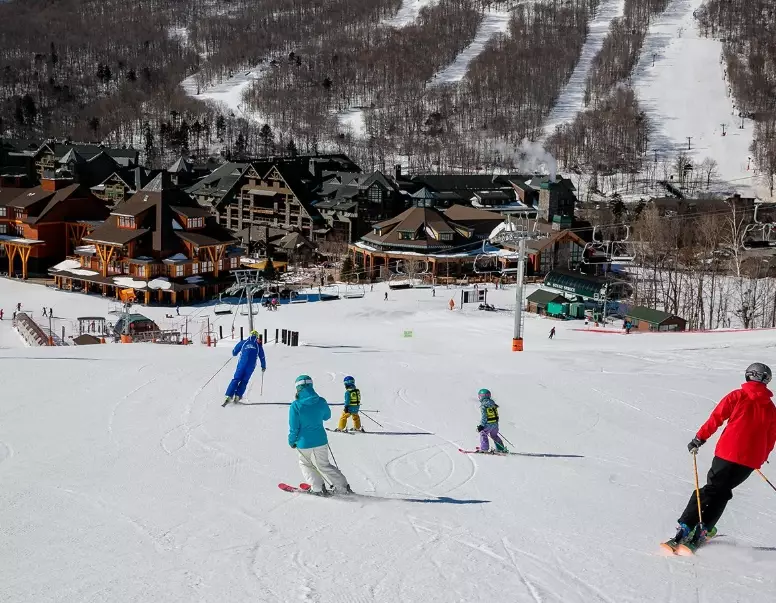
Trip Planning Essentials for a Mega-Resort
Most people screw up their first trip to a resort of this scale. Here's how not to.
You cannot ski it all in a day. Or even three days. The goal isn't to cover every acre. Pick a zone each morning. Study the trail map the night before—not on the lift. At Park City, decide if you're starting at Canyons Village or the Park City base. At Big Sky, are you tackling Lone Peak or exploring the Swift Current area?
Lodging location is everything. At Park City, being near a base lift or the Town Lift is worth the premium. At Big Sky, staying in Mountain Village versus driving from Bozeman creates two completely different vacations. Factor in shuttle routes or rental car costs.
Book lift lessons, especially for intermediates. The best money I ever spent at these resorts was on a half-day "mountain guide" lesson. They'll show you the secret stashes, the best lunch spots, and how to efficiently navigate the maze. It accelerates your enjoyment dramatically.
Reservations are key. For everything. The Lone Peak Tram at Big Sky often requires a separate, timed reservation. Popular restaurants in both locations book up weeks in advance during peak season. Don't wing it.
Your Biggest Questions, Answered
Which is better for families: the largest ski resort by acreage or by lift-served terrain?
I'm an expert skier looking for steep chutes and hike-to terrain. Does the 'largest' title guarantee that?
What's a common mistake people make when planning a trip to these massive resorts?
Is the Ikon Pass or Epic Pass better for accessing the largest US ski resorts?
So, who wins? If we're measuring by the traditional, in-bounds, patrolled ski area, Big Sky Resort in Montana holds the title of largest ski resort in the United States. Its 5,850 acres of wild, vertical, and uncrowded terrain is a skier's pilgrimage.
But if your definition of "largest" is the most terrain you can access by simply scanning a lift ticket, then Park City Mountain Resort in Utah offers an unparalleled connected experience with every amenity imaginable.
The real victory is knowing the difference. Now you can pick the kind of "big" that matches your dream ski trip. Don't just chase a headline number. Chase the experience that number represents.
Related Articles
Comments
Join the discussion