When you search for the biggest ski resort in the USA, you're probably looking for bragging rights and endless terrain. The title holder, by sheer skiable acreage, is Park City Mountain Resort in Utah. At 7,300 acres, it's a behemoth. But after a decade of chasing powder from Vermont to Washington, I've learned that "biggest" is a starting point, not the whole story. A resort's scale impacts your vacation in ways you might not expect—from lift line strategy to where you book your hotel. Let's get past the marketing numbers and into what it actually means to ski the largest ski terrain in America.
Quick Guide: Navigating America's Largest Ski Resort
- What & Where Is The Biggest?
- Size vs. Experience: The Real Comparison
- How to Plan Your Trip to the Largest Ski Resort
- The Biggest Mistakes to Avoid at a Mega-Resort
- When Bigger Isn't Better: Alternatives to Consider
- Your Biggest Ski Resort Questions Answered
What & Where Is The Biggest Ski Resort in the USA?
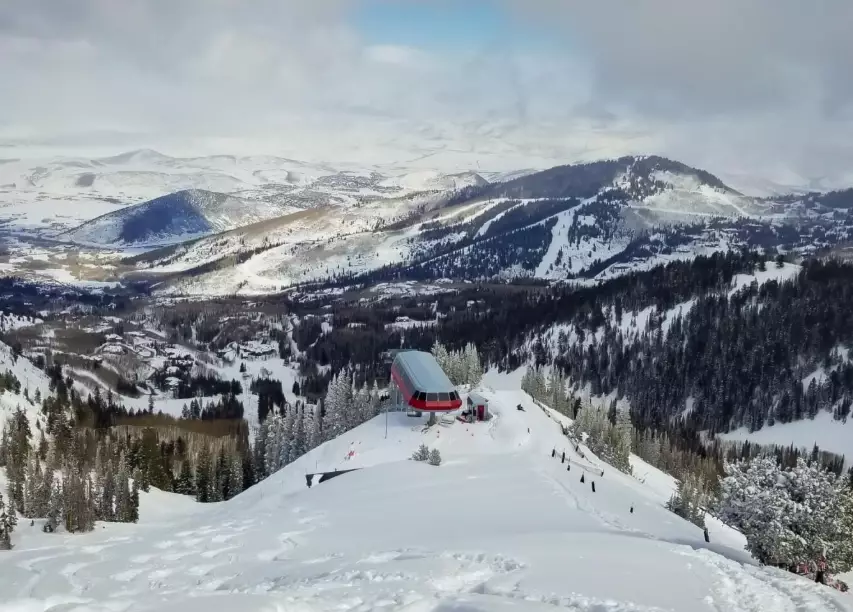
Park City Mountain Resort (PCMR) in Utah takes the crown. This wasn't always the case. The current giant was formed in 2015 when the former Park City Mountain Resort (3,300 acres) and Canyons Resort (4,000 acres) were physically linked by the Quicksilver Gondola, creating a single, interconnected domain under Vail Resorts' Epic Pass.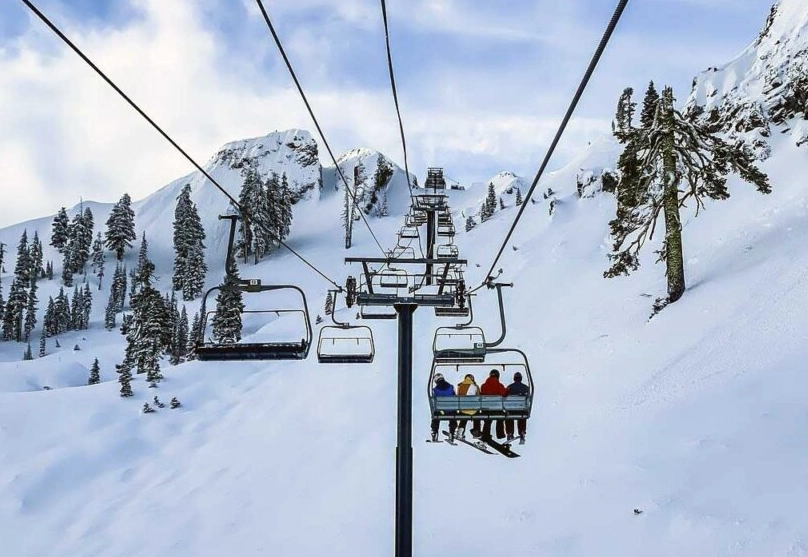
Park City Mountain Resort: The Vital Stats
- Location: Park City, Utah (40km east of Salt Lake City International Airport).
- Skiable Acres: 7,300.
- Vertical Drop: 3,200 feet.
- Lifts: 41 total, including high-speed gondolas and chairs.
- Terrain Mix: 17% Beginner, 44% Intermediate, 39% Advanced/Expert.
- Base Areas: Two main villages: Park City Base and Canyons Village.
- Lift Ticket Window Price: Expect $200+ per day peak season; significant savings with advance online purchase or the Epic Pass.
- Season: Typically late November to mid-April.
Getting there is straightforward. You fly into Salt Lake City (SLC), arguably the best major airport for ski access in the country. A 45-minute drive on well-maintained I-80 gets you to Park City. Shuttles, rideshares, and rental cars are all easy options. Once there, the town's free bus system is excellent for getting around without a car.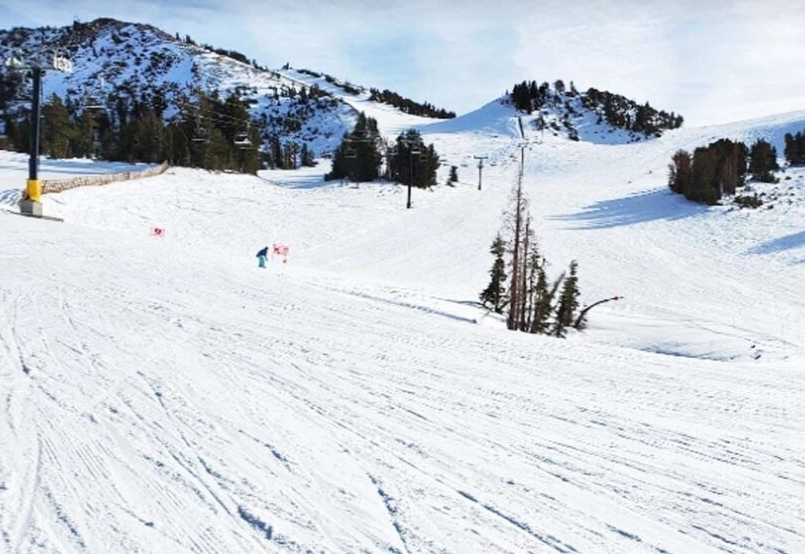
Size vs. Experience: How It Stacks Up Against Other Giants
Comparing resorts just by acreage is like comparing cars only by horsepower. Here’s a more useful look at how PCMR compares to other massive US resorts, focusing on the feel and layout.
| Resort | Skiable Acres | Key Characteristic | The Vibe & Layout |
|---|---|---|---|
| Park City Mountain, UT | 7,300 | Largest by acreage | Two distinct personalities (historic Park City side, modern Canyons) connected by a gondola. Feels like two big resorts in one. |
| Big Sky Resort, MT | 5,850 | Largest vertical drop in USA | Sprawling, wild, and less crowded. The Lone Peak Tram accesses extreme, big-mountain terrain that defines its reputation. |
| Vail, CO | 5,317 | Most iconic "big" resort | Famous for its vast, gentle back bowls. More unified feel than PCMR, with a massive, European-style base village. |
| Whistler Blackcomb, BC, Canada | 8,171 | Largest in North America | Included for perspective. Even bigger, with two massive mountains linked by the Peak 2 Peak Gondola. An international destination. |
Park City's unique two-sided layout is its defining feature—and its biggest planning challenge. The Park City side has the iconic mining-town history, easier access from Main Street, and terrain that feels more classic. The Canyons side is more modern, with sleek base facilities and a reputation for longer, more meandering runs through aspen groves.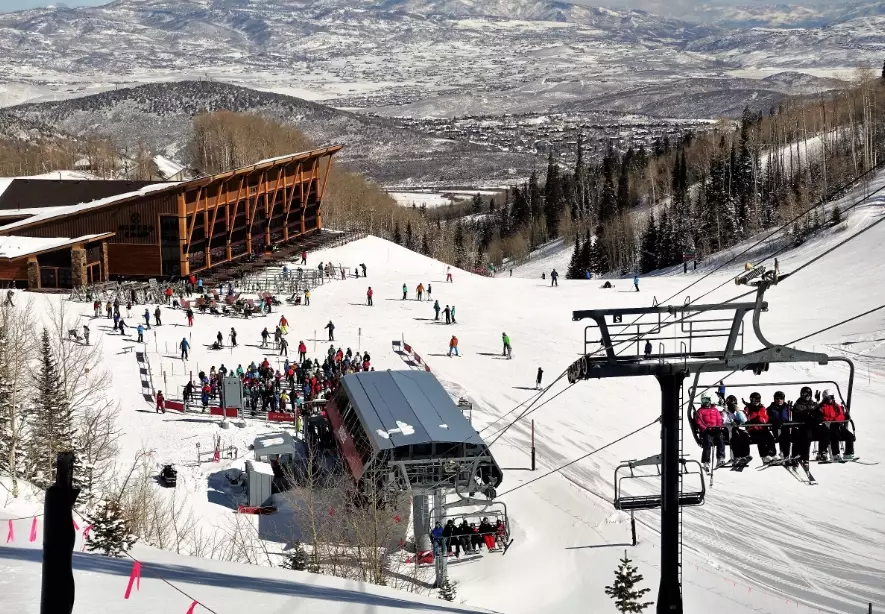
How to Plan Your Trip to the Largest Ski Resort
You can't wing it at a place this size. Here’s how to approach it.
Where to Stay: Base Area is Everything
This is the most critical decision. If you stay at the Park City Base, you're steps from the Town Lift and a short walk to historic Main Street with its restaurants and bars. If you stay at Canyons Village, you're in a more self-contained, resort-style complex with newer condos and hotels.
The non-consensus advice? Choose based on the terrain you'll ski most. If your group leans beginner/intermediate and wants nightlife, pick Park City Base. If you have advanced skiers who want to explore vast intermediate bowls and tree skiing, or prefer a quieter, more consolidated base, Canyons might be better. Don't assume you'll seamlessly split your days 50/50 between sides—the connection takes time.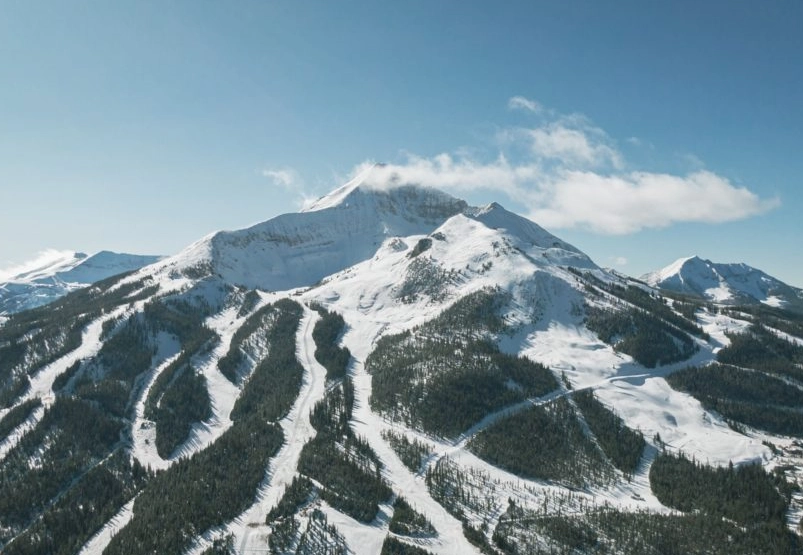
Tackling the Terrain: A Strategic Approach
Day 1: Don't try to see it all. Pick one side and explore. On the Park City side, warm up on the Bonanza or Silverlode lifts. On the Canyons side, the Super Condor Express opens up a huge amount of blue terrain.
Day 2: Venture further. Use the Quicksilver Gondola to cross over. Remember, it's not just a lift—it's a 15-minute commute. Plan your lunch and après-ski around which side you finish on.
The Biggest Mistakes to Avoid at a Mega-Resort
I've seen these over and over.
Mistake 1: Underestimating travel time between bases. You agree to meet friends for lunch at the Canyons base while you're on the Park City side. That's a 30+ minute journey involving a chairlift, a gondola, and maybe a shuttle. It eats half your lunch hour.
Mistake 2: Chasing "must-ski" runs all over the mountain. You'll spend your day on lifts and traverses, not skiing. Find a zone you like and dig in for a few hours.
Mistake 3: Assuming all beginner terrain is equal. The First Time and High Meadow areas on the Canyons side are fantastic, purpose-built learning zones. Some green runs on the map, however, are merely connectors between advanced areas—they can be narrow, flat, and stressful for true novices.
When Bigger Isn't Better: Alternatives to Consider
Park City's size is a marvel, but it's not the best fit for every skier.
For pure beginners, a smaller resort like Colorado's Beaver Creek or even Park City's own neighbor, Deer Valley, might offer a less intimidating, more luxurious learning environment with exceptional customer service.
For expert skiers chasing steep and deep, the 7,300 acres includes great advanced terrain, but the sheer percentage of intermediate runs means it lacks the concentrated, relentless challenge of a Jackson Hole or Snowbird. The biggest doesn't mean the gnarliest.
For families with young kids, navigating two base areas and a gondola transfer with tired children and a bag of gear can be a logistical headache. A single, compact base village like Keystone's might be easier.
Your Biggest Ski Resort Questions Answered
So, is Park City Mountain Resort worth the trip for the title of biggest alone? No. But is it an incredible, diverse, and bucket-list-worthy ski destination that happens to be the largest? Absolutely. Just go in with a plan, respect the scale, and you'll understand that in skiing, as in life, how you navigate the space matters more than the space itself.
Related Articles

Comments
Join the discussion