Let's cut straight to the point. Denali's elevation is 6,190 meters. That's 20,310 feet if you're thinking in the old scale.
But if you think that number is just a statistic for a trivia night, you're missing everything that makes this mountain a monster. I've stood on that summit, and the air up there doesn't just feel thin—it feels absent. Your brain moves through syrup. That 6,190-meter figure isn't a badge of honor; it's a warning label. It dictates every single decision you make, from the moment you land on the Kahiltna Glacier until you stumble back onto it, exhausted.
This isn't just about how high Denali is. It's about why that height matters more here than almost anywhere else on Earth.
What's Inside This Guide
How High is Denali Really?
The official summit height of 6,190 meters (20,310 ft) was established by a precise GPS survey in 2015, conducted by the U.S. Geological Survey. Before that, we used a 1950s-era figure of 20,320 ft. They shaved off 10 feet. Trust me, you won't notice the difference when you're fighting for breath.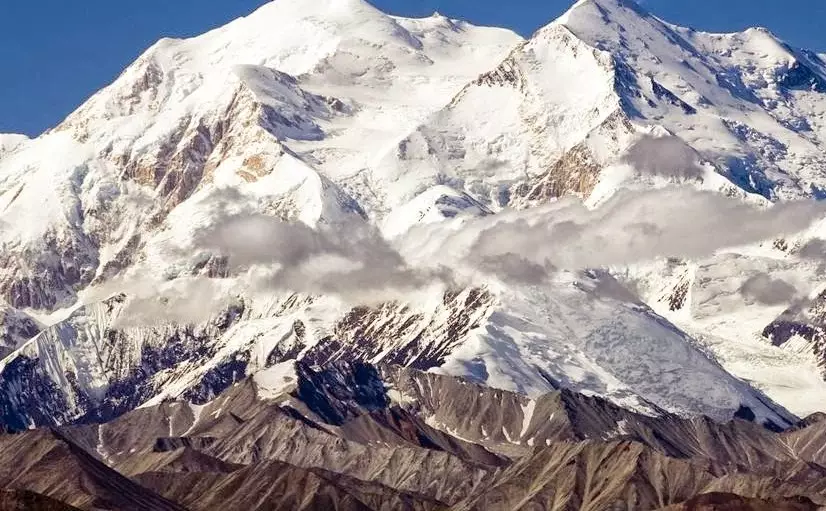
Here's what most people get wrong: they see Denali as the third-highest peak among the Seven Summits (after Everest and Aconcagua) and assume it's the third hardest. The raw elevation number is almost misleading.
The mountain sits at about 63 degrees north latitude. This is the critical detail that changes the game. At the poles, the Earth's atmosphere is thinner. So the barometric pressure at Denali's summit is much lower than at the same elevation near the equator.
A scientist from the University of Alaska Fairbanks once explained it to me like this: the partial pressure of oxygen at Denali's summit is equivalent to what you'd find at about 6,900 meters (22,600 ft) in the Himalayas. Your body thinks it's on a much higher mountain.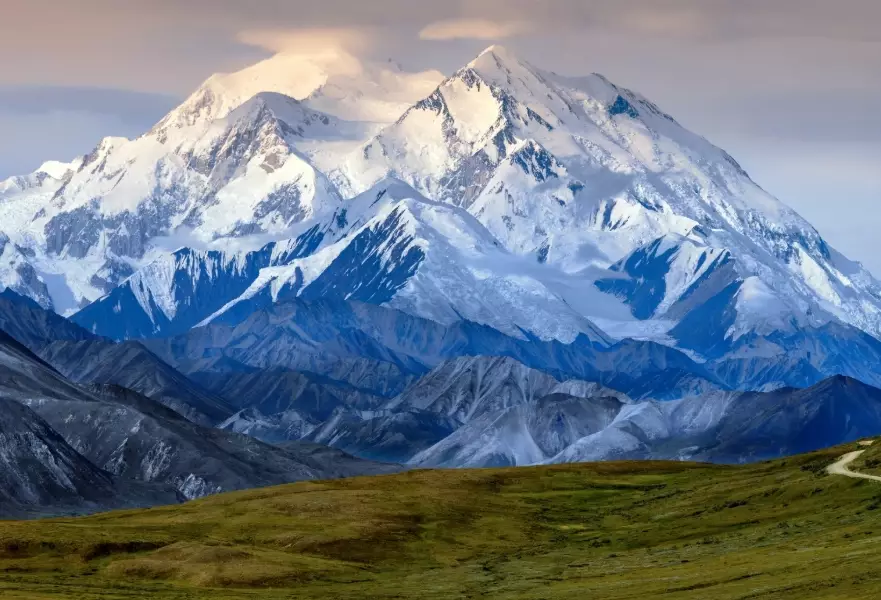
Why Denali's Elevation Poses Unique Challenges
Altitude on Denali isn't just a condition; it's the main antagonist. It teams up with other factors to create a perfect storm of difficulty.
The Weather Amplifier
Denali is famous for its brutal weather. At 4,300 meters, I've been pinned in a tent for five days straight by hurricane-force winds. The high elevation means storms are more intense and temperatures plummet. It's not uncommon for summit day temps to feel like -40°C/F with wind chill. The elevation makes you slower, the cold saps your energy faster, and the storm traps you. It's a vicious cycle.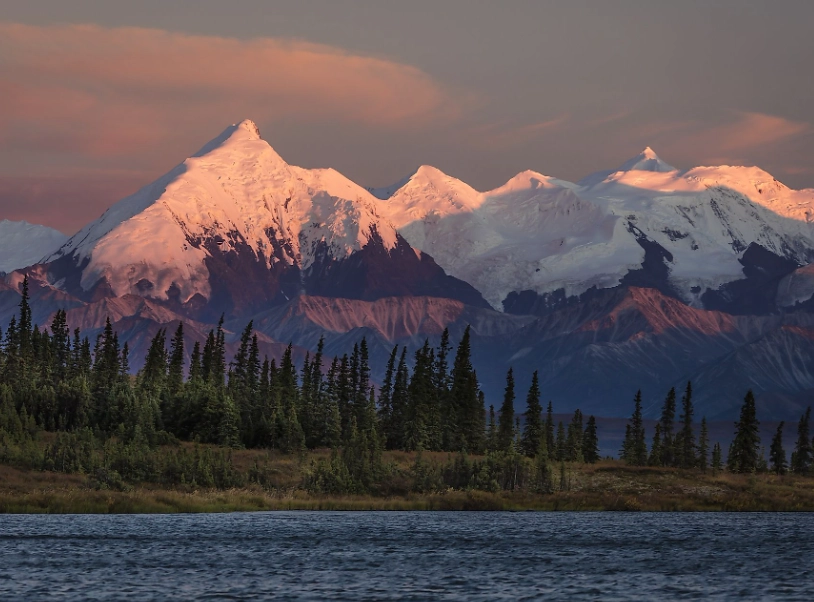
Glacial Travel and Acclimatization
You start your climb at Base Camp on the Kahiltna Glacier at about 2,200 meters. You have over 4,000 vertical meters to gain. The standard West Buttress route forces a smart, if grueling, acclimatization schedule. You carry heavy loads up to a higher camp, then descend to sleep lower. This "climb high, sleep low" principle is your only reliable tool against Acute Mountain Sickness (AMS), HAPE, and HACE.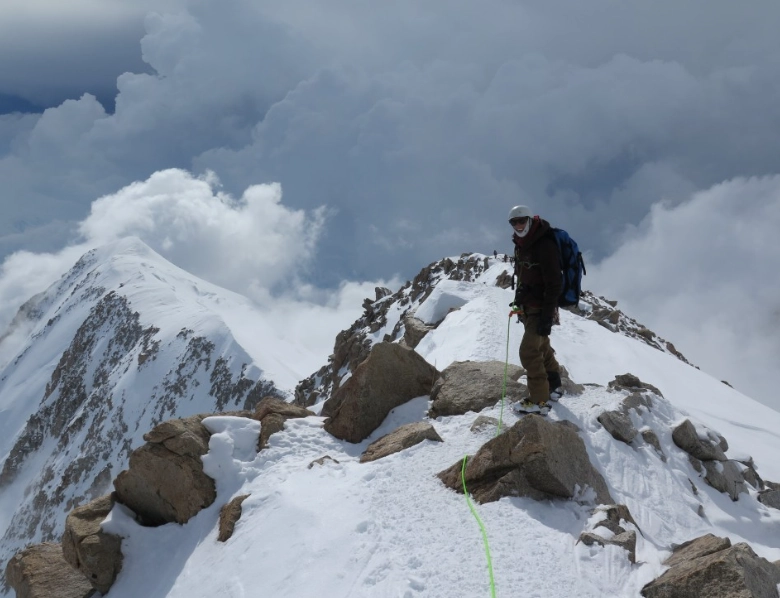
The mistake I see? Climbers rushing the schedule because they feel strong at 3,300 meters. They skip a carry or move up too fast. By the time they hit 5,200 meters at High Camp, they're nauseous, weak, and their summit bid is over. The elevation punishes impatience without mercy.
The Psychological Grind
This is rarely talked about. At high camp (5,200m), the hypoxia affects your sleep. You wake up gasping. Your appetite vanishes. Simple tasks like melting snow for water feel Herculean. The sustained time spent above 4,300 meters—often two weeks or more—wears you down mentally in a way a shorter, higher Himalayan climb might not. The elevation is a constant, draining presence.
Practical Strategies for High-Altitude Climbing on Denali
Knowing the problem is half the battle. Here’s how you build a strategy around Denali's punishing altitude.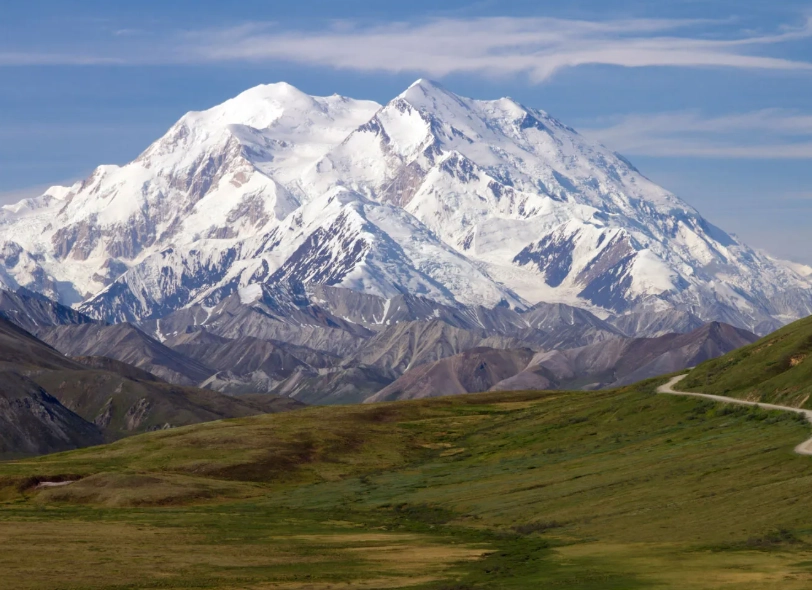
Acclimatization is Non-Negotiable. Do not try to outsmart the mountain. Follow the established rhythm of the West Buttress route religiously. If a storm adds extra days at Camp 2 (4,300m), consider it a gift—your body is getting more time to adapt. Rushing is the number one cause of failed expeditions I've witnessed.
Fuel and Hydrate Like It's Your Job. At altitude, you need to force yourself to eat and drink. Your stomach will rebel. Choose high-calorie, easy-to-eat foods. Drink a minimum of 3-4 liters of fluid daily. Dehydration dramatically worsens AMS symptoms and fatigue. I pack electrolyte tablets religiously.
Listen to Your Body, Not Your Ego. Headache, nausea, loss of coordination, a persistent cough—these are not signs of weakness to push through. They are red flags from your central nervous system. The only correct response is to stop ascending, and if symptoms worsen, descend. The National Park Service's rangers at 4,300m see this every season; turning around is always the right call.
Physical Fitness is Your Foundation. You can't acclimatize a body that isn't prepared. The best pre-Denali training involves heavy pack carries (40-50 kg) on steep, uphill terrain. You need leg strength, cardiovascular endurance, and core stability to move efficiently while conserving oxygen. Being fit won't prevent altitude sickness, but it gives you a much larger buffer.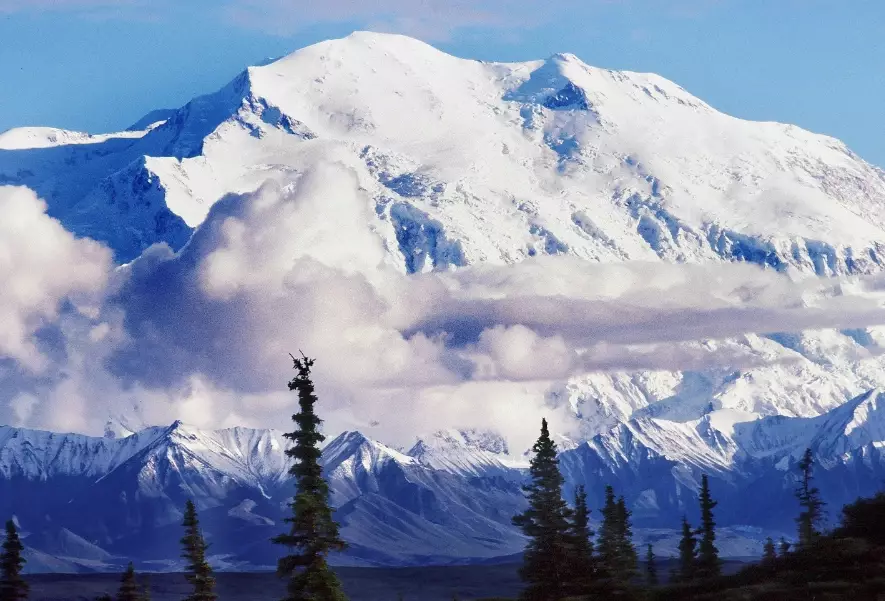
One last piece of advice from someone who's been there: respect the number 6,190. It represents a physical reality that doesn't care about your summit dreams. Prepare for it, listen to it, and you might just earn your place on top.
Your Denali Elevation Questions Answered
Related Articles
Comments
Join the discussion