Ask any skier or snowboarder about the holy grail of snow, and Colorado lands at the top of the list. It's not just marketing. There's a physical, meteorological reason why phrases like "Champagne Powder®" (a trademark of Steamboat Springs, actually) were born here. I've spent over a decade chasing storms from the San Juans to the Front Range, and I can tell you the hype is real—but it's also more nuanced than the brochures show. This isn't just about big numbers; it's about understanding the why and the how to plan a trip that actually gets you face-deep in it.
Your Powder Highway Map
Why is Colorado Snow So Good?
It boils down to geography and cold air. Storms rolling in from the Pacific Ocean dump most of their moisture on the western slopes. By the time these weather systems crest the Continental Divide and descend into the valleys east of the crest, the remaining moisture hits super-cold, dry air. This process, called orographic lift, wrings out light, low-moisture-content snowflakes.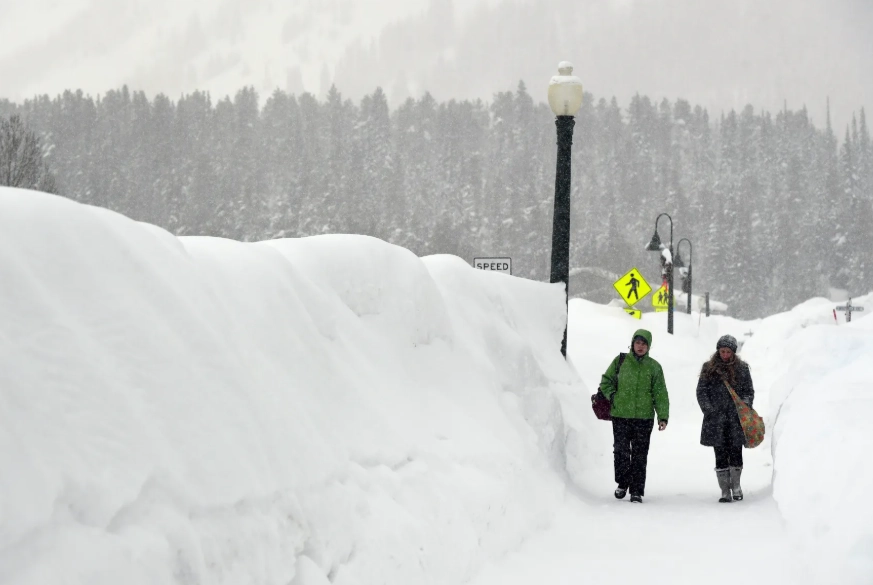
The result? That famous cold smoke. It's not wet and heavy like Sierra cement or East Coast powder. It's dry, often around 6-8% water content. This makes it incredibly fun to ski, easier to shovel, and it stacks up into a stable, deep base throughout the season.
I remember one January at Wolf Creek Pass. The forecast said 18 inches. What fell was so light it felt like skiing through a cloud. My tracks would fill in behind me almost instantly. That's the magic of the Colorado snow machine when it's firing on all cylinders.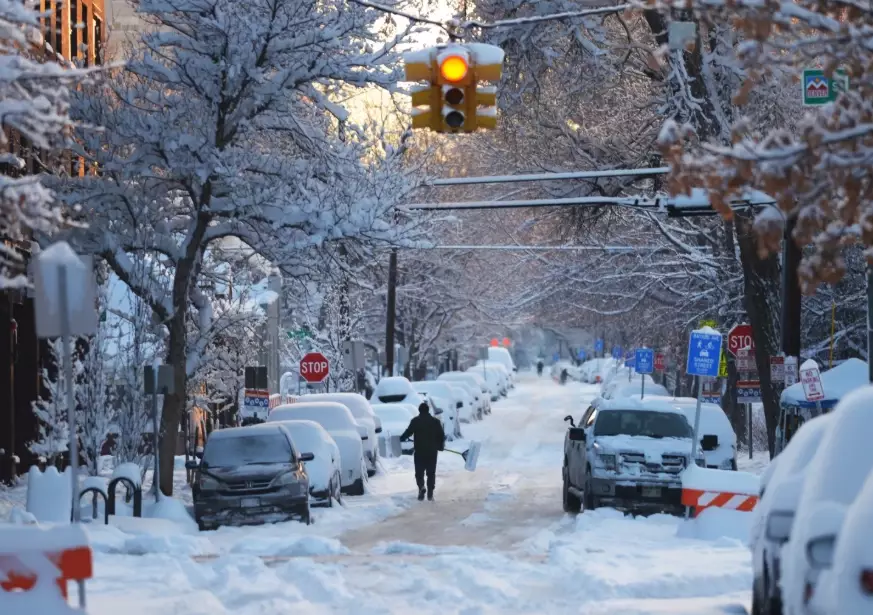
When is the Best Time to Ski in Colorado?
Everyone shouts "February!" It's true, February is historically the snowiest month. But it's also the most crowded and expensive. If you're flexible, you have more options.
Here’s a breakdown of what to expect month-by-month:
- November - Early December: The opening gamble. Resorts need a few good storms to get terrain open. Early season conditions can be rocky. I'd avoid booking a major trip here unless you're getting a killer deal and don't mind limited runs.
- Late December - January: The cold heart of winter. Snowpack builds, everything is open, and the holiday crowds dissipate after New Year's. January light can be flat (overcast), but the snow is reliable. This is a local's secret for good coverage without the February price tag.
- February - March: Peak snow depth and peak sun. This is the golden window. Days get longer, storms are frequent, and you get bluebird days after a dump. Yes, it's busy. But for a guaranteed deep-snow experience, this is it.
- April: The spring skiing secret. The base is deepest. Storms can still deliver foot-plus powder dumps, but they're interspersed with warm, corn-snow days. You'll need both powder skis and sunscreen.
Top 5 Colorado Ski Resorts for Deep Snow
Forget just the big names. Snowfall varies wildly across the state. The winners are often in specific storm tracks.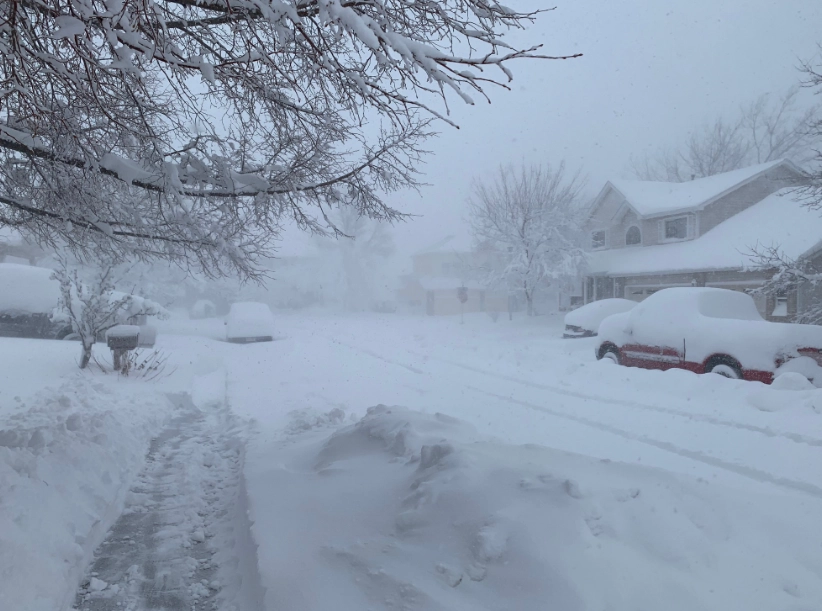
| Resort | Avg. Annual Snowfall | Key Strength | Best For |
|---|---|---|---|
| Wolf Creek | 430 inches | Consistently #1 in snowfall. Catches storms from the south and west. | Pure powder hounds, fewer crowds, affordable. |
| Steamboat | ~350 inches | "Champagne Powder" quality. Unique tree-skiing paradise. | Tree skiers, families, a classic Colorado vibe. |
| Vail / Beaver Creek | ~300 inches | Vast terrain holds snow well. Back Bowls stay powdery for days. | Variety, long runs, luxury amenities. |
| Telluride | ~300 inches | Epic, steep terrain. Snow feels deeper due to the dramatic landscape. | Expert skiers, stunning scenery, a remote feel. |
| Loveland & Arapahoe Basin | ~320 inches | High altitude (base ~10,800 ft) means early and late season snow. | Season pass holders, avoiding I-70 traffic, hardcore locals. |
A note on the I-70 corridor resorts (Keystone, Breckenridge, Copper, Winter Park): They get great snow (~300 inches), but they also get the most traffic—both on the roads and on the slopes. Your powder stash might get tracked out by 10:30 AM on a weekend. Midweek is non-negotiable for these spots.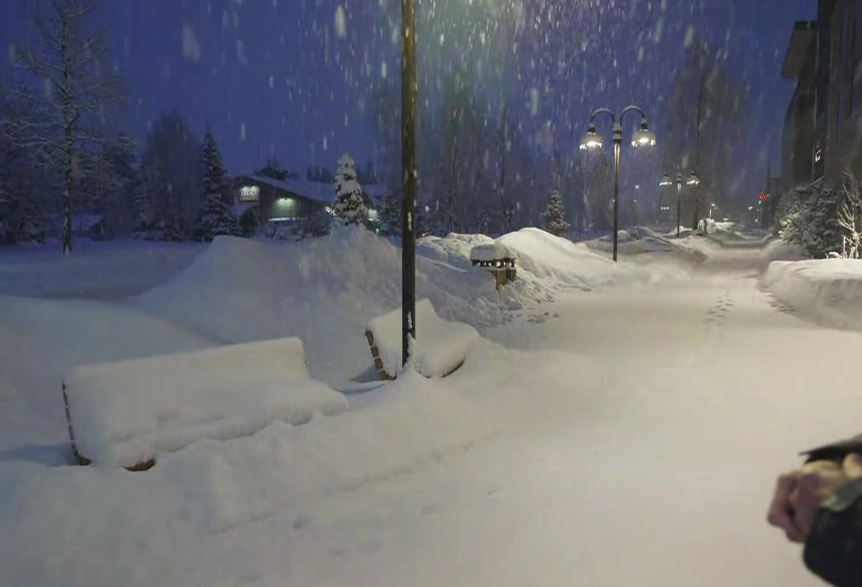
How to Prepare for a Colorado Ski Trip
Packing for Colorado isn't just about bringing a warm jacket. The altitude and dry climate change everything.
Gear You Can't Forget
Goggles with two lenses: A sunny day lens and a low-light lens for stormy/flat light days. This is the single most overlooked item. Squinting through a dark lens in a whiteout is miserable and unsafe.
Hydration system: A backpack with a water bladder. The dry air and exertion at altitude will dehydrate you faster than you think. Drinking enough water is the best defense against altitude sickness.
Skin protection: SPF 50+ sunscreen and high-SPF lip balm. The sun is intense, and the snow reflects nearly 100% of UV rays. You can get a nasty burn on a cloudy day.
The Layering System (For Real)
Merino wool or synthetic base layer. Not cotton. Fleece mid-layer. A waterproof, breathable shell (Gore-Tex or similar). You'll shed layers throughout the day. That puffy down jacket is great for the lodge, but you'll overheat skiing in it.
Checking Conditions
Don't just look at the resort's site. Bookmark The National Weather Service for detailed mountain forecasts and the Colorado Avalanche Information Center (CAIC) for backcountry safety. For road conditions, CDOT's website and app are essential, especially for I-70.
What are the Biggest Mistakes People Make with Colorado Snowfall?
After seeing thousands of visitors, patterns emerge.
Mistake 1: Ignoring the altitude. Flying into Denver (5,280 ft) and driving straight to a resort at 9,000+ ft can knock you out for a day. Headaches, nausea, fatigue. Plan a lighter first day, drink double the water you think you need, and consider spending a night in Denver or Idaho Springs to acclimatize.
Mistake 2: Chasing the biggest storm forecast blindly. A 24-inch forecast for the I-70 resorts often means a nightmare drive from Denver. Flights get canceled, rental cars aren't equipped, and the highways close for avalanche mitigation. If a mega-storm is coming, plan to already be in the mountains before it hits, or you might spend your powder day in an airport hotel.
Mistake 3: Over-relying on the "snow report" number. That 6-inch report might be at the summit. At the base, it could be rain. Or it could be wind-affected. Use the report as a guide, but talk to lifties and locals when you get there. They know which aspects got the wind load and which got scoured.
Mistake 4: Not booking lessons. Even advanced skiers. Colorado powder is different. It requires a more centered, balanced stance. A single half-day lesson can transform your experience from frustrating to euphoric. It's the best money you'll spend.
Answers to Your Snowy Questions
Is February always the best month to ski in Colorado?
February gets the hype, but it's not a guarantee. While historically deep, February can bring more crowds and higher prices. January often has comparable snow with fewer people. For a sweet spot of good snow and manageable crowds, target late January or even early March. The snowpack is usually well-established by then, and you might catch a late-season powder day.
What's the biggest mistake people make when packing for Colorado snow?
They pack for cold, but not for dry cold and sun. You'll need a moisture-wicking base layer more than a dozen thick sweaters. The real essentials are high-SPF lip balm and sunscreen, quality goggles with low-light lenses for flat light days, and a hydration system. The altitude and dry air dehydrate you fast, and the sun reflecting off the snow is intense even on cloudy days.
How accurate are the annual snowfall totals for Colorado resorts?
Take resort-reported totals with a grain of salt. They're often measured in specific, favorable locations. A better metric is the SNOTEL snowpack data from the USDA Natural Resources Conservation Service. It measures snow water equivalent (SWE), telling you how much water is in the snowpack. A resort might boast 300 inches, but if it's light, dry champagne powder, the SWE might be lower than a denser 250 inches elsewhere. SWE is what really feeds the rivers and indicates base stability.
Can I rely on a last-minute trip to chase a big Colorado snowstorm?
It's a high-risk, high-reward strategy. Major storms often lead to flight cancellations into Denver (DEN) and treacherous drives on I-70. Mountain roads like Loveland Pass or Monarch Pass can close for avalanche control. If you try this, have a flexible schedule, book refundable lodging, and be prepared to hunker down for a day or two after the storm while crews clear roads and lifts. Sometimes, the day *after* the storm is the real prize.
Related Articles



Comments
Join the discussion