You're planning a trip to Hawaii. You've got your swimsuit, reef-safe sunscreen, and visions of palm trees. Now let me tell you to pack your beanie, gloves, and a puffy jacket. Because on the Big Island of Hawaii, you can go from building sandcastles to building a snowman in under two hours. Welcome to the bizarre, beautiful reality of Mauna Kea snowfall.
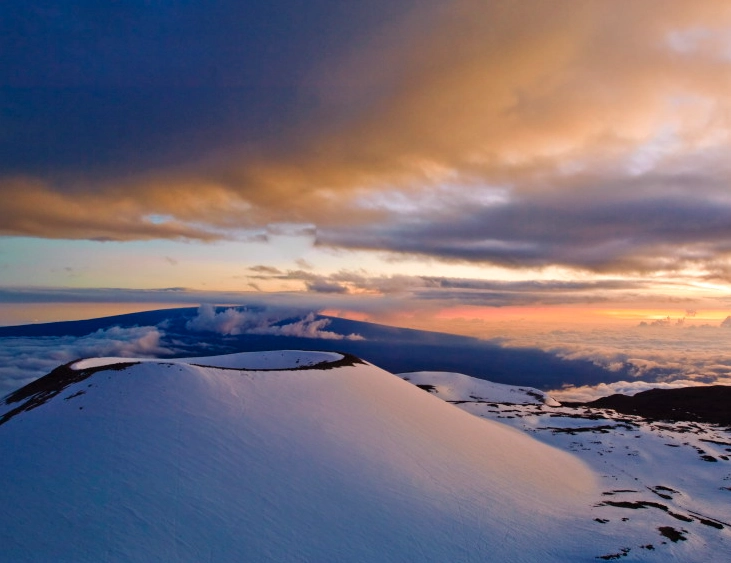
This isn't a fluke or a social media exaggeration. Mauna Kea, a dormant volcano, stands at 13,803 feet (4,207 meters). From November to March, winter storms sweeping across the Pacific routinely dust its summit with snow, sometimes dumping several feet. It creates a landscape so contradictory it feels like a glitch in the matrix—tropical rainforests far below, a Martian-like red dirt summit, and brilliant white snow all in one frame.
But here's the thing most blogs gloss over: experiencing Mauna Kea snow is less about a curated resort ski holiday and more about a rugged, high-altitude adventure that demands respect. I've seen too many people turn back at the visitor center, shivering in shorts, or worse, get hit with altitude sickness because they sprinted up the cinder cone for a photo. This guide is for the traveler who wants to do it right—safely, respectfully, and with a sense of awe for this unique place.
What's Inside This Guide?
When and How to See the Snow on Mauna Kea
Let's get specific. Snow season typically runs from late December through early April, with January and February being the most reliable months. But "reliable" in Hawaii is relative. You might get a massive storm that blankets the mountain for a week, or you might see a light dusting that vanishes by noon under the intense sun.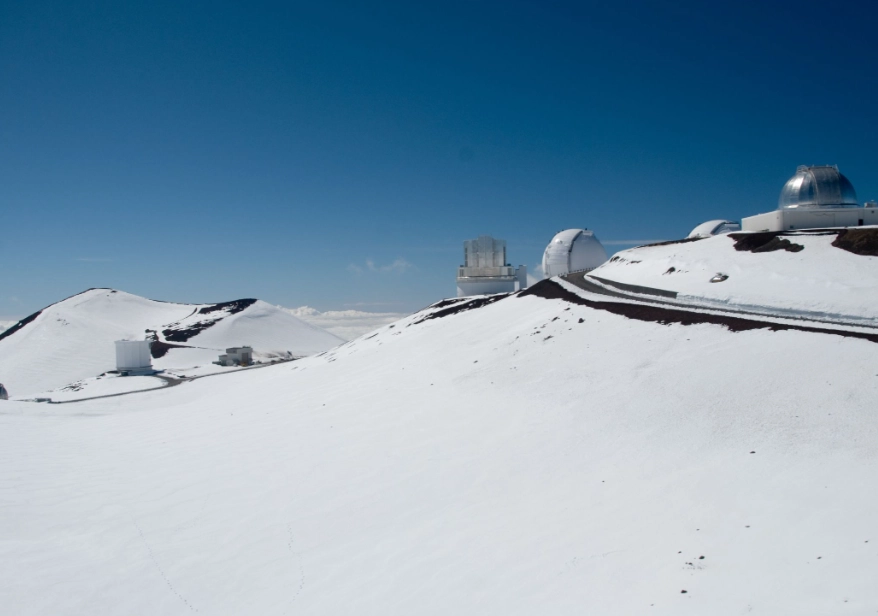
Your best bet for planning? Don't plan your entire trip around it. Instead, have a flexible day during your Big Island stay. Monitor the National Weather Service forecast for "Mauna Kea Summit" and check the webcams. The University of Hawaii's Institute for Astronomy maintains summit cams that are invaluable for a real-time snow check.
Pro Tip: The snow often lingers longest on the north-facing slopes, visible from the summit area near the astronomical observatories. Even if the lower slopes look bare from Hilo or Waimea, there might still be significant patches up top.
Getting there involves a famous road: the Mauna Kea Access Road. It branches off the Saddle Road (Daniel K. Inouye Highway). You'll first reach the Onizuka Center for International Astronomy (Visitor Center) at 9,200 feet. This is your mandatory acclimatization stop. Spend at least 30 minutes here. Drink water. Use the restroom. Let your body adjust.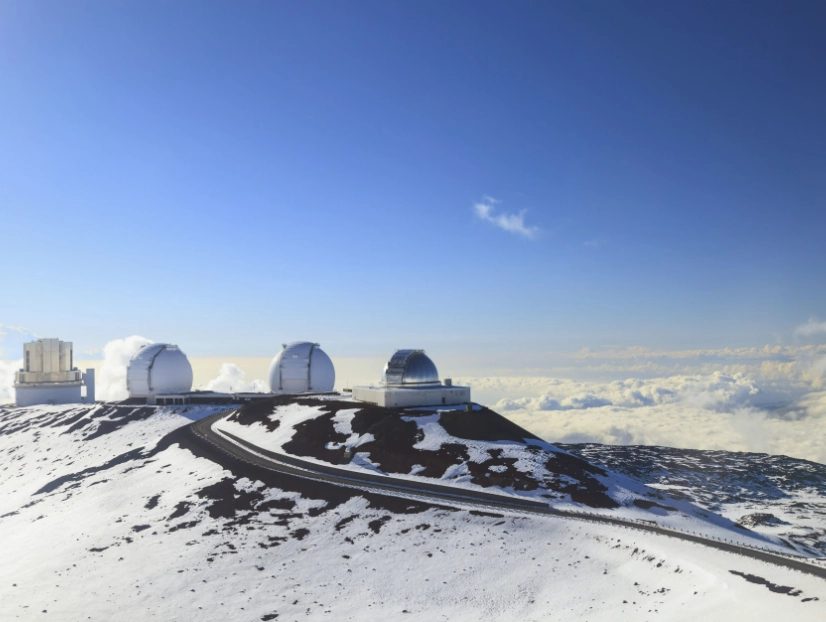
The 4WD Mandate and Summit Drive
The 8-mile stretch from the visitor center to the summit is steep (average grade over 15%), unpaved, and gravelly. The signs aren't kidding—you must have a true 4WD vehicle with low-range gearing. I'm talking Jeep Wranglers, 4Runner TRD Pros, Tacomas. Your standard SUV or AWD crossover is not sufficient and is prohibited for safety (and rental agreement) reasons. The descent is especially hard on brakes.
If you don't have the right vehicle or don't want the driving stress, book a commercial summit tour. Companies like Mauna Kea Summit Adventures handle transportation, parkas, and hot drinks. It's a fantastic option.
The Reality of Skiing and Snowboarding on Mauna Kea
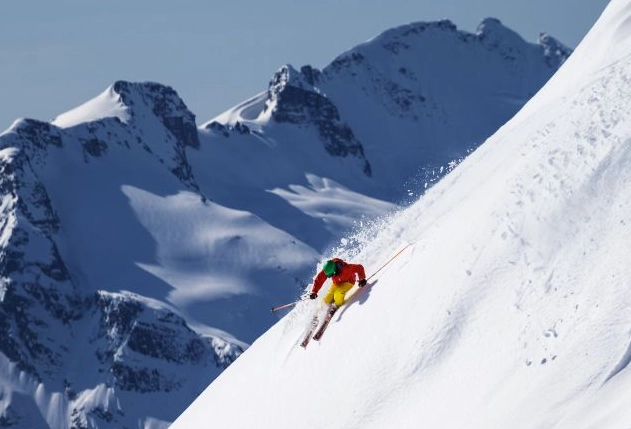
Yes, people ski here. No, it's not a resort. This is backcountry, alpine skiing in its purest—and most challenging—form.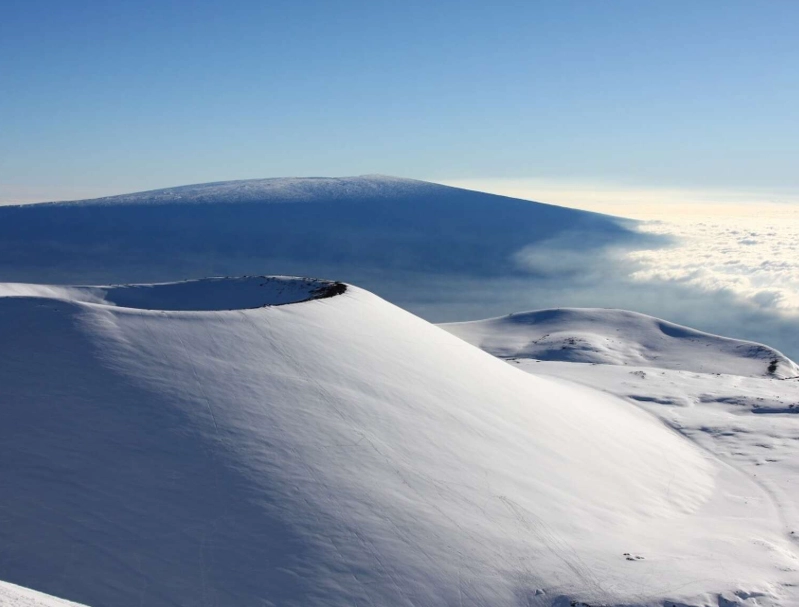
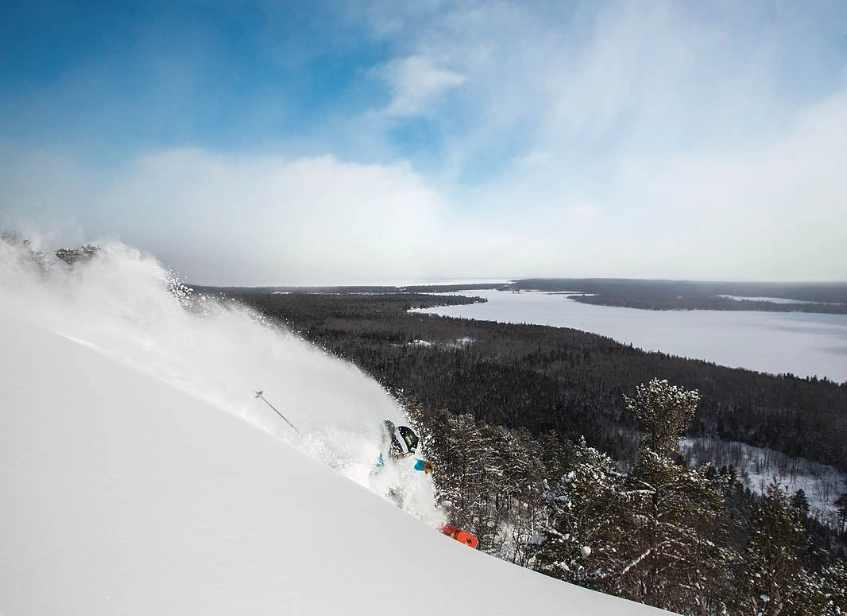
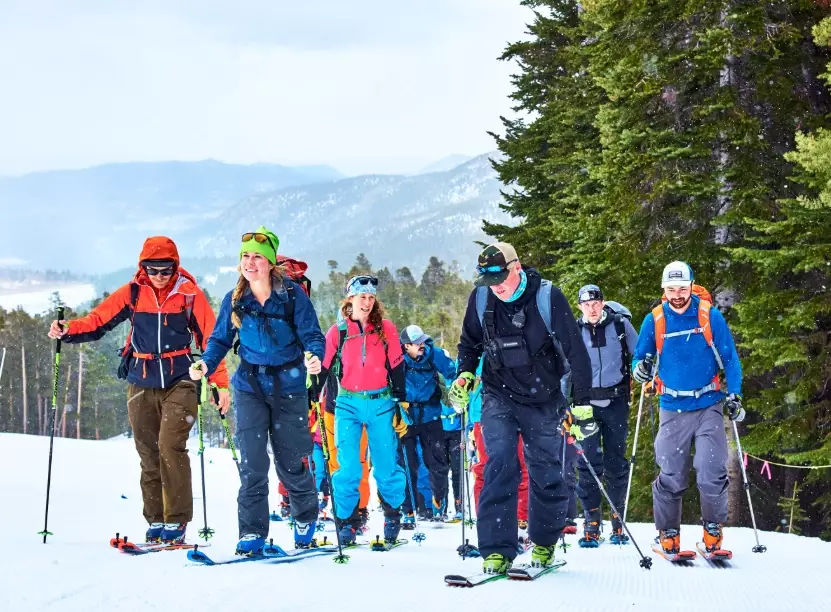
There are no lifts. No groomed runs. No ski patrol. You hike up with your gear on your back, you pick a line down the cinder cone or a snowfield, and you ski. The most popular zone is the Pu'u Hau Kea area near the summit. The snowpack is famously variable: one day it's boot-deep Pacific powder, the next it's wind-scoured sastrugi or sun-cupped mush.
Expert-Only Terrain: I cannot stress this enough. Mauna Kea skiing is for advanced to expert skiers and riders only. You need solid skills in variable, unmarked, off-piste conditions. You also need basic avalanche awareness (risk is generally lower than in the Rockies or Sierra, but not zero) and the fitness to hike at 13,000+ feet.
The local community is tight-knit and respectful of the mountain's cultural and environmental significance. If you're a qualified skier coming to partake, do your research on current conditions through local shops in Waimea or online forums. Pack out everything you bring in.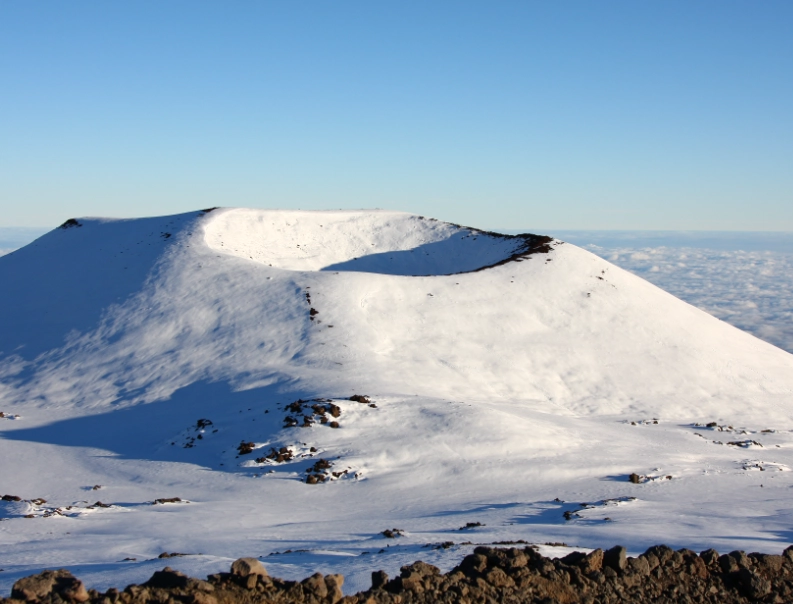
Non-Ski Snow Adventures & The Stargazing Combo
For 99% of visitors, skiing isn't the goal. Simply experiencing the snow is the magic.
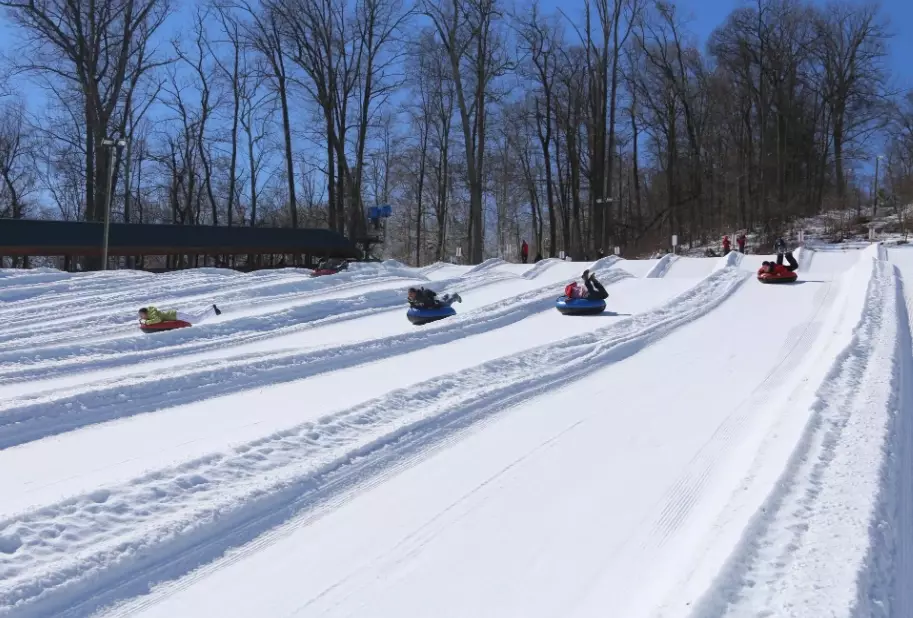
Once you're at the summit area (with a proper vehicle), you can find safe places to play. Build a tiny snowman. Have a snowball fight. Bring a cheap plastic sled or inflatable tube for some short, gentle slopes—just be extremely cautious of your surroundings and other people.
The absolute best way to structure your day? Make it a two-part adventure: Snow by day, stars by night.
Head up in the late afternoon to catch the snow in the golden hour light. The contrast of white snow against the rust-colored cinder and deep blue sky is unreal. Then, as the sun sets, descend back to the Maunakea Visitor Center. Do NOT try to stargaze from the freezing, windy summit.
The visitor center runs a phenomenal free Stargazing Program nightly. They set up powerful telescopes, and volunteers guide you through the cosmos. Seeing the rings of Saturn or the moons of Jupiter after playing in Hawaiian snow is an experience that will stick with you forever. Check their website for program times.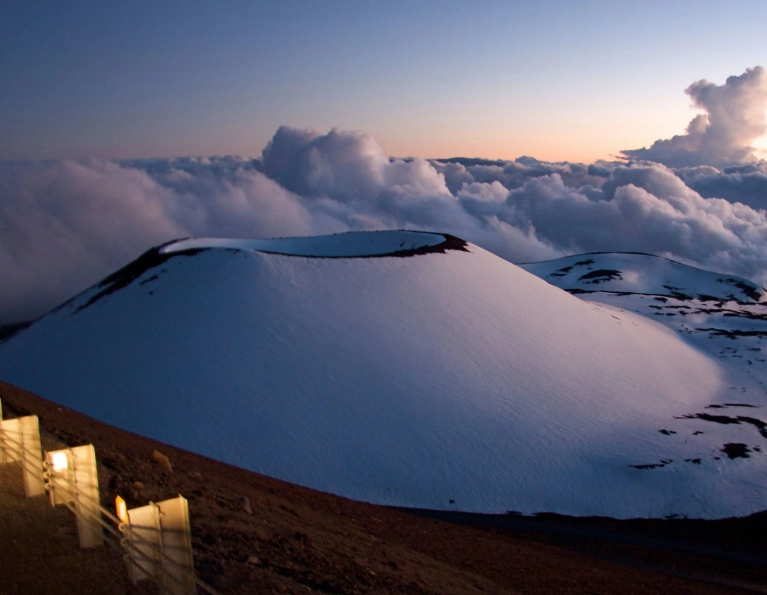
The Non-Negotiable Safety & Logistics
This is the most important section. Mauna Kea is not Disneyland. The altitude is a serious medical concern.
Acute Mountain Sickness (AMS) Prevention
Your sea-level body will rebel. Symptoms include headache, dizziness, nausea, and shortness of breath. To minimize risk:
- Acclimatize: Spend at least 30 mins at the 9,200-ft visitor center before going higher.
- Hydrate aggressively: Start the day before. Avoid alcohol for 24 hours before your ascent.
- Ascend slowly and descend if sick: If you feel unwell at the summit, the only cure is to go down. Don't try to "tough it out."
- Those with heart or respiratory conditions, or who are pregnant, should consult a doctor.
What to Pack: The Essential Mauna Kea Snow Kit
Forgetting this stuff ruins your day. I've loaned my spare gloves to shivering tourists more times than I can count.
- Warm Layers: A moisture-wicking base layer, a fleece or insulated mid-layer, and a windproof/waterproof outer shell jacket. No exceptions.
- Head, Hands, Feet: Beanie or warm hat. Gloves or mittens. Thick socks and sturdy, closed-toe shoes or boots (no sandals!).
- Sun Protection: High-altitude sun is fierce. Sunglasses (polarized are best for snow glare) and high-SPF sunscreen.
- Fuel: High-energy snacks and plenty of water (more than you think).
- Vehicle Prep: A full tank of gas. Check tire pressure and brakes before you go.
- For Skiers: All your own gear—skis/board, boots, poles, helmet, skins for hiking, avalanche safety gear (beacon, probe, shovel), and a repair kit.
Cultural Respect
Mauna Kea is a sacred summit in Native Hawaiian culture. Stay on established roads and paths. Do not disturb rock structures (ahu). Be mindful and respectful. The mountain is a privilege to visit, not a right.
Your Questions, Answered
Mauna Kea's snowfall is a reminder of nature's wonderful contradictions. It’s a challenging, awe-inspiring destination that rewards preparation and respect. Pack your winter gear alongside your swimsuit, check the forecasts, and go witness one of Hawaii's most incredible secrets for yourself.
Related Articles
Comments
Join the discussion