You've booked the flights, secured the campground, and dreamed of wildflowers and sun-drenched peaks. Then you check the forecast: a winter storm warning for Glacier National Park... in June. Your heart sinks. Is the trip ruined?
Not even close. A June snowstorm in Glacier isn't a disaster; it's an opportunity to see the park in its raw, dramatic transition. But it demands respect and a serious shift in mindset. I learned this the hard way years ago, shivering in a summer rain jacket at Logan Pass as wet snow soaked my jeans. I've since spent over a decade guiding and hiking here through every quirky weather window. This guide isn't about generic tips; it's the tactical knowledge you need to turn a potential trip-wrecker into your most memorable adventure.
What's Inside This Guide
Why June Snow Happens (It's Not That Weird)
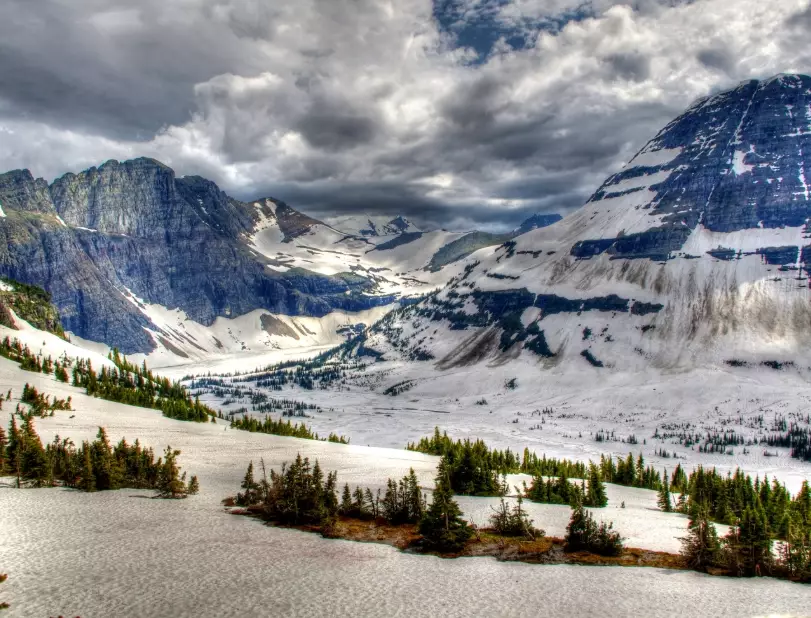
First, let's ditch the panic. Snow in Glacier's high country in June is normal, not an apocalyptic sign. The park straddles the Continental Divide, creating its own severe microclimate. Cold air masses from the Arctic can still sweep down, hitting the moist Pacific air pushed over the mountains. Boom – heavy, wet snow at 7,000 feet, even while it's raining in Apgar Village at 3,200 feet.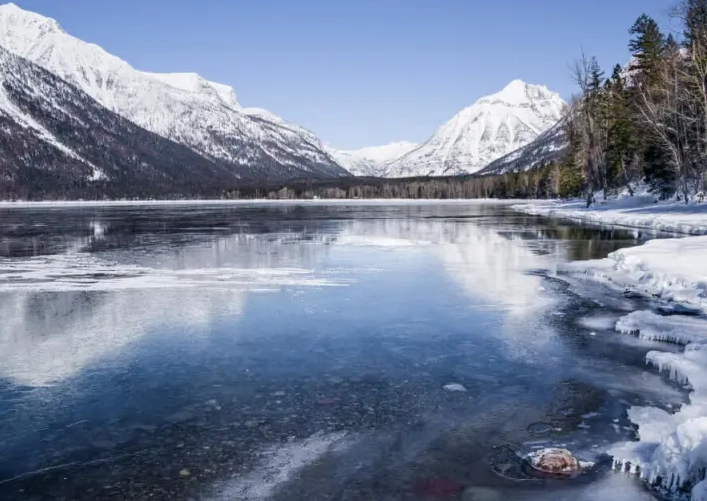
The real issue most visitors miss is snowpack. In a big snow year, the mountains hold immense amounts of snow well into summer. A warm June rain at lower elevations can mean a foot of new, heavy snow higher up. The National Park Service's own historical data shows that the median snow depth at the Flattop Mountain SNOTEL site (6,300 ft) on June 1st is around 30 inches. Some years it's much more.
So, you're not dealing with a delicate dusting. You're dealing with the tail end of a genuine mountain winter.
What a June Storm Actually Does to Your Trip
The storm's impact is immediate and logistical. Here’s what changes, practically speaking.
The Big One: Going-to-the-Sun Road. This iconic road is the park's lifeline, and its highest point, Logan Pass (6,646 ft), is the bullseye for snow. Plows work tirelessly, but during an active storm, the road will close from Avalanche Creek to Jackson Glacier Overlook, or even entirely. This can last hours or days. Always check the official NPS Road Status page before you drive anywhere.
Other concrete impacts:
- Trail Access: High-elevation trails are buried. Think Hidden Lake Overlook, the Highline Trail, Grinnell Glacier. Even if the trailhead is clear, you might hit impassable snowfields a mile in.
- Visitor Centers: Logan Pass Visitor Center typically opens in late June or early July, depending on snow removal. A storm delays this.
- Campgrounds: Higher campgrounds like Many Glacier (4,900 ft) may have snow on sites, while lower ones like Apgar (3,200 ft) are likely just wet. Come prepared for cold, damp nights.
- Wildlife: Animals are on the move. Bears may be at lower elevations than usual. Moose love the soggy willows. Keep your distance—animals are stressed in extreme weather too.
The Non-Negotiable Gear List for June
This is where most summer hikers fail spectacularly. You cannot pack for a June Glacier trip like you're going to a city park. Here’s the breakdown, from head to toe.
Clothing: The Layer System is Law
Base Layer: Merino wool or synthetic. Cotton is a death sentence here—it stays wet and sucks heat. I prefer a lightweight wool top and bottom for sleeping and emergency use.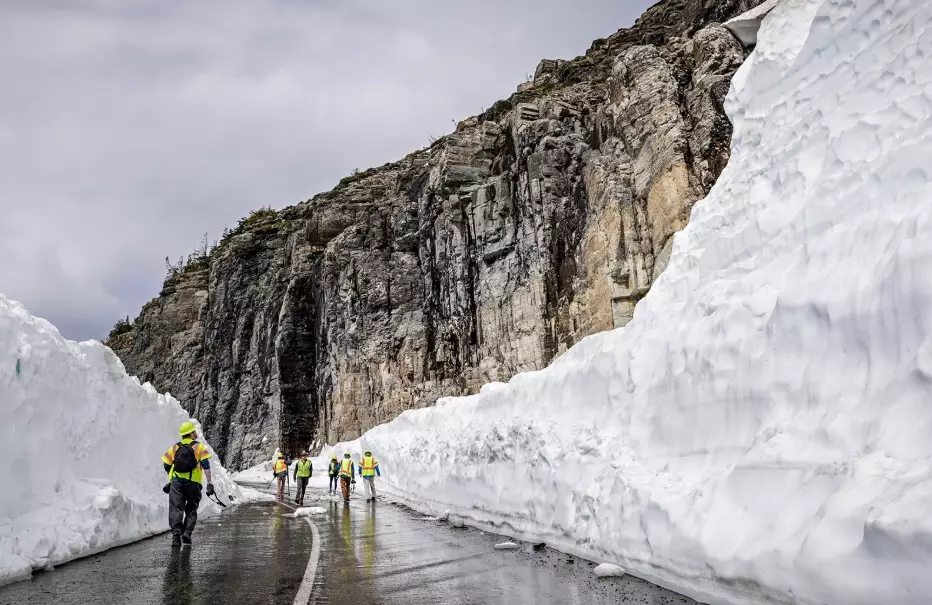
Mid Layer: A grid fleece jacket is perfect. It breathes, insulates even when damp, and isn't bulky.
Insulation Layer: A packable puffy jacket (down or synthetic). This lives in your pack until you stop moving. The moment you stop for lunch on a windy pass, you'll put this on.
Shell Layer: A waterproof, breathable, and windproof jacket with a hood. This is your most important item. Not water-resistant—waterproof. The storm-driven snow and rain here are relentless.
Legs: Quick-dry hiking pants. I also pack lightweight, waterproof rain pants. They're worth their weight when you're post-holing through slushy snow.
Footwear & Traction
Sturdy, waterproof hiking boots with aggressive tread. Trail runners won't cut it in cold, wet snow.
Now, the secret weapon: microspikes. Not full crampons, but lightweight traction devices that strap onto your boots. When you hit an icy, snow-covered section of trail on the way to Avalanche Lake (which happens), these prevent a slip and fall. They cost $50-70 and are the best insurance you can buy. Kahtoola MICROspikes are the gold standard.
Extras Most People Forget
- Warm Hat & Gloves: A wool or fleece beanie and insulated, waterproof gloves. Your summer cycling gloves are useless.
- Extra Socks: Multiple pairs of wool hiking socks. Change them at lunch if your feet are damp.
- Gaiters: Keep snow out of your boots on deeper trails.
- Trekking Poles: Essential for balance on snow and taking weight off your knees on descents.
Your Plan B: Hikes That Work in the Snow
If Logan Pass is closed and the high country is a whiteout, don't sit in your car. Pivot. These lower-elevation hikes often remain accessible and stunning in stormy weather.
| Trail Name | Trailhead Location | Elevation Gain | Why It's a Good Storm Option |
|---|---|---|---|
| Avalanche Lake | Avalanche Creek (Going-to-the-Sun Rd) | ~500 ft | Protected cedar forest for most of the hike, leads to a dramatic lake basin with waterfalls. May have snow at the very end. |
| Trail of the Cedars | Avalanche Creek (Going-to-the-Sun Rd) | Minimal | Fully accessible boardwalk loop through an ancient rainforest. Perfect for a short, immersive walk in any weather. |
| Johns Lake Loop | North Lake McDonald Road | ~200 ft | Easy loop through forest and past small lakes. Good for birding and seeing lush, wet foliage. |
| Apgar Village to Lake McDonald Lodge | Apgar Village | Flat | Paved bike path along Lake McDonald. Offers expansive, moody lake views with mountains shrouded in clouds. |
| Running Eagle Falls (Trick Falls) | Two Medicine Valley | ~50 ft | Short, paved path to a unique waterfall that flows from two outlets. Two Medicine is often quieter than other areas. |
The key is flexibility. Rangers at the Apgar or St. Mary Visitor Centers have the best current trail condition info. Ask them, "Where would you hike today?"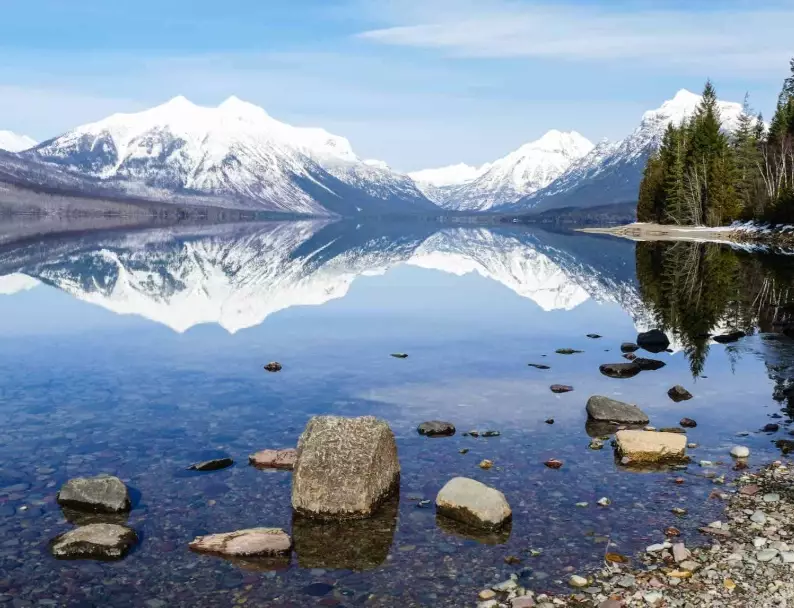
Safety and Navigation When the Trail Disappears
This is the critical, often unspoken danger. A blanket of fresh snow obscures the trail, cairns (rock piles), and drop-offs.
Rule #1: If you can't see the trail, turn around. This isn't a challenge to your orienteering skills. Summer trails cross steep snowfields that become slip-and-fall hazards. Cornices (overhanging snow) can break off. What looks like a meadow could be a snow-covered creek.
Carry a physical map and compass, and know how to use them. Your phone's GPS can fail in cold, wet conditions. Tell someone your plan and expected return time.
Hypothermia is a real risk in June. Wet + cold + wind is the recipe. Know the signs: uncontrollable shivering, slurred speech, clumsiness. Get the person dry, insulated, and seek help if needed.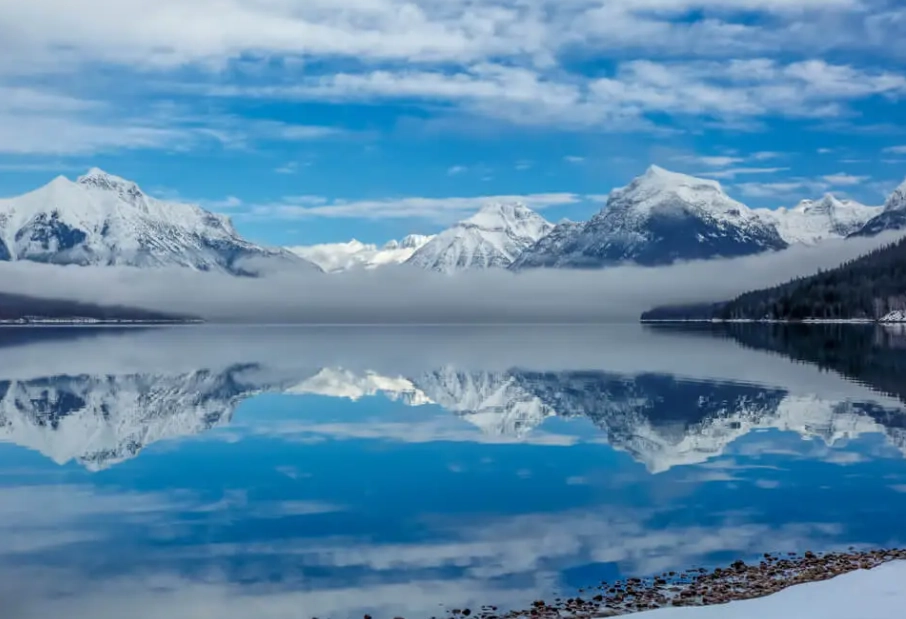
Your June Glacier Storm Questions Answered
Is it common to get snow in Glacier National Park in June?
What should I pack for a June trip to Glacier in case of snow?
Should I cancel my hike if there's a June winter storm forecast?
Which areas of Glacier National Park are most affected by June snow?
Embrace the chaos. A June storm in Glacier strips away the postcard perfection and shows you the park's powerful, untamed heart. With the right preparation and mindset, you'll earn stories far better than just another sunny hike. You'll see waterfalls raging with snowmelt, mist clinging to thousand-foot cliffs, and have the trails mostly to yourself. Just pack that rain jacket—and the microspikes.
Related Articles
Comments
Join the discussion