So you're looking up Mount Baker's elevation. It's not just a piece of trivia for your next trivia night. That number—10,781 feet—is the key that unlocks everything about this Pacific Northwest giant. It dictates how much snow piles up at the ski area, how your lungs will feel on a hike, and even the specific shade of blue in the glaciers. I've spent seasons skiing its slopes and guiding friends up its trails, and I can tell you that most people just see the big number and miss the crucial, practical details that live in the spaces between the base and the summit.
Let's talk about what this elevation really means for your trip.
What You'll Discover About Mount Baker's Elevation
The Summit Number & Why It's Misleading
Yes, the official summit elevation is 10,781 feet (3,286 meters). The United States Geological Survey (USGS) is the authority here. That's Grant Peak, the highest of several summit pinnacles on the volcano's massive ice cap.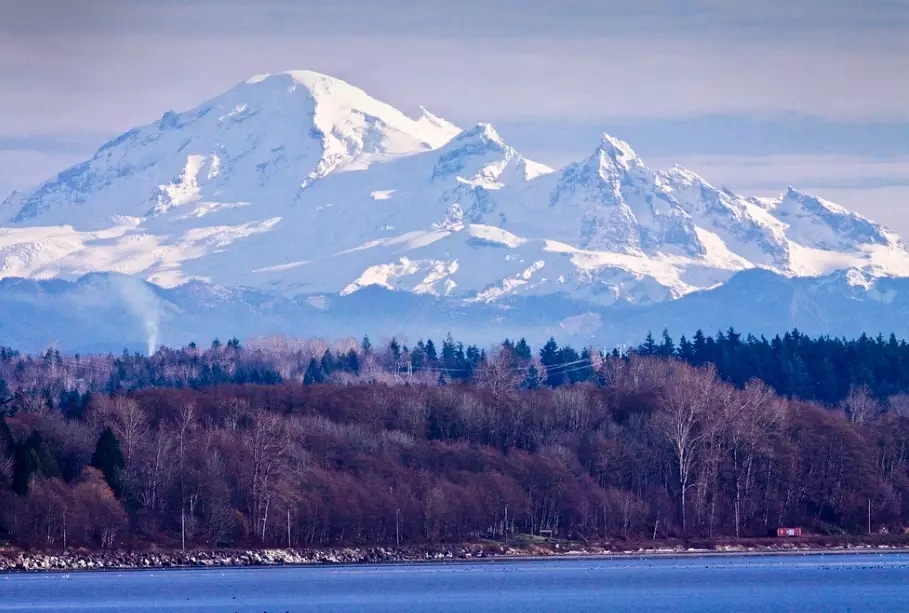
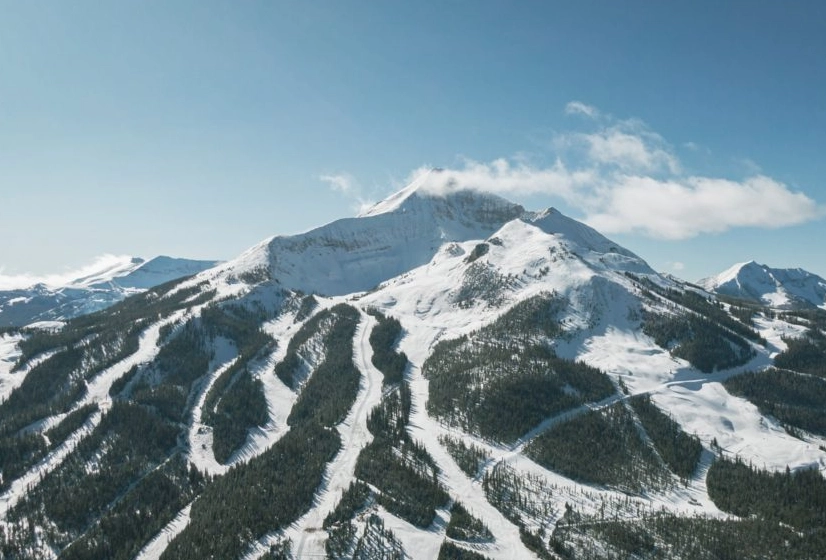
Here's the first thing most people get wrong: they picture a rocky peak. Mount Baker's summit is a vast, snowy dome. In winter, the snow and ice stack up, making the actual height you stand on potentially dozens of feet higher. In late summer after a hot year, it might be a bit lower. The bedrock is constant, but the frosting on top changes.
More importantly, almost no visitor just "stands on the summit." It's a serious, multi-day glacial climb requiring technical gear and skill. So while 10,781 ft is the headline, your experience is defined by the elevations below it.
Key Elevation Reference Points
To make sense of it all, here are the anchor points. Think of these as the "floors" of the Mount Baker experience.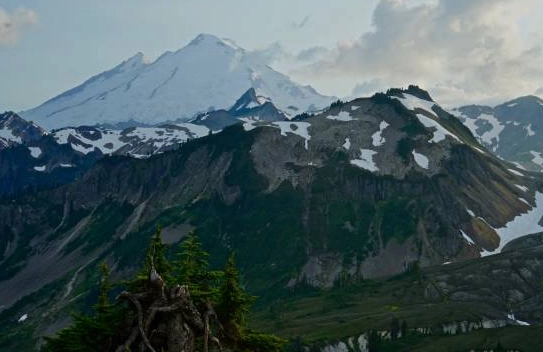
| Location | Elevation (Feet) | Elevation (Meters) | What It Means For You |
|---|---|---|---|
| Summit (Grant Peak) | 10,781 ft | 3,286 m | Technical climb destination; the ultimate benchmark. |
| Artist Point (Parking) | ~5,140 ft | 1,567 m | Highest paved road point. Epic views, accessible hikes. |
| Heather Meadows Base Lodge (Ski Area) | ~4,300 ft | 1,311 m | Primary ski base. Higher start = better snow preservation. |
| Glacier Public Service Center | ~950 ft | 290 m | Gateway town info center. Your starting point for the mountain. |
Elevation is Everything at the Mount Baker Ski Area
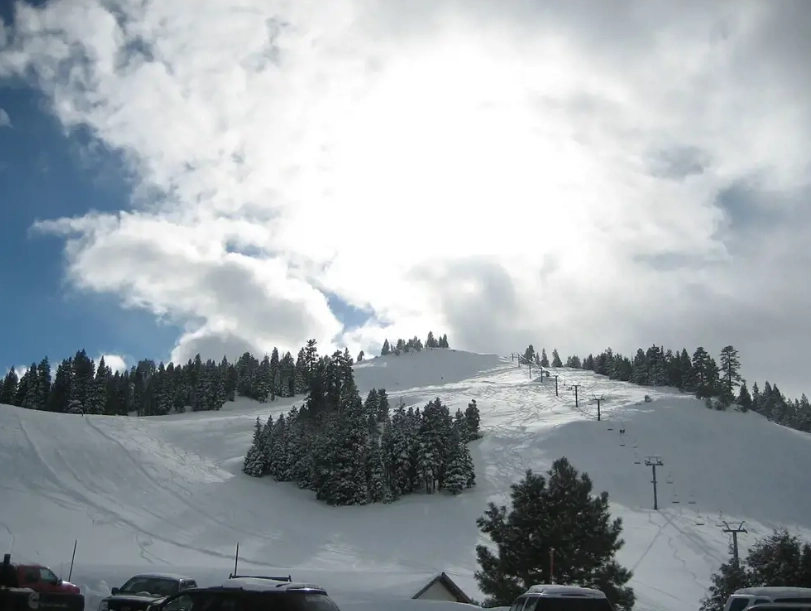
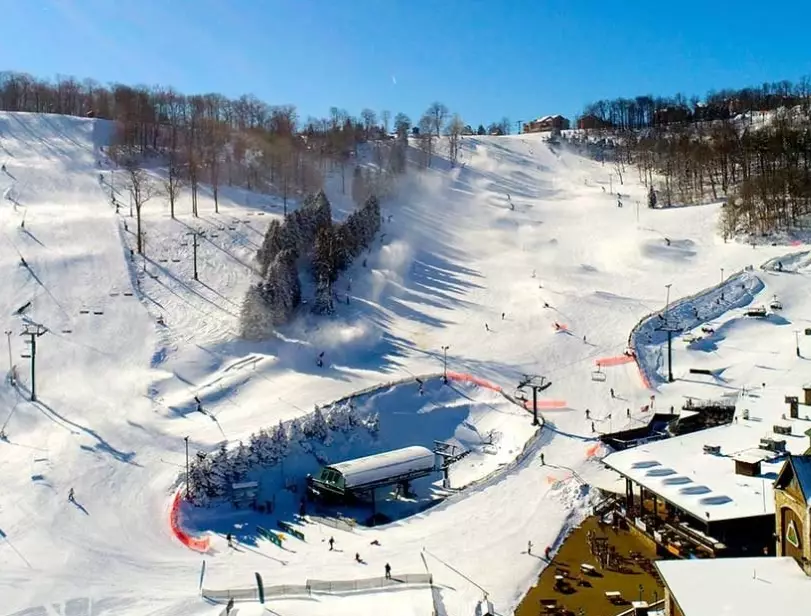
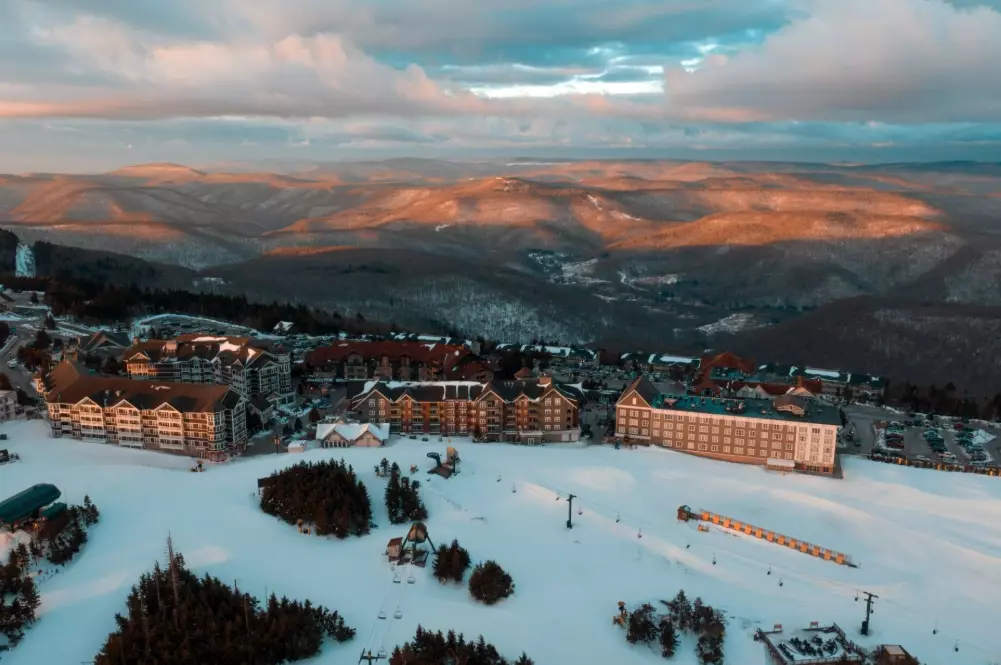
If you're a skier or snowboarder, Mount Baker's elevation profile is its superpower. The Mount Baker Ski Area operates between approximately 3,500 feet (White Salmon base) and just over 5,000 feet at the top of the Pan Dome and Chairs 5 & 6.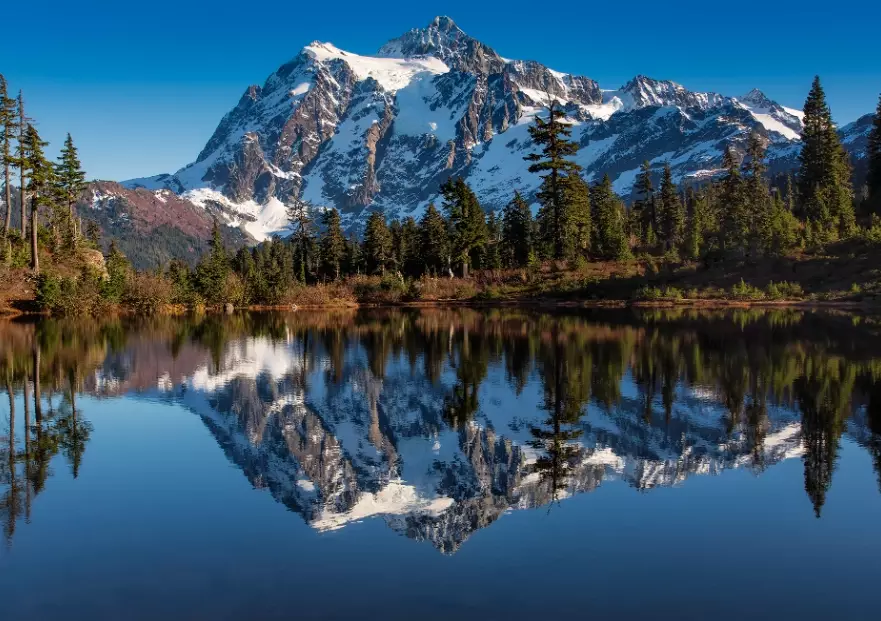
Let me put that in perspective. The base at Heather Meadows (4,300 ft) is higher than the summit of many small ski hills back east. This high base elevation is the single biggest reason Baker gets its legendary, often record-breaking snowfall. Storms rolling off the Pacific hit this massive, cold wall of a mountain and just dump. The snow is drier, the season starts earlier and ends later.
A specific, underrated detail? The vertical drop. From the top of Chair 8 (Pan Dome) down to the White Salmon base, you get about 1,500 feet of continuous fall line. It feels massive because it's steep, consistent, and often covered in deep powder. That feeling is a direct product of the elevation difference.
The Backcountry & Glacier Access
Step outside the ski area boundary, and the elevation game changes. The ski area lifts give you access to the fringes of the massive volcanic glaciers. To venture onto the Coleman or Roosevelt Glaciers, you're starting climbs that begin around 6,000 feet. This is where elevation stops being just about snow quality and starts being about safety, acclimatization, and serious gear.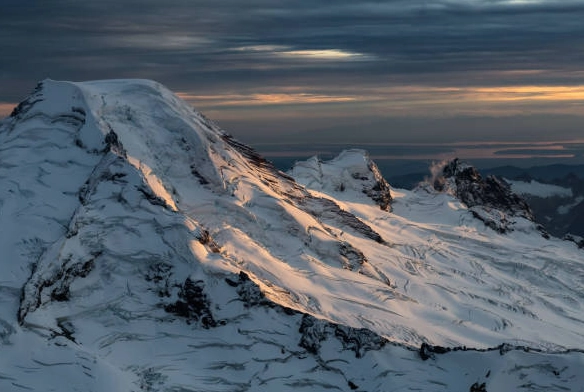
Planning a Hike? These Are the Elevations That Matter
Summer reveals a different mountain. Now you're thinking about trailheads and gain.
Popular hikes like the Chain Lakes Loop or Table Mountain start at the Artist Point lot (5,140 ft). The gain is modest—maybe 500 to 800 feet. But you're already starting in the alpine. The air is thin, the sun is intense. People get winded quickly because they don't respect the starting line.
More ambitious trails, like the approach to Park Butte Lookout or the Scott Paul Trail toward the Easton Glacier, have lower trailheads (around 3,200-3,500 ft) but involve much more significant gain to reach viewpoints over 5,000 or 6,000 feet.
My personal rule? Any hike that goes above 6,000 feet on Baker requires more planning. Water intake needs to double. Sun protection isn't optional—it's a medical necessity. And you need to be brutally honest about your fitness. A 2,000-foot gain starting at sea level feels different than the same gain starting at 4,000 feet.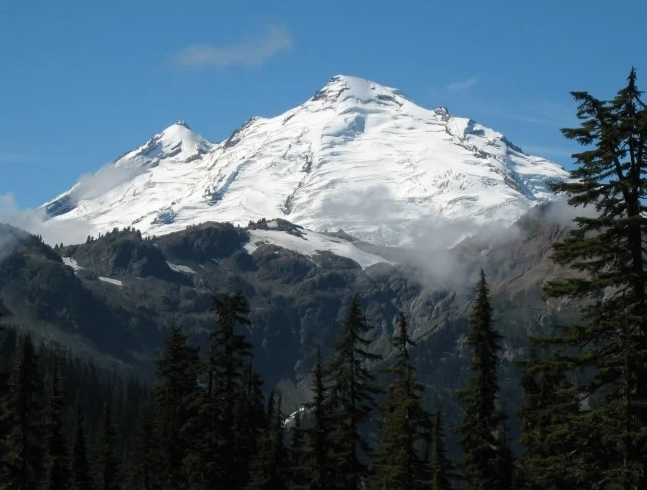
The Highest Points You Can Drive To (For Those Views)
Not everyone wants to hike or ski. For the sightseer, elevation is just a means to a view. And the view is spectacular.
The Mount Baker Highway (SR 542) is an engineering marvel that climbs from sea level in Bellingham to the alpine at Artist Point. The road is typically open from July through October, depending on snowpack. Check the Washington State Department of Transportation site for status.
Artist Point (5,140 ft) is the crown jewel. You drive right into a postcard, with Mount Shuksan's jagged peaks and Baker's snowy dome filling the windshield. There are vault toilets here, but no services. Bring water, food, and layers—it can be 30 degrees colder and twice as windy as in Glacier.
A lower but still stunning option is the Heather Meadows area near the ski area base (4,300 ft). The Picture Lake path is a flat, accessible walk with that iconic Shuksan reflection. It's perfect for families or anyone not ready for the thinner air higher up.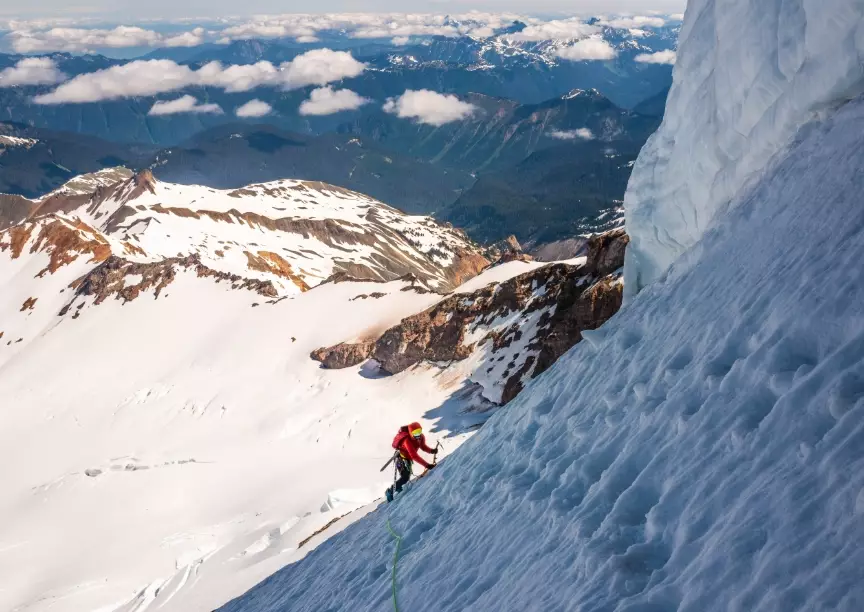
Altitude & You: The Real Talk Most Guides Skip
Let's be honest. 10,000 feet isn't the Himalayas, but altitude sickness can start as low as 8,000 feet, and the effects of thinner air are felt much sooner. On Baker, the combination of elevation, exertion, and often dehydration from thinking "it's not that hot" catches people off guard.
The biggest mistake I see? People drive from Seattle (sea level) to Artist Point (5,140 ft) in two hours, jump out of the car, and try to power up a steep trail. Their body has had zero time to adjust. Headache, nausea, and dizziness follow.
Here's the expert move: If you're planning an active day above 4,000 feet, spend a night in Glacier (950 ft) or at the very least, take a full hour at Heather Meadows (4,300 ft) to wander gently before pushing higher. Hydrate aggressively the day before and during. And listen to your body—a headache is your first warning sign. The only real cure is to go down.
Also, UV radiation. It increases roughly 4-5% for every 1,000 feet of elevation. At Artist Point, you're getting about 25% more UV intensity than at sea level. That "glacial glow" sunburn is real. Mineral sunscreen, lip balm with SPF, and a wide-brimmed hat are non-negotiable, even on cloudy days. The clouds here are thin.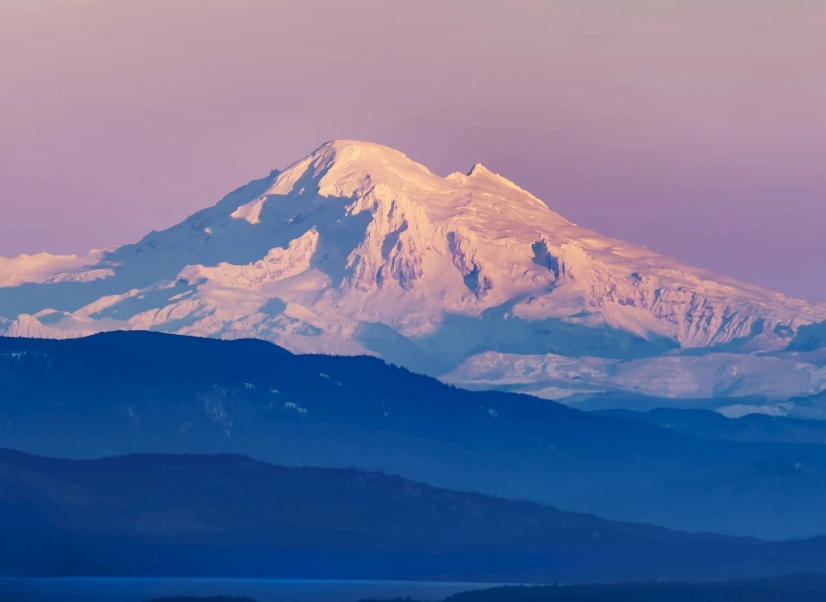
Related Articles
Comments
Join the discussion