Let's cut to the chase: Salt Lake City's elevation isn't just a number on a map—it's the secret sauce that makes this place a skier's paradise, and sometimes, a headache waiting to happen. Sitting at around 4,226 feet (1,288 meters), the city itself is high, but the real action starts when you drive up to the resorts, where peaks soar past 10,000 feet. I've been skiing here for over a decade, and I've seen newcomers blown away by the powder, only to be knocked out by altitude sickness the next day. This guide dives deep into what salt lake elevation really means for your trip, from snow conditions to health hacks, so you can ski smarter, not harder.
Here's What We're Covering
What Exactly is Salt Lake City's Elevation?
According to the U.S. Geological Survey, Salt Lake City's official elevation is 4,226 feet above sea level. That's higher than Denver (5,280 feet gets all the hype, but SLC is no slouch). But here's the kicker: most skiers aren't staying in the city—they're heading to the Wasatch Range, where base elevations start at 7,000 feet and top out over 11,000 feet. For example, Snowbird's base is at 8,100 feet, and its peak, Hidden Peak, hits 11,000 feet. This vertical gain is why the snow is so good, but it also means your body has to work overtime.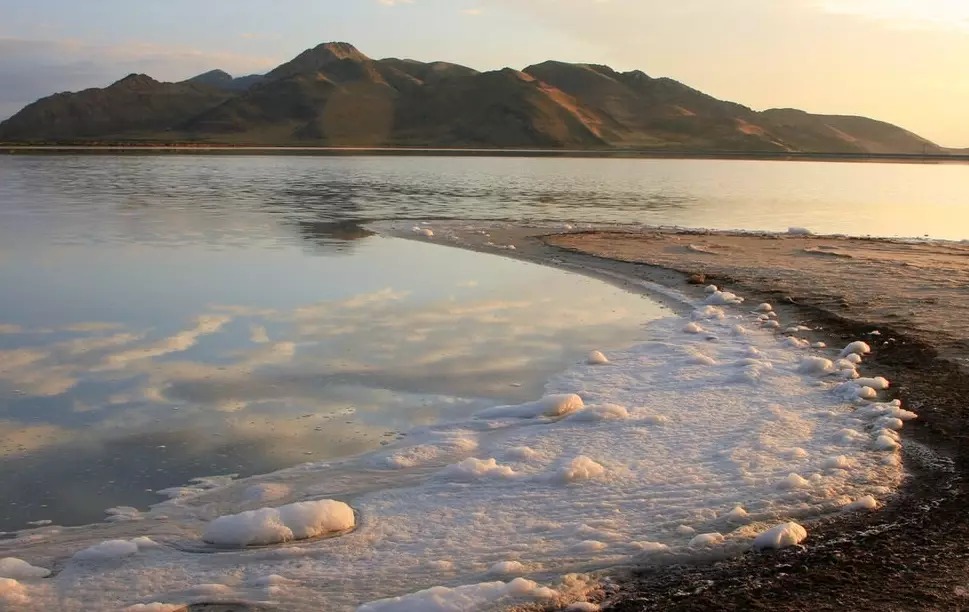
I remember my first trip here; I glanced at the numbers and thought, "It's just a bit higher, no big deal." Big mistake. By afternoon, I was gasping on a blue run, wondering why my legs felt like jelly. Elevation isn't linear; every thousand feet up reduces oxygen by about 3-4%. So at 10,000 feet, you're getting roughly 30% less oxygen than at sea level. That affects everything from your stamina to how quickly you recover.
How Elevation Changes Your Ski Experience
Snow Quality and Season Length
Higher elevation means colder air, which preserves that light, dry powder Utah is famous for. The snow doesn't get as wet or heavy, so you get those fluffy turns that feel like floating. Resorts like Alta and Brighton, with bases above 8,500 feet, often see seasons from November to May—sometimes even June. Compare that to lower spots like Sundance (around 6,000 feet base), where the season might end in April. But it's not all roses: high elevation can mean more extreme weather. Storms roll in fast, and whiteouts are common. I've had days where visibility dropped to zero, forcing us to call it early.
Health Considerations: Altitude Sickness
This is where most people slip up. Altitude sickness isn't just for mountaineers; it can hit skiers hard, especially if you're coming from sea level. Symptoms include headache, nausea, dizziness, and fatigue. I've seen folks blame it on a hangover, but it's the thin air. The trick is to ascend gradually. Spend a night in Salt Lake City before hitting the high resorts. Hydrate, but don't overdo it—drinking gallons without electrolytes can backfire. And skip the booze for the first day or two; alcohol dehydrates you and worsens symptoms.
Pro Tip from a Local: Many skiers pop aspirin at the first sign of a headache, but that masks the problem. Instead, try slowing down, eating a salty snack (like pretzels), and taking deep breaths. If symptoms persist, descend by at least 1,500 feet. It's better to miss a few runs than ruin your trip.
The Best Ski Resorts Near Salt Lake: A Height-Based Guide
Not all resorts are created equal when it comes to elevation. Here's a breakdown of the top spots, based on my experience and data from the Utah Ski & Snowboard Association. Prices are approximate for a single-day lift ticket in peak season.
| Resort Name | Address (Nearest Town) | Base Elevation | Peak Elevation | Key Features | Approx. Price |
|---|---|---|---|---|---|
| Alta Ski Area | Little Cottonwood Canyon, Alta, UT | 8,530 ft | 11,068 ft | Legendary powder, skiers-only, challenging terrain | $135 |
| Snowbird | Little Cottonwood Canyon, Snowbird, UT | 8,100 ft | Steep runs, tram access, long season | $145 | |
| Park City Mountain | Park City, UT | 6,900 ft | Vast terrain, family-friendly, village amenities | $165 | |
| Deer Valley Resort | Park City, UT | 6,570 ft | Upscale, groomed runs, limited skier traffic | $180 | |
| Brighton Resort | Big Cottonwood Canyon, Brighton, UT | 8,760 ft | Affordable, night skiing, great for intermediates | $110 | |
| Sundance Mountain Resort | Provo Canyon, Sundance, UT | 6,100 ft | Scenic, less crowded, shorter runs | $95 |
My personal take? Alta and Snowbird are unbeatable for powder hounds, but they're tough on beginners due to the steep terrain and high altitude. Park City is more forgiving, but it can feel like a zoo on weekends—I've waited 20 minutes for a lift there. Brighton offers a sweet spot: high enough for good snow, but less pretentious and easier on the wallet.
Adapting to the Altitude: Tips from a Local Skier
Here's where I share the stuff you won't find in most guides. After years of trial and error, I've nailed down a routine that works.
- Arrive Early: Fly into Salt Lake City at least a day before skiing. Walk around downtown, hydrate, and get a good night's sleep. Your body needs time to adjust to the 4,226-foot base before you jump higher.
- Fuel Smart: Eat light meals rich in carbs and electrolytes. Avoid heavy, greasy foods that tax your digestion. I pack energy bars with sodium—they're lifesavers on the mountain.
- Pace Yourself: On day one, stick to easier runs and take frequent breaks. I've seen too many skiers go all-out and crash by lunch. Listen to your body; if you're breathing heavy, slow down.
- Sleep High? Some experts suggest "sleep high, ski low" to acclimate, but that's tricky here. If you're staying at a resort lodge above 8,000 feet, expect restless sleep initially. Consider spending the first night in the city if you're sensitive.
A friend of mine ignored this advice last season. He drove straight from the airport to Snowbird, skied hard, and ended up in the clinic with altitude sickness. Don't be that guy.
Debunking Common High-Altitude Skiing Myths
Let's clear up some misconceptions I hear all the time.
Myth 1: Higher elevation always means better snow. Not true. While it's often drier, extreme cold at high peaks can make snow icy or wind-packed. I've had days at Alta where the powder was perfect, but at the summit, it was like skiing on concrete.
Myth 2: Drinking extra water prevents altitude sickness. Hydration helps, but overhydration can flush out electrolytes, leading to hyponatremia. Balance water with electrolyte drinks or salty snacks.
Myth 3: If you're fit, you won't get altitude sickness. Fitness doesn't guarantee immunity. I'm in decent shape, and I've still felt the effects. It's more about how your body adapts to lower oxygen.
Myth 4: Altitude sickness only happens above 10,000 feet. Nope. Symptoms can start as low as 6,000 feet, especially if you ascend quickly. I've seen skiers feel it at Park City's base.
Your Salt Lake Elevation Questions Answered
Salt Lake elevation isn't something to fear—it's what makes this place special. With a bit of planning, you can enjoy the best skiing of your life without the downsides. Pack layers, listen to your body, and don't forget to look up from the slopes every once in a while. The views from 10,000 feet are worth it.
Related Articles
Comments
Join the discussion