Ask any serious skier about the hardest ski run in Jackson Hole, and you'll get one answer 99% of the time: Corbet's Couloir. It's iconic. It's terrifying. It's the one everyone films. But here's the thing – labeling it the "hardest" is both absolutely correct and a massive oversimplification. The difficulty isn't just in the famous 10-20 foot mandatory air at the entrance; it's in the variables that change by the hour: the snow, the light, your nerve, and what lies below the lip.
I've stared down that entrance more times than I care to admit, watching people psych themselves out. I've also skied plenty of other lines at Jackson Hole Mountain Resort that made me question my life choices just as much, if not more, depending on the day. So let's dig into what truly makes a run "hard" here, and give you the complete picture, not just the postcard.
Quick Navigation: What You'll Find Here
Corbet's Couloir: More Than Just the Drop
Named after legendary ski instructor Barry Corbet, this isn't a run you casually find. You take the tram to the top of Rendezvous Mountain (4,139 feet vertical, by the way – check the official mountain stats), and hike a short ridge to the right. Then you peer over.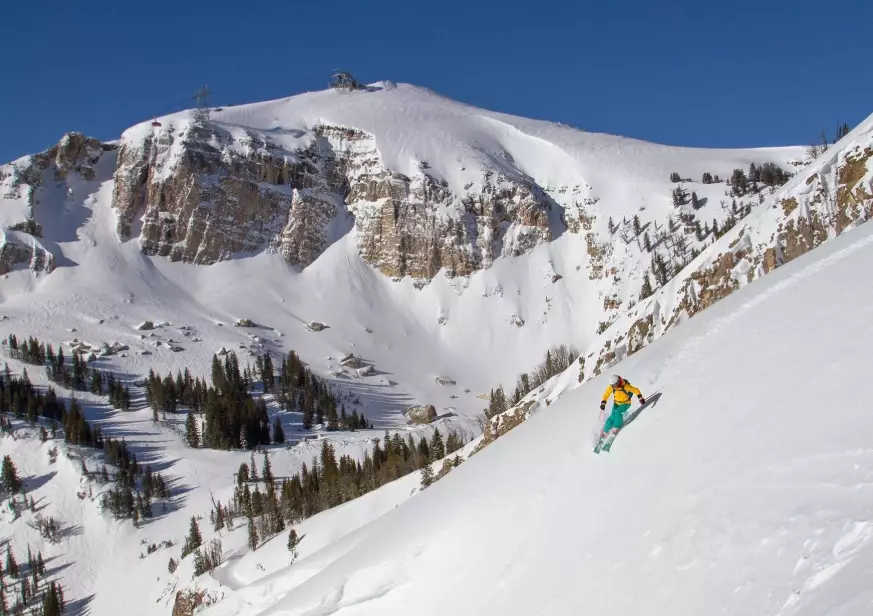
The entrance is a mental game. The couloir itself is narrow, with rock walls on both sides. The initial drop is the headline act, but the pitch remains steep (often hitting 50+ degrees) for the first 100 feet or so before it gradually opens up. The real challenge, the one most online guides gloss over, is the commitment. Once you're in the air, there's no bailing. Your landing zone is small, and the snow conditions there are everything.
Is it always the hardest? No. On a deep powder day with a soft landing, it becomes a challenging but skiable dream. On a icy, scraped-off day after a thaw-freeze cycle, it's a bone-breaking nightmare. That's the nuance most people miss.
Jackson Hole's Other Expert Terrain: The Real Contenders
If you're hunting for the hardest ski run in Jackson Hole, you can't stop at Corbet's. The entire mountain is a playground for experts. The "hardness" is situational. Here’s a breakdown of other zones that compete for the title on any given day.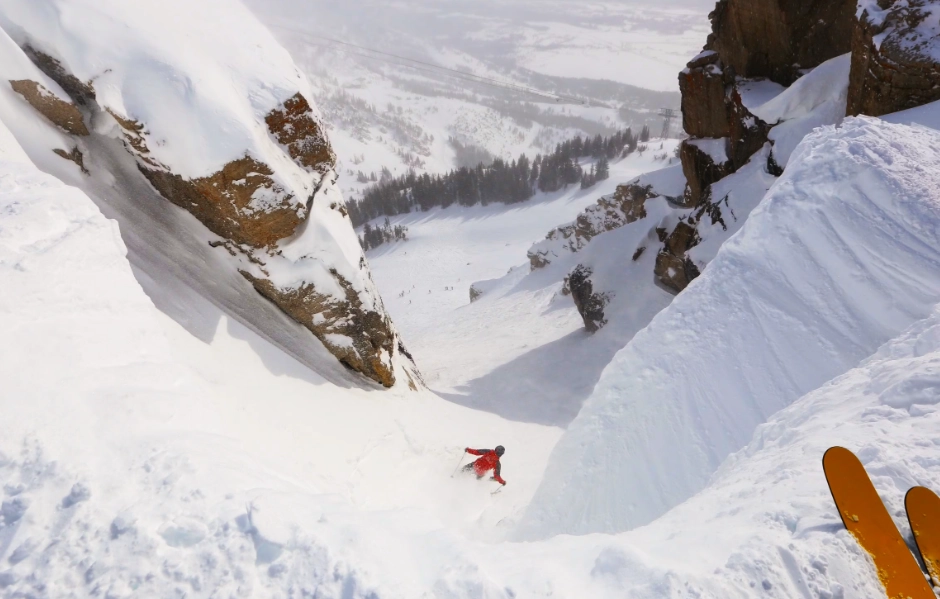
| Area / Run Name | Why It's Challenging | The "It Depends" Factor |
|---|---|---|
| The Tensleep Bowl & Four Shadows (off the Sublette Chair) | Extremely steep, sustained pitches (45-50 degrees) with mandatory cliff drops or narrow chokes. Less trafficked, so snow can be variable and unpredictable. | After a storm, it's sublime steep powder. Later in the day or season, it can become a minefield of exposed rocks and ice. |
| No Name Chute & Paintbrush Chute (Corbet's neighbors) | Similar commitment to Corbet's but often narrower and with more technical rock features to navigate immediately after the drop. | These are often ignored by the crowds lining up for Corbet's. They can hold better snow but require more precise line choice. |
| The Hobacks (South and Middle) | Not steep, but a different kind of hard. Vast, treeless, low-angle bowls that are a 2,500+ vertical foot leg-burning marathon. In heavy, wet spring snow, it's pure endurance hell. | In light powder, it's effortless cruising. In chopped-up crud or cement, it's the most exhausting run on the mountain. |
| Alta Chutes 1-3 (off the Thunder Chair) | Very steep, tight tree skiing with little room for error. You're navigating tight spaces between trees on a 40+ degree slope. | Tree spacing and snow coverage are critical. A little less snow means more obstacles. Requires quick, short turns. |
My personal nemesis? Four Shadows. I've had days there where the snow was so perfect it felt easy, and other days where a thin crust over deep powder created a unpredictable slab that made every turn a heart-in-throat moment. That variability is what defines "hard" at Jackson Hole.
How to Know If You're Ready for Jackson Hole's Hardest Terrain
This is where most skiers get it wrong. They look at a trail map, see a double black diamond, and think, "I've skied those elsewhere." Jackson Hole's rating system is its own beast. A double black here is often equivalent to a triple black elsewhere.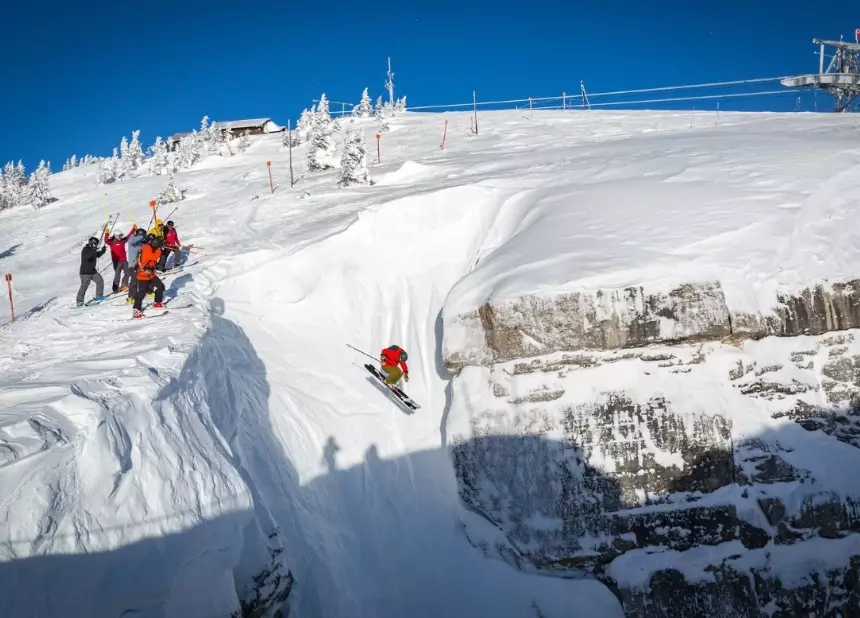
Here’s a non-negotiable checklist. If you can't confidently check all these boxes, stick to the single black diamonds and work your way up.
- You can link parallel short-radius turns on sustained, steep (35+ degree) black diamond groomers without traversing or side-slipping. Think of runs like Amphitheater or Gros Ventre off the Sublette Chair.
- You can handle variable snow conditions instinctively – crud, chopped powder, wind slab, even the occasional patch of ice – without panicking or losing form.
- You have experience in tight spaces, whether in trees or a narrow chute, and can make quick direction changes without hesitation.
- Your fitness level is high. This is big mountain skiing. You need legs that won't turn to jelly after 10,000 vertical feet of demanding terrain.
- You understand avalanche safety basics for sidecountry gates, even if you're staying in-bounds. Awareness is key. The resort's snow safety team does incredible work, but knowledge is power.
The biggest mistake I see? Skiers with great technical skills on groomers who freeze the moment the snow gets three-dimensional. If you haven't spent time in ungroomed, steep terrain, Jackson Hole is not the place to learn.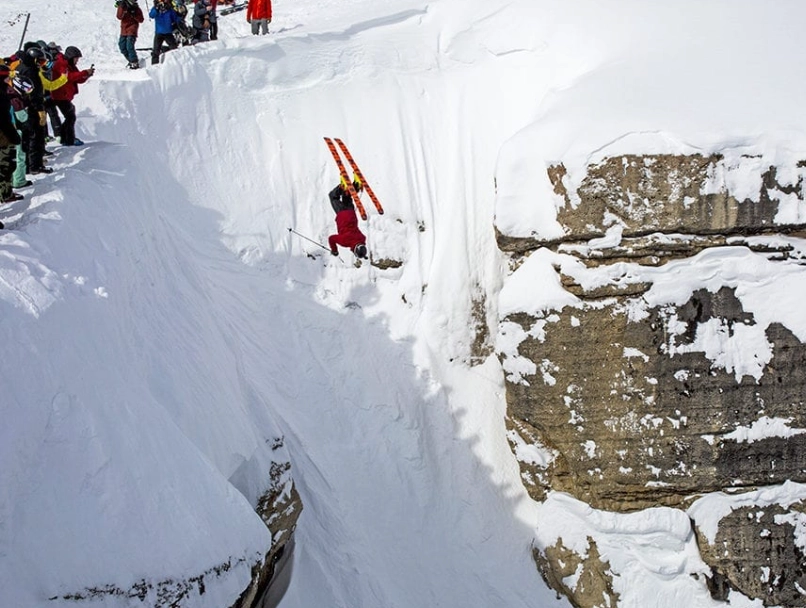
A Tactical Guide to Conquering Steep Couloirs and Chutes
Let's say you've checked the boxes. You're staring down the entrance. Now what? Forget the heroic leap. It's about a method.
1. The Scout and The Mental Run
Don't just look from the top. Use your tram or chairlift ride to study the line from multiple angles. Identify your entry point, your first three turn spots, and any obvious hazards. Visualize yourself making each move. This "mental run" is what separates the prepared from the panicked.
2. The Entry: Hop vs. Jump
For couloirs like Corbet's, you rarely need a huge "jump." Most days, a confident, controlled hop is sufficient. The goal is to get your skis down and into the fall line as quickly as possible, not to get big air. Leaning back in the air is a surefire way to land on your tails and lose control.
3. The First Three Turns
This is the most critical phase. Your first turn sets the rhythm. Plan it before you drop. You want to initiate a turn almost as soon as you land to control speed and establish a line. The snow here is often the most impacted, so be ready for it to be firm or choppy.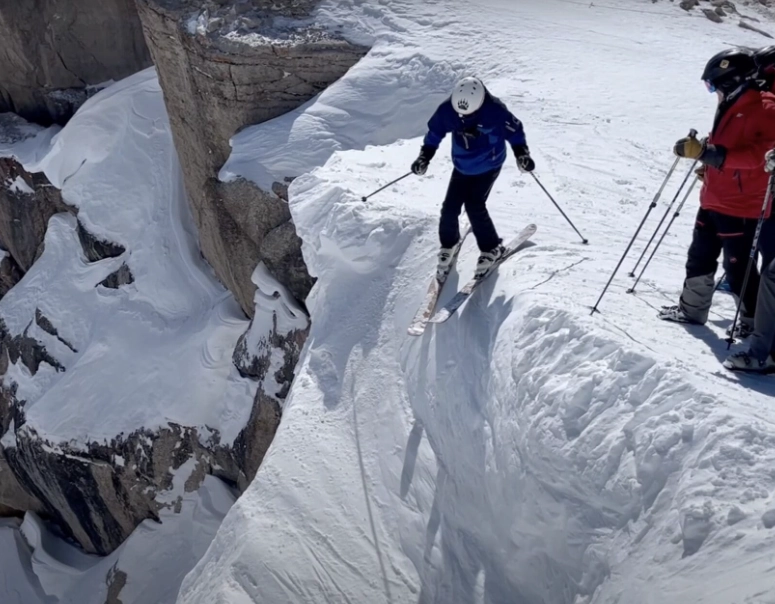
4. The Runout and Exit Strategy
Know where you're going to stop. Is there a safe zone to the side? Is the runout clear? Never bomb blindly through the bottom of a chute; there could be traversing skiers or a cat track you didn't see.
And my most controversial piece of advice: It's okay to side-slip the first 20 feet if you land and instantly know something's wrong. It's not stylish, but it's safer than forcing a turn you're not committed to. I'd rather see a controlled slip than a catastrophic crash.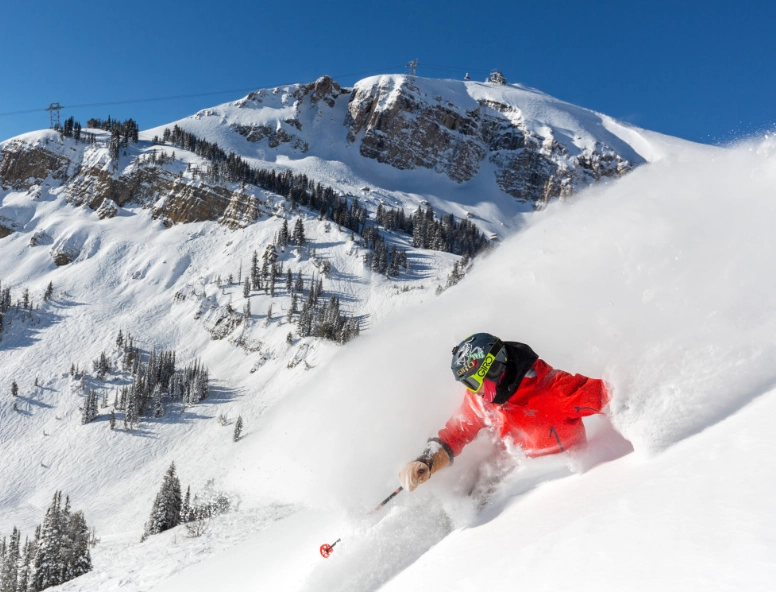
FAQ: The Questions You're Actually Searching For
So, what is the hardest ski run in Jackson Hole? The answer is still Corbet's Couloir, but now you know why that answer comes with a mountain of context. It's a symbol for a mountain that doesn't compromise. Your mission isn't just to survive one famous chute, but to understand and respect the entire ecosystem of expert terrain that makes this place legendary. Study the mountain, be brutally honest about your skills, and you might just find yourself not just skiing a legend, but understanding what it truly means to ride in the big leagues.
Related Articles

Comments
Join the discussion