Quick Guide
- The Core Rental Package: What You're Definitely Getting
- Beyond the Basics: The Extended Rental Menu
- The Technical & Niche Stuff You Might Not Have Considered
- What About Kids? Family Rental Solutions
- The Flip Side: What You Usually CAN'T (or Shouldn't) Rent
- Rental vs. Buying: A Quick Reality Check
- How to Rent Like a Pro: Tips for a Great Experience
- The Final Run: Making Your Decision
So you've booked your ski trip. The excitement is real. Then it hits you – the gear. Do you need to buy thousands of dollars worth of equipment? The short answer is a resounding no. For most people, especially beginners, occasional skiers, or those traveling by air, renting ski equipment is the smartest, most economical way to go. But it opens up a whole new set of questions. What equipment can you rent when skiing, exactly? Is it just skis and boots, or can you get everything? How does it work? I remember my first time walking into a rental shop – it was overwhelming. Racks of skis, walls of boots, and a ton of jargon. I wish I'd had a clear guide.
This guide is that guide. We're going to walk through every single piece of equipment you can typically rent at a ski resort or local shop. We'll go beyond the basics and talk about the pros and cons, what you should seriously consider renting versus what you might want to bring yourself, and some insider tips to make the process smooth. Whether you're wondering what equipment you can rent when skiing for the first time or you're a seasoned traveler looking to lighten your load, we've got you covered.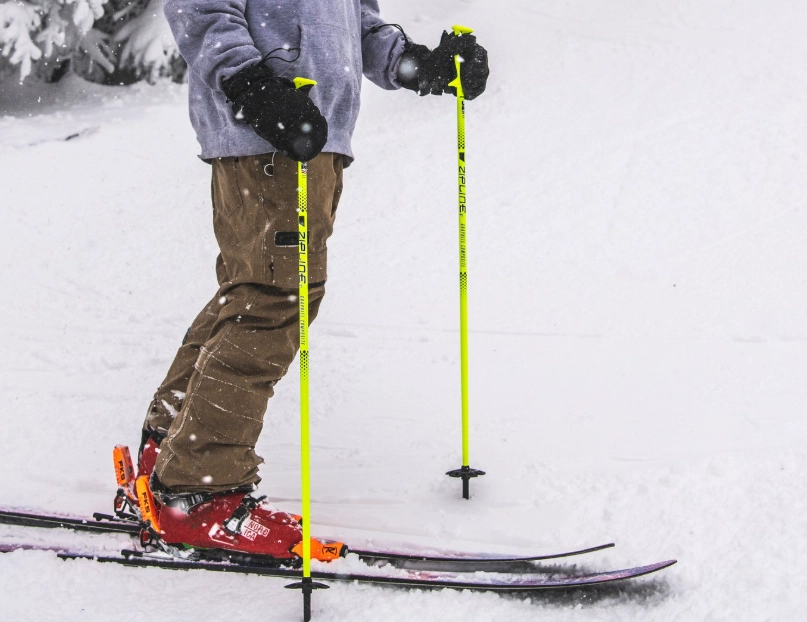
The Core Rental Package: What You're Definitely Getting
When you ask "what equipment can you rent when skiing," most people are thinking of the standard package. This is what 95% of rental shops base their offers on, and it's usually referred to as a "Ski Package" or "Complete Setup." It almost always includes three key items.
Skis (with Bindings)
This is the obvious one. You're not just renting planks of wood and fiberglass; you're renting a system. The bindings – the mechanisms that attach your boot to the ski and release during a fall – are pre-mounted and adjusted based on your height, weight, and skier level. Modern rental skis are fantastic. They're designed to be durable, forgiving, and easy to turn, which is perfect for most people on the mountain.
You'll typically be asked about your ability level: Beginner, Intermediate, or Advanced. Be honest. An intermediate ski is more responsive and will make learning harder if you're just starting. The shop tech will then select a ski length appropriate for you. Don't get hung up on wanting the longest skis; shorter skis are easier to maneuver.
Ski Boots
If skis are the car, boots are the driver's seat and steering wheel. They are arguably the most important part of your setup because they transfer your movements directly to the skis. Rental boots have come a long way. They are now mostly heat-moldable liners in a standard plastic shell. The shop attendant will have you try on a few sizes, and they might heat the liner to better conform to the shape of your foot. This isn't custom, but it helps a ton with comfort.
Ski Poles
Often an afterthought, but they help with balance, rhythm, and pushing around on flat areas. Rental poles are simple, adjustable aluminum poles. The shop will set the length for you – generally, when you hold the pole upside down with your hand under the basket, your forearm should be parallel to the floor. Easy.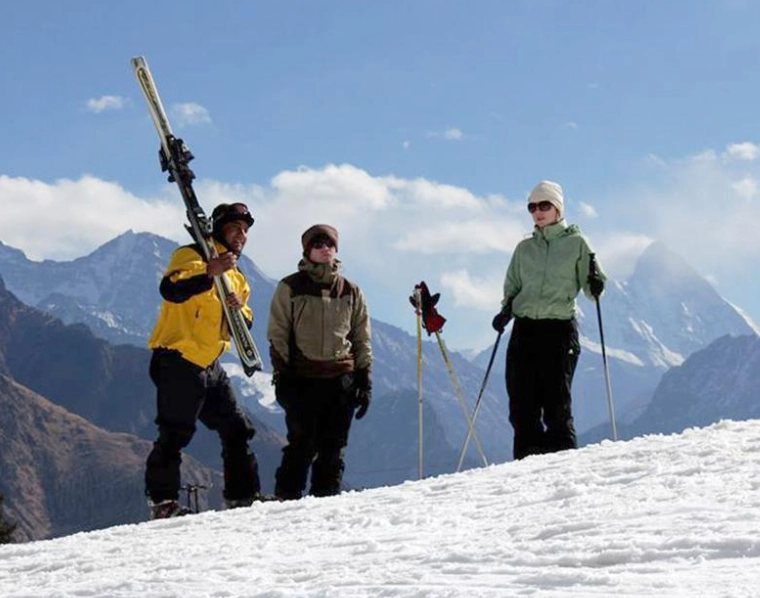
So, the basic answer to "what equipment can you rent when skiing" is a ski-boot-pole package. But that's just the start. The real magic (and confusion) is in the additional items.
Beyond the Basics: The Extended Rental Menu
This is where many first-timers get surprised. Modern rental shops are like one-stop shops for mountain preparedness. You can often rent almost everything you need, head to toe.
Helmets – A Non-Negotiable Rental
You can, and absolutely should, rent a helmet. In fact, I'd argue it's more critical to rent than your skis if you don't own one. Safety first. Rental helmets are sanitized between uses and come in various sizes. They are a must for protecting your head from impacts, both from falls and from other skiers or objects. Most shops offer them for a small daily fee, and many bundle them with the ski package for a discount.
What about style? Sure, they might not be the latest trendy model, but they meet safety certifications. It's a no-brainer (pun intended).
Goggles
Yes, you can rent goggles. This is super handy if you forget yours or if the weather changes unexpectedly (sunny one minute, whiteout the next). Rental shops usually have a selection with different lens tints for varying light conditions. They'll be cleaned and disinfected. While having your own is ideal for a perfect fit, renting is a fantastic backup option.
Ski Apparel (Jackets and Pants)
This is a game-changer, especially for travelers or families with growing kids. Many larger resort rental shops offer ski jacket and pant rentals. The quality is usually quite good – think functional, waterproof, and insulated brands you'd recognize. It saves you from buying expensive gear you might only use once a year and solves the "what do I wear?" panic. You can often rent base layers (thermal underwear) too, but that's less common.
Other Protective Gear
More and more shops are offering safety-focused rentals. This includes:
- Wrist Guards: Popular with snowboarders but useful for skiers learning how to fall.
- Knee Pads/Impact Shorts: Great for beginners spending a lot of time… well, not on their feet. They soften the learning curve, literally.
- Back Protectors: More common in high-performance or freeride rentals, but available in some places for added spine protection in the terrain park or backcountry.
The Technical & Niche Stuff You Might Not Have Considered
Let's dive deeper. The question "what equipment can you rent when skiing" has some advanced answers too.
Different Types of Skis
Beyond the basic all-mountain ski, many shops offer specialized demos or higher-performance rentals. For an extra fee, you can try:
- Powder Skis: Wide, surf-like skis for deep snow days. If it dumps overnight, renting these can transform your experience.
- Carving Skis: Sleek, narrow skis designed for aggressive turns on groomed runs.
- Freestyle Skis: Twin-tipped skis for the terrain park and jumps.
- Women's-Specific Skis: Designed with different flex patterns and mount points.
This is a fantastic way to "test drive" different ski technologies before committing to a purchase.
Avalanche Safety Gear (For the Adventurous)
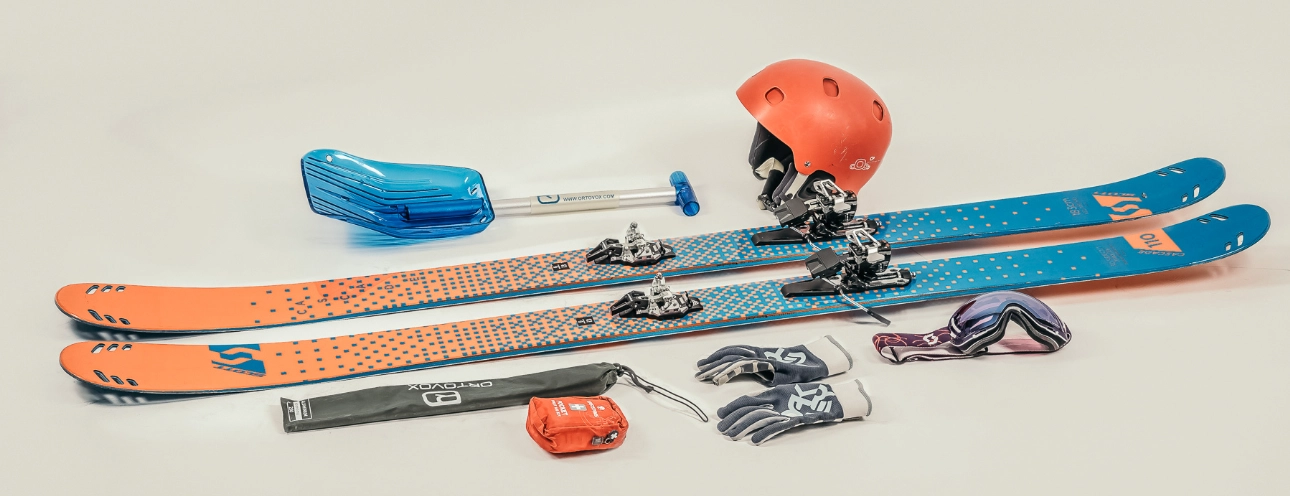
If you're taking a guided backcountry tour or venturing into sidecountry areas (always with a guide or proper training!), the guiding service or a specialized shop will often rent you the critical safety trio:
- Avalanche Transceiver (Beacon): Sends and receives signals to locate a buried person.
- Shovel: A compact, strong shovel for digging.
- Probe: A collapsible pole to pinpoint a burial depth.
This is not optional gear for backcountry travel. Reputable outfits like those listed on the International Ski Federation (FIS) website emphasize this. Renting ensures you have modern, functioning equipment without the high upfront cost.
What About Kids? Family Rental Solutions
Renting for kids is arguably the best financial decision you can make. They grow out of gear faster than they can wear it out. You can rent everything for a child: skis, boots, poles, helmet, and even full snowsuits. Shops are experts at fitting kids and have gear that is specifically scaled for their size and strength, making learning safer and more fun. Many offer hassle-free season-long rental programs that allow you to exchange sizes as they grow, which is pure genius for local families.
The Flip Side: What You Usually CAN'T (or Shouldn't) Rent
For hygiene and practical reasons, some items are best purchased or brought from home.
- Socks: You cannot rent socks. Bring your own proper ski socks (thin, moisture-wicking, not cotton). This is non-negotiable for boot comfort.
- Base Layers & Mid-Layers: Thermal underwear, fleece jackets, etc. These are personal clothing items. Rent the outer shell, provide your own layers.
- Gloves/Mittens: While a few places might rent them, it's rare. Your hands sweat a lot. Buy or bring your own waterproof gloves.
- Neck Gaiter/Balaclava: Another personal item. Bring your own.
- Custom Footbeds/Orthotics: If you require special arch support, you'll need to bring your own to insert into the rental boot.
Rental vs. Buying: A Quick Reality Check
Let's put it in perspective with a simple table. When you're figuring out what equipment you can rent when skiing, you're really solving a cost-benefit puzzle.
| Consideration | Renting | Buying |
|---|---|---|
| Upfront Cost | Low ($40-$80/day for full package) | Very High ($1000+ for basic setup) |
| Best For | Beginners, Travelers, Occasional Skiers (1-2 trips/year), Kids | Experts, Frequent Skiers (10+ days/year), Those wanting perfect fit/performance |
| Convenience | High (no transport, storage, maintenance) | Low (you handle everything) |
| Fit & Performance | Good to Very Good (modern gear is great) | Excellent (customized to you) |
| Long-term Cost | High if you ski frequently | Lower over 3+ seasons of frequent use |
The math is simple. If you ski less than 5-7 days a year, renting is almost certainly cheaper. After that, buying starts to make financial sense, especially if you find good deals on used gear or end-of-season sales.
How to Rent Like a Pro: Tips for a Great Experience
Knowing what equipment you can rent when skiing is half the battle. The other half is getting it right.
- Reserve Online in Advance. This locks in your gear, often at a discount, and lets you bypass the long rental line. You'll fill out your height, weight, and skill level ahead of time.
- Pick Up the Night Before. If possible, get your gear after 4 PM the day before you ski. Most shops allow this for no extra charge. It saves you a frantic morning and gets you on the first lift.
- Communicate Clearly. Tell the technician about any old injuries, foot problems (high arches, wide feet), or specific fears. They can adjust bindings softer or find a more suitable boot.
- Test Before You Go. Once you have your boots on and skis in hand, walk around on a carpeted area. Do a few practice squats. Make sure nothing is pinching or loose.
- Understand the Insurance. Rental shops offer damage waiver insurance for a few dollars a day. It covers normal damage (scratches, edge dings) but not gross negligence (skis left on a car roof). For peace of mind, I usually take it.
Your Burning Questions on Ski Rental, Answered
The Final Run: Making Your Decision
So, what equipment can you rent when skiing? The answer is: almost everything you need for a safe, fun day on the mountain, from the skis under your feet to the helmet on your head and the jacket on your back. The modern rental system is designed to be accessible and remove barriers to the sport.
My final piece of advice? Don't overthink it, but do plan ahead. Reserve your gear online, be honest about your skill level, and don't be shy about asking for adjustments. The goal is to get you out there enjoying the mountains, not wrestling with gear anxiety. For the vast majority of skiers, renting is the perfect, stress-free solution to the equipment question. Now go book that rental and get ready for some turns.
Honestly, after all these years, I still rent powder skis when the forecast calls for it. Why own a tool you only use once a season? That's the beauty of it – you get the right tool for the job, every time.