Explore This Review
- Where the Heck Do These Skis Come From?
- What's Under the Hood? The Moment Construction Lowdown
- The Lineup: Making Sense of the Moment Fleet
- The Moment Skis Experience: What It's Actually Like to Ride Them
- Who Should (and Shouldn't) Buy Moment Skis?
- Navigating the Purchase: Tips from Someone Who's Been There
- Your Moment Skis Questions, Answered
- The Final Verdict: Cutting Through the Noise
So you've heard the name whispered in lift lines, seen the bold graphics popping against the snow, and maybe you've even spent a late night deep in a forum thread debating their merits. Moment skis have this aura around them. They're not the brand you see in every big-box sporting goods store, and that's kind of the point. But what's the deal? Are they just another boutique brand with fancy marketing, or is there something genuinely different happening in that Reno, Nevada factory?
I've been curious about this for years. I've skied on a lot of planks—some I loved, some I tolerated until I could justify an upgrade. A few seasons back, I finally pulled the trigger on a pair of Moment skis. This isn't just a spec-sheet rundown. It's about what happens when you actually take them out, day after day, in all the weird and wonderful conditions a season throws at you.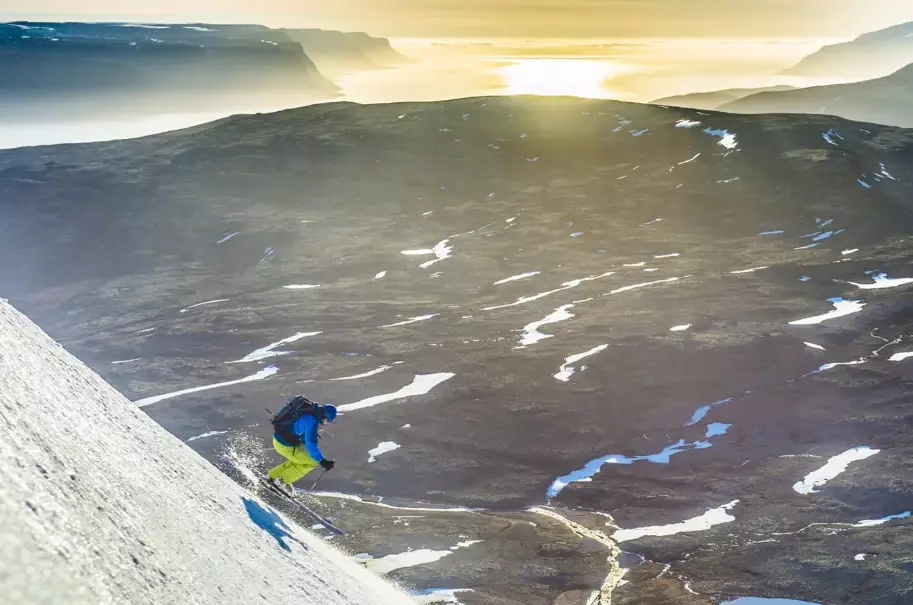
Where the Heck Do These Skis Come From?
You can't talk about Moment without talking about Reno. This isn't a brand that outsources its core identity to some massive factory overseas. They design, prototype, and build their skis right there in The Biggest Little City in the World. That matters. It's not just a "Made in USA" sticker for marketing; it's a philosophy that affects everything.
I visited the factory once, and the vibe was less corporate lab and more passionate workshop. You could see the same people designing the ski profiles on screens later handling presses or tuning edges. That connection is tangible. When you buy a pair of Moment skis, you're buying into a process that's vertically integrated in a way most ski companies gave up on decades ago. The folks at the Moment Skis official website aren't shy about this—their "About" page reads like a manifesto for local manufacturing and core skiing.
But let's be real, does it make a difference to the skier? I think it does, but maybe not in the way you'd expect. It's less about a magical quality bump and more about consistency and agility. If there's a design tweak to be made based on skier feedback, they can do it fast. No waiting for an overseas production cycle. This agility is a huge part of their story.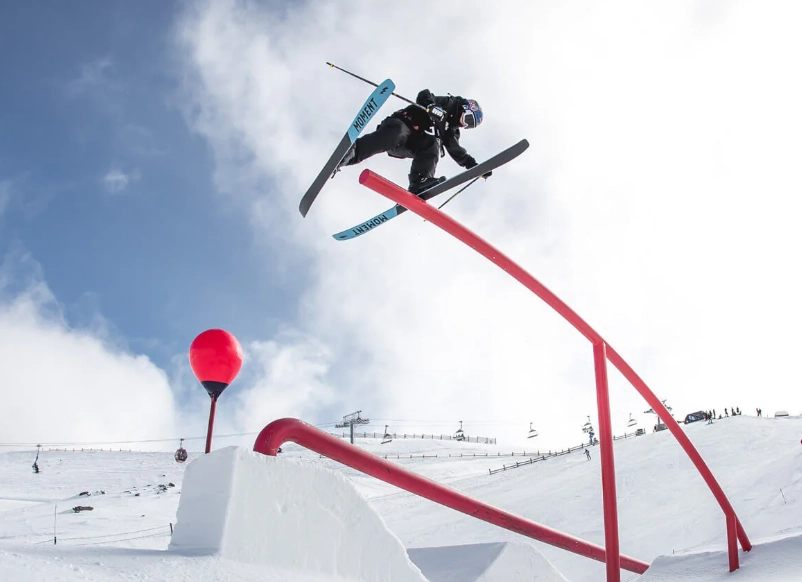
What's Under the Hood? The Moment Construction Lowdown
Alright, let's get technical for a minute, but I'll keep it painless. Ski construction is where the rubber meets the road (or the edge meets the snow). Moment uses what they call their "Progressive Sidewall Construction." Sounds fancy, right? Here's what it breaks down to in plain English.
Most skis use either a "cap" construction (lighter, often less damp) or a full "sidewall" construction (more durable, often damper). Moment's approach is a hybrid. They use a sidewall, but they shape and taper it in specific ways along the length of the ski. The goal? They claim it gives you the damp, stable feel of a sidewall ski where you need it (underfoot, for charging) but allows for a more playful, easier-flexing feel in the tips and tails.
In my experience, yes, but with a caveat. The feel is distinct. They don't have that dead, plank-like feel of some ultra-damp premium skis. There's a liveliness there, a bit of pop. But they also don't get deflected by chunder as easily as a pure cap-construction ski might. It's a compromise, but a smart one aimed at the all-mountain freestyle skier—someone who wants to slash a mogul line, stomp a cliff, and then mess around on a side hit, all on the same run.
Their core materials are solid—Paulownia and Aspen wood cores are standard, with carbon stringers added in their stiffer, more charging-oriented models (like the Deathwish or the Commander). They're not chasing ultra-lightweight at the expense of everything else. The priority seems to be a predictable, trustworthy flex pattern and torsional stiffness.
The Lineup: Making Sense of the Moment Fleet
This is where people get overwhelmed. Moment has a ton of models, and the names don't always make their purpose obvious (looking at you, Deathwish and Bibby). It's not just a width progression. Each ski has a specific personality. Let's break down the current heavy hitters and who they're for.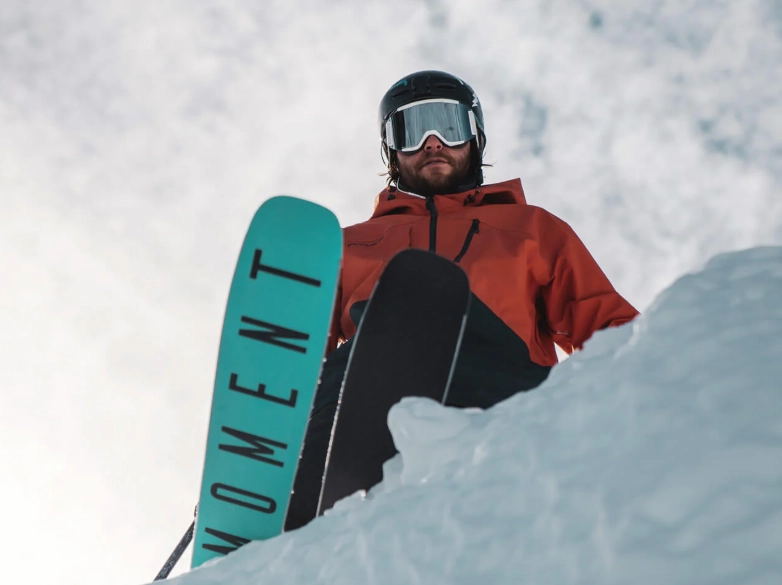
The All-Mountain Darlings
These are the skis you see most often. They're designed to do everything reasonably well, from groomers to off-piste adventures.
| Model | Width (mm underfoot) | Key Characteristics | Best For... |
|---|---|---|---|
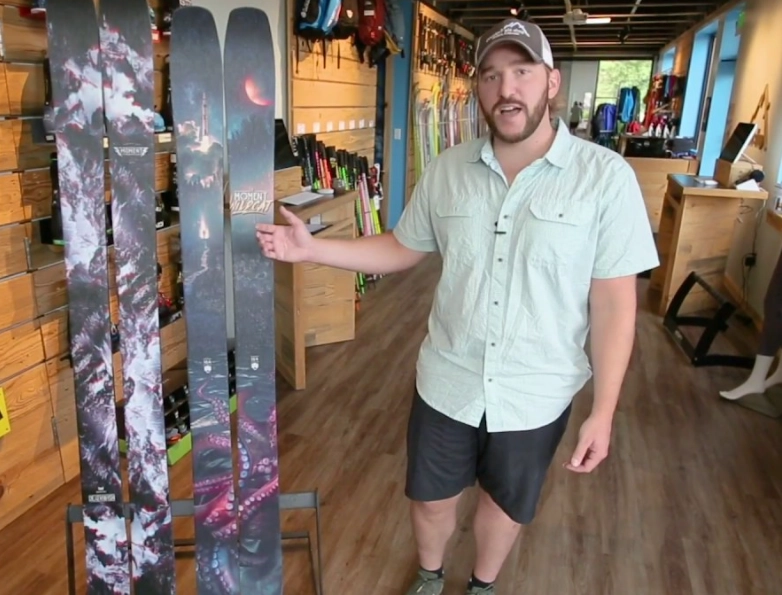
| Wildcat 101 | 101 | The modern benchmark. Nimble, poppy, forgiving. The "easy button" for most advanced skiers. | Advanced skiers who prioritize playfulness and versatility. The ski that made the brand famous for a reason. |
| Deathwish 104 | 104 | Triple Camber. Yes, three rocker points. Uniquely stable and grippy on hard snow while remaining surfy off-piste. | Skiers who want a truly unique feel. Incredible edge hold for its width. Not for everyone, but cult-like for its fans. |
| Commander 98 | 98 | The charger. Stiff, damp, with metal laminates. Built for high-speed stability and crushing variable snow. | Powerful, aggressive skiers who attack the mountain. Less forgiving, more demanding. |
The Powder Specialists
When the snow gets deep, these are the tools for the job. Wider platforms, more rocker, designed to float and slash.
- Wildcat 116: The legendary Bibby Pro redesign. This is the quintessential big-mountain freestyle powder ski. It has a cult following that borders on religious. It's surprisingly nimble for its width, with a ton of rocker in the tip and tail for easy pivoting in trees. This is the ski I own, and in fresh snow, it's an absolute dream. It makes you feel like a better skier than you are.
- Deathwish 112: The triple-camber magic applied to a powder width. The idea is to give you the float of a 112mm ski without the vague, hooky feeling some wide skis get on firmer snow. It's a fascinating concept, and from what I've felt, it delivers a more connected feel in variable conditions than a traditional powder ski.
The Moment Skis Experience: What It's Actually Like to Ride Them
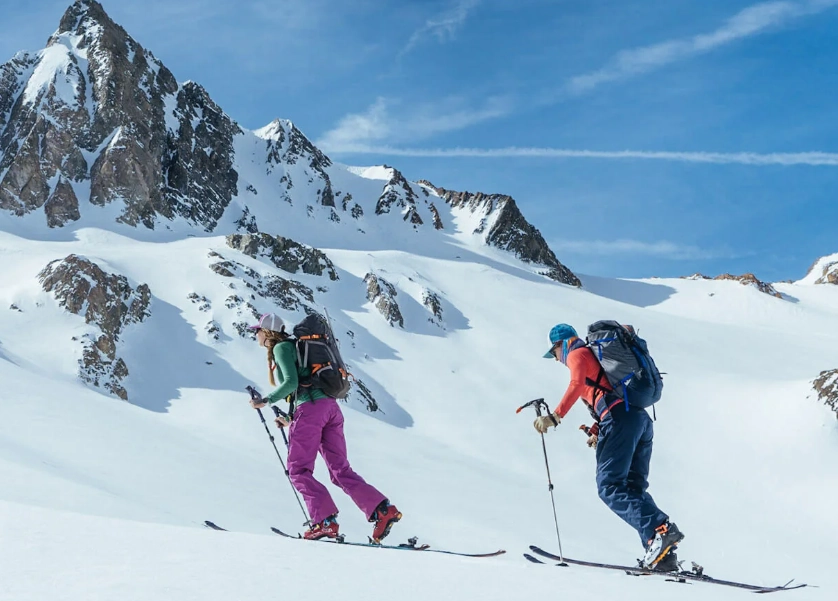
Okay, enough specs. Let's talk feel. I've put about 50 days on my Wildcat 116s over two seasons. Here's the unfiltered take.
The first thing you notice is the dampness. They absorb chatter and small bumps incredibly well. You don't get that high-frequency buzz in your feet on hardpack or sun-crusted snow. It's a confident, quiet feel. The second thing is the pop. They're not noodles. There's energy stored in the flex, and if you load them up coming out of a turn or off a jump, they give it back to you. It's not a violent rebound; it's more of a lively springboard effect.
Now, the part some reviews gloss over: they demand a more centered, athletic stance. If you're a backseat driver, these skis might feel a bit hooky in the tail until you get forward. They reward aggressive, dynamic skiing. They're not the best choice for a pure beginner or a very passive intermediate. They come alive when you work with them.
Durability? I've been impressed. I'm not gentle on gear. Rocks, hidden stumps, park laps—they've seen it. The topsheets have the usual scratches, but the edges are intact, the bases have held up to multiple tunes, and there's no delamination or structural weirdness. That Reno build quality seems legit. They feel like they're built to last multiple seasons of hard use, which helps justify the initial investment.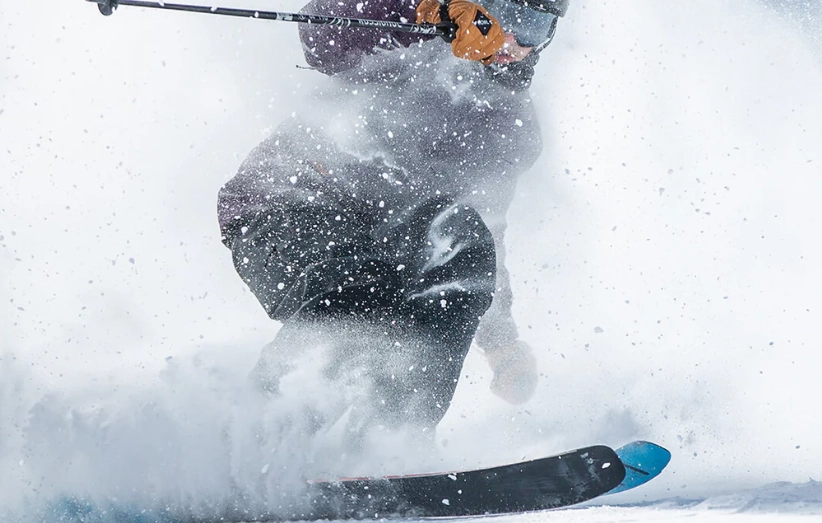
Who Should (and Shouldn't) Buy Moment Skis?
This is the crucial part. Moment skis aren't a universal solution.
- You're an advanced to expert skier who likes to ski dynamically.
- You value versatility and want one ski that can handle most conditions well.
- You appreciate durability and a "built like a tank" feeling.
- You enjoy a ski with personality and feedback, not a bland, neutral ride.
- Supporting a smaller, domestic manufacturer matters to you.
- You're a beginner or early intermediate skier. These skis will likely be too much to handle and could hinder your progression.
- You primarily ski groomed runs at low to moderate speeds. You're paying for off-piste performance you won't use.
- You prefer a very light ski for extensive touring. While some models have touring versions, they're often on the heavier side for pure uphill efficiency.
- Your top priority is finding the absolute lowest price. You can find good skis for less when major brands have sales.
Navigating the Purchase: Tips from Someone Who's Been There
Buying skis online, especially from a direct-to-consumer brand like Moment, can feel like a leap of faith. Here's how to make it less scary.
- Be Brutally Honest About Your Ability: Not the skier you aspire to be in two years, the skier you are now. Moment's sizing recommendations are generally good, but erring on the shorter side of their range if you're between sizes can make a demanding ski more manageable.
- Call Them: Seriously. Their customer service folks in Reno are skiers. Describe how you ski, what you like and dislike about your current skis, and what you're looking for. They'll give you a straight opinion, even if it means steering you away from a popular model. This is a huge advantage over buying blind from a big retailer.
- Consider the Demos (If You Can): Moment does demo tours and has demo days at certain shops. Check their event calendar. Nothing beats putting them on snow. Some shops also have demo programs where you can try before you buy, though availability is less widespread than for major brands.
- Factor in the Total Cost: The price you see is often just for the skis. Bindings, mounting, and shipping add up. Sometimes they run package deals. Compare the total out-the-door cost with a comparable setup from another brand.
Your Moment Skis Questions, Answered
The Final Verdict: Cutting Through the Noise
Look, I'm not here to sell you anything. After all this, where do I land on Moment skis?
They're the real deal for a specific skier. The hype isn't fabricated. The combination of in-house manufacturing, unique construction, and a clear design vision focused on all-mountain freestyle performance creates skis with a genuinely unique and rewarding feel. When you click with a Moment ski model, it feels like a perfect extension of your intentions on the mountain.
But—and this is a big but—they are not for everyone. They can be demanding. They reward a proactive, energetic style of skiing. If you want a placid, easygoing ski that does all the work for you, look at other options. The price is also a genuine consideration. You're paying for American labor and a boutique process. For some, that's worth every penny. For others on a tight budget, it's a stretch.
My Wildcat 116s are my go-to skis for any day with fresh snow or soft conditions. They inspire confidence in terrible snow and pure joy in good snow. Are they my only skis? No. For icy, hardpack days, I have a narrower carving ski. But for the core of my skiing, the Moments deliver.
If your skiing profile aligns with what they build—if you charge, play, explore, and want a tool that feels alive in your hands—then digging deeper into the world of Moment skis is absolutely worth your time. Do your research, be honest about your style, and if possible, try before you buy. The cult exists for a reason, but make sure it's the right cult for you.
Related Articles

Comments
Join the discussion