Let's be honest. The jump from a comfortable wedge turn to a clean, linked parallel turn feels like a mountain in itself. You watch skiers flow down the slope, skis perfectly together, and wonder what secret you're missing. The truth is, there's no single secret. It's a combination of unlearning some habits, building new muscle memory, and understanding a few non-negotiable mechanics. I've taught this transition for years, and the frustration on students' faces is always the same—until they grasp these key concepts. This guide cuts through the noise. We'll break down the exact parallel turn drills that work, pinpoint the subtle (and not-so-subtle) mistakes that keep you stuck, and give you a clear path to skiing with more control and way more style.
Your Quick Guide to Parallel Skiing
- Why the Parallel Turn Feels So Hard (It's Not Just You)
- The Core Mechanics of a Parallel Turn: What Actually Happens
- The Essential Drill Progression: From Wedge to Parallel
- The 5 Most Common Parallel Turn Mistakes (And How to Fix Them)
- Putting It All Together: Your On-Snow Action Plan
- Your Parallel Turn Questions Answered
Why the Parallel Turn Feels So Hard (It's Not Just You)
Moving from a wedge to parallel skiing isn't just a technical step; it's a psychological and physical shift. In a wedge, you have a built-in brake. Your skis are apart, forming a triangle with the snow. Speed control comes from pushing that triangle out. It feels safe. A parallel turn removes that security blanket. Your skis are together, and control comes from your edges and body position, not from a wide stance. This triggers a fear response—"I'm going too fast!"—which makes you revert to the familiar wedge or lean back, which is the worst thing you can do.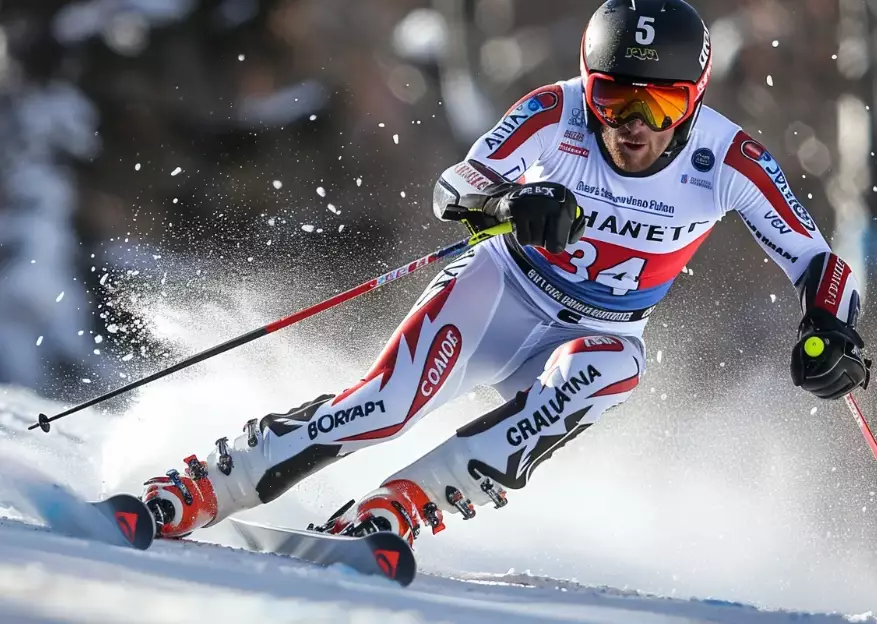
The physical part is about independent leg action. In a wedge, you often turn by pressuring the whole inside ski. For a parallel turn, you need to learn to roll both knees and ankles together to engage both edges simultaneously, while managing pressure between your feet. It's a finer, more coordinated movement. If you don't address this mental and physical block first, the drills won't stick.
The Core Mechanics of a Parallel Turn: What Actually Happens
Forget fancy terms for a second. A parallel turn is simply guiding both skis around a curve while keeping them roughly hip-width apart. The magic happens through three interconnected actions:
1. The Initiation (The "How Do I Start?" Phase): This is where most people mess up. You don't start a parallel turn by twisting your shoulders or kicking your skis around. You start it by subtly rolling your knees and ankles in the direction you want to go. Want to turn left? Gently roll both knees to the left. This tips both skis onto their left edges. The ski's sidecut (that hourglass shape) does the rest, starting the arc for you. Think "knees to the valley," not "feet around."
2. Pressure Control (The "Where's My Weight?" Phase): As you enter the turn, pressure builds up on the outside ski (your right ski for a left turn). Your job is to flex into that outside ski, bending that ankle, knee, and hip. This is your primary support ski. The inside ski is along for the ride, lightly weighted but matching the angle of the outside ski. A huge mistake is trying to stand equally on both skis or, worse, leaning onto the inside ski.
3. The Finish and Transition (The "Linking Turns" Phase): To finish the turn and start the next one, you gradually release the edge angle by standing up slightly (extending your legs). This brings your skis back across the fall line. Then, you immediately roll your knees into the new direction to engage the new edges. The rhythm is down (flex) and up (extend), not a constant crouch.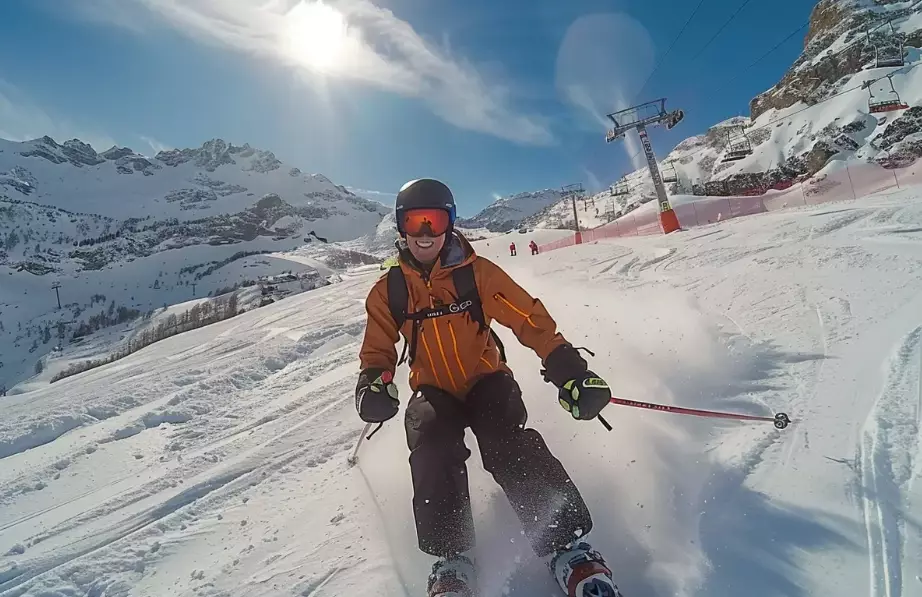
The Essential Drill Progression: From Wedge to Parallel
Don't just try to "ski parallel." Isolate the movements with these drills. Do them on a gentle, groomed green slope until they feel boring. That's when they're working.
Drill 1: The J-Turn to a Track
Goal: Feel the outside ski doing the work.
How: Start in a shallow wedge, pointing straight down a gentle slope. Make a big, slow turn to one side (a J-shape) and come to a complete stop. Look back at your tracks. You want to see two clean, parallel lines from your skis, not a wedge shape. Focus on pressuring the downhill (outside) ski more and more as you turn, letting the inside ski naturally come parallel. Do this 10 times each side.
Drill 2: The Side Slip & Edge Roll
Goal: Master knee/ankle rolling for edge control.
How: On a very mild slope, stand across the hill with skis parallel. Flatten your skis (roll knees slightly downhill) and let them slip sideways a few feet. Then, grip the snow by rolling your knees back up into the hill. Do this back and forth. This teaches you that edge engagement comes from your lower joints, not your hips or shoulders. It's the fundamental movement for turn initiation.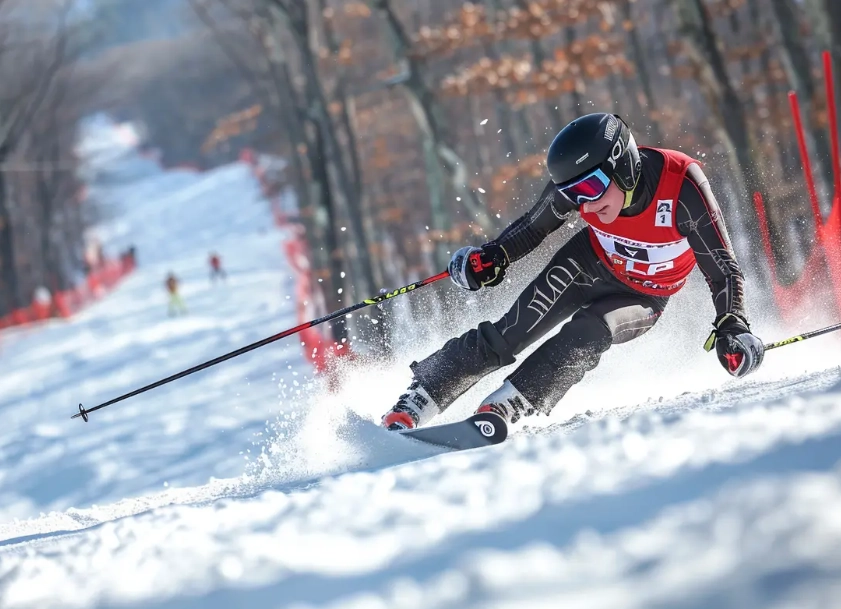
Drill 3: The Stem Christie (Your Bridge Drill)
Goal: Actively bring skis together during the turn.
How: Start a turn with a small, deliberate wedge (a "stem" of the outside ski). As you enter the turn arc, actively pull that outside ski back parallel to the inside ski. The finish of the turn should be with both skis parallel. This drill explicitly trains your brain and legs to move from a V-shape to an II-shape mid-turn. It's the most direct bridge between wedge and parallel skiing.
Drill 4: One-Ski Skiing (The Game Changer)
Goal: Force proper outside ski pressure.
How> On a flat cat track or very gentle green, simply lift your inside ski a few inches off the snow and make a turn using only your outside ski. Keep the tip of the lifted ski pointed forward and close to the snow. You'll instantly feel how much you must flex and balance over that outside ski. It's impossible to lean inward during this drill. Do 3-4 turns on each leg. This one drill fixes more problems than any other.
The 5 Most Common Parallel Turn Mistakes (And How to Fix Them)
Here’s where an instructor’s eye helps. These aren't just "leaning back." They're subtle habits that block progress.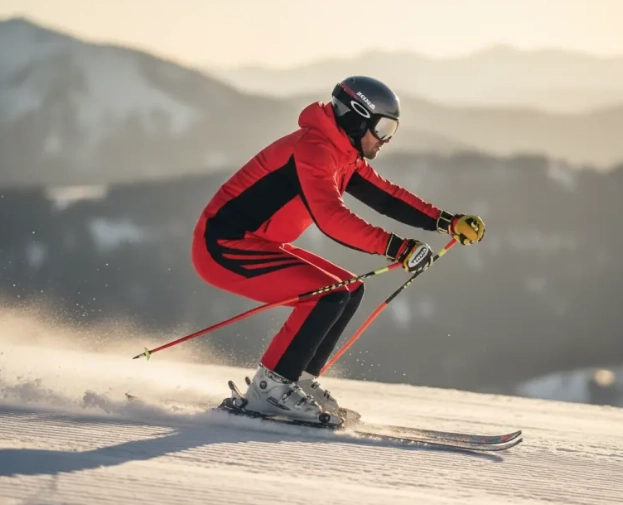
Mistake 1: The A-Frame Turn
The Sign: Your outside ski is edged and carving, but your inside ski is flat on the snow, knee pointing inward, forming an "A" shape. This kills stability.
The Root Cause: You're not rolling the knee of your inside ski. You're only pressuring the outside ski without matching its angle.
The Fix: Practice the Side Slip drill, focusing on rolling both knees together. During a turn, consciously think "inside knee to the outside knee." Touch your inside knee to the outside of your outside boot. It feels exaggerated, but it works.
Mistake 2: Upper Body Rotation
The Sign: Your shoulders and arms swing around to start the turn. Your upper body faces downhill while your skis point across it.
The Root Cause: Trying to muscle the skis around with upper body strength instead of using lower-body edging.
The Fix: Ski with your poles held horizontally across your chest in both hands. You can't rotate your shoulders without dropping the poles. This forces you to initiate turns with your legs. Also, keep your hands in front and in your peripheral vision.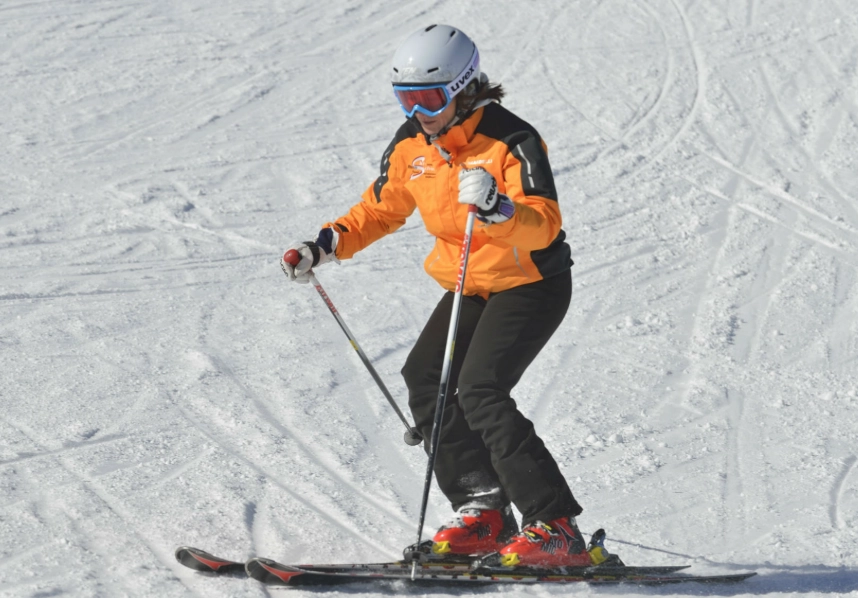
Mistake 3: Weight on the Inside Ski
The Sign: You feel unstable, like you might catch an inside edge. You struggle to start a new turn.
The Root Cause: It's a survival instinct from the wedge, where you pressure the inside ski to steer. In parallel, it throws you off balance.
The Fix: The One-Ski Skiing drill is the ultimate cure. Also, practice making turns while pressing your shin firmly into the front of only your outside boot. Sing a song in your head and tap only the outside foot to the beat.
Mistake 4: The Static Stance (No Up-and-Down)
The Sign: Turns feel stiff, skidding, and hard to link. You're locked in a constant mid-flex position.
The Root Cause: Missing the rhythmic flexion and extension that manages pressure and facilitates edge release.
The Fix: Practice on a gentle slope saying out loud: "DOWN" (flex as you build pressure in the turn) and "UP" (extend to release edges and transition). Make it a bounce. Exaggerate it. Good skiing has a quiet bounce to it.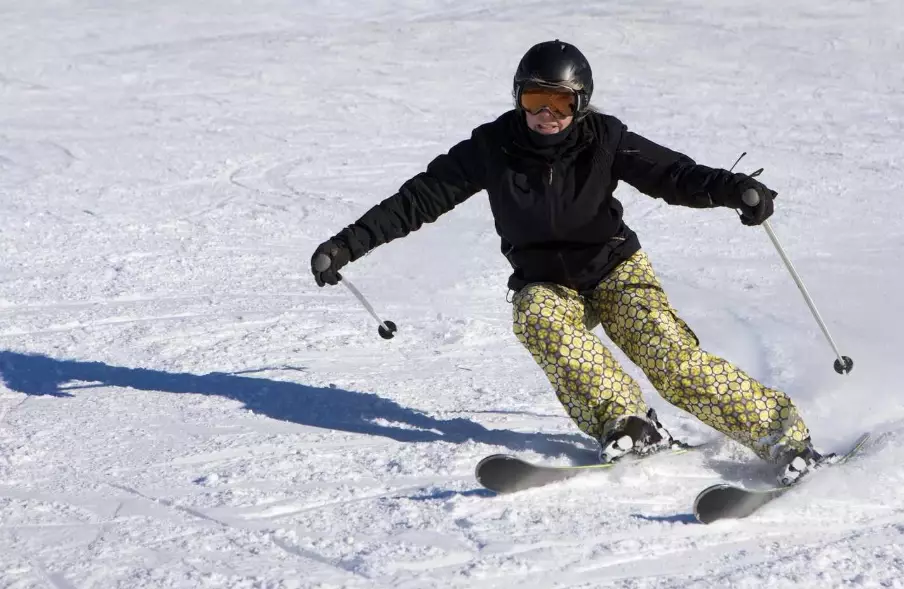
Mistake 5: Looking at Your Ski Tips
The Sign: Your turns are jerky, and you're constantly surprised by terrain.
The Root Cause: You're trying to control what's directly under your feet instead of planning your path.
The Fix: Your eyes lead your body. Pick a target 20-30 meters down the slope—a tree, a lift pole, a shadow—and ski toward it. Keep your chin up and look where you want to go, not at your skis. Your peripheral vision will handle the skis.
Putting It All Together: Your On-Snow Action Plan
Don't get overwhelmed. Next time you're on the mountain, follow this sequence:
- Warm-up: Do 5 minutes of side slips on a gentle slope. Feel the edge roll.
- Skill Builder: Spend 15 minutes on your chosen drill. If you're new to this, start with J-Turns to a Track. If you're fighting an A-Frame, do One-Ski skiing.
- Application Run: Ski a familiar green run, focusing on ONE cue. Maybe it's just "knees to the valley" for initiation. Nothing else. Don't judge your overall form.
- Repeat and Mix: Go back to a drill, then do another application run with a different cue (e.g., "pressure the outside boot").
Progress happens in plateaus. You might feel worse before a breakthrough. That's normal. The goal isn't perfect parallel turns on day one. It's feeling one element—better edge control, more outside ski pressure—click into place.
Your Parallel Turn Questions Answered
Related Articles


Comments
Join the discussion