Packing for a ski trip feels different. It's not just throwing swimsuits and sandals into a bag. You're dealing with bulky technical gear, layers upon layers of clothing, and the constant fear of forgetting something crucial like goggles or your ski pass. Get it wrong, and you're either freezing on the slopes or paying a fortune at the resort boutique. After a decade of ski trips—from forgetting my base layers in Colorado to overpacking three sweaters for Japan—I've refined a system. This isn't just a list; it's a strategic guide on what goes in your carry-on versus your checked bag, built around a core layering principle that most beginners miss.
Your Quick Packing Guide
What Absolutely Must Go in Your Carry-On
Your carry-on is your trip insurance. Assume your checked bag will take a scenic route without you for 24 hours. Everything in here is non-negotiable.
Electronics & Documents: Passport, wallet, ski resort lift tickets or pass (if pre-purchased), phone, charger, power bank, headphones. I also scan my passport and insurance docs and email them to myself as a backup.
Medications: Any prescription meds, a small first-aid kit with blister plasters (trust me), pain relievers, and altitude sickness pills if you're heading somewhere high like Colorado's Summit County.
One Critical Change of Clothes: Pack one complete set of base layers (top and bottom), a pair of ski socks, and a lightweight mid-layer like a fleece. If your bags are delayed, you can rent skis and a jacket, but having your own moisture-wicking base layers is a comfort game-changer.
Valuables & Fragiles: Your ski goggles (never check these—they can get crushed), a compact camera, and any expensive jewelry. I once packed my new Oakley goggles in a checked bag wrapped in clothes. The frame was snapped. Lesson learned.
Snacks & Entertainment: A reusable water bottle (empty through security), high-energy snacks like nuts or bars, and a book or downloaded movies for the flight.
Your Checked Luggage: The Gear & Clothing Workhorse
This is where you pack the bulk. The key is organization and compression. Use packing cubes or vacuum bags to separate categories and save space.
Ski & Snowboard Equipment
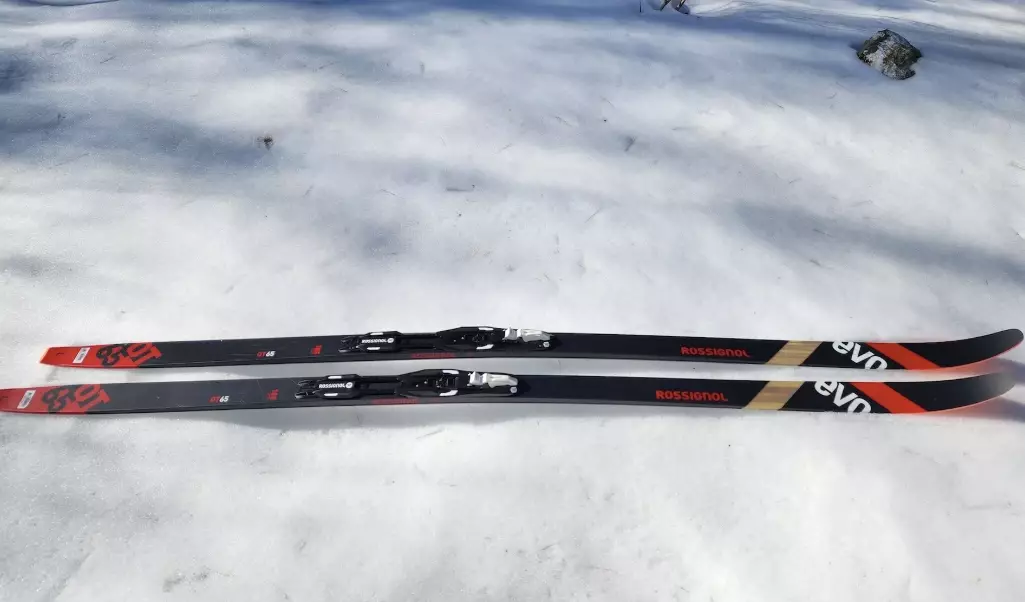
If you're not renting, you'll need a padded ski bag or a snowboard bag. Always disassemble your bindings from your skis if possible (check airline rules) and use ski/snowboard straps to keep them together. Pack your helmet around the bindings or boots for padding. Don't forget your ski poles—they usually strap to the outside of the ski bag.
Technical Clothing & Layers
This is the meat of your packing. Refer to the layering system below for details, but here’s a quantifiable checklist for a 7-day trip.
| Category | Item | Quantity (7-day trip) | Notes |
|---|---|---|---|
| Base Layers | Moisture-wicking top & bottom (Merino wool or synthetic) | 3 sets | One set travels in carry-on. Avoid cotton at all costs. |
| Mid Layers | Fleece jacket or lightweight insulated jacket | 2 | One lighter, one warmer for variable conditions. |
| Insulation | Down or synthetic puffer jacket | 1 | For apres-ski or extremely cold days on the mountain. |
| Ski Socks | Technical ski/snowboard socks | 4-5 pairs | Merino wool is best. Never wear two pairs. |
| Outerwear | Ski/Snowboard Jacket & Pants (or bibs) | 1 each | Ensure they are waterproof (minimum 10k/10k rating). |
| Head, Neck, Hands | Beanie, neck gaiter/balaclava, glove liners, ski gloves/mittens | 1-2 each | Bring a backup pair of gloves in case one gets wet. |
| Apres-Ski & Casual | Jeans, sweaters, t-shirts, comfortable boots/shoes | 2-3 outfits | Resorts are casual. Prioritize comfort and warmth. |
| Swimwear | Swimsuit | 1 | For hotel hot tubs or spas—a ski trip essential. |
Accessories & Toiletries
Sunglasses (high UV protection), a high-SPF lip balm with sunscreen, and a compact toiletry kit. Include heavy-duty moisturizer and hydrating lotion—mountain air is brutally dry. If you use special skincare, bring it. The resort shop will have basic brands at a premium.
The Ski Layering System (And Where Most Go Wrong)
This is the most misunderstood part of ski packing. It's not about putting on all your thickest clothes. It's about creating adaptable, moisture-managing layers.
Layer 1: Base Layer. This is your second skin. Its job is to move sweat away from your body. Merino wool is king here—it regulates temperature, doesn't hold odors, and stays warm when damp. Synthetics work too. The mistake? Using cotton. A cotton t-shirt or long johns will soak up sweat, stay wet, and make you cold fast. It's dangerous.
Layer 2: Mid Layer. This provides insulation. A grid fleece or a lightweight synthetic insulated jacket is perfect. It should be breathable. You might not need this on a sunny spring day, but it's crucial for colder weather.
Layer 3: Outer Layer (Shell). Your ski jacket and pants. Their sole purpose is to be windproof and waterproof. They are not your primary source of warmth—that's what the mid and base layers are for. Look for a high waterproof rating (e.g., 20,000mm) and good ventilation zips.
The magic is in the combination. On a cold morning, you might wear all three. As you ski and heat up, you unzip your jacket and vents. If you're still hot, you might remove your mid-layer entirely and stash it in your backpack. This system gives you total control.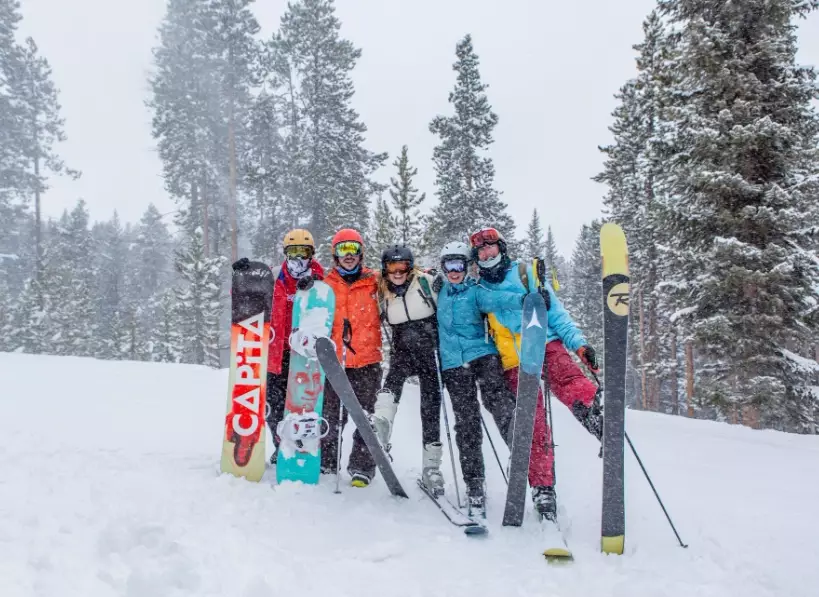
5 Common Ski Packing Mistakes to Avoid
I've made most of these. Learn from my frostbitten toes and overstuffed suitcase.
1. Packing Too Many "Just in Case" Sweaters. You need one, maybe two nice sweaters for evenings. That cable-knit Christmas sweater is heavy and bulky. You'll live in your ski jacket, a fleece, and comfortable pants most of the time.
2. Forgetting Sun Protection. The sun reflecting off the snow is intense. You need a high-SPF (30+) broad-spectrum sunscreen for your face, and don't forget your neck and under your chin. Reapply every two hours. A goggle tan is a badge of honor; a blistering sunburn is not.
3. Assuming Your Everyday Jacket is Enough. Your city puffer is not a ski jacket. It likely isn't waterproof enough, doesn't have a powder skirt to keep snow out, and lacks useful pockets for lift passes and goggles. This is one item worth investing in or renting properly.
4. Packing Your Boots at the Bottom of Your Suitcase. This makes your bag a weird, immovable brick. Pack your soft clothes around your boots to use them as packing cubes and balance the weight.
5. Not Planning for Wet Gear. Your gloves, socks, and base layers will be damp at the end of the day. Pack a few large plastic bags or a dedicated wet bag to separate them from dry clothes in your luggage on the return trip. Some hotels have boot dryers—use them.
Post-Ski Care & Repacking Strategy
The last day is chaotic. You're tired, and everything is damp. Here's how to handle it.
Lay out all your wet gear—gloves, socks, base layers—on radiators or towel racks the night before you leave. If you have a boot dryer, use it. Stuff newspaper inside wet boots to absorb moisture; it works wonders.
When repacking, use those plastic bags. All damp items go into sealed bags. This prevents mildew and keeps the rest of your clothes dry. It also makes unpacking at home less gross.
Take a photo of your final packed bags. Next year, when you're wondering how you fit it all, you'll have a reference. I also keep a digital note on my phone of what I actually used versus what I didn't touch, which helps me refine the list each season.
Your Ski Packing Questions Answered
Related Articles
Comments
Join the discussion