You're gearing up for a ski trip, and the backpack choice feels overwhelming. I've been there—standing in a gear shop, staring at rows of packs, wondering if I need a 20-liter daypack or a 40-liter beast for a weekend tour. Get it wrong, and you're either lugging dead weight or scrambling for essentials. This guide cuts through the noise. We'll dive into exactly what makes a ski backpack work, from casual resort days to epic multi-day adventures in the backcountry. Forget generic advice; we're talking specific gear lists, feature breakdowns, and mistakes I've made so you don't have to.
What's Inside This Guide
- What is a Ski Backpack and Why It Matters
- Key Features to Look for in a Ski Backpack
- Resort Daypack Essentials: What to Pack for a Day on the Slopes
- Multi-Day Touring Pack Essentials: Gear for Extended Adventures
- How to Choose the Right Ski Backpack for Your Needs
- Common Mistakes and How to Avoid Them
- FAQ: Your Ski Backpack Questions Answered
What is a Ski Backpack and Why It Matters
A ski backpack isn't just any bag—it's your mobile command center on the snow. Think of it as part storage, part safety gear. For resort skiing, it holds your snacks, extra layers, and maybe a beer for the lodge. For touring, it becomes your lifeline, carrying avalanche safety equipment, overnight gear, and food. I learned this the hard way on a early season tour in Colorado. I used a regular hiking pack, and my shovel handle poked through the fabric when I took a minor fall. Not ideal when you're miles from help.
The core difference? Ski-specific packs have features like dedicated compartments for avalanche tools (probe, shovel, sometimes airbag), ski or snowboard carry systems, and hydration sleeve insulation to prevent freezing. They're built tougher, with materials like ripstop nylon or Cordura, and often have a slimmer profile to avoid catching on chairlifts. If you're serious about skiing, investing in a proper pack saves hassle and boosts safety.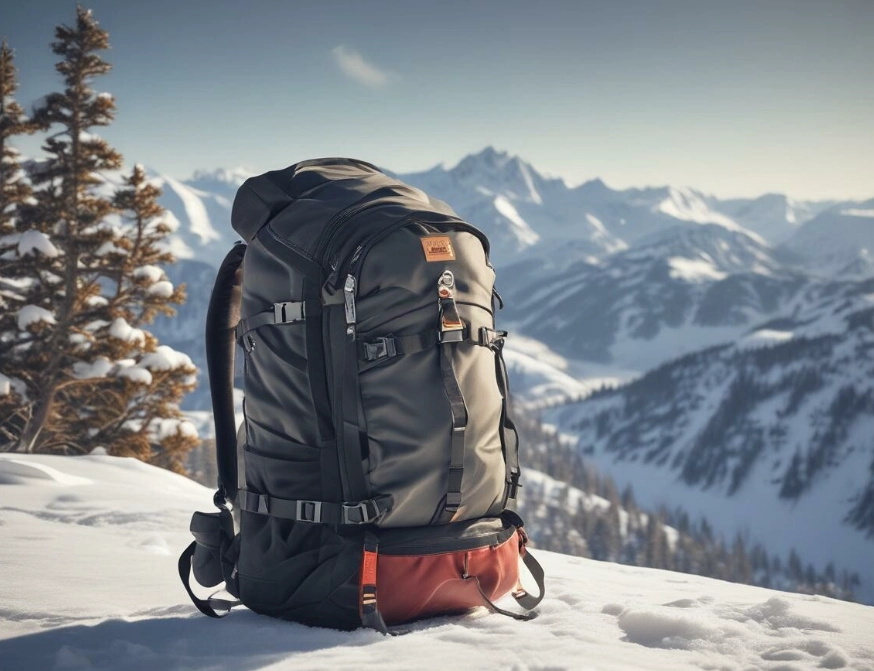
Key Features to Look for in a Ski Backpack
Let's break down what actually matters. Don't just go for the flashy colors; focus on these elements.
Capacity and Size: Daypacks vs. Touring Packs
Capacity is measured in liters. For a resort daypack, 15-25 liters is sweet spot. It's enough for essentials without bulking up. My go-to is a 22-liter pack—fits a hydration bladder, lunch, gloves, and a puffy jacket. For multi-day touring, you need 30-50 liters. On a 3-day trip in the Canadian Rockies, I used a 45-liter pack. It carried a sleeping bag, stove, food, and safety gear. Here's a quick comparison:
| Pack Type | Capacity Range | Best For | Weight Range |
|---|---|---|---|
| Resort Daypack | 15-25 liters | Single-day skiing, lift access, short hikes | 1-2 lbs (0.5-1 kg) |
| Multi-Day Touring Pack | 30-50 liters | Backcountry tours, overnight trips, expedition skiing | 3-5 lbs (1.4-2.3 kg) |
Notice the weight jump? That's because touring packs add frame support and more padding for heavy loads.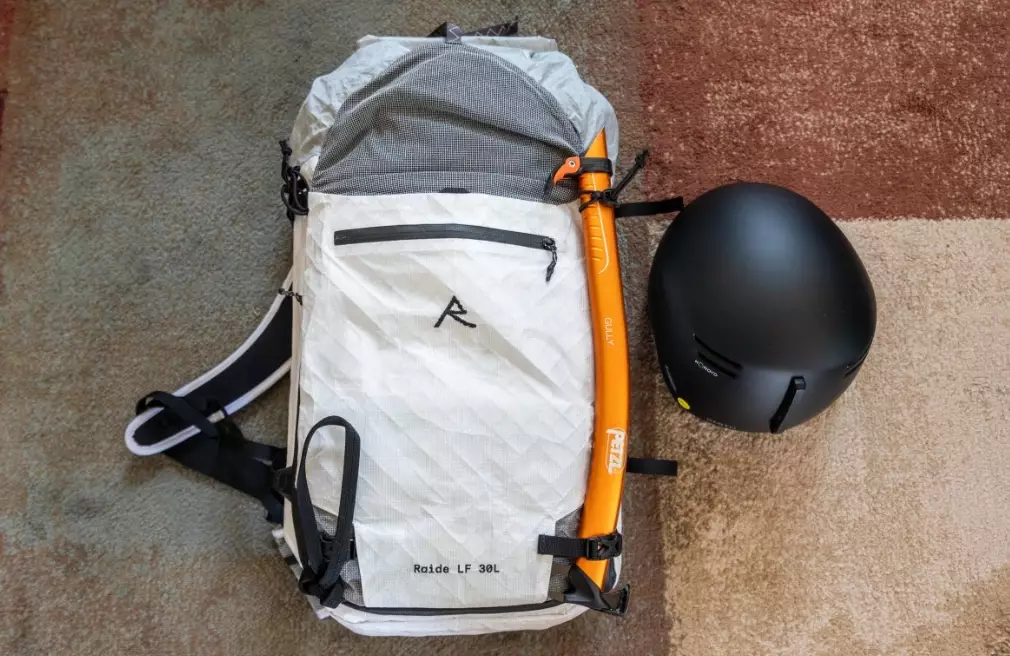
Material and Durability
Look for packs made with nylon or polyester blends, often labeled with denier ratings like 420D or 600D. Higher denier means tougher fabric. My old daypack was 210D—it ripped on a tree branch. Now I stick to 400D+ for touring. Water resistance is key; some packs have a DWR (Durable Water Repellent) coating, but for wet snow, consider a waterproof liner or dry bags inside. Brands like Arc'teryx use robust materials, but you pay for it.
Safety Features: Avalanche Gear Integration
This is non-negotiable for touring. A good pack has a separate compartment for avalanche shovel and probe, with quick-access zippers. Some even integrate avalanche airbag systems, like those from ABS or BCA. I've tested packs where the shovel pocket is too tight—fumbling with zippers in an emergency wastes seconds. Opt for designs with external straps or dedicated sleeves. The American Avalanche Association emphasizes rapid gear access; your pack should facilitate that.
Resort Daypack Essentials: What to Pack for a Day on the Slopes
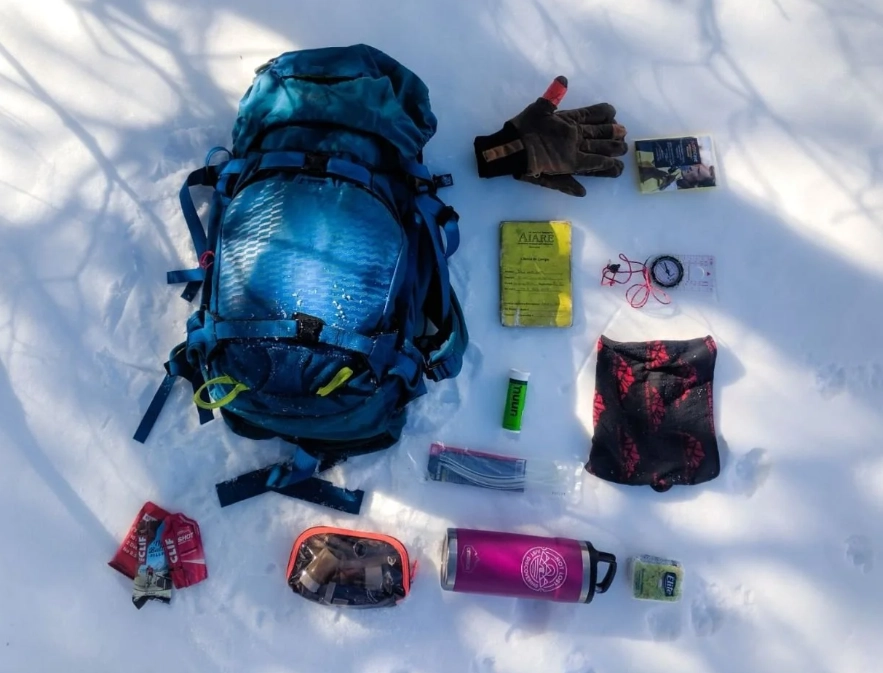
Packing a resort daypack is about balance. You want enough to stay comfortable, but not so much it weighs you down. Here's my checklist from years of resort hopping in Utah and Vermont.
Core Items:
- Hydration bladder (2-3 liters) with insulated tube to prevent freezing.
- High-energy snacks: energy bars, nuts, chocolate. I pack at least 500 calories worth.
- Extra layers: a lightweight down jacket or fleece. Temperatures can drop fast.
- Gloves or mittens: a spare pair in case yours get wet.
- Sun protection: sunscreen (SPF 50+), lip balm, sunglasses or goggles lens cleaner.
- Basic first aid kit: bandaids, blister pads, pain relievers.
- Multi-tool or ski-specific tool for binding adjustments.
Optional but Handy:
A compact camera, hand warmers, and a foldable sit pad for lunch breaks. I always throw in a power bank for my phone—cold drains battery fast.
Assume you're skiing from 9 AM to 4 PM. Pack items in order of use: snacks on top, layers in the main compartment. Use the hydration sleeve for the bladder to keep weight centered. A common mistake? Overpacking drinks. Most resorts have water refill stations; check ahead to save weight.
Multi-Day Touring Pack Essentials: Gear for Extended Adventures
Multi-day touring is a different beast. You're carrying shelter, sleep system, and food. Let's simulate a 2-night trip in the Swiss Alps. Your pack needs to be a fortress of organization.
Safety Gear (Top Priority):
- Avalanche transceiver, probe, shovel—practice with them before the trip.
- Navigation: map, compass, GPS device. Don't rely solely on phone apps.
- Communication: satellite messenger like a Garmin inReach for emergencies.
- Repair kit: duct tape, ski straps, multi-tool, spare parts for bindings.
Camping and Survival:
- Sleeping bag rated for below freezing temperatures. I use a -10°C bag.
- Sleeping pad with high R-value for insulation from snow.
- Lightweight tent or bivy sack. Four-season tents are heavier but safer.
- Stove and fuel: canister stove for simplicity, liquid fuel for cold weather.
- Food: dehydrated meals, about 2,500 calories per day. Pack extra.
- Water filtration or melting snow equipment.
Clothing System:
Layering is crucial. Base layers, mid-layers like a fleece, insulated jacket, and waterproof shell. Pack extra socks—wet feet ruin trips. I learned this on a tour in Japan where humidity soaked everything.
Packing strategy: Heavy items close to your back, lighter items on top. Use compression sacks to save space. Weigh your pack before leaving; aim for under 30% of your body weight to avoid fatigue.
How to Choose the Right Ski Backpack for Your Needs
Decision time. Start by asking: How often do I ski? What type of terrain? Budget? Here's a step-by-step approach.
Step 1: Define Your Use Case
If you're 80% resort skiing, get a daypack with ski carry. For mixed use, consider a 30-liter pack that can do both. I own two packs: a 20-liter for day trips and a 40-liter for tours. It's worth the investment if you tour regularly.
Step 2: Try It On
Fit is everything. Visit a store, load the pack with weight, and adjust the harness. Shoulder straps should sit comfortably, hip belt transferring weight to your hips. Women-specific packs often have shorter torso lengths. Don't skip this—online reviews can't tell you how it feels on your back.
Step 3: Check the Details
Look for:
- Helmet carry system: external bungees or mesh pocket.
- Ice axe loops and tool attachments for advanced terrain.
- Ventilated back panel to reduce sweat buildup.
- Multiple access points: top lid, front panel, or side zippers for easy packing.
Brands like Osprey, Deuter, and Mammut offer reliable options across price points. For touring, I lean toward brands focused on backcountry safety, like Black Diamond.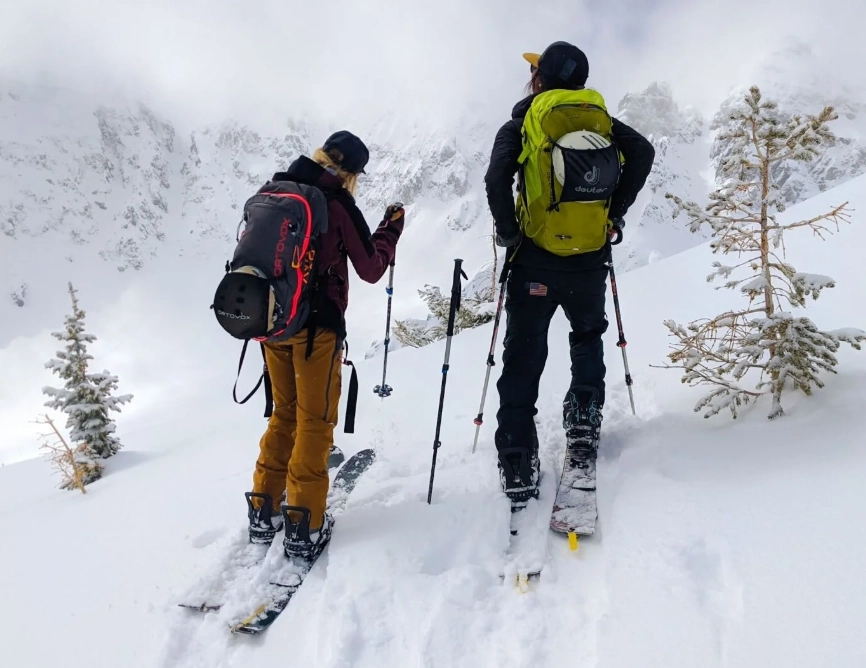
Pro Tip: Many skiers overlook the hip belt pockets. They're perfect for quick-access items like snacks, phone, or sunscreen. On a long tour, having a candy bar within reach without stopping is a game-changer.
Common Mistakes and How to Avoid Them
I've seen these errors time and again. Let's fix them.
Mistake 1: Buying Too Big or Too Small
A 40-liter pack for resort skiing is overkill—you'll fill it with junk and strain your back. Conversely, a 20-liter pack for a 3-day tour means strapping gear outside, which throws off balance. Match capacity to your actual needs.
Mistake 2: Ignoring Weight Distribution
Packing heavy items like water or food at the bottom makes the pack pull away from your body. Keep weight centered and high. On a tour in Alaska, I shifted my stove to the top, and my posture improved instantly.
Mistake 3: Skipping Safety Gear Practice
Owning an avalanche probe isn't enough. Practice deploying it with gloves on. I drill this every season—muscle memory matters in emergencies.
Mistake 4: Overlooking Weatherproofing
Even with a water-resistant pack, snow can seep in. Use dry bags or plastic liners for critical items like electronics and sleeping bags. A wet sleeping bag on a cold night is miserable.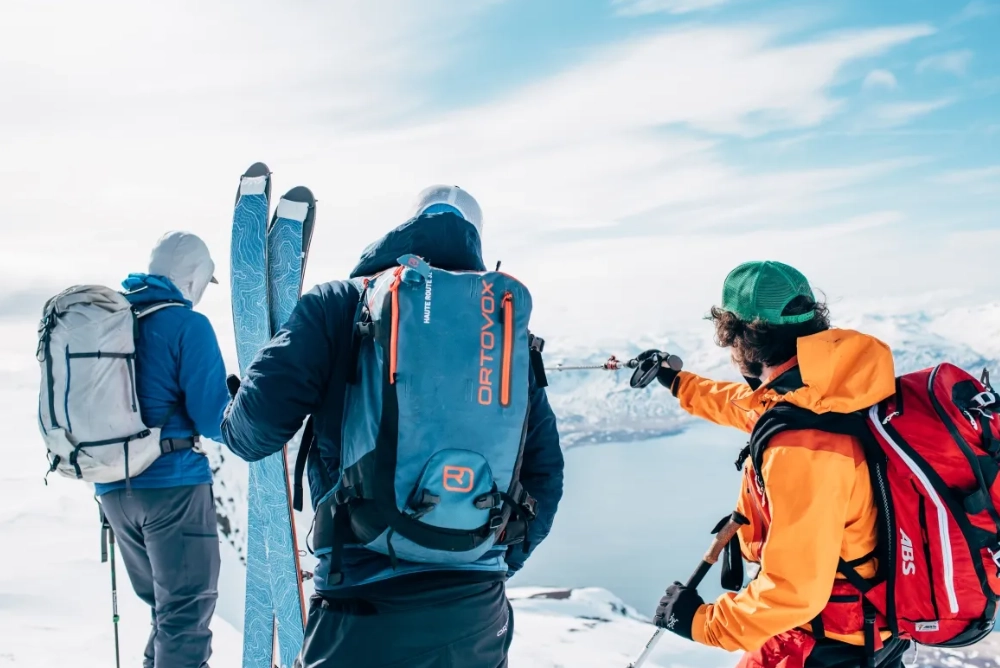
FAQ: Your Ski Backpack Questions Answered
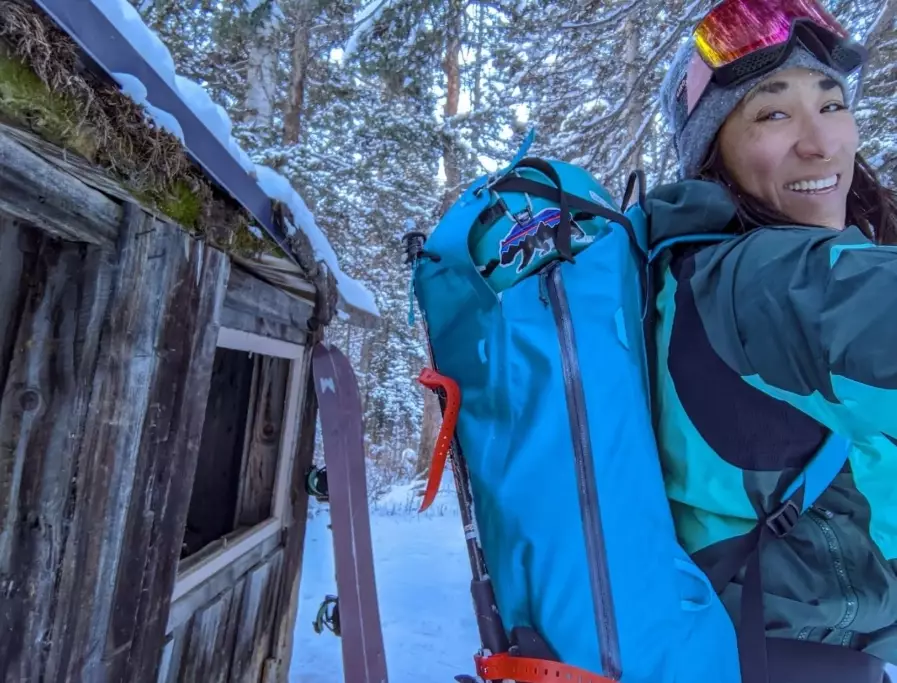 What's the biggest difference between a resort daypack and a multi-day touring pack beyond size?
Wrapping up, your ski backpack is more than a bag—it's a critical piece of gear that adapts to your adventure. Start with a clear use case, prioritize safety, and pack smart. Whether you're hitting the resort or heading into the wilderness, the right pack makes all the difference. Now go test some packs, and enjoy the ride.
Related Articles
Comments
Join the discussion