My first time in an Austrian ski resort, I made a classic mistake. I skied hard until 4 PM, rushed back to my hotel, showered, and then ventured out for dinner. The village was quiet. A few restaurants were open, but the real energy, the laughter spilling from wooden huts, the sense of community—I had completely missed it. I'd treated it like a theme park, hitting the slopes and leaving. That's not how it works here. Austrian ski culture is a living, breathing ecosystem that happens around the skiing as much as on the slopes themselves.
It's a blend of centuries-old mountain tradition and modern sport, where knowing how to navigate a Skihütte (ski hut) is as important as knowing how to carve a turn. This guide is for anyone who wants to move past the lift tickets and ski rentals to understand the soul of skiing in Austria. We'll get into the specific resorts, the unspoken rules, the food you must try, and the mistakes to avoid so you don't feel like an outsider.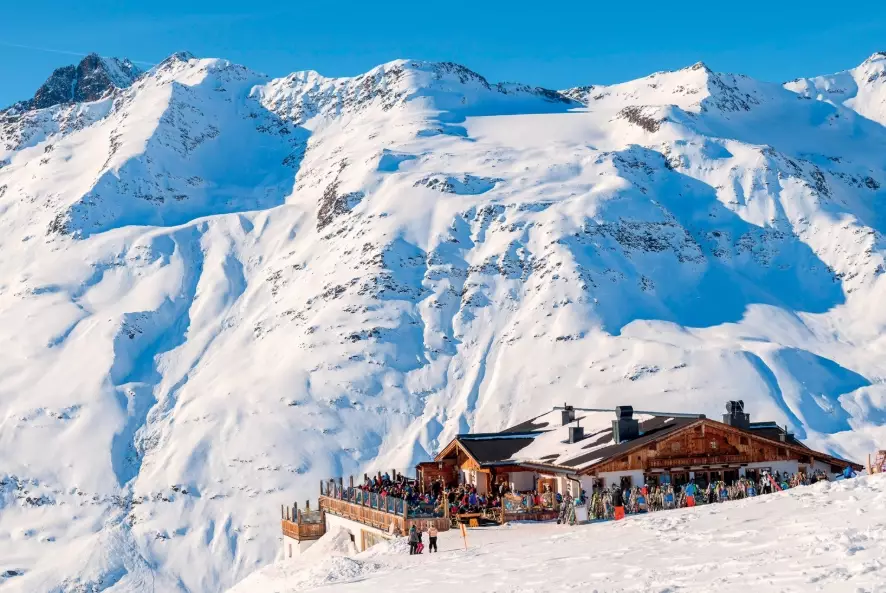
Your Quick Guide to Austrian Ski Culture
- What Exactly Is Austrian Ski Culture?
- Top Austrian Ski Resorts for an Authentic Cultural Experience
- How to Dress Like a Local Skier?
- Essential Ski Etiquette & Mountain Manners
- How to Navigate Austrian Après-Ski Like a Pro
- The Culinary Journey: From Kaiserschmarrn to Schnapps
- Skiing with a Conscience: The Local View
- Your Austrian Ski Culture Questions Answered
What Exactly Is Austrian Ski Culture?
Forget the glossy brochures. At its core, Austrian ski culture is about Gemütlichkeit – a feeling of cozy warmth, belonging, and good cheer. It's communal. The mountain is a shared space, and the rituals of the day bind everyone together: the early morning cable car ride with quiet anticipation, the strategic coffee break at 10:30, the long, convivial lunch, and the legendary transition from sport to social life known as après-ski.
It's also deeply rooted in history.
Austria, particularly the Arlberg region, is often called the cradle of alpine skiing. Pioneers like Hannes Schneider developed the modern ski technique here. This isn't a manufactured tourism product; it grew organically from mountain farming communities. That heritage shows in the architecture (wood and stone), the food (hearty, farm-based), and the respect locals have for the mountains.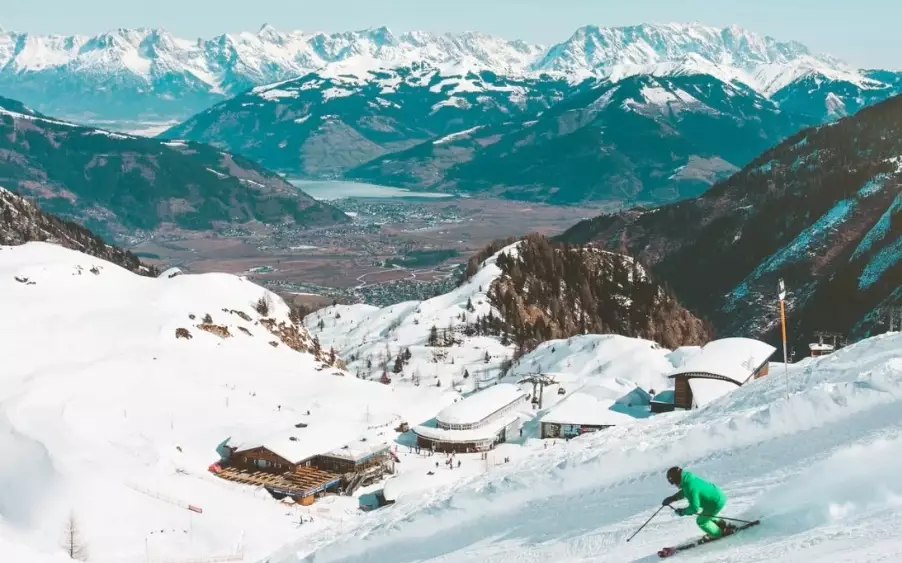
Top Austrian Ski Resorts for an Authentic Cultural Experience
Not all resorts offer the same cultural depth. Some are larger, more international, and faster-paced. Others retain a stronger village feel. Your choice depends on what flavor of culture you seek.
| Resort & Region | Cultural Vibe & Key Features | Best For | Approx. Price Note (Lift Pass) |
|---|---|---|---|
| St. Anton am Arlberg (Tyrol) | The undisputed après-ski capital. Home of the "Mooserwirt" and "Krazy Kanguruh." Fierce skiing, legendary party scene, but still a real town with history. The Ski Arlberg area is vast. | Expert skiers, social butterflies, those wanting the full "iconic" experience. | Premium price. A 6-day Arlberg pass is around €370. |
| Kitzbühel (Tyrol) | Glitz, glamour, and the Hahnenkamm downhill race. More upscale and fashionable, with high-end shopping alongside traditional huts. The Streif run is hallowed ground. | Intermediate to expert skiers, people-watching, luxury seekers mixed with ski heritage. | Upper-mid to premium. Can feel crowded and pricey during peak season. |
| Lech / Zürs am Arlberg (Vorarlberg) | Understated, aristocratic elegance. Quieter, more exclusive après-ski (think champagne bars, not shot bars). Favored by European royalty. Incredibly reliable snow. | Families, luxury travelers seeking tranquility, intermediates enjoying pristine groomers. | Top-tier pricing. The most expensive on this list. |
| Bad Gastein (Salzburg) | Belle Époque grandeur meets ski culture. Historic spa town with thermal springs. The après-ski is more relaxed, centered around wellness and hotel bars. Part of the massive Ski Amadé network. | Skiers who want a unique blend of skiing, architecture, and spa relaxation. | Good value within the large Amadé region. A 6-day Ski Amadé pass is about €320. |
| Mayrhofen (Zillertal, Tyrol) | A vibrant, young energy. Famous for the Penken park and the "Ice Stage" après-ski. Big, fun, and unpretentious. The Hintertux Glacier guarantees summer skiing. | Park and freeride skiers, younger crowds, families, and seasonnaires. | Mid-range. Excellent variety and value in the Zillertal valley. |
My personal bias? For a first-timer, St. Anton delivers the most concentrated dose of everything – challenging terrain, iconic huts, and that electric atmosphere. But if the St. Anton scene feels too intense, you'll find a more relaxed version of the same core culture in smaller villages like Alpbach or Sölden.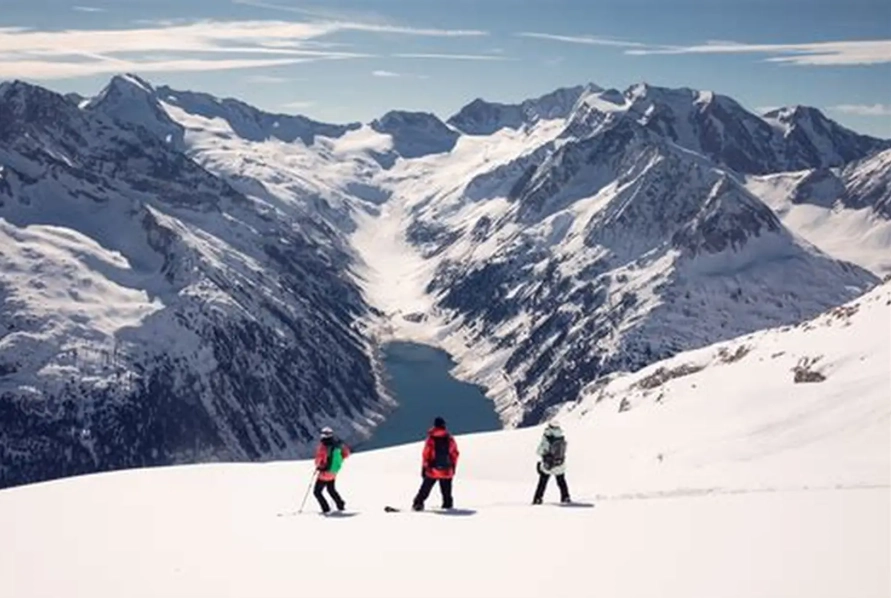
How to Dress Like a Local Skier?
This is where you can immediately blend in or stand out. It's not about the latest high-tech shell (though functionality matters). It's about a specific, almost uniform, style.
The Key Pieces
The Hat: A classic wool or felt hat, often with a brim or a pom-pom. Not a neon beanie. Look for brands like Bogner or Schöffel.
The Jacket: A mid-length, well-fitted puffer or insulated jacket is more common than a bare shell. Colors tend towards navy, burgundy, forest green, or classic patterns. The iconic "after-ski" jacket is a must for the evening.
The Accessories: Leather gloves, a substantial scarf, and good sunglasses (not goggles) for the hut terrace. Function meets fashion.
Essential Ski Etiquette & Mountain Manners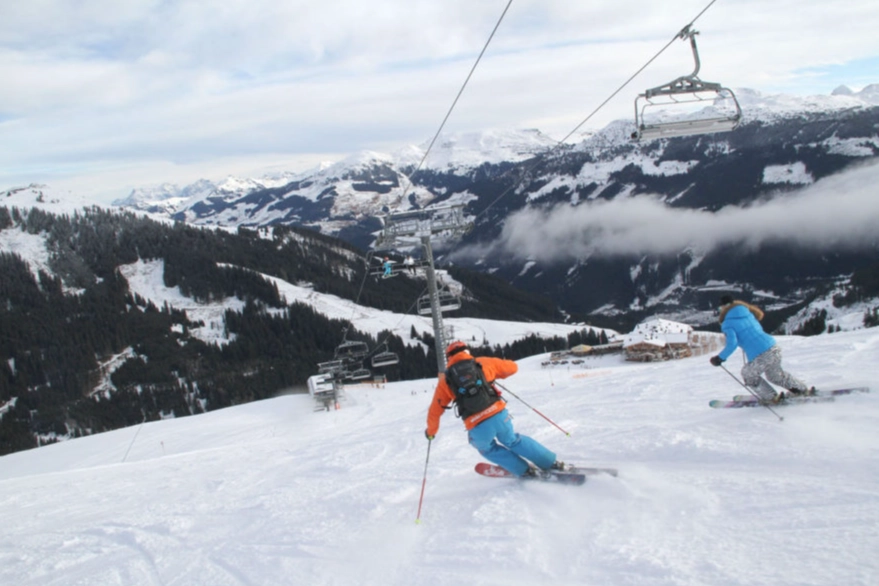
The rules aren't written down, but they're enforced by collective side-eye. The Austrian National Ski Association (ÖSV) promotes the FIS rules, but culture goes further.
Lift Line Conduct: No pushing. Form orderly queues. If you're a single skier, be ready to fill gaps when asked "Einzeln?" (Single?).
On the Slopes: The downhill skier has priority, but you must choose a line that doesn't cut off anyone below. Before stopping, look uphill and move to the side. Never stop just below a ridge or in a narrow passage.
In the Hut: Say "Grüß Gott" (a general greeting) when entering. It's polite. If a table has empty seats, it's customary to ask "Ist hier noch frei?" (Is this seat free?) before joining. Don't just plop down.
How to Navigate Austrian Après-Ski Like a Pro
Après-ski is a ritual, not an afterthought. It starts on the mountain, around 3:30-4 PM.
Phase 1: The Sun Terrace Session. Your last run should end at a famous sun-terrace hut like the Mooserwirt (St. Anton) or the Eisbar (Mayrhofen). You'll keep your ski boots on. Order a beer or a Jagertee (rum-spiced tea). There will be loud music, people dancing on tables in their ski boots. It's chaotic and glorious. Leave by 5:30-6 PM.
Phase 2: The Village Stroll & Dinner. Head back, change. The village comes alive. Dinner is late, often 7:30-8 PM onwards. This is when you wear your nice after-ski jacket.
Phase 3: The Late-Night Options. Bars and clubs kick in. In St. Anton, the Heustadl is a classic post-dinner spot. In Kitzbühel, try the Londoner. Pace yourself. A two-day hangover on a ski trip is a special kind of misery.
The Culinary Journey: From Kaiserschmarrn to Schnapps
The food is non-negotiable. It's fuel, comfort, and tradition.
Must-Try Dishes: Kaiserschmarrn: Shredded caramelized pancake with plum compote. The ultimate 3 PM sugar hit. Tiroler Gröstl: A hearty fry-up of potatoes, bacon, onion, and often a fried egg on top. Perfect after a cold morning. Kasnockn: Cheesy pasta dumplings, simple and devastatingly good. Germknödel: A giant steamed dumpling with plum filling and vanilla sauce.
Drinks: Beyond beer, try a Glühwein (mulled wine) or a Spezi (a mix of cola and orange soda that's inexplicably popular). End a meal with a tiny shot of Obstler (fruit schnapps) – it's digestif, not a party shot.
Skiing with a Conscience: The Local View
The conversation around snowmaking, energy use, and overtourism is real here. You'll see it in the increased use of public transport (free buses in resort areas are excellent), the promotion of regional produce in huts, and the investment in efficient snowmaking. As a visitor, you can participate: use the ski bus, choose a hotel with an environmental badge, and support the smaller, family-run huts instead of just the corporate-owned mountain restaurants. The Austrian Ecolabel is a good resource for finding sustainable businesses.
It's a delicate balance. The culture depends on tourism, but the locals are deeply protective of their environment. Being mindful of that isn't just politically correct; it's a sign of respect for the culture you're there to experience.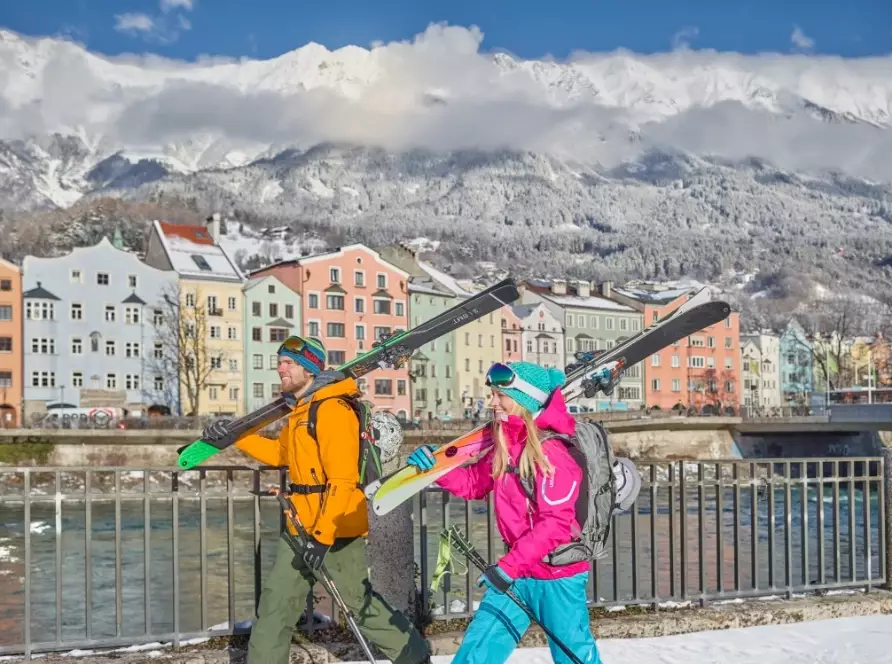
Your Austrian Ski Culture Questions Answered
Is Austrian ski culture only for expert skiers and hard partiers?
Not at all. That's a common misconception fueled by the fame of places like St. Anton. The culture envelops everyone. Families have their rituals (earlier dinners, specific gentle slopes). Intermediate skiers enjoy the same hut lunches and scenic terraces. The après-ski spectrum ranges from raucous boot-dancing to a quiet Glühwein by a fireplace. Choose your resort and your daily schedule to match your preferred pace.
I'm on a budget. Can I still experience the culture without spending a fortune in mountain restaurants?
Absolutely. The culture isn't locked behind a paywall. Pack a sandwich and buy a single drink to secure a spot on a sun terrace for hours—that's completely acceptable. Soak in the atmosphere. Enjoy the free public areas in villages. The evening stroll to window-shop and people-watch costs nothing. Focus on the communal aspects, not the consumptive ones. A Wanderhütte (a hut not on the slopes) often has cheaper, more authentic food than the prime slope-side locations.
What's one subtle mistake that immediately marks someone as an outsider?
Rushing. The culture operates on mountain time. Lingering over a two-hour lunch isn't lazy; it's the point. The skier who bolts down the piste without a break, who eats a power bar on the lift, who views the mountain purely as a track to be conquered—they're missing the point. The most Austrian thing you can do is to slow down, pick a sunny table, order a coffee and a slice of cake at 11 AM, and just watch the world go by for a while. That's when you start to feel it.
How important is it to speak German?
In major resorts, English is widely spoken. But learning a few phrases (Grüß Gott, Danke, Bitte, Ein Bier, bitte) is a huge gesture of respect. It shows you see yourself as a guest in their world, not just a consumer. In smaller, more traditional villages, a few words of German can unlock a warmer welcome and better service.
Are the famous après-ski places overly touristy and inauthentic?
Some are, yes. The Mooserwirt is a temple of mass tourism, but it's also an authentic piece of the culture—it evolved that way because Austrians loved it first. For a more local vibe, ask your hotel receptionist or lift operator where they go after work. There's always a Gasthaus or a bar slightly off the main drag where the seasonal workers and locals hang out. That's where you'll find the unfiltered version.
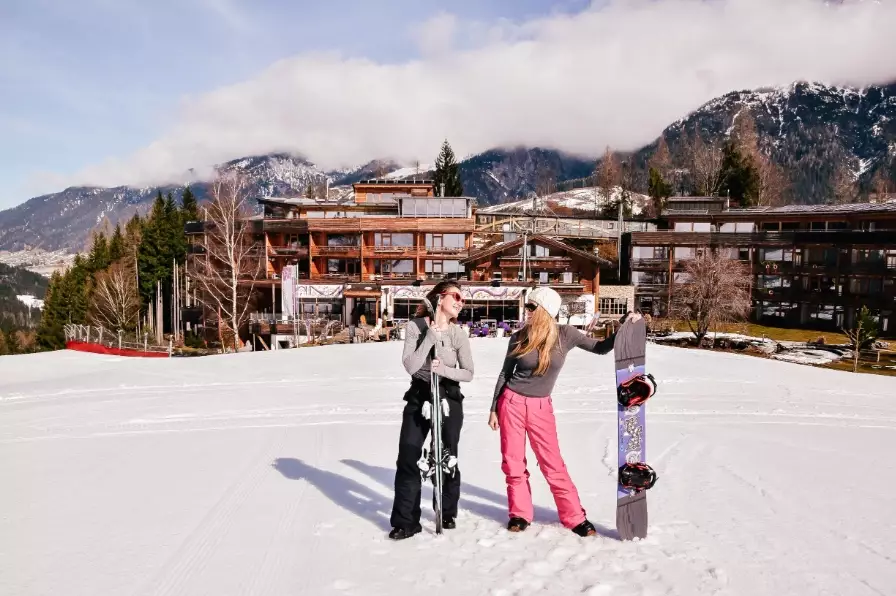 The Austrian ski culture experience is a layered thing. It's the burn in your legs on the last run, the taste of cold beer on a sunny terrace, the smell of woodsmoke and damp wool, the sound of a dozen languages mixing in a crowded hut. It's understanding that the mountain is the main event, but the community built around it is what you'll remember. Go for the skiing, but stay for the culture. Just don't make my first-timer mistake and go back to your hotel too early.
Related Articles
Comments
Join the discussion