Let's cut to the chase. If you're looking at a map and wondering where to find the most efficient, snow-sure, and frankly mind-blowing ski vacation in the United States, your finger should land squarely on Salt Lake City, Utah. It's not just marketing hype. The "Greatest Snow on Earth" slogan is backed by cold, hard science—the unique geography of the Wasatch Range produces light, dry powder that's the stuff of legend. But beyond the perfect snow, the real magic is logistics. You can land at Salt Lake City International Airport (SLC) and be strapping into your bindings at a world-class resort in under 90 minutes. No other major ski destination offers that.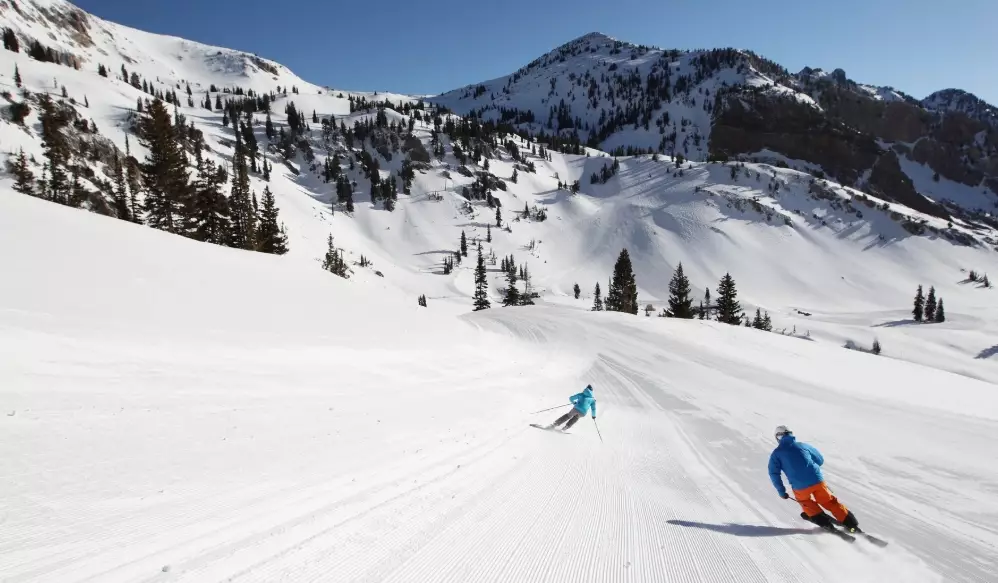
Your Ski Trip Roadmap
- Why Salt Lake City is a Skier's Dream Basecamp
- The Big Four: A Breakdown of Salt Lake City's Premier Ski Resorts
- How to Plan Your Salt Lake City Ski Trip: A Step-by-Step Guide
- The Ski Pass Decision: Ikon, Epic, or Independent?
- Local Insider Tips You Won't Find on the Trail Map
- Salt Lake City Skiing: Your Questions Answered
Why Salt Lake City is a Skier's Dream Basecamp
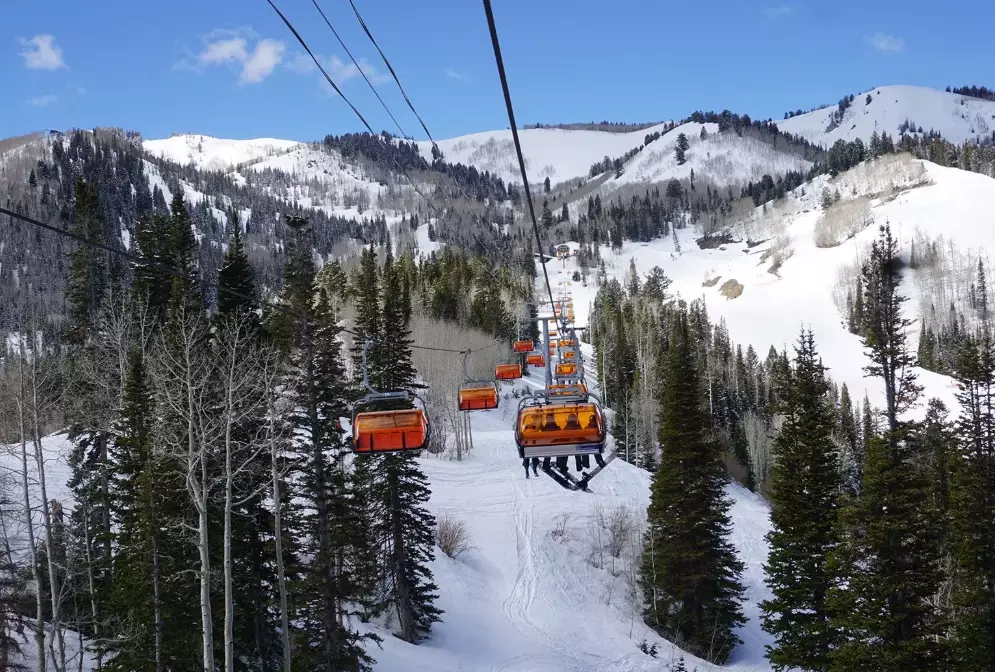
Forget long mountain transfers and being stuck in one resort village. Salt Lake City turns the traditional ski trip model on its head. You stay in a real city with hundreds of restaurant options, affordable accommodations, and a vibrant nightlife, then drive up the canyons each morning. The choice is yours: tackle a different resort every day or find your favorite and dive deep.
The snow quality is the main event. The Great Salt Lake acts as a massive moisture source. Storms sweep across the lake, pick up water vapor, and then slam into the steep Wasatch Mountains, where they dump feet of that famous low-density powder. The result? More powder days than you can shake a ski pole at.
The Big Four: A Breakdown of Salt Lake City's Premier Ski Resorts
You have two main canyon corridors to choose from, each with a distinct personality. Big Cottonwood and Little Cottonwood Canyons are home to the iconic resorts with the steepest terrain and deepest snow. Parleys Canyon leads to the more family-oriented, sprawling areas.
| Resort | Canyon / Area | Drive Time from SLC | Key Vibe & Terrain | Best For |
|---|---|---|---|---|
| Snowbird | Little Cottonwood | 45-60 mins | Steep, challenging, legendary powder. Minimal frills, maximum vert. The terrain is relentless. | Expert skiers, powder hounds, those who live for steep chutes and bowls. |
| Alta | Little Cottonwood | 45-60 mins | Classic, ski-only (no snowboards), incredibly snow-preserving terrain. A purist's paradise. | Purists, intermediates looking to advance, anyone who loves traditional ski culture. |
| Brighton | Big Cottonwood | 45-60 mins | Local favorite, relaxed, fantastic tree skiing and park features. Great value. | Families, park rats, tree skiers, night skiing enthusiasts. |
| Solitude | Big Cottonwood | 40-55 mins | Literally named well. Less crowded, elegant terrain mix, beautiful bowls. | Skiers avoiding crowds, couples, those who appreciate a quieter, more refined experience. |
| Park City Mountain | Park City (Parleys) | 35-50 mins | Massive. One of the biggest resorts in the US. Linked with Canyons Village. Tons of groomers, amenities, and apres. | Beginners, groups with mixed abilities, those who want a huge variety and a bustling base village. |
| Deer Valley | Park City (Parleys) | 40-55 mins | Upscale, ski-only, impeccably groomed, legendary service. Limits lift ticket sales. | Luxury seekers, intermediate cruisers, skiers who prioritize comfort and service over extreme terrain. |
A note on the Cottonwood Canyons: They are susceptible to traffic and occasional closure during major storm cycles due to avalanche mitigation. The Utah Department of Transportation does an incredible job, but it's a factor. Always check Cottonwood Canyons for real-time alerts and traction law requirements (you often need 4WD/AWD or snow tires).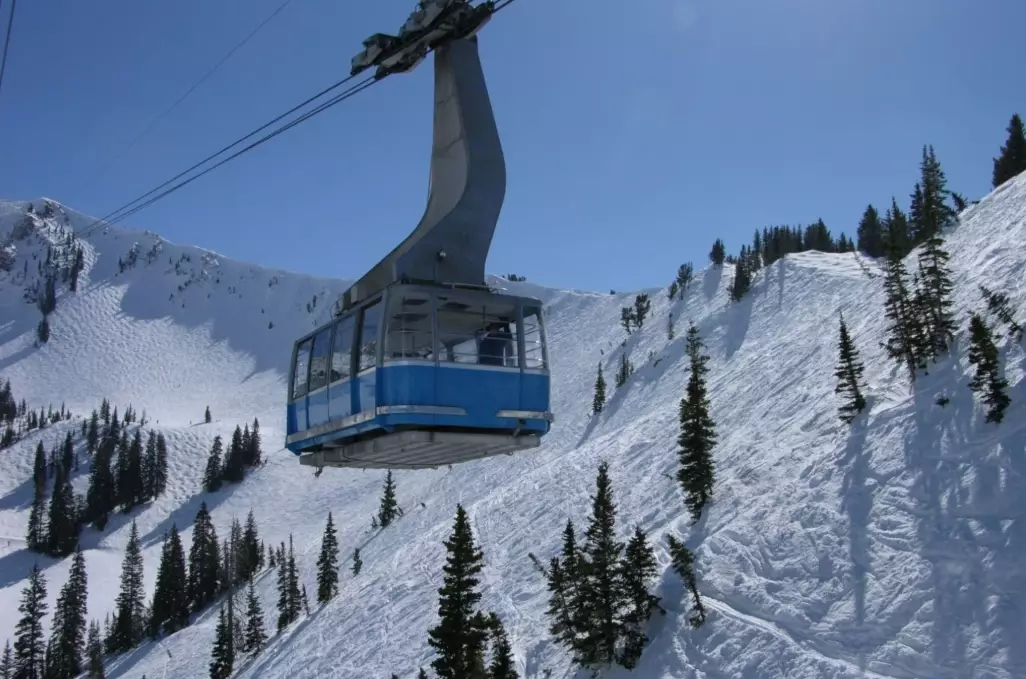
How to Plan Your Salt Lake City Ski Trip: A Step-by-Step Guide
This isn't theoretical. Here's how you actually build your trip.
Step 1: Choose Your Home Base
Downtown Salt Lake City: My personal recommendation for a first trip. You get the most flexibility. Stay near the City Creek or 9th & 9th districts. You'll have easy access to I-215, which connects to all the canyons, plus endless dinner options. The Salt Lake City Downtown Marriott or the Hilton City Center are reliable, ski-friendly choices with gear storage.
Park City: If you want the full resort-town immersion and plan to ski Park City or Deer Valley almost exclusively. It's more expensive, and getting to the Cottonwood resorts is a longer, less convenient drive (60-75 mins).
Mid-Valley (like Sandy or Cottonwood Heights): The local's hack. Towns at the base of Big and Little Cottonwood Canyons. You'll shave 15-20 minutes off your morning drive. Look for vacation rentals or hotels like the Hyatt Place Sandy.
Step 2: Build Your Daily Itinerary
Don't just wing it. A typical day looks like this:
- 6:45 AM: Wake up, check canyon traffic and weather on UDOT's app.
- 7:30 AM: Leave your accommodation. Yes, that early. Beating the canyon traffic is non-negotiable for a good parking spot and fresh tracks.
- 8:30 AM: Park, gear up, and be in the lift line for first chair (or close to it).
- 1:00 PM: Quick lunch on the mountain. Pack a snack bar to avoid peak cafeteria crowds.
- 3:30 PM: Last few runs. Start heading down the canyon by 4:00 PM to avoid the worst of the outgoing traffic.
- 5:30 PM: Apres-ski in the city. Hit a local brewery like Fisher or Proper Brewing, or soak in a hot tub.
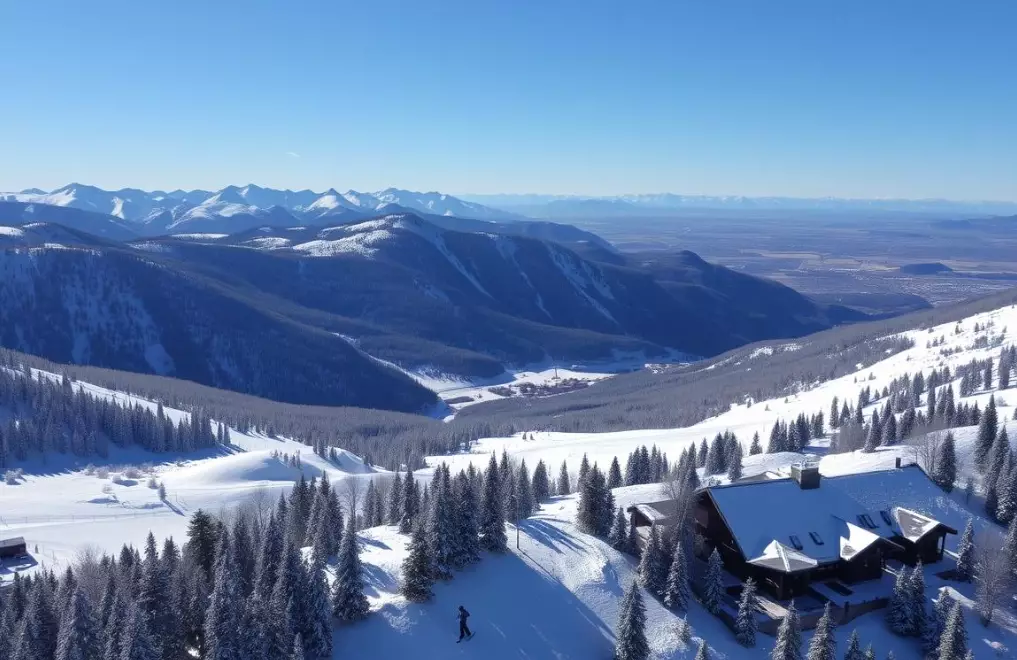
Step 3: Rent Gear Smartly
Skip the overpriced, crowded resort rental shop. Rent from a shop in the valley like Ski 'N See or Lone Pine Gear. They offer high-performance demos, better prices, and you can pick up the night before. Some even offer in-hotel delivery.
The Ski Pass Decision: Ikon, Epic, or Independent?
This is a crucial financial and strategic choice.
The Ikon Pass is the powerhouse for Salt Lake City proper. It gives you access to Alta, Snowbird, Brighton, Solitude, and Deer Valley (with some day restrictions). If your heart is set on the Cottonwood Canyon experience, Ikon is almost always the answer. Buying a 4-day pass at the window for these resorts will cost you nearly as much as an entire season's Ikon Base Pass purchased in the spring.
The Epic Pass gives you unlimited access to Park City Mountain. If you're a beginner or your group really wants the vast, groomed terrain and easy village life of Park City, Epic makes sense. But it locks you out of the Cottonwood resorts.
Going Independent: If you're only skiing 1-2 days or have a very specific single-resort plan, look for advance-purchase lift tickets directly on the resort's website. They're expensive, but slightly less so than the walk-up rate.
Local Insider Tips You Won't Find on the Trail Map
After a decade of skiing here, you learn a few things.
First, the traffic rule. On a powder day, if you're not in the canyon by 7:15 AM, you might be sitting in a line of cars for an hour. The parking lots at Alta and Snowbird fill fast. Have a backup plan—Brighton often has more parking, and the skiing is just as good.
Second, the lunch hack. The cafeterias at Snowbird and Alta are packed and pricey. Tuck a sandwich in your jacket or, at Snowbird, ski down to The Cliff Lodge and grab a quicker bite at the General Gritts cafeteria in the basement. It's cheaper and less chaotic.
Finally, the secret weapon for intermediate skiers intimidated by Little Cottonwood: Start at Solitude. Its terrain is more forgiving but still delivers that incredible Wasatch snow. Use it to warm up and build confidence before hitting the steeper stuff at Alta or Snowbird.
Salt Lake City Skiing: Your Questions Answered
 Is it really feasible to ski different resorts each day without changing hotels?
Related Articles




Comments
Join the discussion