You've got your skis, your boots, your fancy new jacket. You're ready to go, right? Not so fast. The difference between a great day on the mountain and a miserable one often comes down to what's in your backpack. Forget the generic lists that tell you to bring "water" and "snacks." After over a decade of guiding and countless days in the backcountry and resort, I've seen the same packing mistakes ruin trips. This checklist is built from hard-earned experience—it's the stuff you'll actually need, organized in a way that makes sense when you're cold, tired, and fumbling with gloves.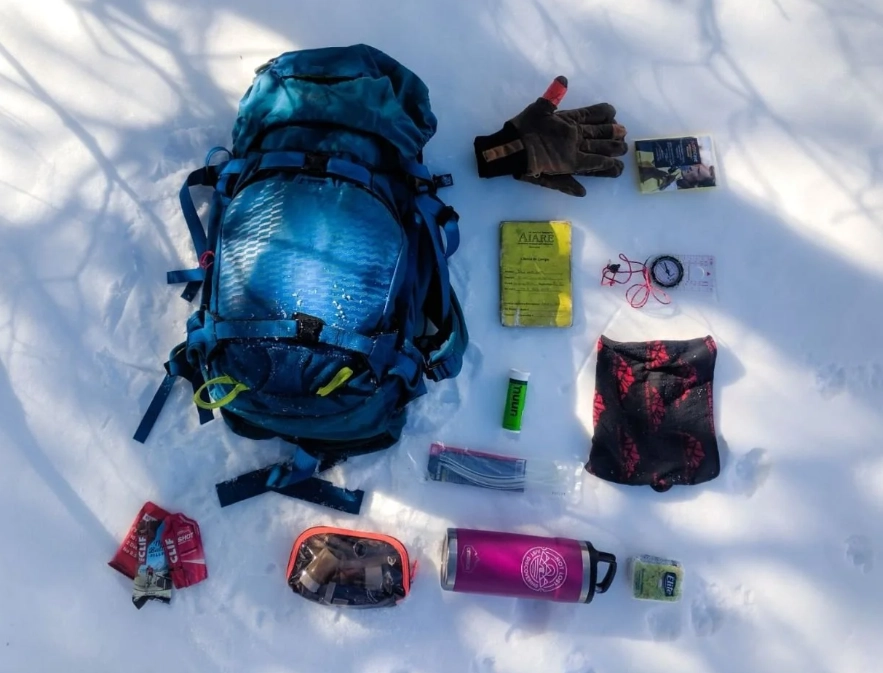
Your Quick Packing Guide
The Core Safety System: Non-Negotiables for Every Skier
This isn't just about convenience. These items are for managing real risks, from sudden weather changes to minor injuries that can escalate. Whether you're skiing in-bounds at a resort or venturing into the backcountry, most of this list applies.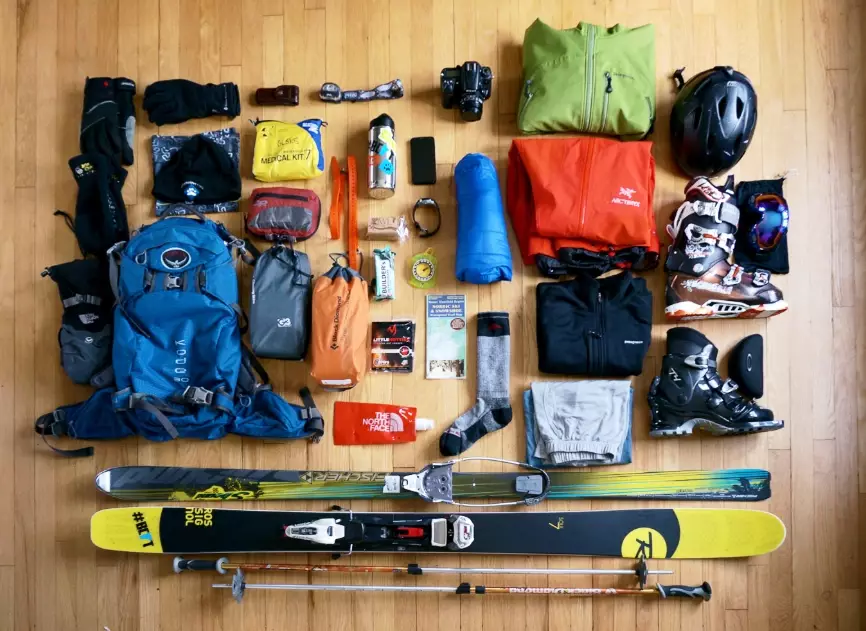
1. The Repair & First Aid Kit (The "Oh Crap" Kit)
A multi-tool with a ski-specific Phillips head screwdriver is non-negotiable. Binding screws come loose all the time. Add a roll of high-quality duct tape (wrap it around a ski pole or water bottle), a few zip ties, and a spare ski strap. For first aid, think beyond band-aids. A compact kit should have:
- Blister pads (like Compeed). Cold feet plus friction is a blister factory.
- A triangle bandage or a SAM splint. A sprained wrist is more common than you think.
- Antiseptic wipes and gauze.
- A space blanket. It weighs nothing and can be a lifesaver if someone gets hurt and has to wait.
2. Insulation & Shelter Layers
Your ski jacket is your primary layer, but what if you have to stop for an extended period? A breakdown, a long lift line closure, helping an injured friend. Your body heat plummets.
An extra hat and a pair of lightweight gloves or liners are also crucial. Ever been stuck on a lift with numb fingers? It's terrible. Having a dry, thin pair to switch into is a game-changer.
3. Navigation & Communication
For resort skiing, a fully charged phone is usually enough. Put it in a zip-lock bag. For any side-country or backcountry travel, this category expands dramatically: a physical map and compass (and the knowledge to use them), a GPS device or app like Gaia GPS, and a fully charged power bank. A whistle is a simple, effective signaling tool that should be attached to your pack's shoulder strap.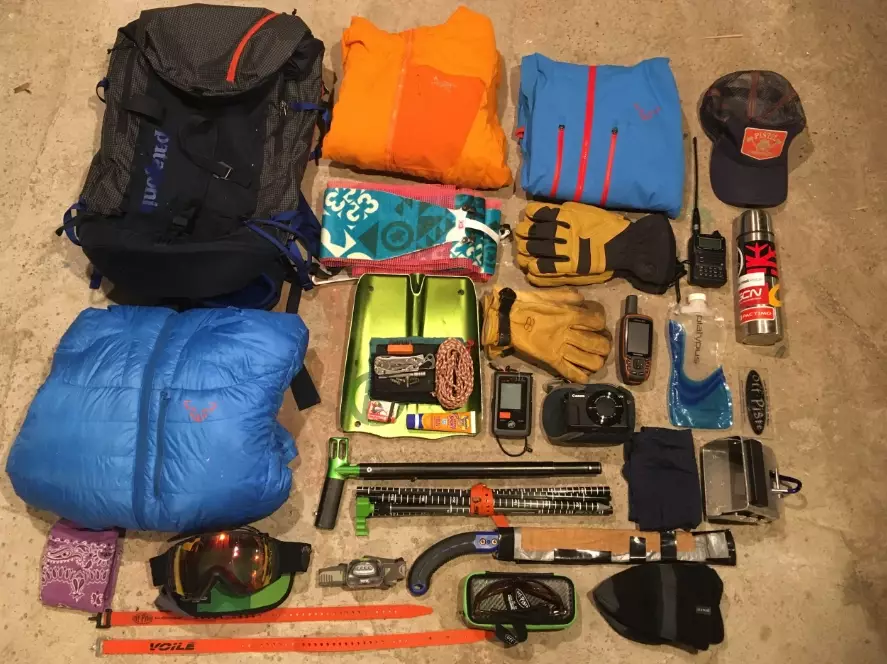
The Comfort Zone: What Makes the Day Enjoyable
Now for the items that transform a basic day into a great one. These address the common annoyances that wear you down.
| Item Category | Specific Items & Why | Packing Priority |
|---|---|---|
| Hydration & Nutrition | Insulated water bottle or hydration bladder with an insulated tube. Bladders freeze. Use an insulated sleeve or stick to a wide-mouth bottle you can fill with warm water. High-energy snacks: Think fats and proteins—nuts, jerky, cheese, chocolate. Avoid pure sugar crashes. | High (Easy Access) |
| Eye & Skin Care | Extra ski goggles lens (for flat light or stormy conditions if yours are tinted). Sunscreen (SPF 30+) and lip balm. Reapply at lunch. The sun at altitude is brutal, and snow reflection doubles the effect. A small lens cloth is gold for clearing foggy goggles. | Medium (Side Pocket) |
| Foot & Hand Care | A spare pair of ski socks. This is my secret weapon. Nothing rejuvenates cold, damp feet like fresh, dry socks at lunch. Hand warmers. Don't rely on them, but they're great in a pinch. | Medium (Mid-Pack) |
| Miscellaneous Essentials | Cash and ID. For lunch, emergencies, or the unlikely need to prove who you are. A compact headlamp. Days are short. If your day runs long, you don't want to be caught in the dark. A small pack of tissues or a buff. Runny noses are a fact of skiing life. | Low (Bottom) |
How to Pack Your Ski Backpack: The Layering System
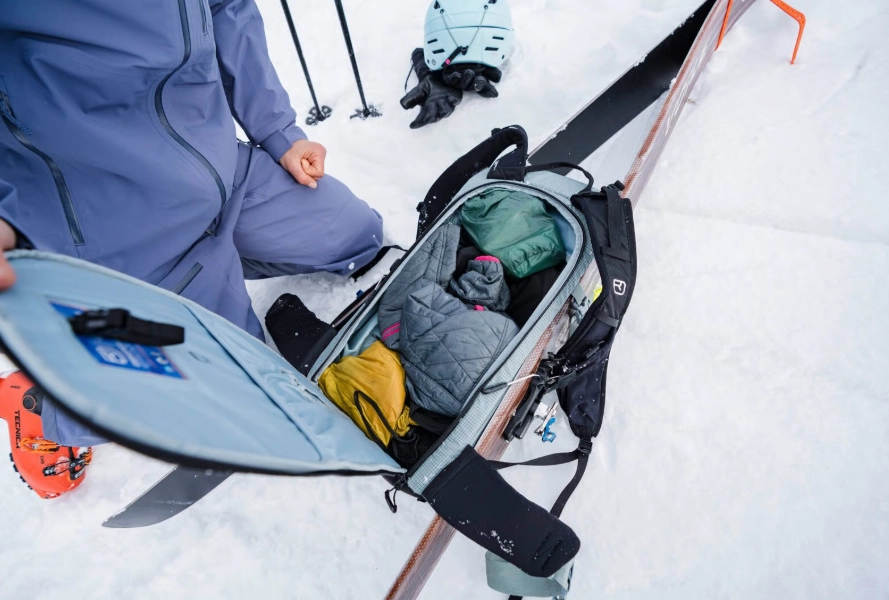
Packing order matters. You don't want to unpack your entire bag on a windy ridge to find your screwdriver. Think in layers from bottom to top.
Bottom Layer (Least Needed): This is for your spare insulation—the puffy jacket, maybe the spare socks. Stuff them in to create a cushioned base.
Middle Layer (Core Gear): Your repair kit, first aid, extra food, headlamp. The items you might need during a planned stop, like lunch.
Top Layer & Pockets (Frequent Access): This is your high-frequency zone. Water, snacks, sunscreen, lip balm, lens cloth, phone, goggles lens. Use the shoulder strap pockets, hip belt pockets, and the main compartment's top section. If you can't reach it with one hand while keeping your skis on, it's in the wrong place.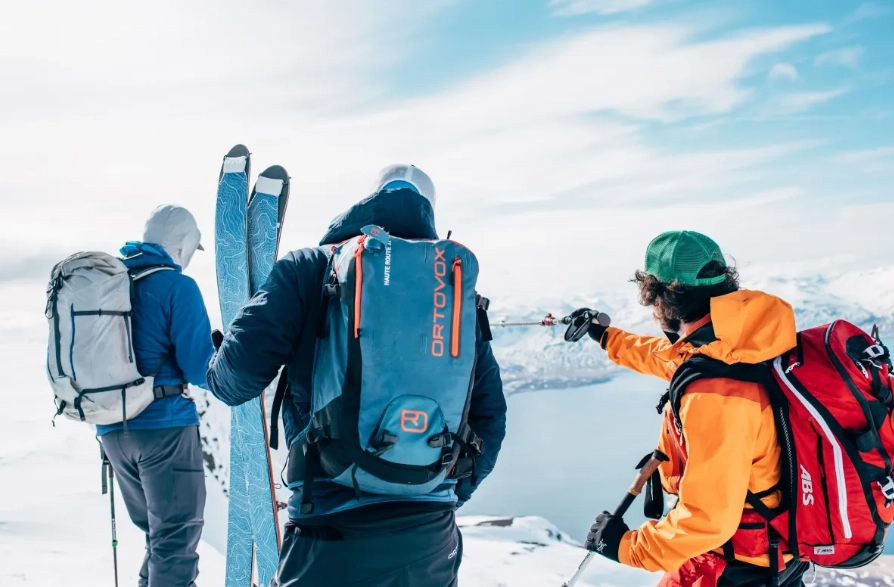
Common Packing Mistakes (And How to Avoid Them)
I see these every season.
Overpacking: You're not summiting Everest. A heavy pack throws off your balance and exhausts you. Be ruthless. Do you really need that second sandwich? Probably not.
Underpacking Warmth: Assuming your ski jacket is enough. It's not if you're stationary. That extra insulation layer is your safety net.
Forgetting the "Small Luxuries": That spare pair of socks, the lens cloth, the extra buff. These weigh nothing but have an outsized impact on comfort. They're the difference between feeling gritty and feeling fresh.
Not Personalizing the List: This is a template. Add your personal meds, a favorite tea bag for the lodge, or a compact camera. Make it work for you.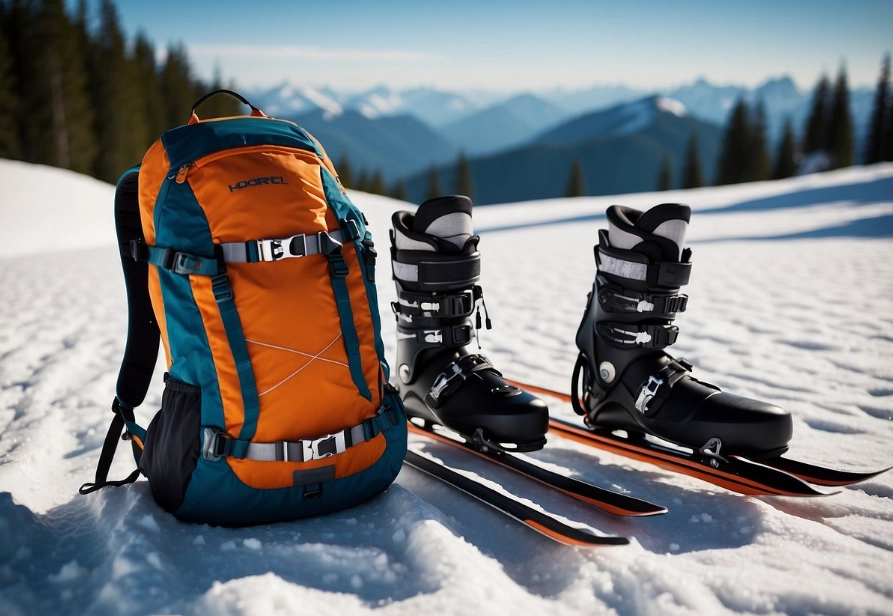
Your Ski Backpack Questions Answered
 What's one item most people forget that you always pack?
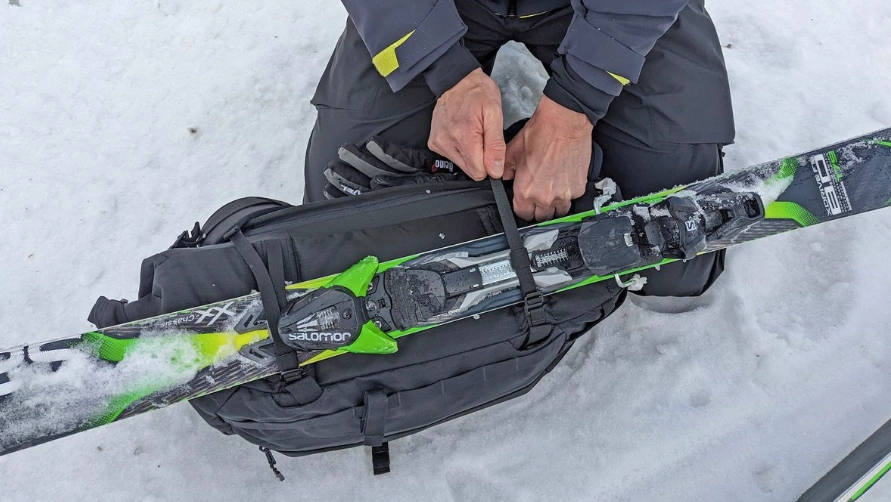 Packing your ski backpack shouldn't be an afterthought. It's part of your gear, as important as your skis. A well-packed bag gives you confidence. It means you can handle a loose binding, a sudden storm, or just a case of cold hands without letting it derail your day. Use this list as your foundation, tweak it based on your own experiences, and you'll spend less time worrying and more time enjoying the turns.
Related Articles



Comments
Join the discussion