Let's be honest. Most people's ski boots don't fit right. You buy them off the rack, maybe get a quick shell check, and hope for the best. Then you spend the first three days of your ski trip breaking them in, dealing with pressure points, numb toes, and a general feeling that your feet are in a medieval torture device. It doesn't have to be this way. Heat molding your ski boot liners and investing in custom footbeds are the two most significant upgrades you can make for comfort and performance, period. This isn't just a luxury; for many skiers, it's the difference between loving and hating a day on the mountain.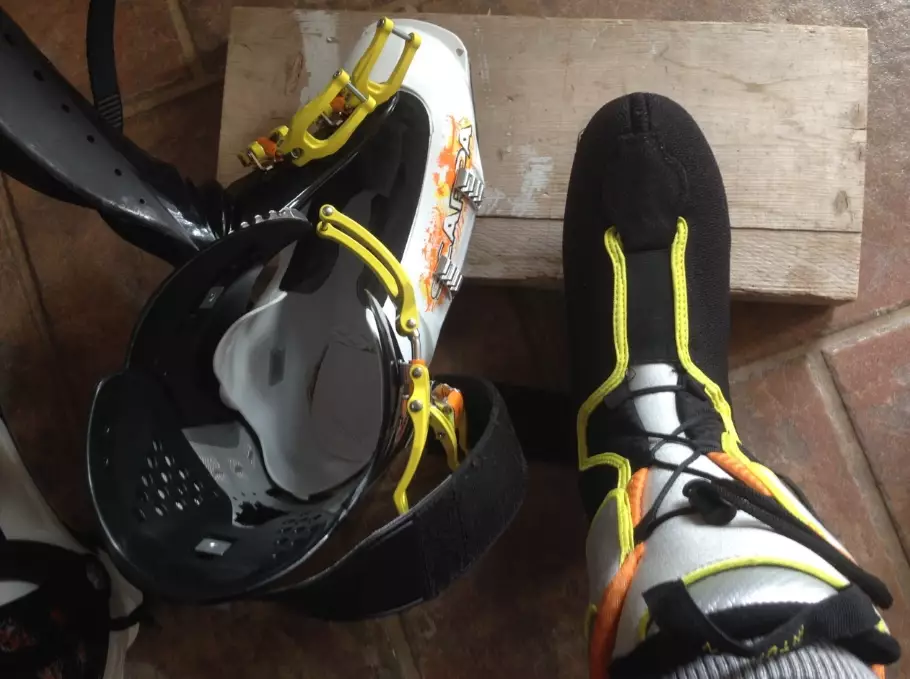
What’s Inside This Guide
What Exactly Is Ski Boot Heat Molding?
Heat molding, often called "thermo-fitting" or "boot cooking," is a process that uses controlled heat to soften the foam liner inside your ski boot. Once soft, you put the boot on and stand in a neutral, athletic ski stance. As the liner cools (which happens quickly), it sets and conforms to the exact contours of your foot, ankle, and lower leg. It's like getting a bespoke suit, but for your ski interface.
The key material here is EVA (Ethylene-Vinyl Acetate) foam. Most modern mid-to-high-end ski boot liners are made from a heat-moldable EVA blend. When you heat it to around 60-80°C (140-176°F), the foam's memory is temporarily erased. It becomes pliable. When it cools under pressure from your foot, it creates a new, custom memory. This process addresses specific pressure points, fills dead space that causes heel lift, and creates a more even pressure distribution around your entire foot and shin.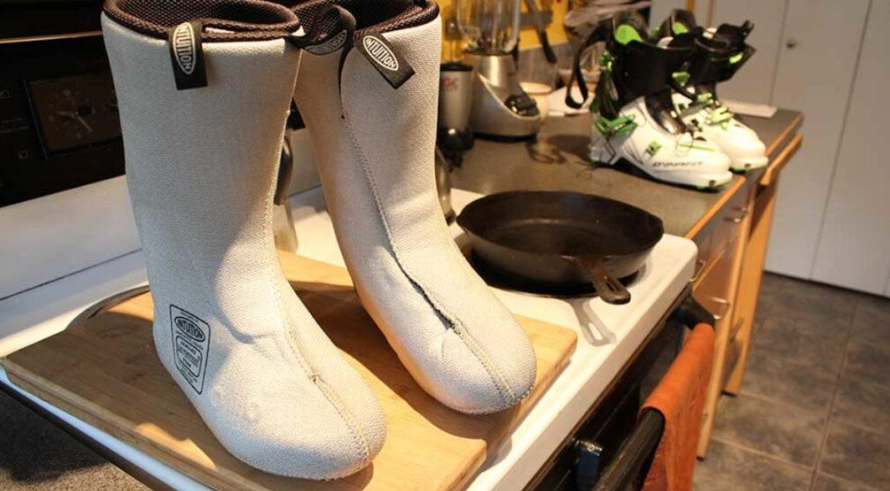
What gets molded? Primarily the liner. Some advanced boot shells (the outer plastic part) are also "shell moldable" using a specific heat gun process performed only by trained technicians. Never try to heat mold the shell yourself unless the manufacturer's instructions explicitly say you can.
DIY Home Oven Method vs. Professional Shop Fitting
This is the big decision point. You can find countless YouTube videos showing people throwing their liners in the kitchen oven. Sometimes it works. Often, it leads to melted liners, ruined boots, and a disappointed skier. Let's break down the real difference.
CostFree (but potentially costly if you ruin your boots).Typically $50 - $150, often including a basic footbed consultation.| Aspect | DIY Home Oven Method | Professional Boot Fitter |
|---|---|---|
| Equipment | Your home oven, kitchen timer. Inconsistent heat source. | Specialized convection oven, precise temperature control, boot-fitting tools (grinders, punches, shims). |
| Process Control | Guesswork. You're heating the entire liner uniformly, which isn't always ideal. | Targeted heating. A pro can heat specific zones (e.g., just the ankle pocket) more or less than others based on your needs. |
| Expert Assessment | None. You're on your own. | A trained eye analyzes your stance, foot anatomy, and boot alignment before any heat is applied. They identify issues you'd never see. |
| Post-Molding Adjustments | None. If a spot is still tight, you're stuck. | They can immediately grind, punch, or stretch the shell in precise locations to relieve pressure after the liner is molded. |
| Risk Factor | High. Overheating destroys liners. Underheating does nothing. | Very low. They do this dozens of times a day. |
My take? If you have a brand new, expensive pair of boots and you're serious about skiing, go to a pro. The cost is a fraction of your ski trip and the boots themselves. The DIY method is a last resort for old boots or if you have absolutely no access to a boot fitter.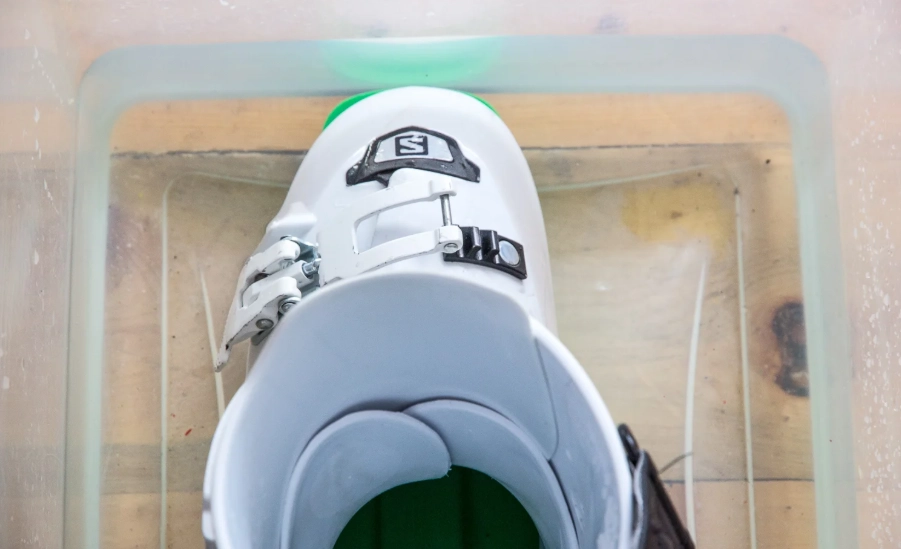
A critical nuance most miss: Heat molding is not for making a boot that is structurally too small fit you. It's for customizing a boot that is the correct size and shell fit but has localized pressure points or a bit of extra volume. If your toes are jammed against the end in a neutral stance, you need a bigger boot, not more heat.
Why Custom Footbeds Are a Game-Changer
Think of your foot inside the boot. The stock footbed is a flat, flimsy piece of foam. Your foot is a complex, arched structure. That flat surface forces your arch to collapse under load (i.e., when you ski). This is called pronation. When your arch collapses, your ankle rolls in, your knee drops inward, and your entire lower-body alignment goes out the window. You lose power transmission and efficiency, and you fight the boot all day.
A custom footbed, made from a mold of your foot in a neutral, supported position, does three things:
- Supports your arch: This keeps your foot stable and prevents energy-wasting pronation.
- Improves heel hold: By filling the space under your arch, your heel is cradled and locked down, eliminating lift.
- Evenly distributes pressure: No more hot spots on the ball of your foot.
The process at a good shop involves you sitting on a bench with your legs dangling. The fitter uses a foam box or digital scanner to capture your foot's shape while it's not bearing weight. They then build a footbed with the correct arch support, heel cup, and metatarsal support for you. This isn't a Superfeet off-the-shelf insert (though those are better than stock). This is a true custom orthotic for skiing.
I made the switch a decade ago. The first run with proper footbeds felt like I had new legs. The connection to the ski was direct and immediate. The vague, mushy feeling was gone.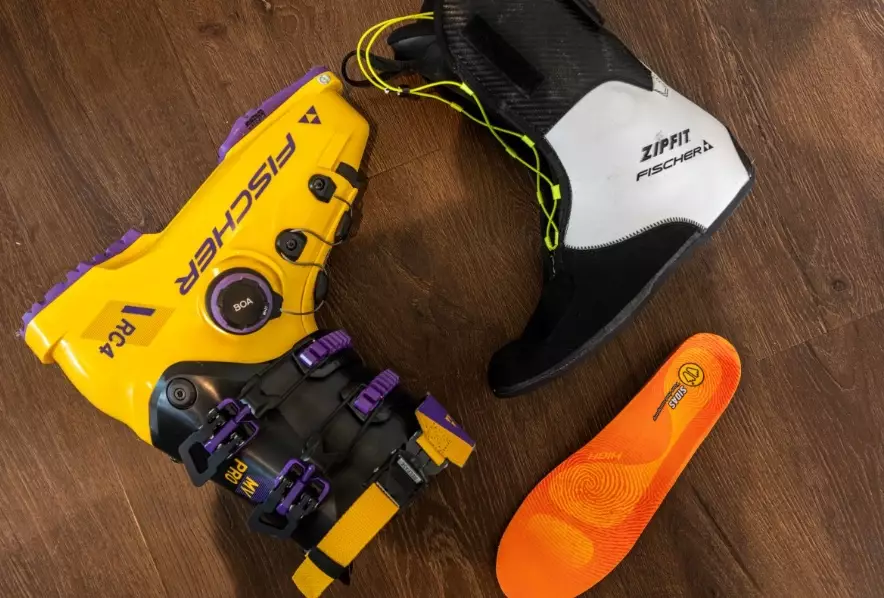
The Step-by-Step Heat Molding Process (Pro Version)
So what actually happens when you hand your boots to a certified boot fitter? Here's the typical sequence for a comprehensive fit including custom footbeds.
1. The Initial Assessment & Shell Fit
Before you even take your socks off, a good fitter will ask about your skiing ability, days per year, and any pain points. Then comes the shell fit. You remove the liner and place your bare foot into the empty shell. Slide your foot forward until your toes just touch the front.
The fitter checks the space behind your heel. One to two fingers' width (1.5-2 cm) is the general gold standard for a performance fit. This is the single most important sizing check, and it's something you can do at home before buying.
2. Footbed Creation & Preparation
Next, they'll make your custom footbeds. This can take 20-45 minutes. While that's happening, they might have you walk around in the boots with the stock liners to identify initial pressure points. They'll mark these spots on the shell with a wax pencil.
3. The Heat Molding Session
With your new footbeds in the liners, the liners go into the convection oven. The fitter sets a specific time and temperature based on the liner material. They don't just walk away; they monitor it.
Once warm, they quickly insert the liners back into the shells. You put on a thin ski sock (bring your own, the ones you'll actually ski in), and step in. You buckle the boots snugly, but not tourniquet-tight, starting from the toe and working up. Then you stand in a neutral, slightly flexed ski stance for 10-15 minutes as the liners cool and set.
This is where a pro adds value. They might have you flex forward repeatedly, or shift weight to one foot, to ensure the liner sets in a dynamic position.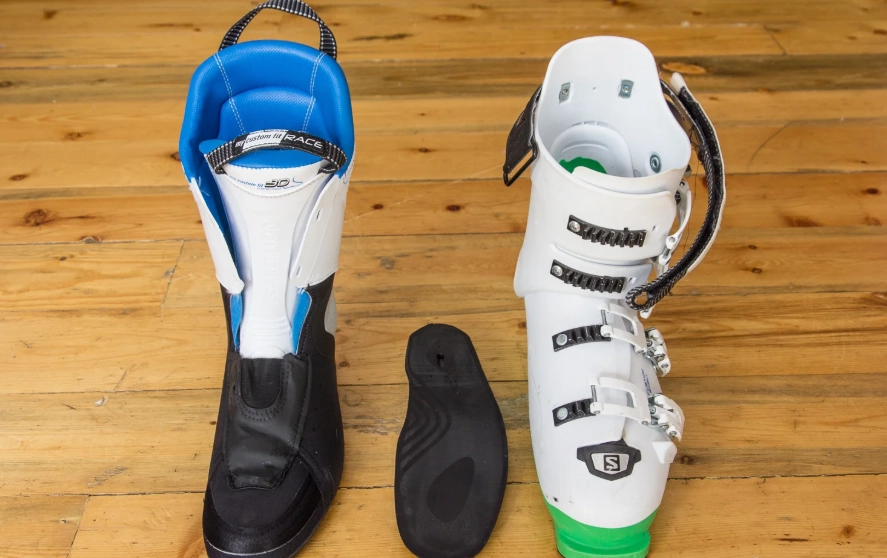
4. Post-Mold Shell Work (The Magic)
After the liners cool, you ski around the shop carpet. You tell the fitter what still feels off. "Pressure on my right instep," or "My pinky toe is pinched."
This is when they break out the tools. A shell punch uses a heated metal die to locally expand the plastic shell. A Dremel tool grinds down high spots inside the shell. This precise, post-molding adjustment is what truly creates a perfect fit and is impossible to do at home.
Common Mistakes & Expert Tips
After watching hundreds of fittings, here are the subtle errors I see skiers make.
- Wearing the wrong socks: Leave the thick cotton hiking socks at home. A thin, synthetic or wool ski-specific sock is essential. Thick socks create a bad mold and then you're stuck with that extra volume forever.
- Standing incorrectly during the mold: Don't stand straight-legged. Don't sit down. Stand like you're about to make a turn: ankles flexed, knees bent, hips over your feet. If you mold them standing like a soldier, they'll be tight in the front when you flex.
- Over-buckling: Cranking the buckles as tight as possible during molding creates ridges and pressure lines in the soft foam. Buckle them firmly and evenly.
- Not breaking them in naturally first: Some fitters recommend skiing in new boots for a day or two before heat molding. This allows your foot to naturally compress the liner a bit and reveals the true, persistent pressure points, not just the initial tight spots.
- Ignoring the footbed: Trying to heat mold without addressing the collapsing arch inside is like building a house on a wobbly foundation. Do the footbeds first, or at the same time.
One more pro tip: if you have a prominent "navicular bone" (a bump on the inside of your arch), point it out to your fitter. This spot often gets crushed during molding and needs special attention or pre-emptive grinding.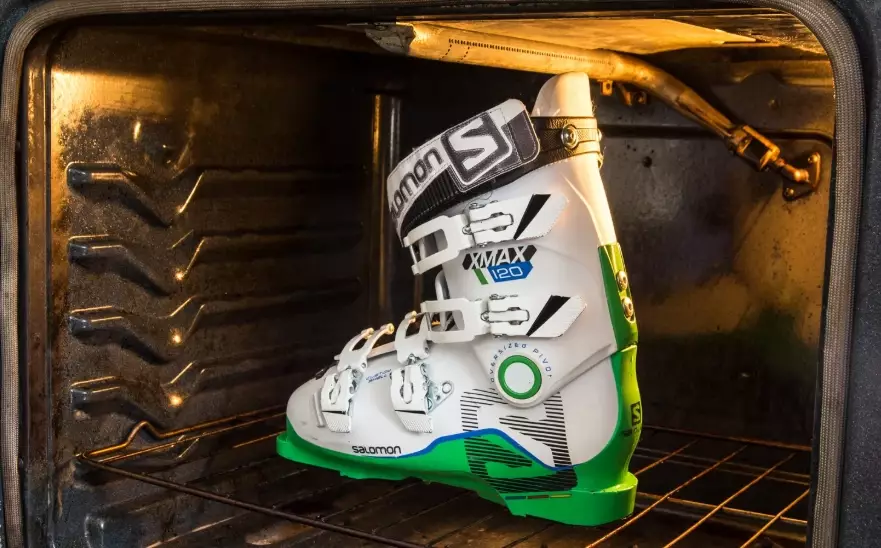
Your Questions, Answered
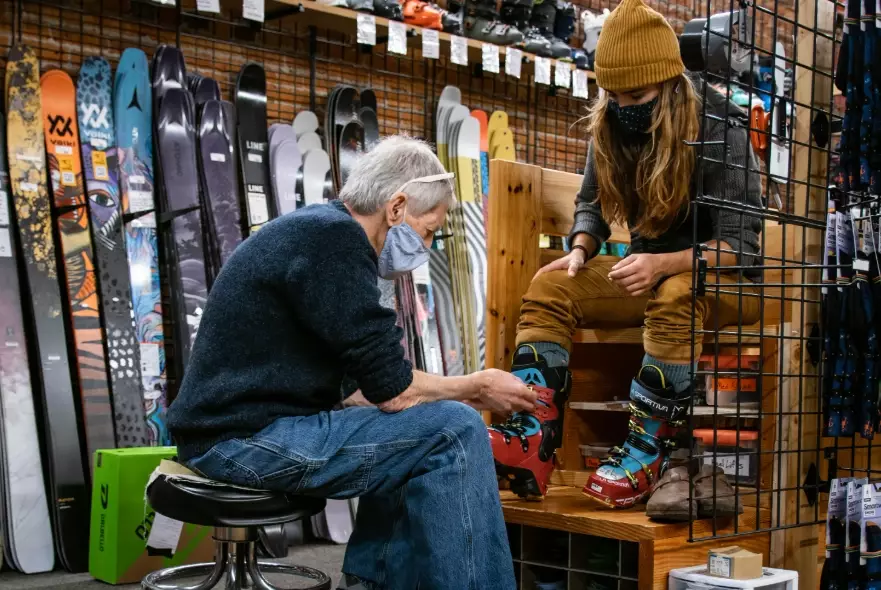 Are custom footbeds worth it for intermediate skiers?
Related Articles



Comments
Join the discussion