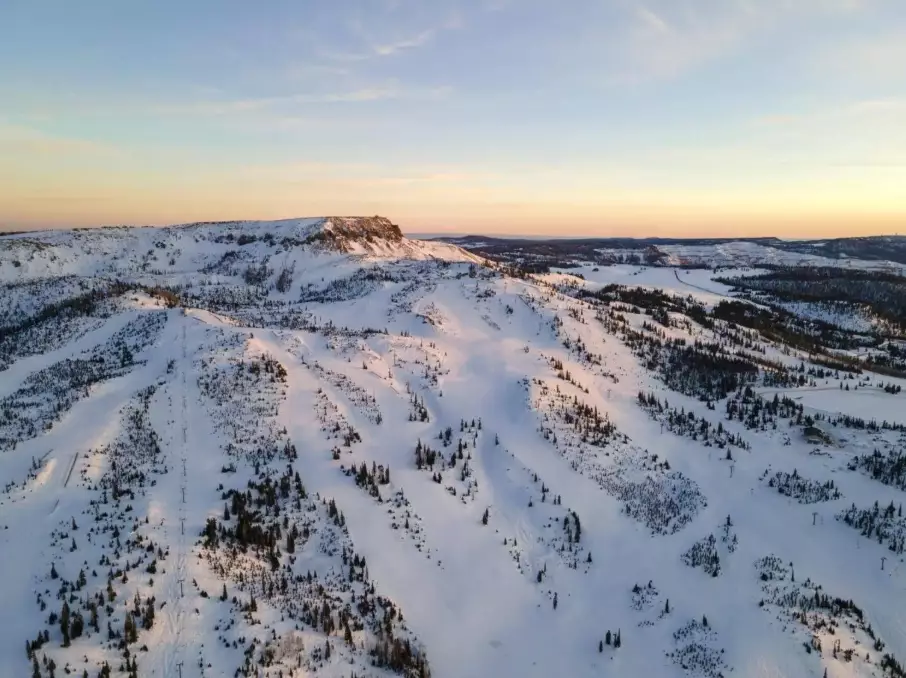
Let's cut to the chase. You're looking at Utah ski resorts, and the big names like Park City and Deer Valley are on your radar. But have you considered the one with the highest base elevation in the state, often the first to open and the last to close, that's famously family-friendly and surprisingly affordable? I'm talking about Brian Head Ski Resort. Tucked away in Southern Utah's stunning red rock country, it's a different beast from the Wasatch Front resorts—and for many skiers and riders, that's its greatest strength.
I've been skiing here for over a decade, watching families grow up on its gentle slopes and seeing experts disappear into its hidden glades. The most common mistake I see? People show up without understanding its two-mountain layout. This guide will fix that and give you everything you need to plan a perfect trip.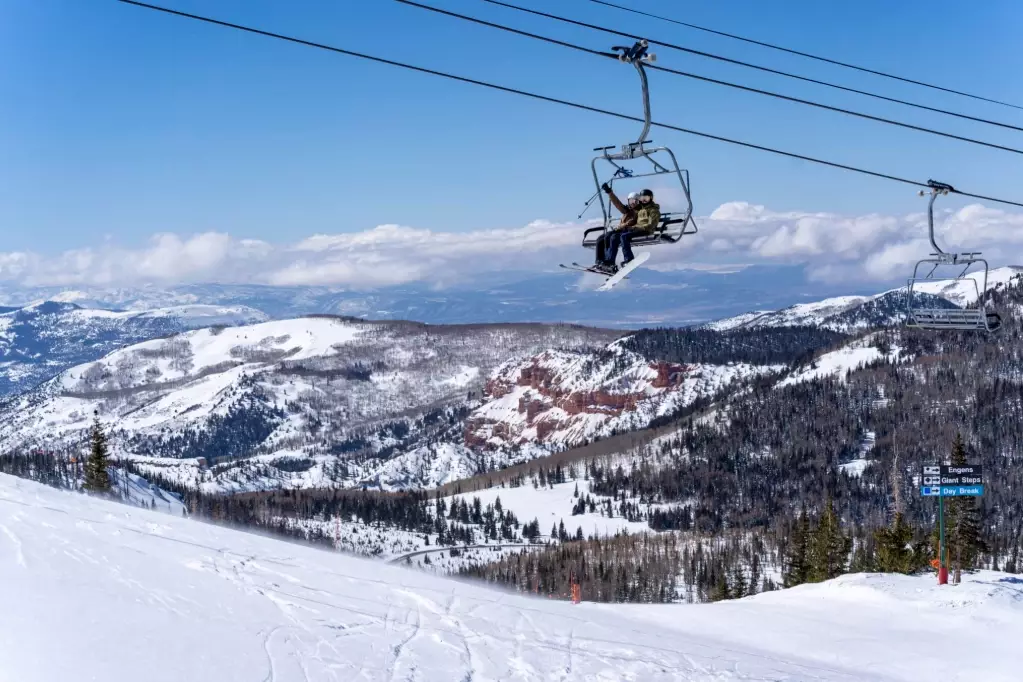
What's Inside This Guide
Brian Head Need-to-Know Basics
Before we dive into the slopes, here's the essential info you need to book your trip and hit the ground running.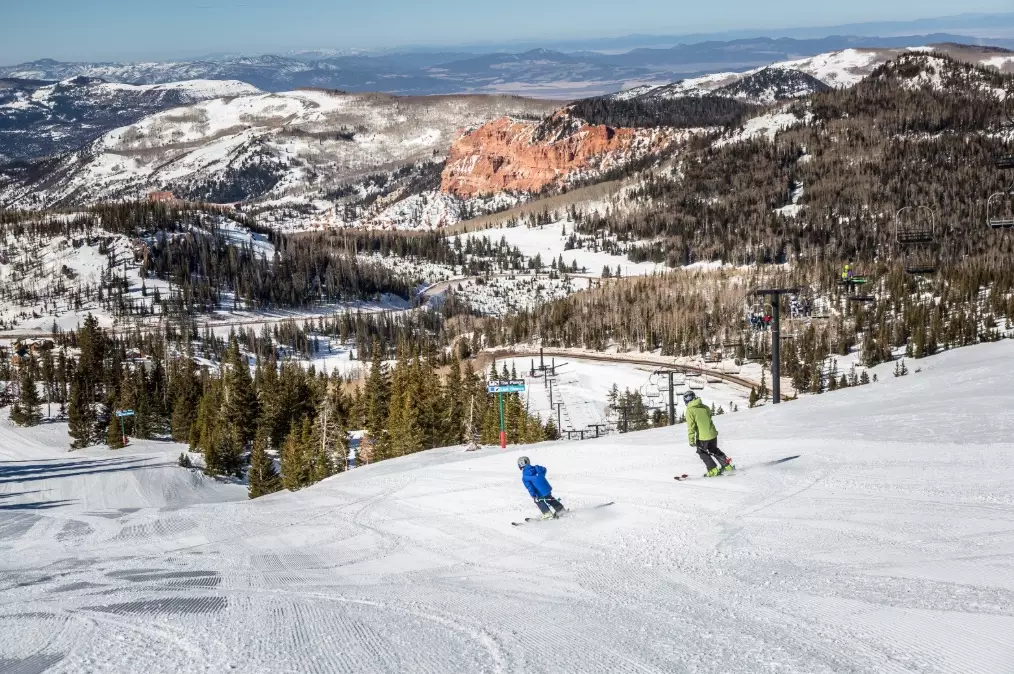
Brian Head Ski Resort At a Glance
- Address: 329 UT-143, Brian Head, UT 84719. The resort offices and main base areas are right off the highway.
- Season: Typically late November through mid-April. Its high elevation (9,600 to 11,307 feet) means reliable snow.
- Operating Hours: 9:00 AM to 4:00 PM daily. Night skiing is not offered, which keeps the mountain quiet and the stars brilliant.
- Lifts: 8 total lifts, including 1 high-speed six-pack chairlift.
- Skiable Terrain: 710 acres with 71 named runs.
Lift tickets are where Brian Head really shines for families. Walk-up window rates are competitive, but you can often find significant discounts online in advance. Multi-day tickets offer the best value. Check the official Brian Head website for the latest deals, especially early and late-season specials. Rental equipment is available at both main base areas (Giant Steps and Navajo Lodge), and I've found their gear to be well-maintained. Booking rentals online saves you time and a few bucks.
Mountain & Terrain Breakdown: Two Peaks, One Vibe
This is the crucial part most first-timers miss. Brian Head is split into two distinct mountains connected by a free shuttle bus (it runs every 15-20 minutes). They have different personalities.
Brian Head Peak (The Family & Beginner Hub)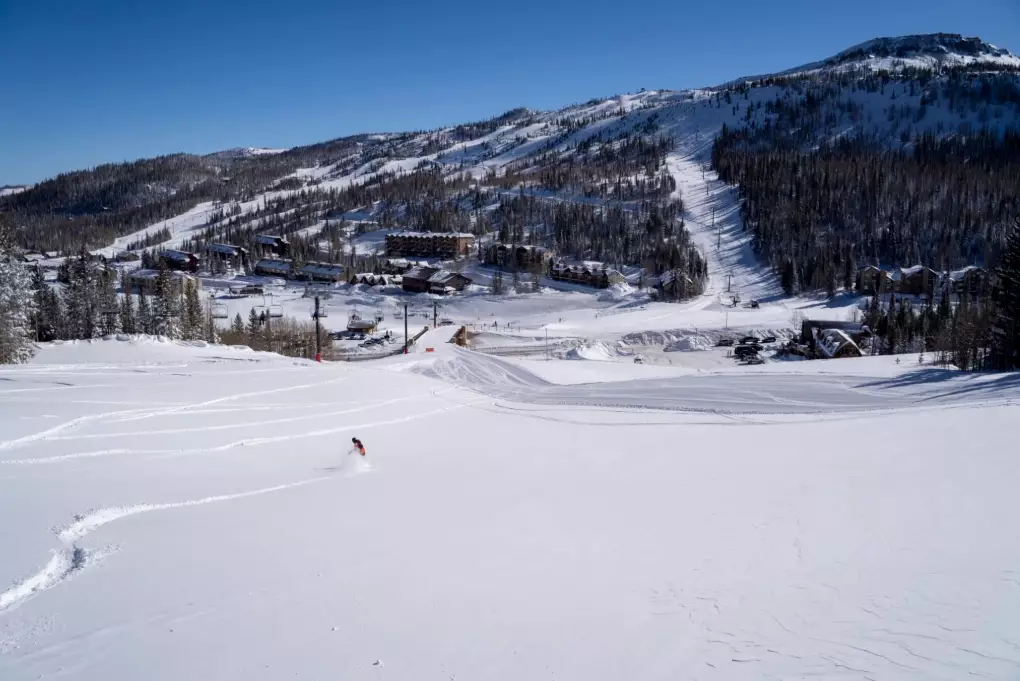
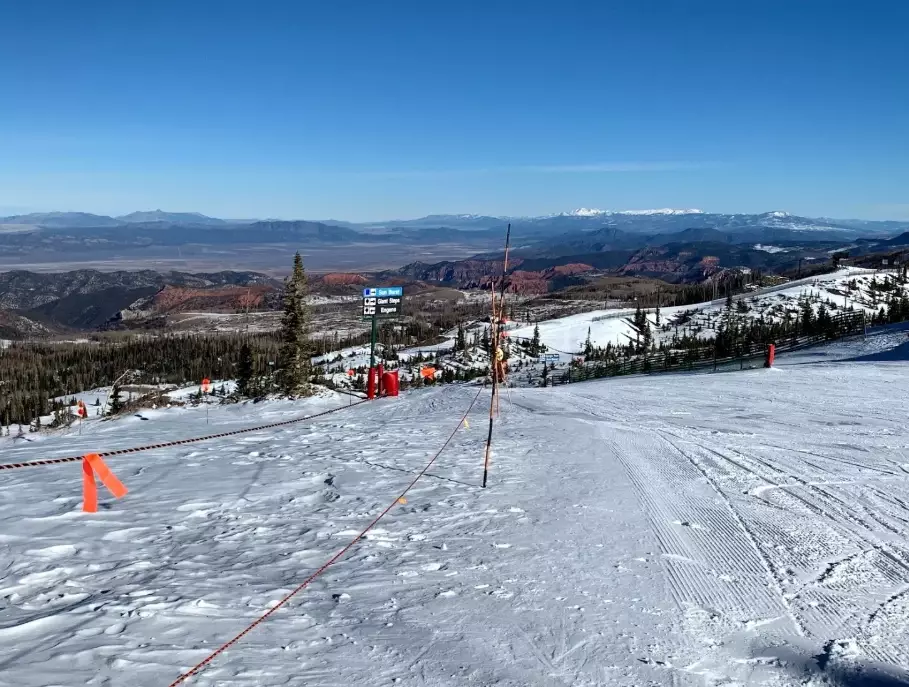
This is where you should start, especially if you're new to the sport or have kids in tow. The base area here is more developed, with the main rental shop and a great beginner's magic carpet. The terrain is overwhelmingly gentle and forgiving. Runs off the "Wildflower" and "Blackfoot" lifts are wide, groomed, and perfect for building confidence. The view from the top? A breathtaking panorama of the red rock Cedar Breaks National Monument. It's a ski view you won't get anywhere else.
Navajo Peak (The Adventure Zone)
Take the shuttle over to Navajo for more variety and challenge. This is where you'll find the resort's only high-speed lift (The Giant Steps Six-Pack) servicing longer, steeper blue and black runs. The expert terrain here is legit. The "The Dunes" area holds fantastic tree skiing after a storm, and chutes like "Headwall" will get your heart pumping. A little-known gem is the area around the "Pioneer" lift—often less crowded with fun, rolling intermediate terrain.
| Mountain Area | Best For | Key Lifts | Terrain Mix (B/G/B) |
|---|---|---|---|
| Brian Head Peak | First-timers, Families, Scenic Cruising | Wildflower, Blackfoot, Roulette | 35% / 50% / 15% |
| Navajo Peak | Intermediates, Experts, Tree Skiing | Giant Steps Six-Pack, Pioneer | 20% / 55% / 25% |
Pro Tip: Don't try to park at both mountains in one day. Park at either Giant Steps (Navajo) or the main Brian Head base. Use the free, frequent shuttle. It's faster than moving your car and dealing with two parking lots.
How to Plan Your Brian Head Ski Trip
A great day here requires a tiny bit of strategy, mostly due to the altitude and the two-mountain setup.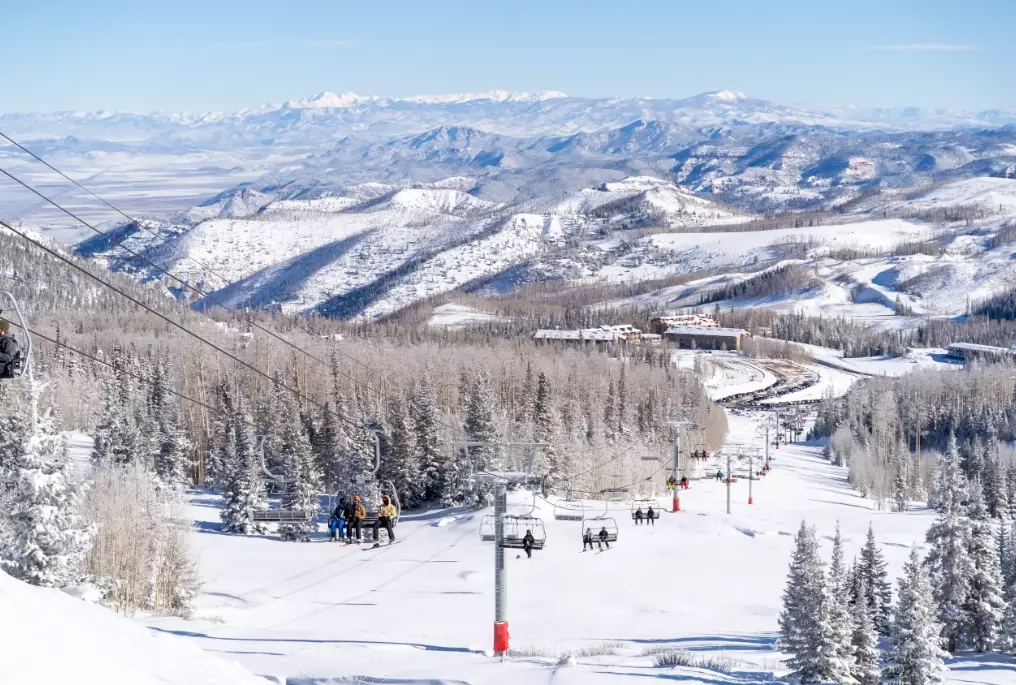
For Beginners & Families: Start at the Brian Head Peak base. Get your bearings on the magic carpet, then graduate to the Wildflower lift. Spend the morning here. After lunch, if the group is feeling confident, take the shuttle to Navajo and try the gentle greens off the Pioneer lift. Avoid the Giant Steps lift until everyone is solidly linking turns.
For Intermediate & Advanced Skiers: Head straight to Navajo Peak. Warm up on the blues off the Giant Steps lift, then explore the trees between runs. The snow stays good in there for days. Later, shuttle over to Brian Head Peak for some mellow, scenic cruising to end the day. The black diamonds on Brian Head Peak are short but steep—good for a quick challenge.
Altitude Awareness: The base is at 9,600 feet. You will feel it. Drink at least twice as much water as you think you need, go easy on alcohol the first night, and listen to your body. I've seen too many strong skiers wiped out by afternoon because they ignored this.
Getting There & Where to Stay
The Drive: Brian Head's location is a strategic advantage. It's a 3-hour drive north from Las Vegas and a 3.5-hour drive south from Salt Lake City. You're avoiding the notorious I-70 corridor traffic from Denver and the crowded canyons near Salt Lake. Win-win. The final stretch up UT-143 is well-maintained but can be snowy—chains or 4WD/AWD are a must during storms. Check the UDOT Traffic site for conditions.
Lodging: You have two main choices: slope-side convenience or the more economical town of Parowan (a 15-minute drive down the mountain).
- Slope-Side (Brian Head Town): This is all about walk-to-lift access. Condos and vacation rentals dominate. Look for properties near the Giant Steps Lodge (Navajo) or the main base. It's quiet, ski-in/ski-out bliss. The Cedar Breaks Lodge is a full-service hotel option with an indoor pool.
- Parowan: If you're on a tighter budget, Parowan is the move. You'll find chain hotels like the Holiday Inn Express and more affordable Airbnb options. The daily drive up the mountain is easy and lets you escape the resort bubble for cheaper dining.
Food, Drink & Après-Ski (The Local Way)
This isn't a sprawling resort village with endless options. The charm is in its simplicity. On-mountain, the lodges (Giant Steps and Brian Head) serve the expected cafeteria fare—burgers, pizza, chili. It's fine for fuel.
The real character is in the town's handful of spots. The Lift Bar & Grill at the base is the classic après spot. It's small, loud, and the place to share stories over a local beer. For dinner, Rocker's Pizza is an institution—busy, hearty, and perfect after a cold day. My personal favorite is The Steakhouse at Cedar Breaks Lodge. Yes, it's pricier, but the quality is consistently good, and it feels like a proper treat.
For groceries and supplies, the Brian Head General Store is your only in-town option and has basics at a premium. Do a bigger grocery shop in Cedar City or Parowan on your way up.
Your Brian Head Questions, Answered
From Las Vegas, what's the one route detail to Brian Head that most people overlook?
Everyone focuses on the I-15. The critical part is UT-143 from Parowan up to the resort. It's a steep, winding mountain road. In winter, it's often snow-packed or icy. Utah law requires traction devices (chains or approved tires) to be in your vehicle during winter storm conditions, and police will set up checkpoints. Don't assume your rental car has adequate tires. Check the forecast and road cameras on the UDOT site before you head up, and leave extra time.
What's the biggest mistake beginners make at Brian Head on their first day?
They see the map and head straight for the "Giant Steps" six-pack lift on Navajo Peak because it's the big, modern lift. That terrain is primarily blue (intermediate) and can be intimidating for a true first-day beginner. It can shake their confidence. The correct move is to start at the Brian Head Peak base area, specifically at the beginner's magic carpet and then the Wildflower chairlift. The progression there is perfectly pitched, and the views are just as good.
 Is Brian Head a good resort for expert skiers, or is it too family-focused?
It's a common misconception. While the resort brilliantly caters to families, experts have plenty to love—if they know where to look. The expert rating isn't about massive, in-your-face chutes (though Headwall is serious). It's about the tree skiing. The glades around "The Dunes" on Navajo Peak are fantastic. They're not always on the trail map in detail, so you have to explore. After a fresh snow, you can find untracked lines here days after a storm, something that's impossible at the more crowded Cottonwood Canyon resorts. For the expert who enjoys technical tree skiing and a more relaxed vibe, it's a hidden gem.
What's a unique non-skiing activity we shouldn't miss near Brian Head?
Even if you just drive 10 minutes up the road to the viewpoint at Cedar Breaks National Monument. It's often called a "mini-Bryce Canyon," and in the winter, the red rock amphitheater dusted with snow is surreal. The road to the summit is closed in winter, but the overlook near Brian Head is accessible and breathtaking. It's a stark, beautiful contrast to the white ski slopes and something you can only experience in this part of Utah.
So, is Brian Head for you? If you prioritize a relaxed, uncrowded experience, fantastic snow, genuine family-friendliness, and a setting that's uniquely Utah, then absolutely. It won't have the sprawling nightlife of Park City. What it offers is the pure, simple joy of skiing in a spectacular, quiet corner of the state. Plan around its two mountains, respect the altitude, and you're in for a memorable trip.
Related Articles
Comments
Join the discussion