Jump to What Matters
You're planning a trip to Hawaii, imagining sunny beaches and warm breezes, but then you hear whispers of snow. It sounds like a joke, right? I thought the same until I drove up Mauna Kea one winter and saw white peaks against a blue sky. Hawaii does get snow, and it's not just a fluke—it's a regular part of the weather for certain spots. This guide cuts through the myths and gives you the real scoop on Hawaii weather snow, so you can plan smarter and maybe even catch a glimpse of winter magic in the tropics.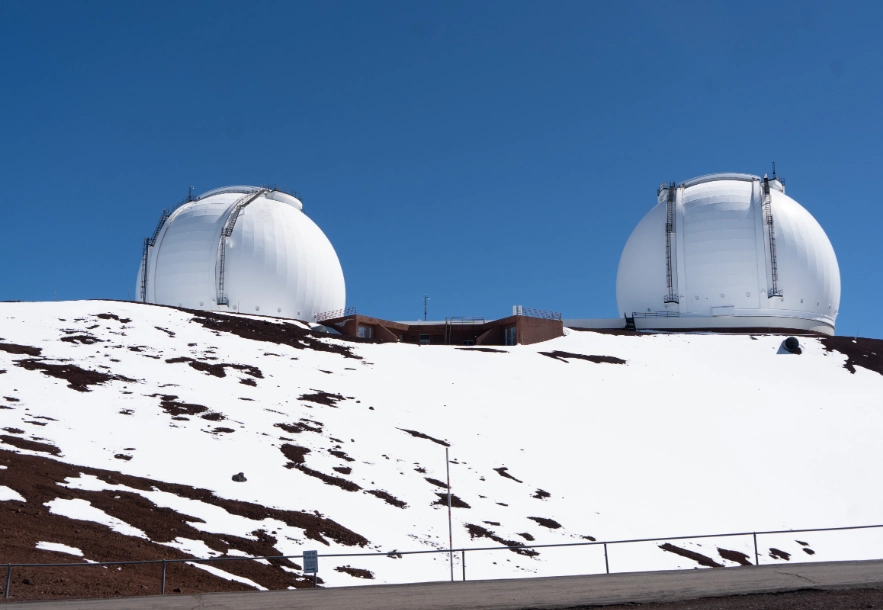
Yes, It Snows in Hawaii—Here's Where
Let's get straight to it: snow in Hawaii happens, but only at high elevations. The Big Island is the main player, thanks to its massive volcanoes. Mauna Kea and Mauna Loa tower over 13,000 feet, creating their own microclimates where temperatures drop below freezing. On Maui, Haleakalā can see occasional dustings above 10,000 feet, but it's less common.
I remember my first visit to Mauna Kea—the drive up was surreal. You start in Kona with palm trees and end up in a landscape that feels like another planet. The snow isn't always deep, but when it caps the summit, it's breathtaking. Here's a quick breakdown of the key spots:
| Location | Elevation | Best Time for Snow | Access Notes |
|---|---|---|---|
| Mauna Kea Summit | 13,803 ft | December to February | Road often closed past Visitor Center; 4WD required |
| Mauna Loa | 13,678 ft | Winter months | Remote; hiking or guided tours only |
| Haleakalā (Maui) | 10,023 ft | Rare, usually January | Check park alerts for closures |
For Mauna Kea, the address is roughly along the Mauna Kea Access Road off Highway 200 near Hilo. There's no for the road itself, but the Visitor Center is free and open daily from 9 AM to 9 PM. Getting there: from Kona, take Highway 190 to Saddle Road, then follow signs—it's about a 2-hour drive. From Hilo, it's closer, but the road can be icy. I've seen tourists in rental cars struggling; don't be that person. Rent a 4WD if you're serious about going up.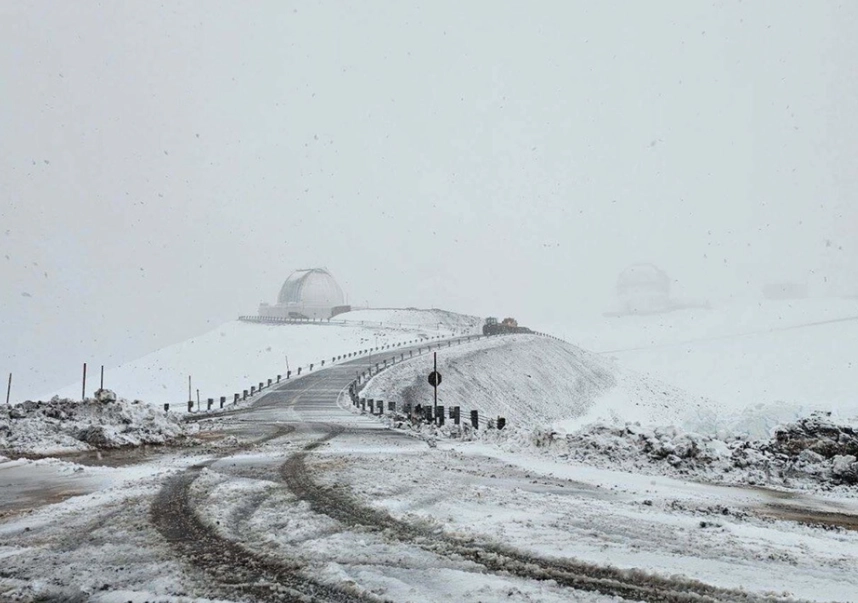
Why Mauna Kea is the Snow Hub
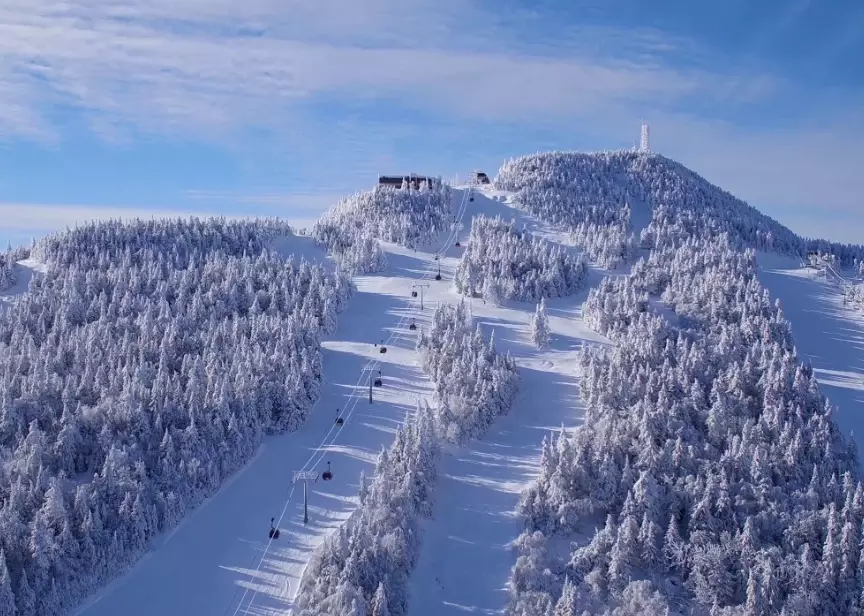
Mauna Kea's height traps moisture from trade winds, leading to snow when cold fronts sweep in. The snowpack can last for days or weeks, depending on sun exposure. It's not like Colorado powder—more like crusty, wind-blown stuff. But for photography or just bragging rights, it works.
One thing most guides miss: the snow line varies. Some years, it dips to 9,000 feet, making it visible from lower lookouts. Other years, it's scarce. Check the Mauna Kea Weather Center webcams before you go; it saves a wasted trip.
When Does Snow Fall in Hawaii? Timing and Patterns
Snow season in Hawaii aligns with Northern Hemisphere winter, roughly November to March. Peak months are December and January, when storms from the north push cold air down. But it's unpredictable—some winters bring heavy snow, others almost none.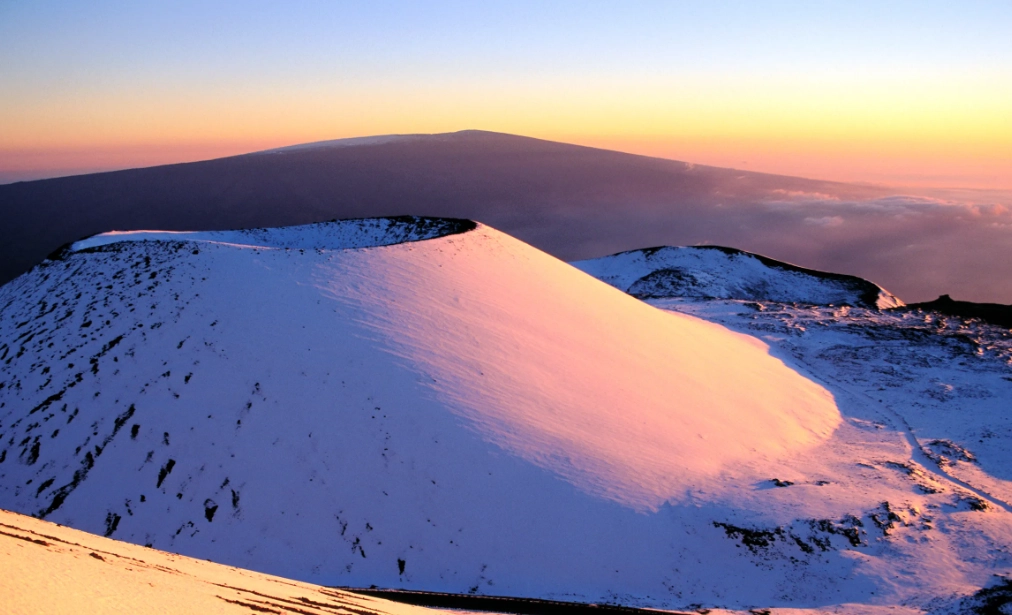
I tracked this for a few years after moving here. The pattern hinges on the Pacific weather systems. When a Kona low (a storm from the south) clashes with Arctic air, that's when you get the big dumps. In 2021, Mauna Kea had over a foot of snow in February, closing roads for days. Last year, it was just a light dusting.
Pro tip: Don't plan your whole trip around snow. Treat it as a bonus. Hawaii's weather is fickle; coastal areas might be sunny while the mountains are stormy. Use resources like the National Weather Service's Honolulu office for forecasts.
Monthly breakdown:
- November: Early snow possible, but rare. Temperatures start dropping at summit.
- December–January: Highest probability. Christmas snow isn't guaranteed, but it happens.
- February–March: Late-season snow, often melting quickly with spring warmth.
Climate change is messing with this, though. Warmer oceans mean more moisture, but also less consistent cold. Some locals say snow is becoming less frequent, but when it hits, it's more intense. That's a debate for another day.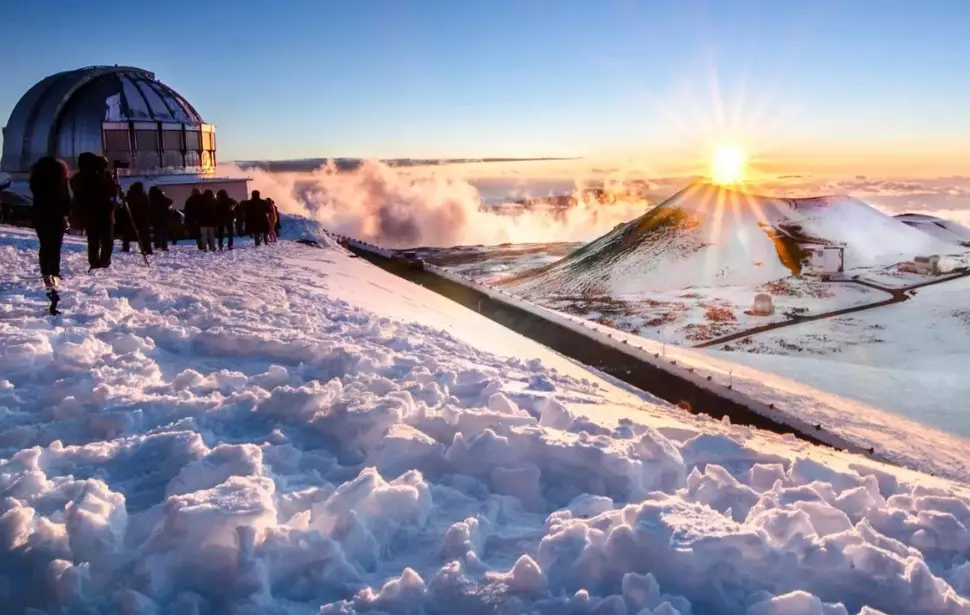
How to Experience Snow in Hawaii: A Practical Guide
So you want to see or even play in Hawaii snow? Here's how to do it safely and smartly. First, accept that this isn't a ski vacation—it's an adventure with quirks.
Viewing Snow from a Distance
If you're not up for the drive, you can often spot snow from lower elevations. On the Big Island, viewpoints along Saddle Road offer glimpses of white peaks. Bring binoculars; the contrast with green slopes is stunning. I've taken friends to the Mauna Kea Visitor Center (at 9,200 ft) when snow was visible above—they loved it without the risk.
Getting Up Close: Driving and Hiking
For the brave, driving to Mauna Kea requires preparation. The road from the Visitor Center to the summit is steep and unpaved. In winter, ice is common. Rental companies often prohibit driving there, so check your contract. If you go, leave early, pack warm clothes, water, and a full tank. Altitude sickness is real; I felt dizzy my first time. Take it slow.
Hiking to snow is for experienced trekkers only. Trails on Mauna Loa or Haleakalā can be treacherous with ice. No facilities, so carry gear. I once attempted a winter hike on Haleakalā and turned back due to slick conditions—it's not worth the risk without proper training.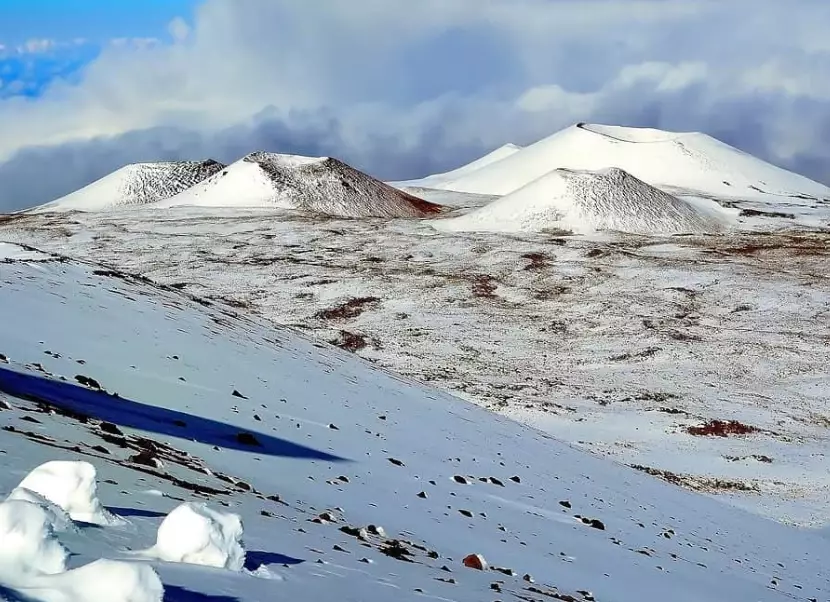
Can You Ski or Snowboard?
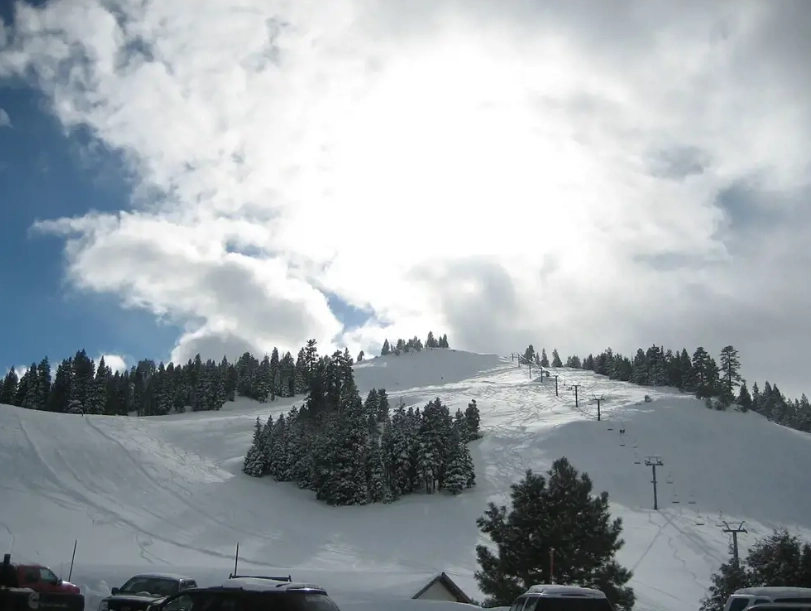
Technically, yes, but it's backcountry skiing at best. No lifts, no groomed runs. Locals sometimes hike up with skis when snow is good, but it's niche. If you're an expert, bring your own equipment and check avalanche risk (yes, that exists here). For most, it's better to enjoy the view and save skiing for mainland trips.
Activities summary:
- Snow viewing: Easy from lookouts; free and accessible.
- Photography: Golden hour at sunrise or sunset adds magic.
- Limited play: Maybe build a small snowman if you find a patch, but don't expect slopes.
The Impact of Snow on Hawaii Weather and Tourism
Snow affects more than just mountain tops. It influences Hawaii's overall weather and tourist flow. When snow falls, it can cause road closures on Mauna Kea, impacting astronomy tours and access to the summit. Flights to Hilo or Kona might see delays if weather systems are strong.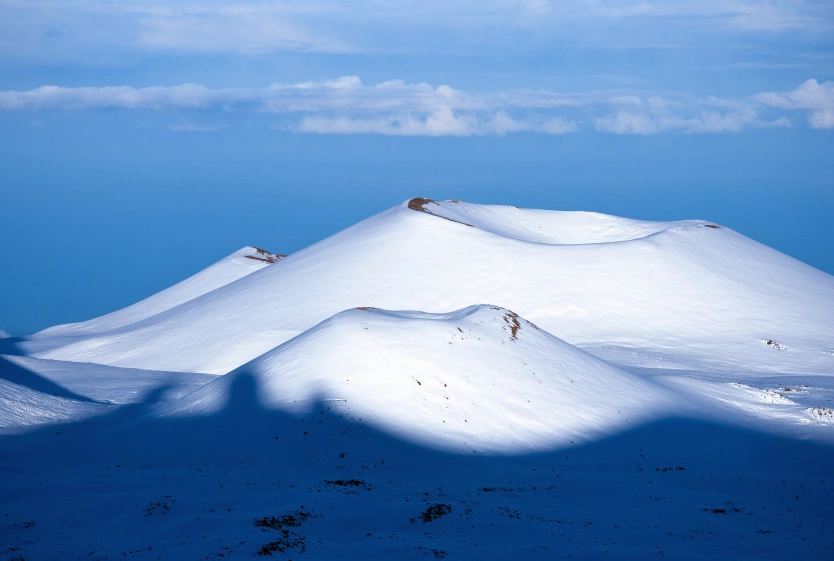
From a tourism angle, snow adds a unique draw. Hotels on the Big Island sometimes promote "snow sightings" in winter packages. But it's a double-edged sword—visitors expecting tropical bliss might be disappointed by cold mountain trips. I've heard complaints from people who didn't pack jackets and froze up there.
Weather-wise, snow signals colder air aloft, which can lead to rain at lower elevations. So if it's snowing on Mauna Kea, it might be raining in Hilo. Pack layers; temperatures can swing 30 degrees between coast and summit.
Long-term, snow plays a role in Hawaii's water supply. Melting snow feeds aquifers, but with climate shifts, this is becoming less reliable. It's a subtle point, but for locals, it matters.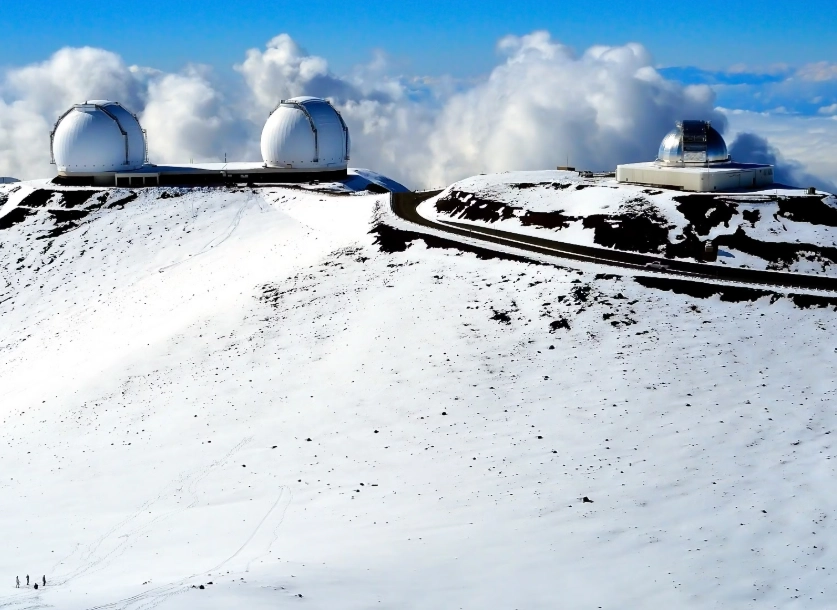
Your Snow in Hawaii Questions Answered
Wrapping up, Hawaii weather snow is a fascinating quirk that blends tropical paradise with alpine surprise. Whether you're a curious traveler or a weather buff, understanding this aspect can enrich your visit. Just remember: respect the mountains, plan ahead, and keep your expectations flexible. Aloha and stay warm up there!
Related Articles


Comments
Join the discussion