Oregon skiing isn't just about Mount Hood, though that iconic peak is a massive part of the story. It's about diverse terrain, from the volcanic slopes of Bachelor to the family-friendly hills of the Blue Mountains. It's about snow that can be deep, wet, perfect, or challenging—sometimes all in the same day. Having skied here for over a decade, I've seen newcomers make the same mistakes: picking the wrong resort for their skill level, getting soaked in inadequate gear, or blowing their budget on the first day. This guide cuts through the hype. We'll look at the real pros and cons of each major area, how to navigate the pass landscape, and the little secrets that make an Oregon ski trip exceptional.
Your Quick Guide to Oregon Skiing
Oregon's Premier Ski Destinations: A Resort-by-Resort Breakdown
Forget the one-size-fits-all list. Oregon's resorts have distinct personalities. Your perfect match depends on whether you're chasing steep chutes, cruising corduroy with the family, or finding affordable turns.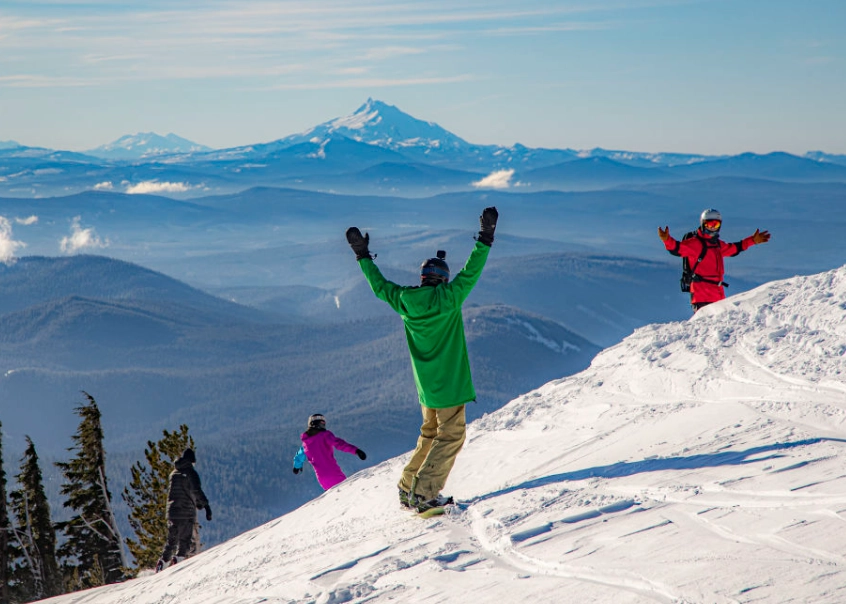
Mt. Hood Territory: The Triple Threat
This is Oregon's ski hub. Three major resorts sit on the mountain's flanks, each with a different vibe. Government Camp is the central base town for all of them.
Mt. Hood Meadows is the big player. Think 2,150 acres, a mix of everything, and terrain that demands respect. The Heather Canyon area is legendary for expert skiers when it's open. A common mistake? Intermediate skiers sticking only to the easy blues off the Cascade Express. Venture to the Shooting Star lift for more interesting, rolling terrain. Lift tickets hover around $130-$150 at the window. They're on the Ikon Pass, which is a major draw for passholders.
Timberline Lodge is the historic icon. It's famous for its summer skiing on the Palmer Snowfield. In winter, it's a fantastic intermediate and beginner mountain. The magic carpet area is great for first-timers, but can be a zoo on weekends. The real local tip: the night skiing is some of the best in the country. The ambiance of skiing under the lights up to the lit-up lodge is magical. Day tickets are similar in price to Meadows. Also on the Ikon Pass.
Mt. Hood Skibowl is the locals' choice for value and night skiing. It has the most night ski terrain in America. It's steep, no-frills, and less expensive. The Upper Bowl has some seriously gnarly runs. Don't come here expecting high-speed detachable quads. Come for a fun, gritty, affordable experience. It's not on a major pass, which keeps crowds down.
Mt. Bachelor: The Central Oregon Giant
Drive about three hours south of Portland, and you hit Mt. Bachelor near Bend. This is a completely different beast—a freestanding volcano with 360-degree skiing. On a clear day, the views are insane. The snow is typically drier than on Hood. The mountain is huge and efficient, with fast lifts spreading crowds out. The Summit Express lift is a must-do for advanced skiers when it's running. The town of Bend is a fantastic apres-ski destination, way more vibrant than Government Camp. The downside? It's more isolated, so trips are usually destination-based. It's a flagship resort on the Ikon Pass. Peak day tickets can hit $180.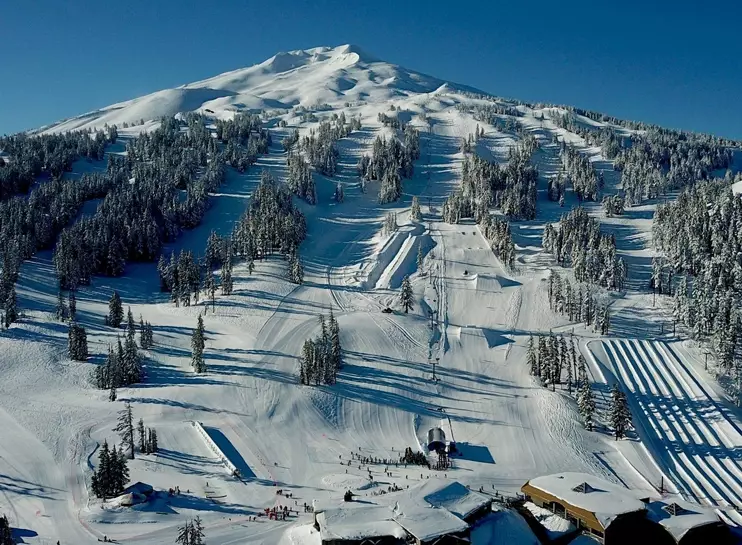
Eastern Oregon & The Hidden Gems
Most people stop at Hood and Bachelor. That's a shame.
Anthony Lakes Mountain Resort is my favorite secret. It's way out in the Elkhorn Mountains, about 2 hours from Baker City. The drive is part of the adventure. It's tiny, family-run, and gets incredible light, dry powder. Lift tickets are half the price of the big resorts. The vibe is pure, old-school skiing. They're a proud member of the Indy Pass, which is perfect for skiers who love these unique, independent areas.
Spout Springs and Ferguson Ridge are even smaller, community-focused hills. Don't expect high-speed lifts or fancy lodges. Expect cheap tickets, short lines, and genuine smiles.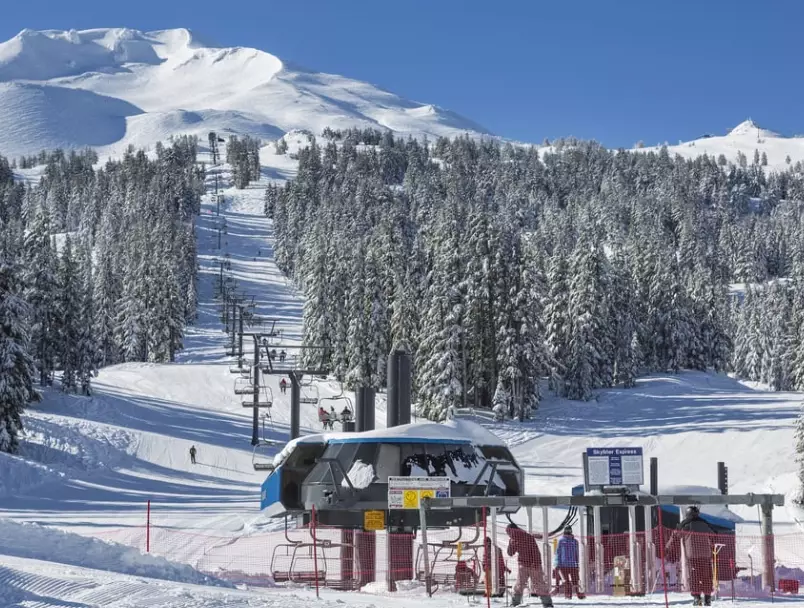
How to Choose the Right Oregon Ski Resort for You
Picking a resort is the most important decision. Get it wrong, and you're either bored or terrified.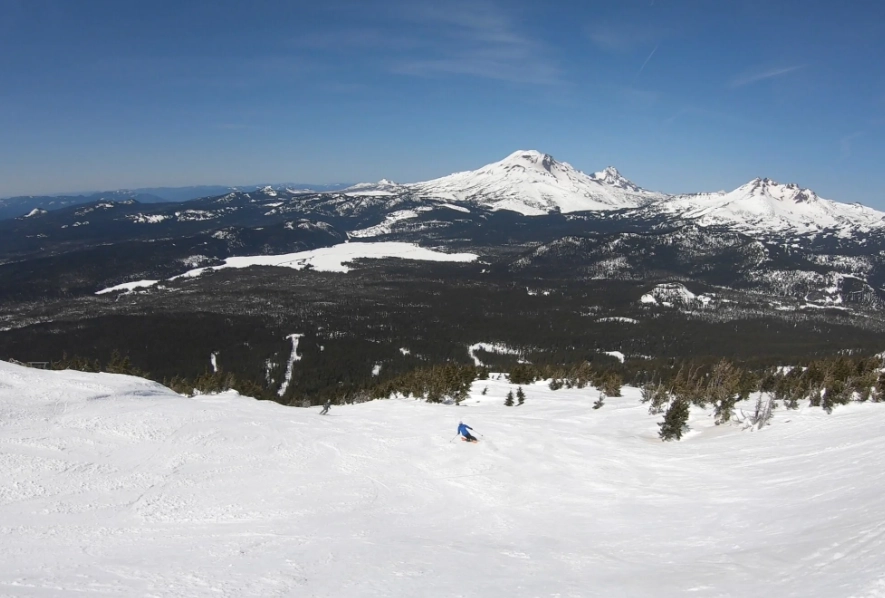
| Your Profile | Best Oregon Resort Fit | Why It Works |
|---|---|---|
| First-Timer or Family with Young Kids | Mt. Hood Skibowl (Multorpor) or Anthony Lakes | Affordable, gentle terrain, less pressure. Skibowl's beginner area is separate and simple. Anthony Lakes is just friendly and forgiving. |
| Intermediate Cruiser | Timberline Lodge or Mt. Bachelor (West Village) | Timberline is practically designed for confident blue-run skiers. Bachelor offers vast, groomed intermediate runs with incredible scenery. |
| Advanced/Expert All-Mountain Skier | Mt. Hood Meadows or Mt. Bachelor (Summit/Cirque) | Heather Canyon at Meadows is a testpiece. Bachelor's summit lifts access steep bowls and chutes. You'll find the challenge you want. |
| Budget-Conscious Local | Mt. Hood Skibowl or Indy Pass Gems (Anthony Lakes) | Skibowl's season pass and night tickets offer the best value per vertical foot near Portland. The Indy Pass grants days at multiple small, cheap resorts. |
| Destination Trip Seeking Town Life | Mt. Bachelor (Stay in Bend) | Bend has breweries, restaurants, and shops that far surpass other ski town options in Oregon. The mountain is a worthy destination itself. |
My personal take? If you only have one day and want the quintessential Oregon experience, do Timberline for the history and views, then head to Skibowl for night skiing. It's a perfect combo.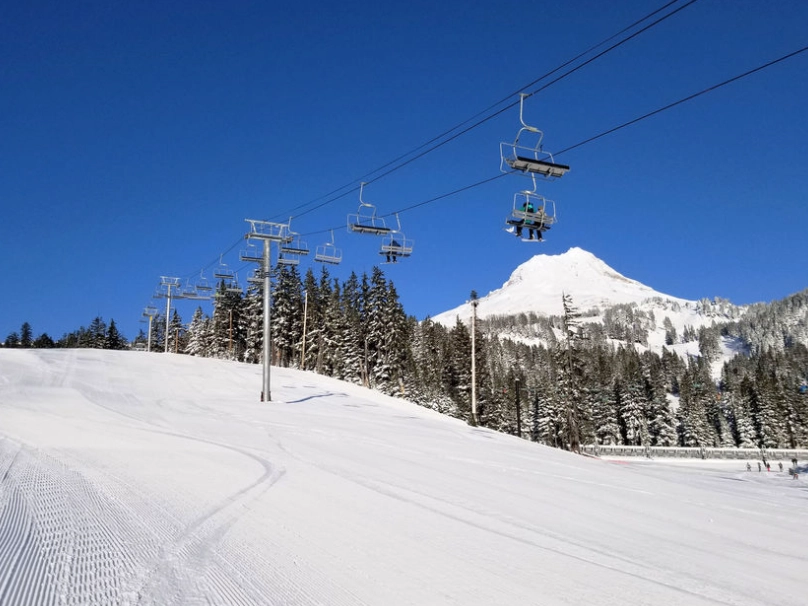
Saving Money on Your Oregon Ski Adventure
Skiing is expensive. In Oregon, you can make it less so with some strategy.
The Pass Decision: This is your biggest lever. If you'll ski 5+ days at major resorts, the Ikon Pass (covers Meadows, Timberline, Bachelor) pays for itself quickly. For those who prefer smaller areas and fewer days, the Indy Pass (Anthony Lakes, Ferguson Ridge, plus many others nationwide) is phenomenal value. Don't just buy a pass because it's famous; map your intended ski days first.
Lift tickets: Never, ever buy at the window. Buy online at least 48 hours in advance. For Meadows and Bachelor, this can save you $30-$40 per day. Look for multi-day passes if you're doing a trip—they almost always offer a per-day discount.
Lodging: Staying in Portland and driving to Hood is an option, but that 60-90 minute drive each way after a long ski day is brutal. Rent a condo in Government Camp or Welches. You can cook meals, which saves a fortune. For Bachelor, look for condos on the way into Bend from the mountain, like in the Century Drive area, which can be cheaper than downtown.
Food and Drink: Pack a lunch. Lodge food is a budget killer. Throw sandwiches, snacks, and a water bottle in your backpack. For apres, hit the grocery store in Government Camp or Bend for local beer instead of buying $8 pints on the mountain.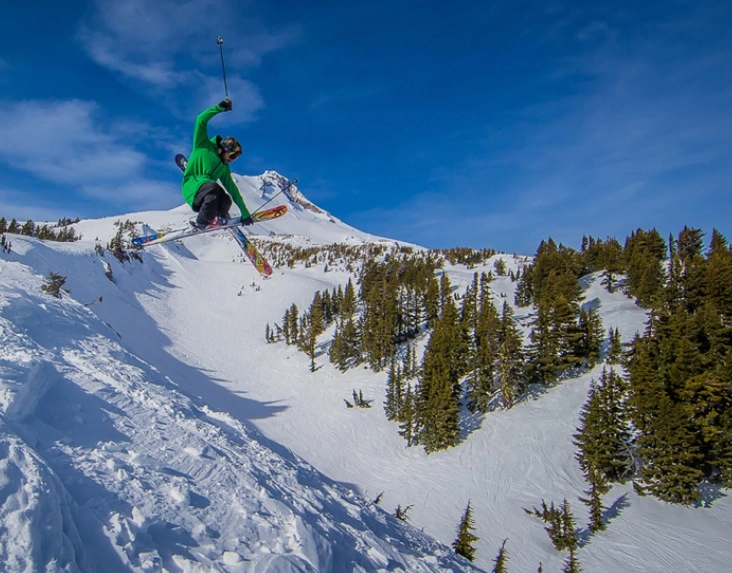
What Gear Do You Need for Oregon Skiing?
Oregon snow has a reputation: Cascade concrete. It can be heavy, wet, and abrasive. This isn't Utah blower powder.
Your outer layer is critical. A highly waterproof jacket and pants (20K+ rating) are not a luxury; they're a necessity. I've seen too many people in water-resistant shells come off the hill soaked and shivering by 11 AM. Gore-Tex or a comparable membrane is worth the investment.
Goggles: Bring two lenses if you can. A low-light lens (high VLT, like yellow or rose) for the frequent stormy, flat-light days, and a darker one for sunny spring days. The light changes fast.
Skis: All-mountain skis are king here. You need something that can handle hardpack, crud, chopped-up powder, and maybe some corn snow later in the day. Leave the ultra-fat powder skis at home unless a huge storm is guaranteed.
A personal story: I once took a friend from Colorado skiing at Meadows. He brought his thin, Rocky Mountain shell. It poured rain at the base, then turned to heavy snow up top. He was drenched and miserable in two hours. I was dry in my burly Pacific Northwest shell. Gear matters.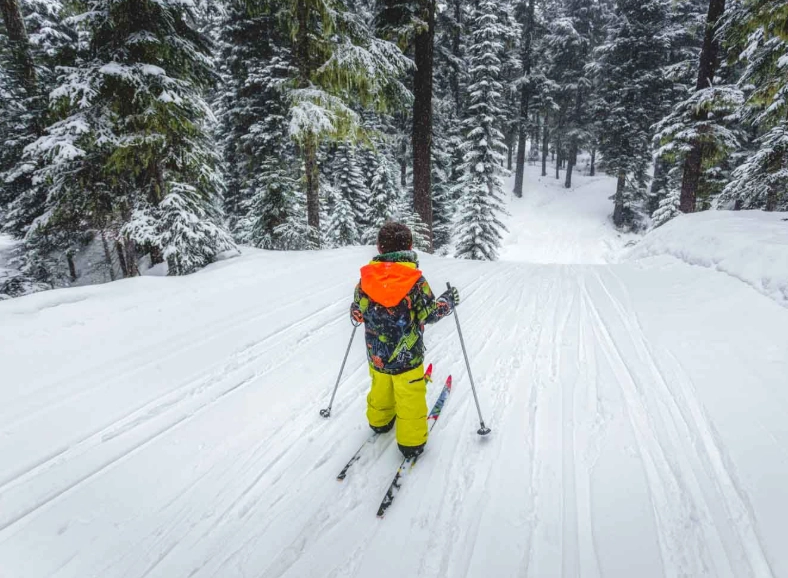
Your Oregon Ski Questions Answered
Oregon's ski scene is a blend of the iconic and the undiscovered. It rewards planning and the right expectations. Don't just chase the biggest name. Match the mountain to your style, gear up for wet snow, and use the pass system smartly. Do that, and you'll find some of the most rewarding and varied skiing in the Pacific Northwest.
Related Articles
Comments
Join the discussion