So you're planning an East Coast ski trip and the classic debate has landed in your lap: Vermont or Maine? I've spent more than a decade chasing snowstorms across both states, logging hundreds of days on their slopes. Let's cut through the marketing hype. There's no single "better" choice—it entirely depends on what you're looking for in a ski vacation. Vermont offers concentrated, world-class resorts with a quintessential New England vibe. Maine serves up a more rugged, expansive, and often less crowded experience. The winner is whichever one matches your personal checklist.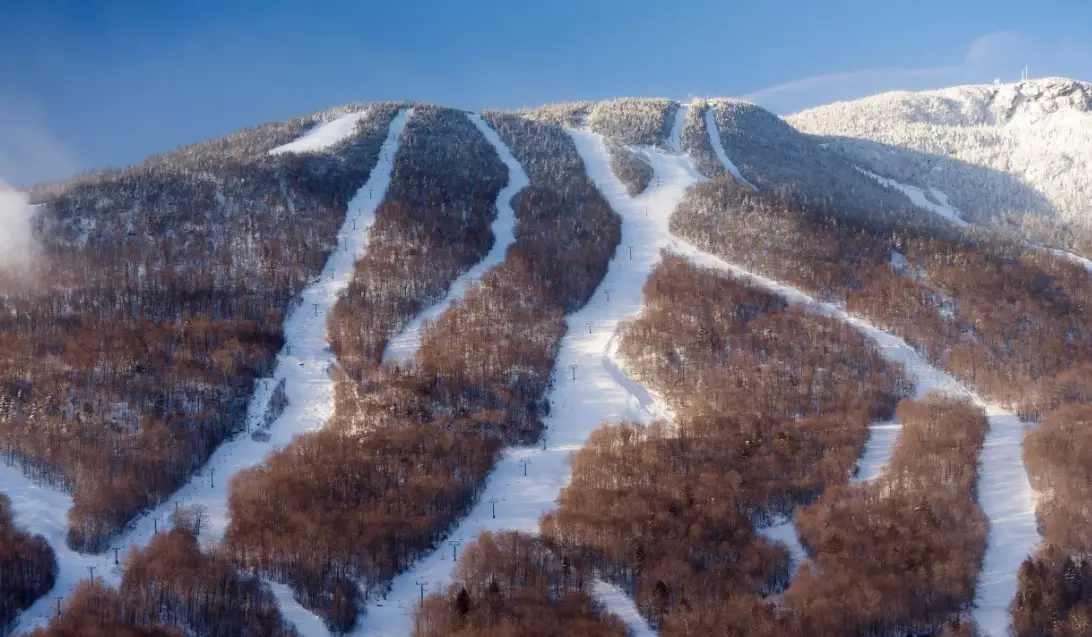
Your Quick Trip Planner
The Big Picture: Vermont's Density vs. Maine's Vastness
Think of Vermont as the compact, high-performance sports car of East Coast skiing. Within a two-hour drive from Burlington, you can access a staggering concentration of major resorts: Stowe, Killington, Sugarbush, Okemo, Stratton, Mount Snow, Jay Peak. The infrastructure is mature, the ski towns are well-developed, and the après-ski scene is legendary. According to data from the National Ski Areas Association, Vermont consistently leads the Northeast in total skier visits, a testament to its draw.
Maine, on the other hand, is the adventurous off-road vehicle. It's bigger, wilder, and the resorts are more spread out. The drive from Portland to Sugarloaf is over two hours, and to Saddleback another chunk of time. What you get is a sense of remoteness and scale that's hard to find in Vermont. The mountains feel bigger, the crowds are generally thinner, and the vibe is less polished, more genuine. A common mistake first-timers make is underestimating the travel times between Maine's major ski areas. You can't resort-hop here like you can in Vermont.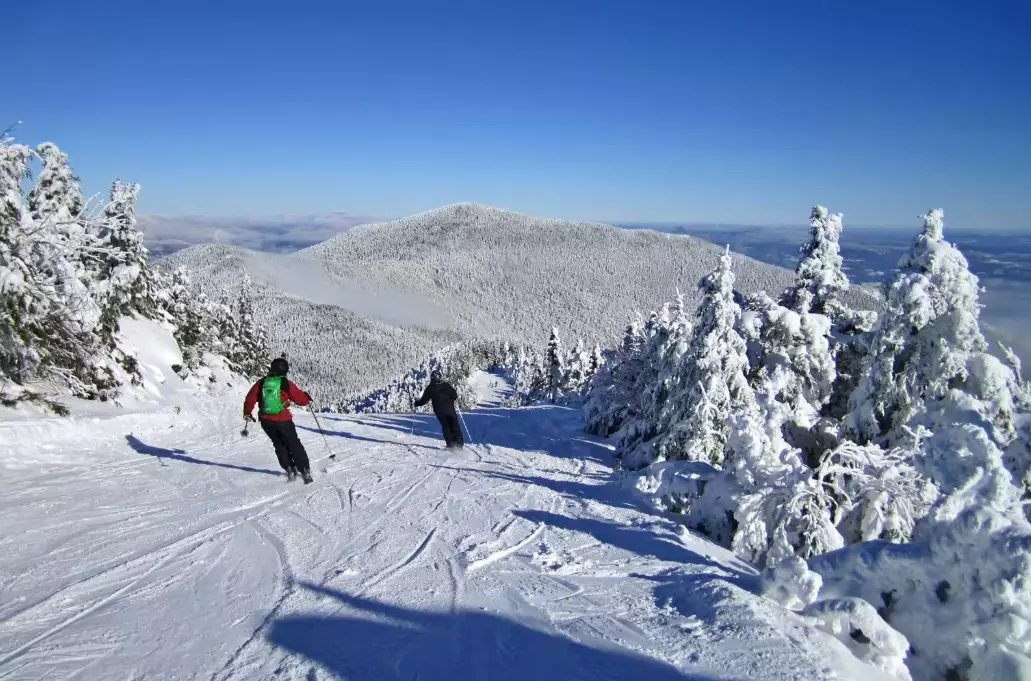
Head-to-Head Breakdown: Snow, Terrain, and Vibe
Let's get into the nitty-gritty that actually matters when you're strapping in.
Snow Quality and Reliability
This is where local knowledge pays off. Vermont, particularly the northern region around Jay Peak and Stowe, sits in a sweet spot for lake-effect snow from the Great Lakes and nor'easters. Jay Peak famously gets the most snow in the East—over 350 inches annually. Their snowfall data is publicly tracked and impressive. The snowmaking across Vermont is also an engineering marvel, a dense web of coverage that ensures a solid base from December through April.
Maine's snow is a different beast. Sugarloaf and Saddleback are far enough north and inland to often get colder, drier snow from coastal storms. When a nor'easter hits just right, the upper elevations of Sugarloaf can feel almost Western. However, southern Maine areas like Sunday River rely more heavily on snowmaking. The reliability is high, but the natural snowfall totals, on average, can be slightly less than Vermont's northern giants. The trade-off? When it's good in Maine, it's epic and less tracked-out by noon.
Terrain and Challenge
Vermont wins on sheer variety and steep, technical terrain density. Killington's Outer Limits is an icon. Stowe's Front Four (Starr, Goat, Liftline, National) are legendary expert runs. The tree skiing at Mad River Glen and Jay Peak is some of the best you'll find anywhere. For an expert skier who wants to test themselves on steep, challenging lines all day, Vermont is hard to beat.
Maine wins on scale and sustained vertical. Sugarloaf's Snowfields—the only lift-serviced above-treeline skiing in the East—offer an experience you simply cannot get in Vermont. It's vast, exposed, and feels huge. Saddleback's Casablanca glade is a massive, natural bowl of tree-skiing perfection. The terrain at Maine's top resorts is less about individual killer pitches and more about long, sustained, adventurous descents over diverse landscapes.
Atmosphere, Crowds, and Value
Vermont's ski towns (Stowe, Manchester, Ludlow) are postcard-perfect, with fantastic dining, shopping, and lodging. The après-ski is vibrant. This comes at a cost: lift tickets are among the most expensive in the country, and weekends at major resorts can get very crowded. You're paying for a premium, full-service experience.
Maine feels more like a mission. The towns (Carrabassett Valley near Sugarloaf, Rangeley near Saddleback) are functional, friendly, and less glamorous. The focus is on the mountain, not the boutique shopping. This often translates to better value. Lift tickets are frequently $20-$50 cheaper per day than their Vermont counterparts, and lodging can be more affordable. The crowds, even on peak weekends, are noticeably lighter. You go to Maine to ski, not to be seen.
Resort Spotlight: Where You Should Actually Ski
Forget the states for a second. Let's match you to a specific mountain.
| Resort (State) | Best For | Signature Experience | Lift Ticket Window (Peak) | Vibe & Base Area |
|---|---|---|---|---|
| Killington (VT) | Party atmosphere, long season, expert terrain, nightlife. | Bashing bumps on Outer Limits, then a beer at the Pickle Barrel. | $169 - $199 | Energetic, sprawling, youthful. Multiple base lodges. |
| Stowe (VT) | Luxury, iconic expert runs, fine dining, classic New England charm. | Carving down the Front Four, followed by a cocktail at the Cliff House. | $174 - $209 | Upscale, picturesque village. Feels like a destination. |
| Sugarloaf (ME) | Big mountain feel, above-treeline skiing, families, minimal crowds. | Hiking into the Snowfields on a bluebird day. It's transformative. | $149 - $169 | Remote, self-contained village. Friendly, laid-back community. |
| Sunday River (ME) | Families, intermediates, reliable snowmaking, eight interconnected peaks. | Exploring a different peak every run, finding perfect corduroy everywhere. | $154 - $179 | Modern, efficient resort spread out. Not a traditional town. |
| Jay Peak (VT) | Deepest snow, epic tree skiing, indoor water park, value (with stay). | Ducking into the glades after a 20-inch storm and finding untouched lines at 2 PM. | $89 - $109 | Isolated in the far north. All about the snow and the fun indoor complex. |
| Saddleback (ME) | Experts seeking adventure, authentic vibe, incredible value, no frills. | Lapping the Casablanca glade or the tight trees off the Kennebago Steeps. | $99 - $129 | Pure, unpretentious ski area. Feels like stepping back in time (in a good way). |
See the pattern? Vermont dominates the high-end, full-service category. Maine excels in raw experience and value. I have a soft spot for Saddleback—it reminds me of what skiing felt like 30 years ago, before the mega-passes. But when I want to challenge myself on the most demanding terrain, I still point my car toward Stowe or Killington.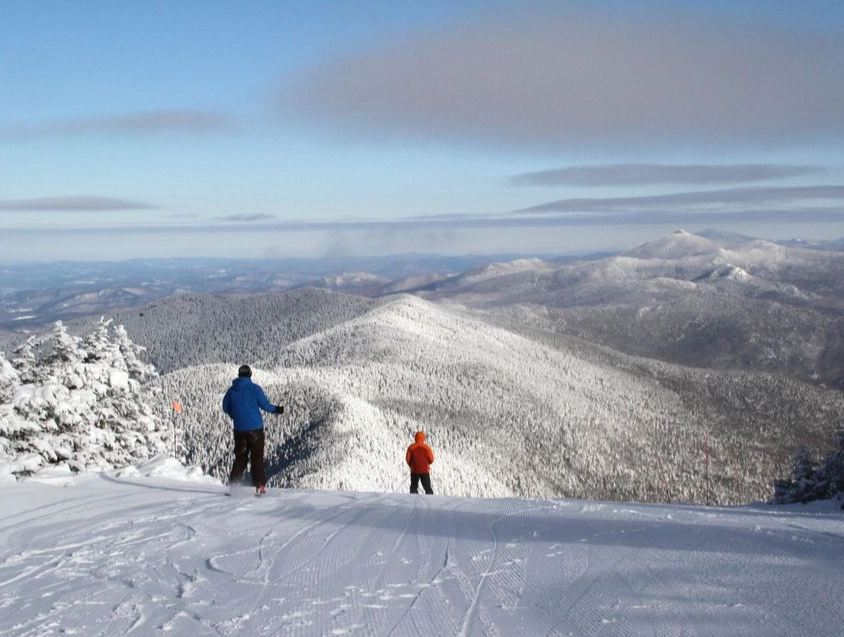
Making Your Choice: A Simple Decision Framework
Stop overthinking it. Ask yourself these questions:
Choose VERMONT if you answer YES to most of these:
- You prioritize steep, challenging, and varied terrain above all else.
- You want a classic, vibrant ski town with great restaurants and bars.
- Your group has mixed abilities and you need tons of intermediate/green options.
- You're on an Epic or Ikon Pass (Vermont has heavy representation).
- Budget is a secondary concern to a premium experience.
Choose MAINE if you answer YES to most of these:
- You hate crowds and love the feeling of having a mountain to yourself.
- You value big, expansive, adventurous terrain over steepness per se.
- Your budget is a real factor, and you want more ski day for your dollar.
- You're okay with a more rustic, less "fancy" base area experience.
- The idea of skiing above the treeline in the East excites you.
It's that simple. I've seen too many expert skiers get bored at Sunday River and too many families feel overwhelmed by the cost and pace of Stowe. Match the mountain to your mission.
Your Questions, Answered (By a Local)
At the end of the day, you can't make a bad choice. Both states offer world-class skiing that defines the East Coast experience. Vermont is the refined, energetic classic. Maine is the wild, value-packed adventure. Now that you've got the local's breakdown, you can stop debating and start planning. See you on the lift.
Related Articles

Comments
Join the discussion