Let's cut to the chase. When you search for the biggest ski resorts, you're not just looking for a number. You're dreaming of that feeling—waking up, looking at a trail map that seems to go on forever, and knowing you won't ski the same run twice all week. You want variety, reliability, and that awe-inspiring scale that makes a trip unforgettable. Based on skiable area in hectares or acres (the standard metric), here are the true giants. But size isn't everything, and I'll tell you what the raw data doesn't show you.
Your Quick Slope Guide
The Definitive List: Top 10 Largest Ski Areas on the Planet
This ranking is based on the total interconnected, lift-served skiable terrain. It's the most cited and relevant metric for a skier or snowboarder. Remember, some resorts count every inch of off-piste, while others are more conservative. I've skied at seven of these, and the vibe in each is wildly different.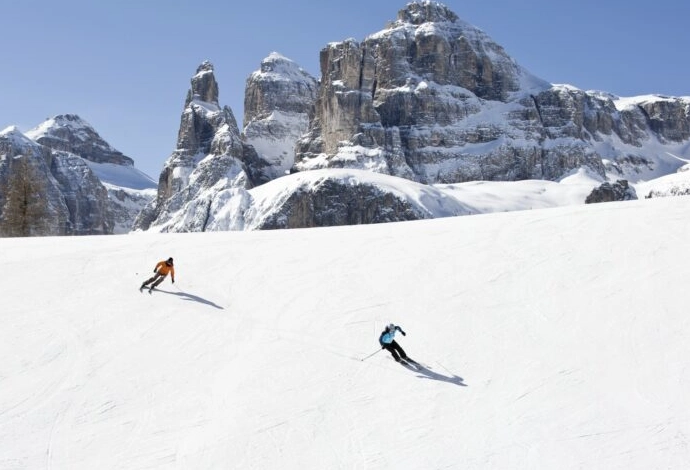
| Rank & Resort | Location | Skiable Area (approx.) | Key Fact |
|---|---|---|---|
| 1. Les 3 Vallées (The Three Valleys) | France | 600 sq km / 232 sq mi | 8 resorts, 600+ km of pistes. The undisputed king. |
| 2. Ski Arlberg | Austria | 305 sq km / 118 sq mi | Includes St. Anton, Lech, Zürs. Legendary off-piste. |
| 3. Val d'Isère / Tignes (Espace Killy) | France | 300 sq km / 116 sq mi | Named for skier Jean-Claude Killy. High-altitude snow surety. |
| 4. Paradiski (Les Arcs / La Plagne / Peisey-Vallandry) | France | 425 sq km / 164 sq mi | Linked by the double-decker Vanoise Express gondola. |
| 5. 4 Vallées (The 4 Valleys) | Switzerland | 412 sq km / 159 sq mi | Verbier is the star, but Thyon and Nendaz offer value. |
| 6. Sella Ronda (Dolomiti Superski) | Italy | ~500 sq km network* | Part of a massive 1,200km circuit. The carousel is a must-do. |
| 7. Grand Massif (Flaine, Samoëns, etc.) | France | 265 sq km / 102 sq mi | Closer to Geneva, great for families and intermediates. |
| 8. Portes du Soleil | France/Switzerland | 650 sq km / 250 sq mi | Massive area, but terrain is more spread out and less intense. |
| 9. Niseko United | Japan | ~47 sq km / 18 sq mi** | Don't let the piste area fool you. The off-piste & tree skiing is the real, endless draw. |
| 10. Whistler Blackcomb | Canada | >8,171 acres / 33 sq km | Largest in North America by far. Two massive mountains, one village. |
*The Sella Ronda circuit itself is about 40km of linked pistes within the vast Dolomiti Superski area, which is often cited as the "largest" but is a collection of separate, non-interconnected resorts.
**Niseko's official piste area is modest, but its permitted off-piste and side-country culture effectively creates a giant, skiable playground of deep powder, which is why it earns a spot on many "biggest" lists for the experience.
Deep Dive on Key Contenders
Top 1: Les 3 Vallées, France. It's in a league of its own. Courchevel, Méribel, Val Thorens, and the others. You need a week, minimum. A pro-tip most blogs miss: stay in Méribel or Les Menuires for the most central access. Val Thorens has the best snow (highest altitude), but it's at the far end. The lift network is engineering genius, but check the official 3 Valleys site for lift status—wind can close key links.
Top 2: Ski Arlberg, Austria. This is where modern alpine skiing was born. St. Anton is rowdy, expert-friendly, with legendary après-ski. Lech and Zürs are more polished and exclusive. The new Flexenbahn gondola system linking it all is a game-changer. The off-piste here is serious business; don't go without a guide if you're venturing out of bounds.
Top 9: Niseko United, Japan. The outlier. Measured by piste, it's not top 10. Measured by consistent, bottomless powder and accessible, safe tree skiing, it's a global top 3. The four interconnected resorts (Grand Hirafu, Hanazono, Niseko Village, Annupuri) create a fantastic circuit. The culture, food, and onsens are as much a part of the experience as the snow. Flight and accommodation book up a year in advance.
Top 10: Whistler Blackcomb, Canada. The sheer vertical is mind-boggling. From the Peak Chair on a clear day, it feels like you can see forever. The village is a fully-contained, walkable town. The Peak 2 Peak gondola between the mountains is an attraction itself. Spring skiing here lasts into May, and the summer glacier riding is a bonus.
Choosing Your Giant: What the Numbers Don't Tell You
So you've seen the table. Now, how do you pick? Ask these questions:
What's your skill level?
Beginners/Intermediates: Look for large areas with extensive, well-groomed blue and red networks. Grand Massif and parts of Portes du Soleil (like Morzine) are fantastic. Even the Three Valleys has great beginner zones (Courchevel 1650, La Tania), but you pay a premium.
Advanced/Experts: You want steep, off-piste, and challenging terrain. Ski Arlberg, Verbier (4 Vallées), and Val d'Isère are your temples. Whistler's bowls and chutes are relentless.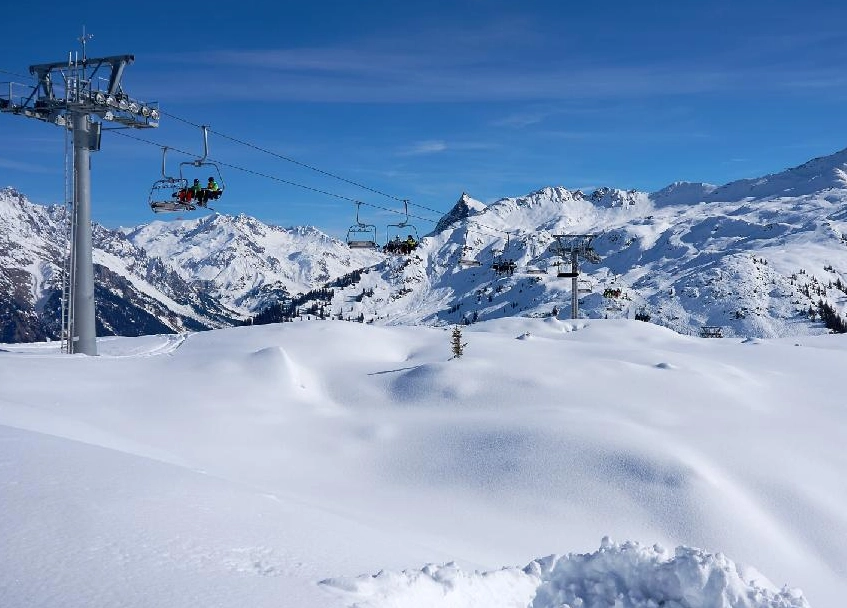
How important is snow reliability?
High altitude is your friend. Val Thorens (3 Valleys), Tignes (Espace Killy), and much of Whistler have glaciers or very high bases, making them safer bets for early or late season trips. The Alps can have lean winters; the Rockies and Japan (Hokkaido) often have more consistent deep snow.
What's the village vibe?
This is huge. Do you want a purpose-built, ski-in/ski-out concrete hub (Flaine, Val Thorens)? A charming, sprawling traditional village (Samoëns, Morzine)? A buzzing, international party town (St. Anton, Whistler Village)? Or serene, luxury isolation (Zürs, Lech)? The "biggest" resorts contain all types.
Planning Your Trip to a Mega-Resort: A Realistic Guide
Booking a trip to one of these giants is different. Here’s the drill.
1. Timing is Everything. For the Alps, January (after New Year) and March are sweet spots—decent snow, fewer crowds. February is school holiday chaos in Europe, with peak prices. For Whistler/North America, late February to April is prime. For Japan, the powder core is January-February.
2. Where to Stay: The Location Trade-Off.
- Slope-side convenience: You'll pay 30-50% more. In places like Val d'Isère or Whistler, it's often worth it.

- Valley-base value: Towns like Moûtiers (for 3 Valleys) or Chambéry offer cheaper hotels, but you add a 30-60 minute bus ride each day. Factor in cost and time.
- My personal rule: For a 4-5 day trip, stay as close to the slopes as you can afford. For a week or more, a cheaper valley base with a rental car can be a smarter financial move, giving you flexibility.
3. Getting There & Around. Most major gateways: Geneva (for French Alps), Innsbruck/Salzburg (for Austrian Alps), Vancouver (for Whistler), Sapporo-Chitose (for Niseko). Book transfers early. Within the resort: Study the bus schedules. In the Portes du Soleil, a car can be useful. In the fully interconnected ones (3 Valleys, Arlberg), you won't need one.
4. Lift Passes & Costs. A 6-day pass for the full area is standard. Prices: Expect €300-€400 for a week in the Alps, slightly more for Whistler. Always buy online in advance for discounts. Check if your accommodation offers a packaged deal.
Expert Answers to Your Big Questions
Final thought? The world's largest ski areas deliver a specific kind of magic—the freedom of endless choice. But your perfect trip depends on matching that scale to your own pace, skill, and style. Do that, and any of these giants can deliver the ski holiday of a lifetime.
Related Articles


Comments
Join the discussion