You've heard the claim. Brochures, ski forums, and even some major travel sites repeat it like a mantra: Les 3 Vallées is the largest ski resort in the world. It's a powerful selling point. But is it actually true? The short, direct answer is: Yes, but it depends entirely on how you define "largest." If you mean the single biggest interconnected ski area accessible on one lift pass, then Les 3 Vallées currently holds the crown. But if you're picturing one monolithic mountain covered in lifts, you're in for a surprise. The reality is more fascinating, and understanding it will completely change how you plan your trip.
Your Quick Guide to This Article
- What Does "Largest Ski Resort" Even Mean?
- Les 3 Vallées by the Numbers: The Scale is Staggering
- Not One Resort, But Eight: A Village-by-Village Breakdown
- How Does Les 3 Vallées Compare to Other Mega Resorts?
- Who is Les 3 Vallées Best Suited For? (And Who Might Be Disappointed)
- The Cost Reality: Is the "Largest" Also the Most Expensive?
- Your Burning Questions, Answered by a Seasoned Skier
What Does "Largest Ski Resort" Even Mean?
This is where most articles gloss over the details. "Largest" can be measured in several ways, and resorts promote the metric that makes them look best.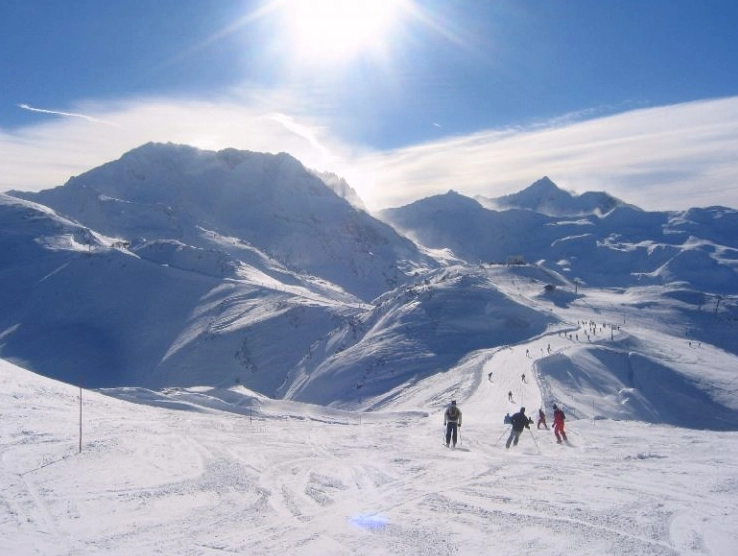
- Total Skiable Area (in hectares/km²): This is the gold standard for comparison. It measures the actual terrain covered by pistes and off-piste areas within the lift network. It's what Les 3 Vallées uses to claim its title.
- Total Piste Length (in km/miles): This adds up the length of every marked run. It's useful but can be misleading—a resort with lots of long, gentle blues will score higher than a steep, technical one with shorter runs.
- Number of Lifts: More lifts can mean less queueing and better access, but it doesn't tell you much about terrain quality.
- Vertical Drop: The height difference from the top lift to the bottom village. Pure thrill-seekers care deeply about this.
Les 3 Vallées' claim rests squarely on the first point: skiable area. According to the official Domaines Skiables de France association, the linked area of Courchevel, Méribel, Brides-les-Bains, Val Thorens, Les Menuires, Saint-Martin-de-Belleville, and Orelle offers a staggering 600 km of pistes spread across a 1050 km² skiable domain. The key word is linked. You can ski between all these villages without taking your skis off.
A crucial nuance most miss: Calling it a single "resort" is a marketing masterstroke. In truth, it's a brilliantly engineered alliance of eight distinct villages, each with its own character, architecture, and clientele. They decided to connect their lifts and share a pass, creating a behemoth. This cooperation is their real genius, not just the geography.
Les 3 Vallées by the Numbers: The Scale is Staggering
Let's get concrete. What do those numbers actually mean for you, standing at a lift line at 9 AM?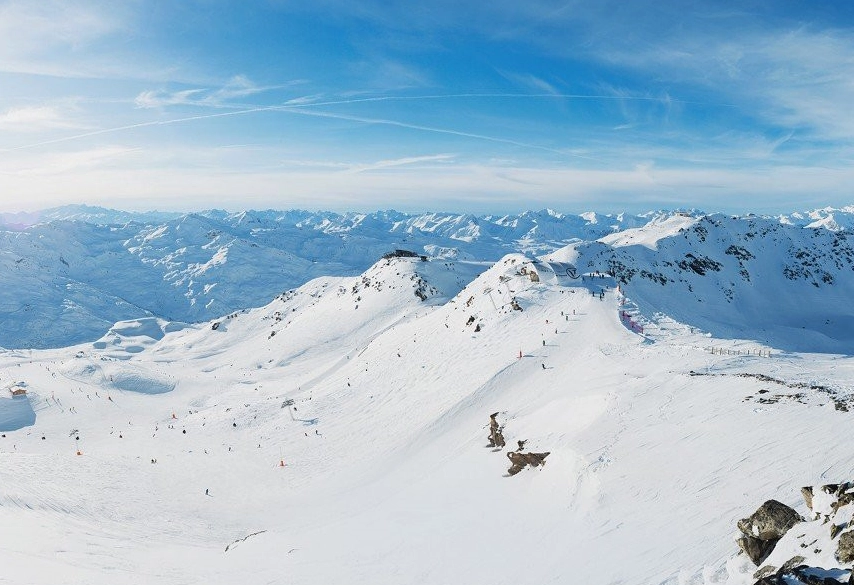
- 600 km of marked pistes. To ski every single groomed run back-to-back would take a very fit skier about a week, assuming perfect conditions and no repeats. It's functionally endless for a normal one-week holiday.
- Over 180 ski lifts. This includes everything from old button drags to the futuristic Vanoise Express gondola that shuttles 200 people at a time between Les Menuires and Val Thorens. The lift infrastructure is mostly modern and efficient.
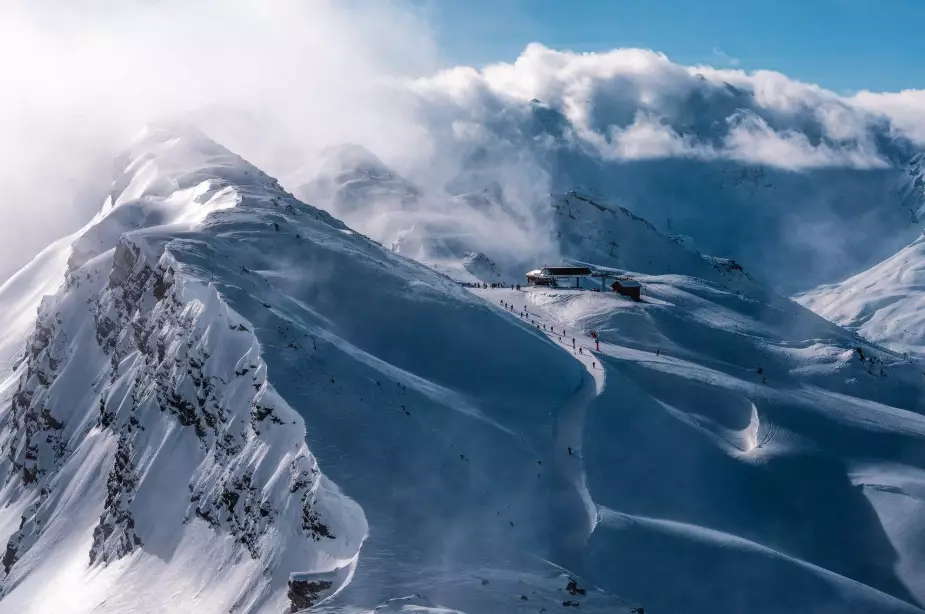
- Highest point: Pointe du Bouchet (3,230m) above Orelle. This guarantees snow reliability, especially in Val Thorens, often from November to May.
- Villages spanning from 600m to 2,300m in altitude. This range is unique. You can stay in the traditional, lower-altitude Brides-les-Bains and take a gondola up, or be in the snow-sure fortress of Val Thorens.
I've been skiing here for over a decade, and I still find new corners. Last season, I stumbled upon a perfect, sun-drenched blue run near Saint-Martin that I'd somehow always missed. That's the magic—and the slight frustration. You'll never cover it all.
Not One Resort, But Eight: A Village-by-Village Breakdown
Choosing where to stay is your most important decision. Picking the wrong village can ruin your trip. Here’s the real scoop, beyond the brochure gloss.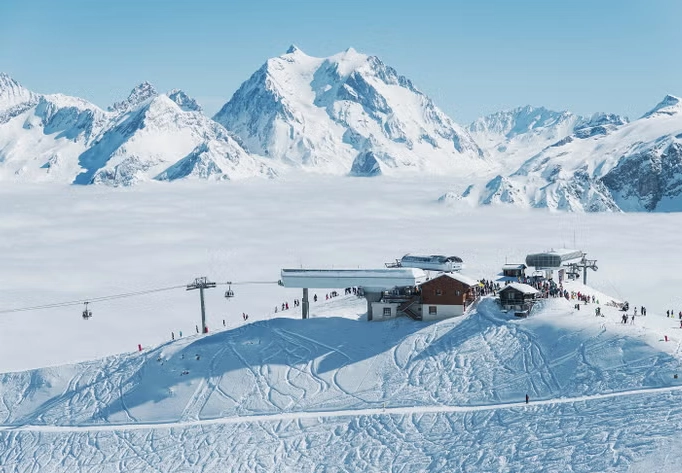
Courchevel (1850, 1650, 1550, Le Praz): The glitzy heart. Courchevel 1850 is for champagne tastes—designer shops, Michelin stars, and palatial chalets. The skiing is vast and excellent, with incredible tree-lined runs back to the village. Le Praz (1300) is the hidden gem: more affordable, charming, and with a direct gondola up.
Méribel & Méribel-Mottaret: The middle valley, and arguably the most convenient hub. Traditional chalet architecture, a vibrant après-ski scene (think La Folie Douce), and perfectly central for exploring all three valleys. Mottaret is higher, ski-in/ski-out, but feels more purpose-built.
Val Thorens & Les Menuires: The high-altitude power duo. Val Thorens (Europe's highest resort at 2300m) is where you go for guaranteed snow. It's modern, functional, and has phenomenal skiing right to your door. The trade-off? It can feel a bit like a snowy space station, lacking the alpine charm of lower villages. Les Menuires is its more affordable, less glamorous sibling. Great access to slopes, but architecture that's, well, controversial (1960s concrete). The skiing around here is superb, though.
Saint-Martin-de-Belleville & Orelle: The quieter alternatives. Saint-Martin is a gorgeous, preserved Savoyard village. It's peaceful and authentic, but you'll rely on lifts to access the main system. Orelle is the secret gate on the Italian side. It's tiny, cheap, and has direct access to the epic, off-piste dominated fourth valley (Vallon de Thorens). A paradise for experts on a budget.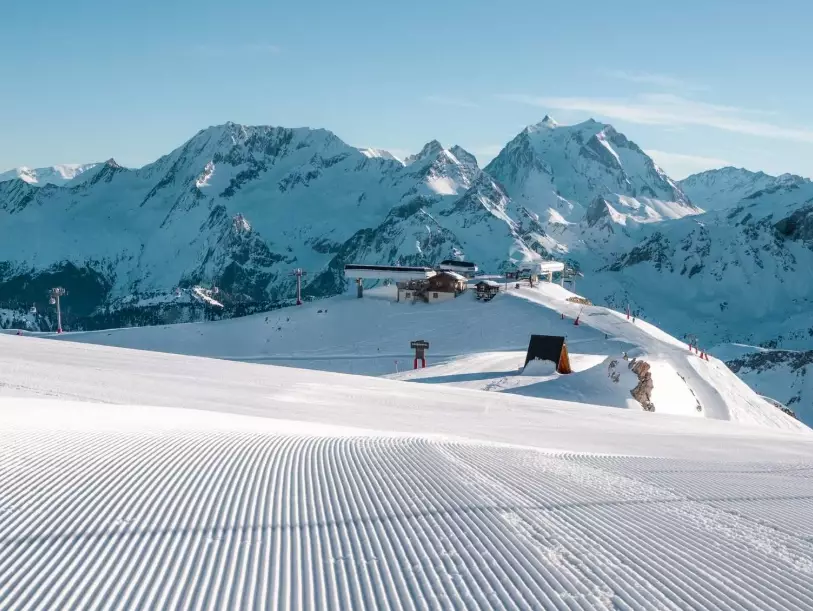
How Does Les 3 Vallées Compare to Other Mega Resorts?
This is the real test. Its main rivals for the "world's largest" title are in the Alps and North America.
| Resort / Area | Claimed Ski Area | Piste Length | Key Distinction |
|---|---|---|---|
| Les 3 Vallées, France | 1050 km² (linked) | 600 km | Largest interconnected ski area by terrain. |
| Portes du Soleil, France/Switzerland | ~650 km² (linked) | ~650 km | Spreads across 12+ villages, two countries. Feels more like a ski safari. |
| Ski Arlberg, Austria (St. Anton, etc.) | ~305 km² (linked) | ~305 km | Less total area, but arguably more challenging and iconic off-piste. |
| Whistler Blackcomb, Canada | ~33 km² (linked) | ~200 km | Massive vertical drop, two huge mountains side-by-side. Measures differently. |
The Portes du Soleil often claims more total piste kilometers. So why does 3 Vallées win the "largest" tag? The skiable area (km²) metric. Portes du Soleil is a vast network, but it includes more low-altitude, linking valleys. 3 Vallées feels more densely packed with high-quality, high-altitude skiing.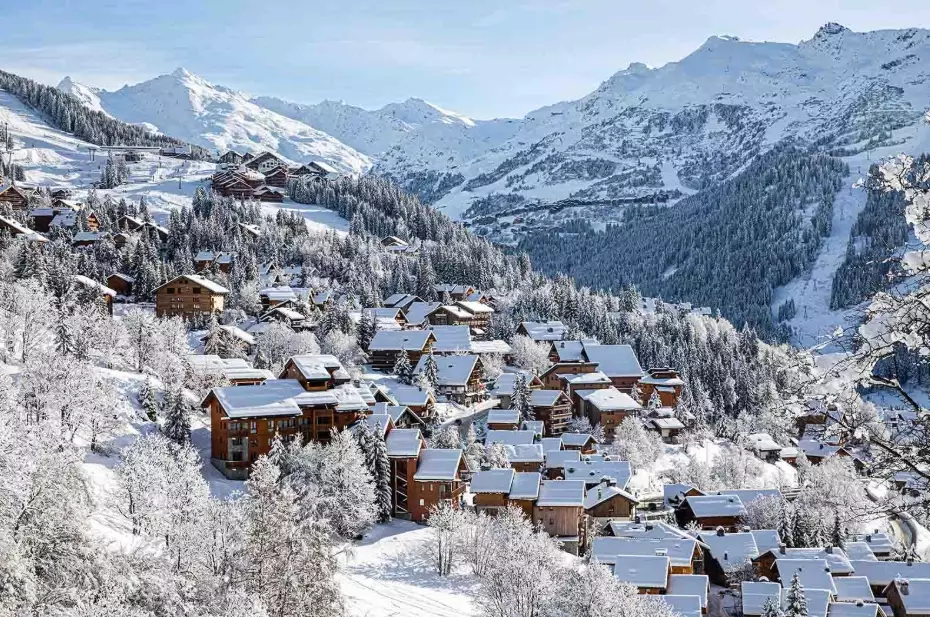
Here's my non-consensus take: 3 Vallées wins on seamless engineering, Portes du Soleil wins on adventure. In 3 Vallées, you're rarely on a long, flat traverse between sectors. The lift connections feel intentional and efficient. In Portes du Soleil, getting from Morzine to Avoriaz can feel like a journey with a purpose—it's part of the fun, but also more tiring.
Who is Les 3 Vallées Best Suited For? (And Who Might Be Disappointed)
It's perfect for:
- Groups with mixed abilities: The variety is unmatched. Beginners have huge, gentle zones (like the Altiport in Courchevel). Intermediates are in heaven with endless cruising blues and reds. Experts have the couloirs of Courchevel, the off-piste of Orelle, and the mogul fields of La Masse.
- Skiers who hate repetition: You can ski a different sector every day for a week.
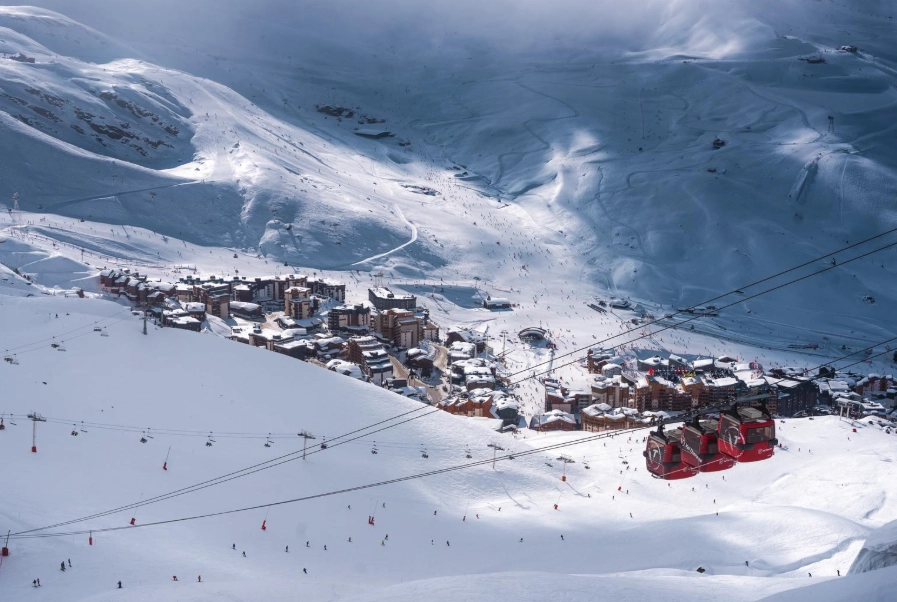
- Those prioritizing snow certainty: Starting your day in Val Thoreens almost guarantees good conditions.
- Luxury seekers and party-goers: If you want fine dining and buzzing bars, Courchevel and Méribel deliver.
You might be disappointed if:
- You're on a tight budget: It's among the most expensive destinations in the Alps, especially in the prestige villages.
- You crave a single, intimate village feel: The scale can be overwhelming. You might feel you're in a giant ski machine rather than a mountain community.
- You're a pure expert seeking extreme terrain: While there is great expert terrain, it's not as concentrated or as legendarily hardcore as in places like Chamonix or La Grave. The area's design caters to the masses.
The Cost Reality: Is the "Largest" Also the Most Expensive?
Let's talk money, because the brochures won't. A 6-day Les 3 Vallées lift pass for the 2023/24 season peaked at around €360. That's high, but not outrageous for the access you get. The real budget-killers are accommodation, food, and drink.
A simple pizza and beer on the mountain will cost €25-30. A sit-down lunch at a mid-range restaurant can easily hit €50 per person. Dinner in Courchevel 1850? Forget about it unless money is no object.
Smart strategy: Stay in the more affordable satellites—Le Praz, Les Menuires, or Saint-Martin. Self-cater where possible. Pack a picnic lunch (many lifts have picnic areas). Drink at happy hour. The skiing experience is identical; you're just paying less for your bed and your cheese.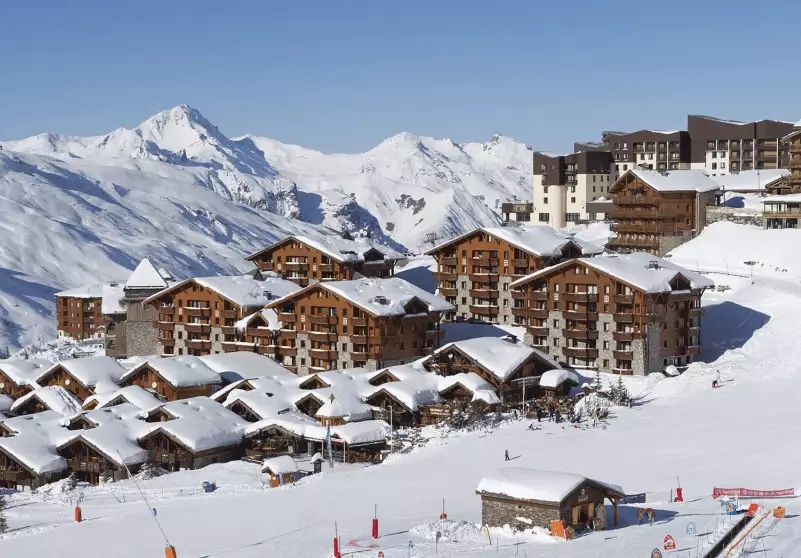
Your Burning Questions, Answered by a Seasoned Skier
So, is Les 3 Vallées the largest ski resort in the world? By the most accepted and impressive metric—the sheer amount of skiable terrain all connected by lifts—yes, it is. That title is well-earned. But the real story isn't just a number. It's about choice, reliability, and a skiing experience so vast it can feel both liberating and a little impersonal. It's a masterpiece of alpine logistics. Whether it's the best for you depends entirely on what you want from a ski holiday. If your priority is endless variety, top-tier infrastructure, and the confidence of good snow, there is simply nothing else on Earth that operates at this scale.
Related Articles


Comments
Join the discussion