Let's get this out of the way first. When you search for bikini snowboarding, you're bombarded with flawless Instagram shots against a backdrop of perfect powder. It looks like a blast. It looks easy. As someone who's been strapped into a snowboard for over a decade and has seen (and attempted) this trend up close, I'm here to tell you the picture is only half the story.
Bikini snowboarding isn't just a stunt. For many, it's a celebration of winter, a challenge against the elements, and yes, a fantastic photo opportunity. But doing it safely, comfortably, and without turning into a human popsicle requires more thought than just throwing on a swimsuit. This guide cuts through the social media gloss to give you the real, actionable information you need.
What's Inside?
The Real Gear Breakdown: It's Not Just a Bikini
Thinking your favorite beach bikini will work? Think again. The gear you choose is the difference between a fun, 20-minute session and a miserable, potentially dangerous five minutes.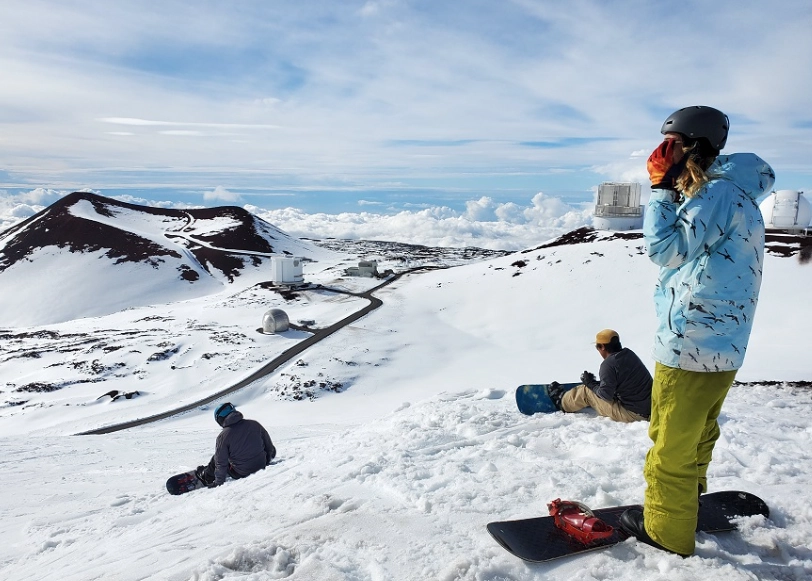
The Bikini (or Swimsuit) Itself
Material is everything. Avoid pure cotton or cheap, thin synthetics that offer zero insulation when wet. You want a swimsuit made from a thicker, performance-oriented fabric like polyester-spandex or nylon-spandex blends. Brands that make athletic swimwear for surfing or water sports are your best bet. A high-neck or long-sleeve rash guard style can provide surprising warmth and crucial sun protection.
Fit is non-negotiable. It must stay put. No adjusting straps after every fall. A secure, bandeau-style top or a top with a clasp is often better than simple ties. For bottoms, a snug, boy-short or high-waisted style prevents uncomfortable shifting and offers a bit more coverage against the snow.
Pro Tip I Rarely See: Apply a thin layer of petroleum jelly (like Vaseline) to any exposed skin before you go out. It creates a protective barrier against windburn and helps retain a tiny amount of moisture. It's a game-changer for comfort.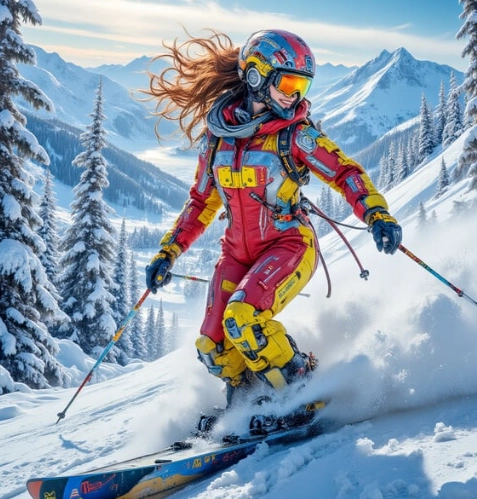
Everything Else You Absolutely Need
Your regular snowboard gear doesn't get a day off.
- Snowboard & Boots: Use your normal setup. This is not the time to try new gear.
- Gloves or Mittens: Your hands will be on the snow constantly. Frostbite isn't a good look. Wear them.
- Goggles: Sun reflection off snow is intense. Goggles protect your eyes and help you see terrain changes.
- Helmet: This should be obvious, but I've seen people skip it for photos. Don't. A head injury is permanent.
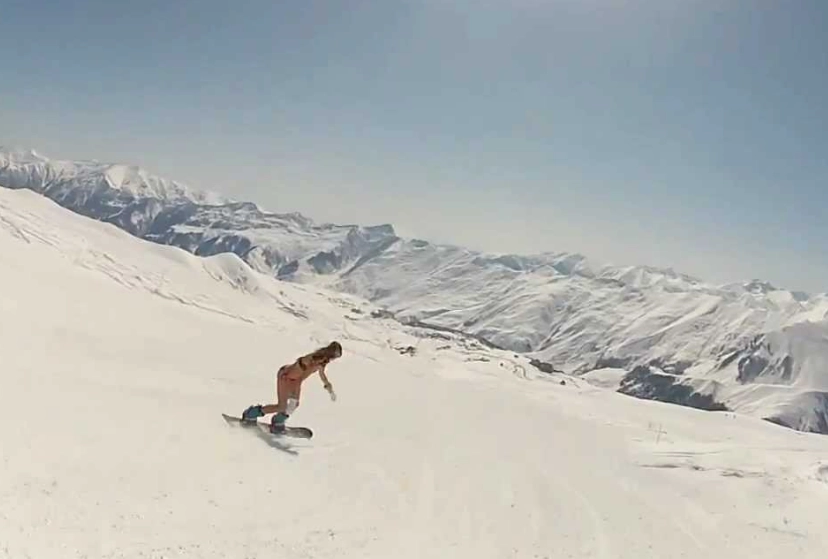
And then there are the extras most people forget:
- Hand & Toe Warmers: Stick them to the inside of your wrist (near the pulse point) and the top of your feet inside your boots. They warm the blood flowing to your extremities.
- A Microfiber Towel: Keep it in your pocket. The moment you're done, dry off any melted snow on your skin immediately.
- Lip Balm with SPF: High-altitude sun will chap your lips in minutes.
Safety First: The Cold, Hard Facts Everyone Ignores
This is where most online guides are dangerously vague. Hypothermia and frostbite are real risks, even on a sunny day.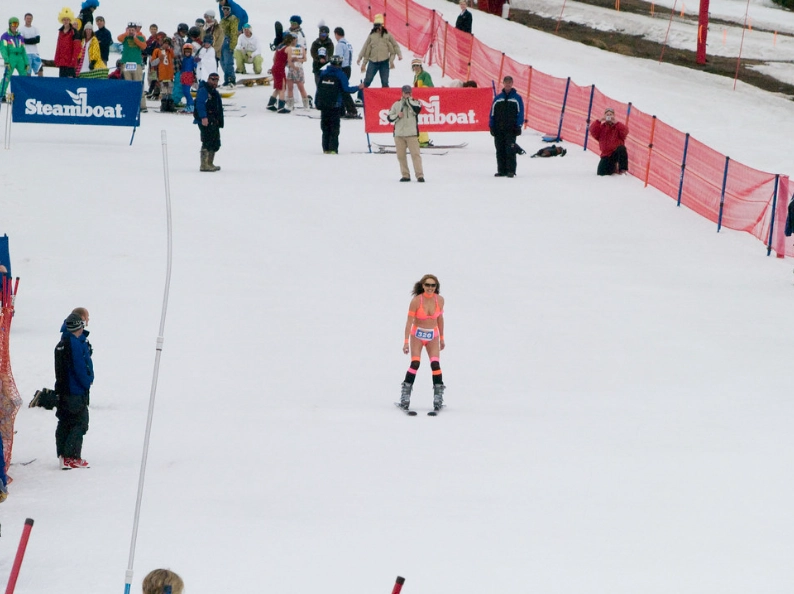
Understanding Your Limits
Wind is your biggest enemy, more than air temperature alone. A 35°F (2°C) day with 15 mph winds feels like 22°F (-6°C). Check the wind chill, not just the thermometer. The National Weather Service has a reliable wind chill chart.
Set a strict time limit before you go out. For beginners, 15-20 minutes is plenty. Even experienced cold-weather folks shouldn't push past 45 minutes of continuous exposure on the torso. Your core will get cold, and your reaction time and decision-making will slow down, making you a hazard to yourself and others on the slope.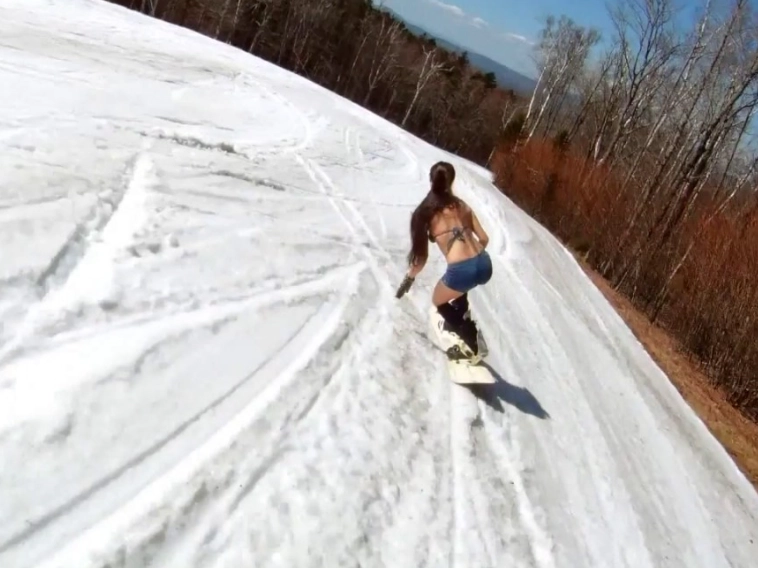
The Non-Negotiable Protocol
Never go alone. Have a buddy who is fully dressed and ready to call it quits when you are. They can also carry your warm layers.
Plan your exit. Don't end up at the bottom of the mountain, shivering in a lift line. Plan to finish your run near your lodge, car, or a warm cabin. Have a thermos of warm (not scalding) liquid ready for immediately after.
Listen to your body, not your ego. Shivering is an early warning sign. If you start feeling disoriented, unusually tired, or your skin turns waxy and white or grayish-yellow, get inside and warm up immediately. These are signs of progressing hypothermia.
Where to Go: Top Destinations for Bikini Boarding & Photos
Location matters. You want reliable spring-like conditions, good scenery, and ideally, a resort with a tolerant attitude. Late March through May is prime season in the Northern Hemisphere.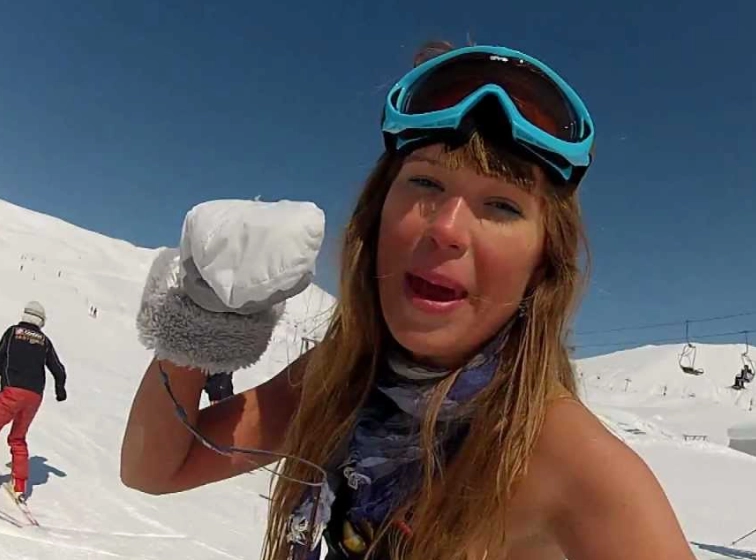
| Destination | Why It Works | Key Info & Vibe |
|---|---|---|
| European Alps (e.g., Zermatt, CH; St. Anton, AT) | High-altitude glaciers guarantee snow into summer. Stunning alpine backdrops. Apres-ski culture is more accepting of unconventional styles. | Check glacier ski area opening dates (often year-round). Towns are walkable, so warm shelter is never far. Expect a mix of curious looks and cheers. |
| Whistler Blackcomb, Canada | Long season, reliable spring snow on the upper glaciers. The "Horstman Glacier" area in summer is a known hub for park skiers and photo shoots. | Resort is massive; stick to the higher, sunnier areas like the Harmony or Symphony lifts in spring. The village has a very laid-back, youthful energy. |
| Japanese Rockies (e.g., Hakuba, Niseko) | Incredibly light, dry powder in spring makes for soft landings. The contrast of swimwear against deep snow and traditional onsens (hot springs) is unique. | Cultural sensitivity is key. Be discreet and respectful. Doing this at a remote backcountry spot is better than on a crowded main run. The onsen is the perfect reward afterward. |
A quick note on resort policies: Most don't have explicit rules against it, but they have broad rules about safety and appropriate conduct. Be smart. Don't block trails for long photo sessions. Be ready to throw a coat on if ski patrol asks. It's about common sense, not confrontation.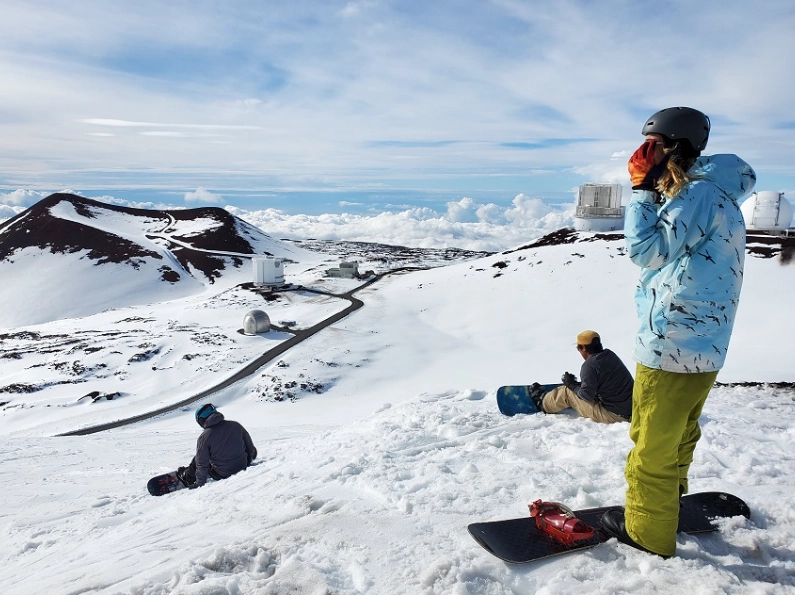
Your Questions, Answered by Experience
Related Articles


Comments
Join the discussion