You see them on the Olympics, flying through the air, spinning over bumps, or sliding down rails. It looks incredible, maybe a bit crazy. You might ask yourself, what is this sport called? The simple answer is freestyle skiing. But that's just the start. Most people in the scene just call it freeskiing. It's an umbrella term that covers a wild variety of disciplines, from the classic moguls to the gravity-defying big air jumps. It's not just one thing; it's a culture built on creativity, style, and pushing personal limits on snow.
I remember my first time watching a slopestyle competition live. The sound of skis on rails, the silence before a big takeoff, then the crowd's gasp. It wasn't just skiing; it was performance. That's what we're talking about here.
What You'll Discover
The Many Names for Freestyle Skiing
So, what is freestyle skiing called? Officially, it's freestyle skiing. The International Ski and Snowboard Federation (FIS) uses this term for all its sanctioned competitions. But on the mountain, you'll hear freeskiing more often. It's a bit more casual, capturing the spirit of doing your own thing.
Then you have the specific event names. If someone says they're into mogul skiing or bump skiing, they're talking about one specific, punishingly rhythmic part of freestyle. Big mountain skiing or extreme skiing is sometimes lumped in, but purists see that as its own off-piste world. The key is knowing that "freestyle skiing" is the official, broad category, while "freeskiing" is the community's preferred vibe.
Quick History Note: Freestyle skiing started as "hot-dogging" in the 1960s—a rebellious, showy style against traditional alpine racing. It was almost banned for being too dangerous! It evolved, got organized, and became an Olympic sport in 1992 (moguls and aerials first). The newer events like slopestyle and halfpipe joined much later, in 2014.
The Six Core Disciplines Explained
Calling it all "freestyle skiing" is like calling all music "songs." The details matter. Here's a breakdown of the main events you'll see, from the Olympic stage to your local terrain park.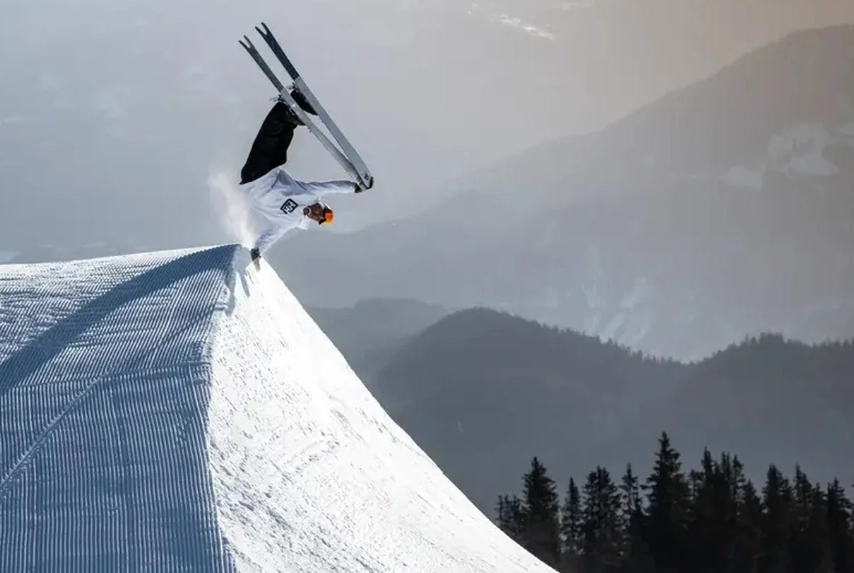
| Discipline | What It Is | Key Focus | Olympic Status |
|---|---|---|---|
| Moguls (Bumps) | Skiing down a steep slope covered in large, formed bumps (moguls), with two mandatory jumps. | Turn technique, speed, air form. | Since 1992 |
| Aerials | Skiers launch off massive kickers, perform flips and twists, and land on a steep slope. | Height, rotation, landing. | Since 1994 |
| Slopestyle | A course with rails, boxes, and jumps. Skiers choose their line and perform tricks on each feature. | Creativity, technical rail tricks, jump variety. | Since 2014 |
| Halfpipe | Skiing back and forth in a giant U-shaped snow structure, hitting the walls to gain air for tricks. | Amplitude (height), trick execution, flow. | Since 2014 |
| Big Air | One massive jump. One chance to land your biggest, most complex trick. Scoring is based on difficulty and style. | Single-trick mastery, progression. | Since 2018 |
| Ski Cross | 4-6 skiers race simultaneously down a winding course with banked turns, rollers, and jumps. | Speed, aggression, line choice, passing. | Since 2010 |
Most recreational freeskiers dabble in slopestyle and big air elements in terrain parks. Moguls are everywhere after a storm, but dedicated bump runs are rarer. Aerials and halfpipe require very specific, professionally-built facilities.
A Common Mistake Beginners Make
They see the jumps and immediately want to spin or flip. I've coached dozens of kids (and adults) who just wanted to huck their meat. The foundational skill everyone overlooks? Park skiing etiquette and basic air awareness. Knowing how to "scope" a jump (checking the takeoff and landing), waiting your turn, and knowing how to safely fall are more important than your first 180. Ski patrol sees more injuries from people hitting features beyond their skill level than from the pros attempting doubles.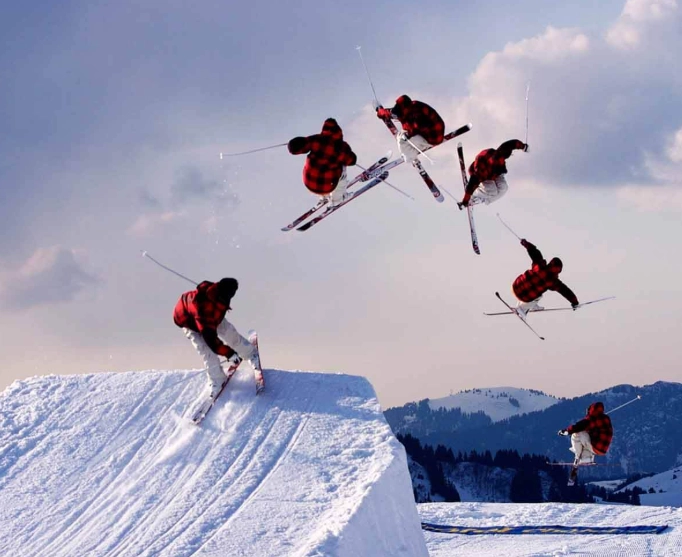
Essential Gear: It's Not Just Any Ski
You can't do this safely or well with standard downhill skis. The gear is specialized.
- Twin-Tip Skis: The defining feature. Upturned tails let you ski and land backwards (switch). For park and pipe, look for softer flex for forgiveness. All-mountain twin-tips are a great start.
- Boots: Softer flex than race boots. You need ankle mobility for presses and landings. A good fit is non-negotiable.
- Helmet: Non-negotiable. Full-face helmets are common in halfpipe and big air for extra jaw protection.
- Protection: This is where I see the biggest gap. Wrist guards, impact shorts, and back protectors aren't just for kids. They prevent season-ending injuries. I wear knee pads and impact shorts every park session, and it's saved my hips countless times.
Brands like Armada, Line, and Faction dominate the freeski scene for a reason—they build skis designed to be beaten on rails and launched off jumps.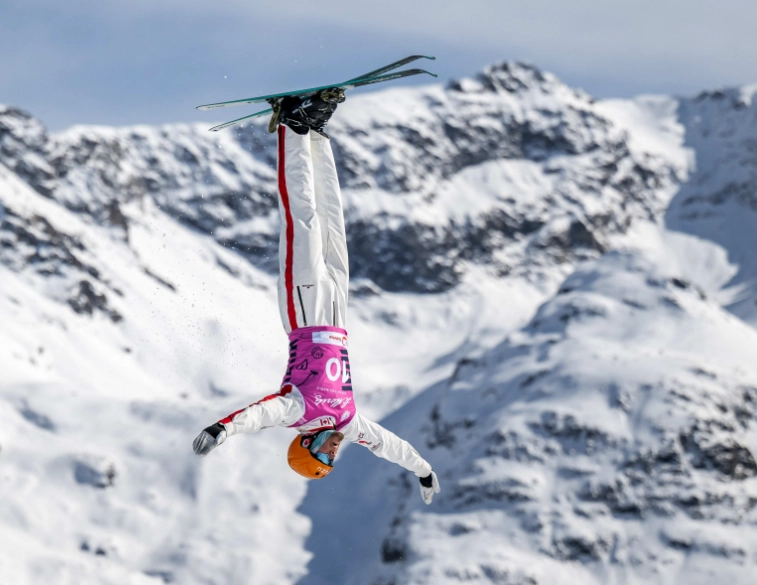
Where Can You Actually Do This?
You need specific terrain.
Terrain Parks: This is your local training ground. Resorts build them with small to large features. Start in the "small park" or on the side hits. Look for resorts with a reputation for good parks—places like Park City, Breckenridge, Whistler Blackcomb, or Mammoth Mountain in the US invest heavily. In Europe, Laax and Stubai Glacier are famous.
Mogul Runs: Often marked as black diamonds. They form naturally but are also groomed into shape for competitions.
Halfpipes & Big Air Jumps: These are major investments. You'll find them at major resorts and Olympic training centers. They're not always open to the public, so check ahead.
Indoor Snow Centres: A game-changer for off-season training. Places like the Snow Centre in the UK or Alpine-X in the US have dedicated park features year-round.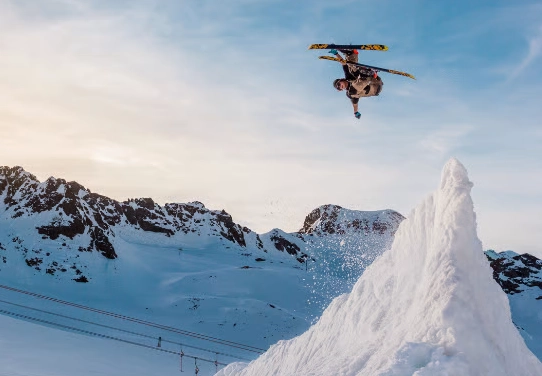
How to Start Freestyle Skiing (Safely)
Let's assume you're a competent parallel skier who wants to try. Here's a realistic path, not the Instagram highlight reel.
Step 1: Master the Basics on Green Terrain. I mean it. Can you ski switch (backwards) in a straight line on a gentle slope? Can you do a 180-degree spin on flat ground? Practice these first. Get comfortable with your twin-tips.
Step 2: Find a Side Hit. Before the park, look for a natural, small bump on the side of a run. Practice popping off it, getting a bit of air, and landing in your normal skiing stance. The goal is a "straight air"—no spin, just up and down. Land with your knees bent.
Step 3: Enter the Small Park. Go with a friend. Start on the smallest box or rail. Just slide. Don't try to spin on or off it. Then, move to the smallest jump. Your goal is the same straight air. Watch others first. See where they take off from and where they land.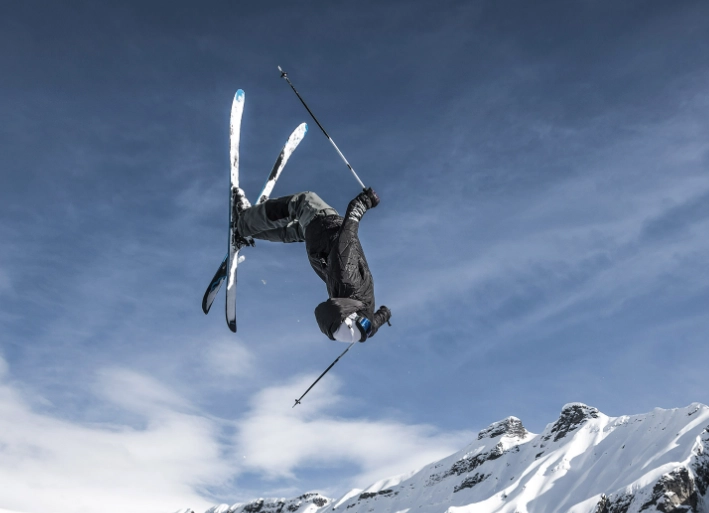
Critical Safety Tip: Never stop on the landing of a jump or directly in front of a rail. That's the fastest way to get hit and cause a serious collision. Clear the landing area immediately.
Step 4: Get a Lesson. A one-hour park-specific lesson from a certified instructor is worth ten sessions of trial and error. They'll teach you how to approach features, control your speed, and bail safely.
Step 5: Progress Slowly. A 180 comes before a 360. A 50-50 grind on a box comes before a slide on a rail. Rushing leads to fear and injury. The culture respects style and progression, not just the hardest trick.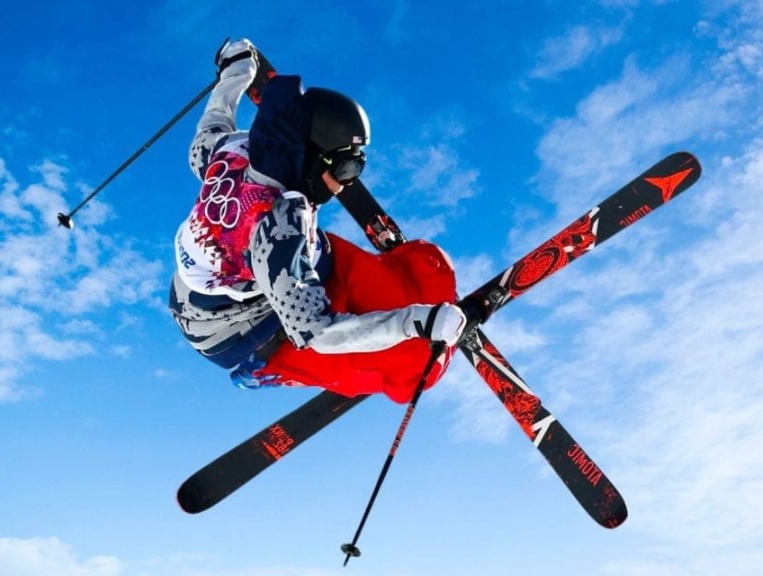
Your Freestyle Skiing Questions Answered
Related Articles


Comments
Join the discussion