If you're on the East Coast and dreaming of skiing, you're not limited to just watching the Olympics. You have options, lots of them. The answer to "where do East Coast people ski?" isn't one resort—it's a whole network of mountains stretching from the frozen north of Maine down to the surprising peaks of North Carolina. The real story isn't just the location; it's about understanding the unique character of Eastern skiing: resilient, community-driven, and heavily reliant on some of the world's best snowmaking technology to combat our famously fickle weather.
Your Quick Guide to Eastern Skiing
The Northern Powerhouses: Vermont, Maine & New Hampshire
This is the heartland. When people in Boston, New York, or Philly say they're "going skiing," there's a 90% chance they're pointing their car north on I-89 or I-91. The snow is more reliable here, the mountains are bigger, and the ski culture runs deep.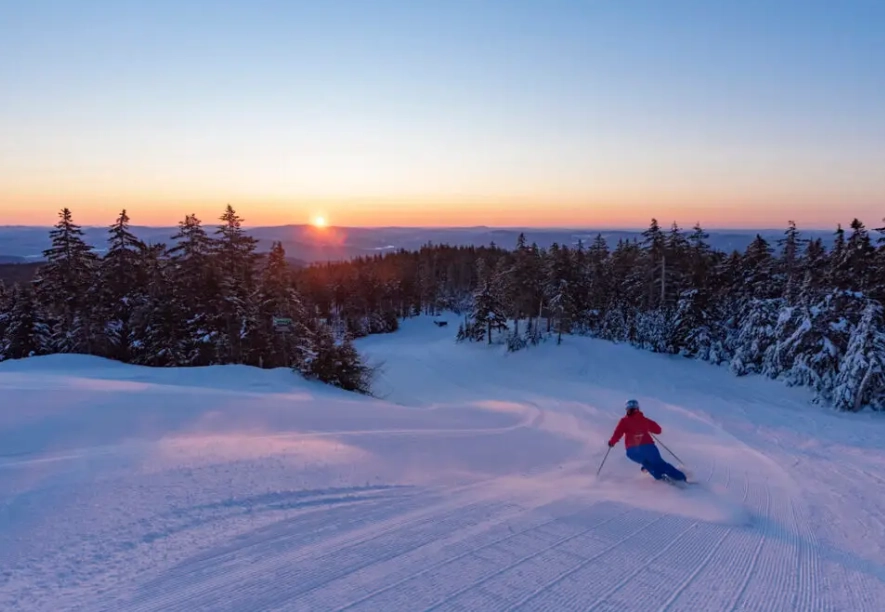
Killington Resort, Vermont
They don't call it "The Beast of the East" for nothing. Killington is massive. With over 1,500 skiable acres and a 3,050-foot vertical drop, it feels like you could ski for a week and not hit every trail. It's the first to open and often the last to close in the East, thanks to an aggressive snowmaking system that blankets 600 acres. The vibe is energetic, sometimes rowdy, and unapologetically focused on skiing hard. The town of Killington is a strip of condos and bars—it's functional, not charming. Lift tickets are steep, often hitting $170 on peak weekends. Book online in advance for significant discounts. If you want variety and don't mind crowds, this is your spot.
Stowe Mountain Resort, Vermont
Stowe is the classic, postcard-perfect New England ski town. The mountain is split between the more forgiving Spruce Peak and the legendary, expert-terrain of Mount Mansfield's Front Four trails. The infrastructure is top-notch, with a modern gondola and high-speed quads. The downside? The price. A Stowe day pass, owned by Vail Resorts, is one of the most expensive in the country, regularly over $180. You're paying for the prestige and the impeccably groomed corduroy. The village is lovely, with great restaurants like Plate and the Alchemist Brewery nearby. It's a splurge, but for many, it's worth it.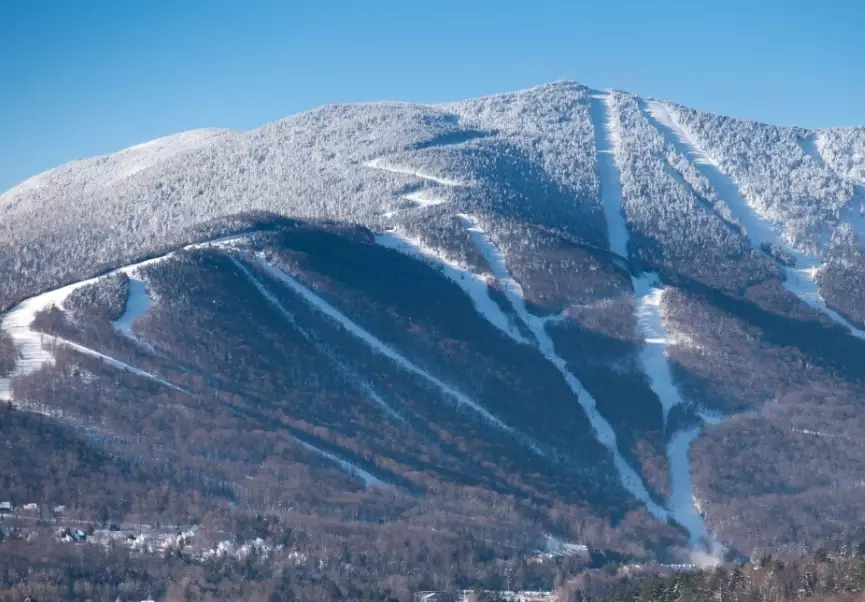
Sugarloaf, Maine
Sugarloaf is remote. A 4+ hour drive from Boston, it filters out the casual day-trippers and leaves a dedicated crew. What you get is the only lift-served above-treeline skiing in the East, on a snowfield that feels wildly different from the wooded trails below. The vertical is impressive (2,820 feet), and the terrain is challenging and varied. The vibe in the base area is authentically Maine—friendly, unpretentious, and focused on the sport. The Sugarloaf Mountain Hotel offers ski-in/ski-out convenience. Check their website for package deals that bundle lifts and lodging; it's often more economical than the Vermont giants.
New York & the Adirondacks: Big Mountain Feel
For folks in NYC, Upstate New York is the most accessible true-mountain skiing.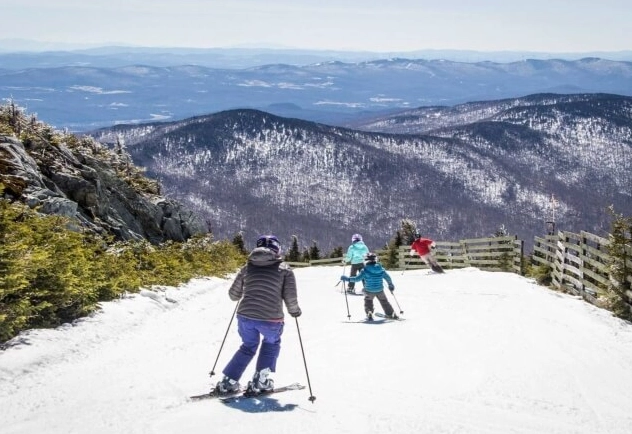
Whiteface Mountain, Lake Placid
Home of the 1980 Winter Olympics, Whiteface has the biggest vertical drop in the East (3,430 feet). The terrain is no joke—the upper mountain is steep, often icy, and absolutely thrilling for strong skiers. The Olympic legacy is everywhere, from the bobsled track to the ski jumping complex. The town of Lake Placid is a genuine destination with great lodging (like the High Peaks Resort) and dining. A day pass is around $120-$140. Be warned: the weather on the upper mountain can be brutal, with high winds frequently shutting down the summit lift. Always check the lift status before you go.
Gore Mountain & Hunter Mountain
Gore, north of Lake George, is a local favorite for its expansive, less-crowded terrain and a good mix of trails. Hunter Mountain, just two hours from NYC, is the weekend warrior's paradise (or nightmare, depending on your tolerance for crowds). It gets packed, but its snowmaking is phenomenal, guaranteeing coverage. Hunter is where many New Yorkers learn to ski.
| Resort | State | Vertical Drop | Peak Day Ticket (Approx.) | Best For |
|---|---|---|---|---|
| Killington | VT | 3,050 ft | $165-$175 | Variety, nightlife, long season |
| Stowe | VT | 2,360 ft | $180-$190 | Grooming, luxury, classic village |
| Sugarloaf | ME | 2,820 ft | $120-$140 | Remote adventure, above-treeline skiing |
| Whiteface | NY | 3,430 ft | $120-$140 | Expert terrain, Olympic history |
| Sugar Mountain | NC | 1,200 ft | $80-$90 | Southern access, family trips |
The Southern Surprises: Pennsylvania to North Carolina
Yes, they ski in the South. These areas are vital for skiers in Washington D.C., Virginia, and the Carolinas. The seasons are shorter and the mountains are smaller, but the passion is real.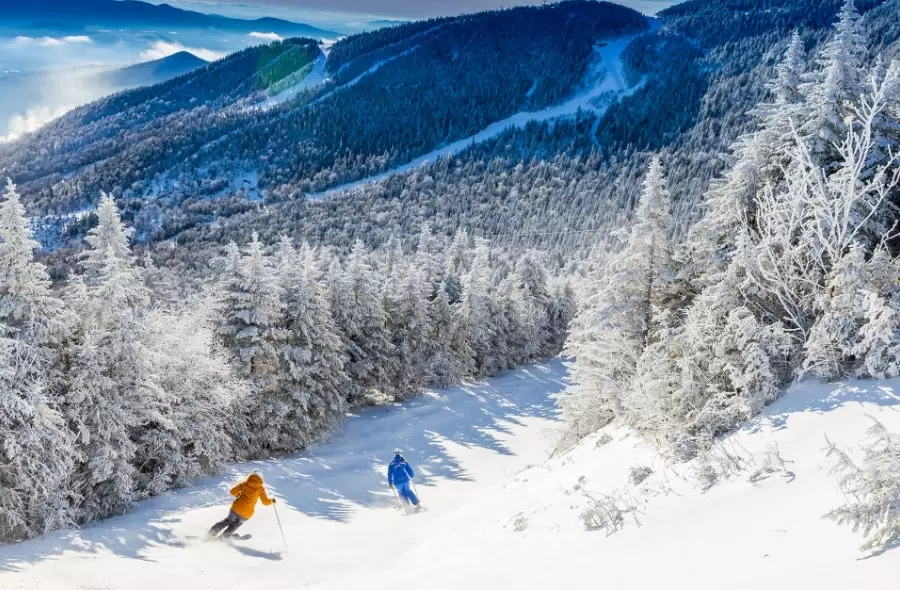
Seven Springs, PA and Snowshoe Mountain, WV are the hubs for the Mid-Atlantic. Snowshoe, in particular, feels like a real mountain getaway. The village is at the top, so you start your day by skiing down. It's a unique layout with a great community feel.
Down south, Beech Mountain and Sugar Mountain in North Carolina are the go-tos. Sugar Mountain is the bigger of the two, with a respectable 1,200-foot vertical. They rely almost entirely on snowmaking, but on a good cold stretch, they can offer a fantastic few days of skiing. Lift tickets are a relative bargain, around $80-$90. Don't expect Vermont-scale terrain, but for getting your turns in without a long flight, it's a game-changer.
How to Pick Your Perfect East Coast Ski Resort
Choosing isn't just about the biggest mountain. It's about matching the mountain to your trip goals.
Prioritize Snowmaking, Not Just Snowfall
This is the single most important factor for a guaranteed good time. Look at the resort's snow report for "percent of trails open" in mid-January, not just the base depth. A resort with 90% open on machine-made snow is better than one with 50% open waiting for a storm.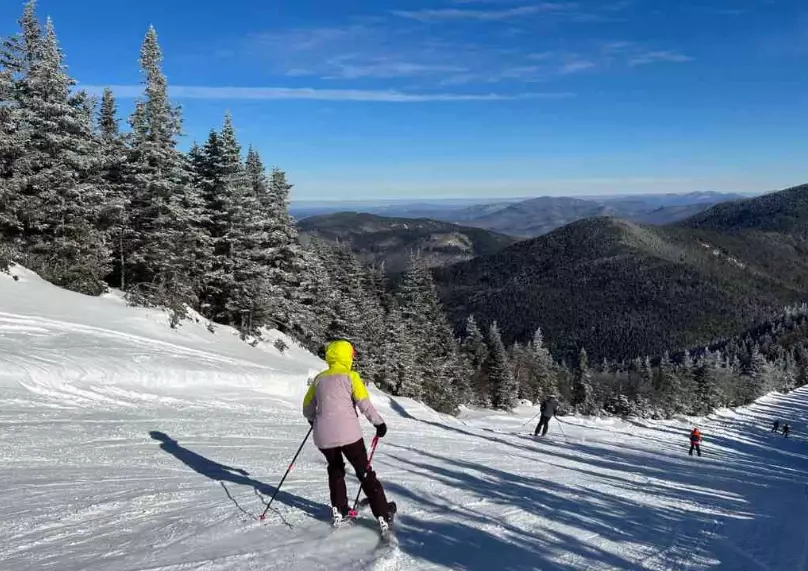
Terrain That Matches Your Crew
Are you bringing beginners? A resort with a great dedicated learning area and slow zones is key (Stowe's Spruce Peak is perfect). Are you a group of experts chasing steeps? Look at the trail breakdown—what percentage is black diamond? Killington, Stowe's Mansfield, and Whiteface deliver here.
The Convenience Factor
How far are you willing to drive? A 2-hour trip to Hunter means more ski days. A 5-hour trek to Sugarloaf is a committed weekend. Factor in traffic—Friday night northbound on I-91 is a special kind of hell.
Budget Beyond the Lift Ticket
The ticket is just the start. Look at lodging packages. Sometimes a mid-week stay-and-ski deal at a smaller resort like Bretton Woods in NH or Bolton Valley in VT offers more value and a better experience than a crowded Saturday at a mega-resort where you're just standing in line.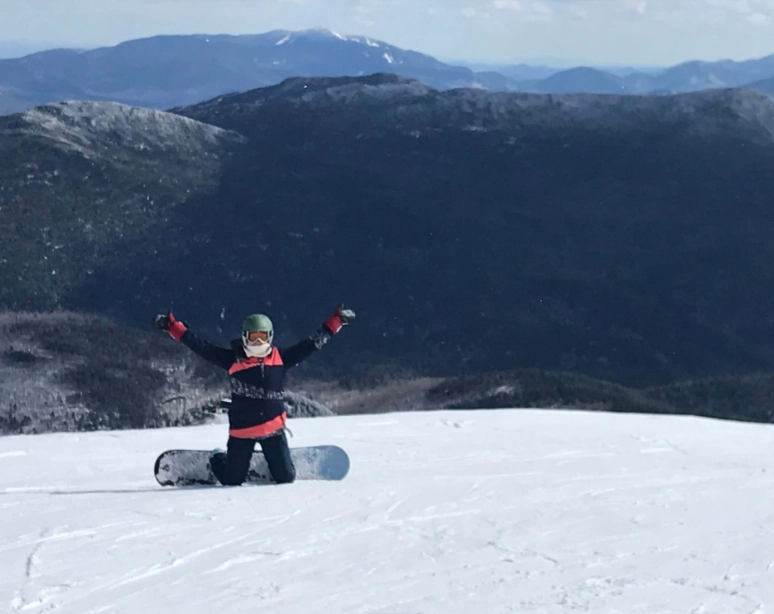
Planning Your East Coast Ski Trip: Insider Tips
You've picked your mountain. Now, make the trip smooth.
Book lift tickets online, early. The window price is a penalty. Buying even two days ahead can save you 20-30%. Seriously, never just show up at the ticket window.
Lodging: For a group, a condo or house rental through Airbnb or Vrbo near the access road is often cheaper and more fun than a hotel. For a couple's trip, the ski-in/ski-out convenience of a place like the Killington Grand or Stowe's Lodge at Spruce Peak is worth the premium.
Rent gear off-mountain. Rental shops in the nearby town (like Northern Ski Works in Killington or AJ's Ski & Sports in Stowe) are usually cheaper, have shorter lines, and offer higher-performance demo skis. Reserve online.
Manage weekend expectations. Saturday at 10 AM on a bluebird day after a storm? Every main lift will have a 20-minute line. Either get there for first chair (8 AM) or embrace a later, more relaxed start. Use that time for a big breakfast.
Pack for variable conditions. Layers are non-negotiable. A moisture-wicking base layer, a warm mid-layer like a fleece, and a waterproof shell. Goggles are better than sunglasses. Hand and toe warmers are cheap insurance for happiness.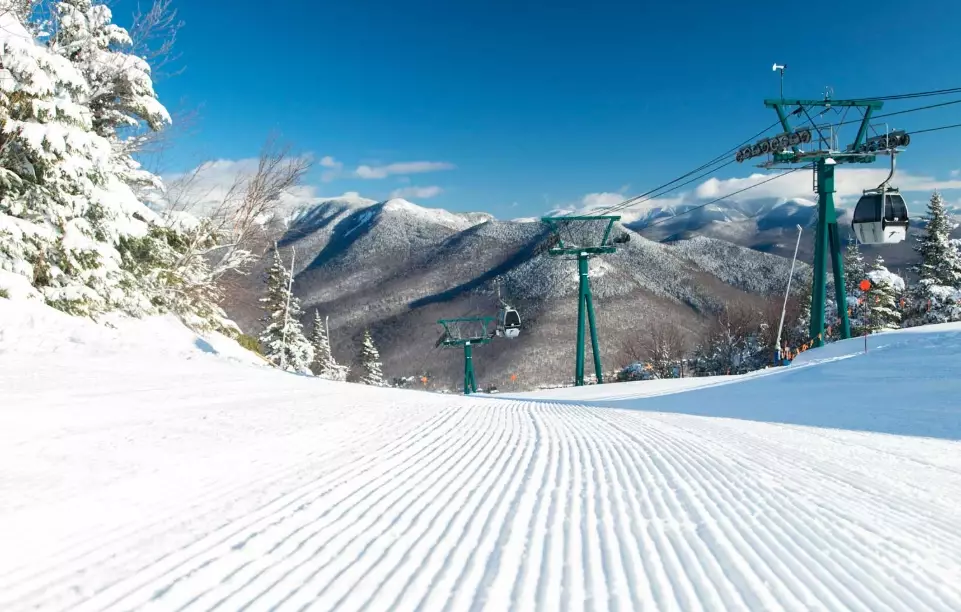
Your East Coast Skiing Questions, Answered
Related Articles


Comments
Join the discussion