Let's cut to the chase. You're thinking about skiing in Japan because you've heard the stories. The snow is supposedly lighter, deeper, and more abundant than anywhere else. The onsen hot springs promise the perfect end to a cold day. The culture is a fascinating bonus. I've spent over a decade chasing snow here, from the northernmost peaks of Hokkaido to the central mountains of Nagano, and I can tell you—the stories are true, but there's a lot more to it. Planning a ski trip to Japan isn't just about picking a resort; it's about understanding the snow belts, the transport quirks, the pass deals nobody talks about, and how to avoid the crowds that have discovered this paradise. This guide is the one I wish I had before my first trip.
What's Inside This Guide
Why Japan's Powder Snow is a Game-Changer
It's called "Japow" for a reason. The magic happens when cold air from Siberia sweeps across the Sea of Japan, picking up massive amounts of moisture, then slams into the mountains of western Japan. The result? Consistent, frequent dumps of the driest, lightest snow you'll ever ski. We're talking 12-18 meters of annual snowfall in places like Niseko. That's not a typo.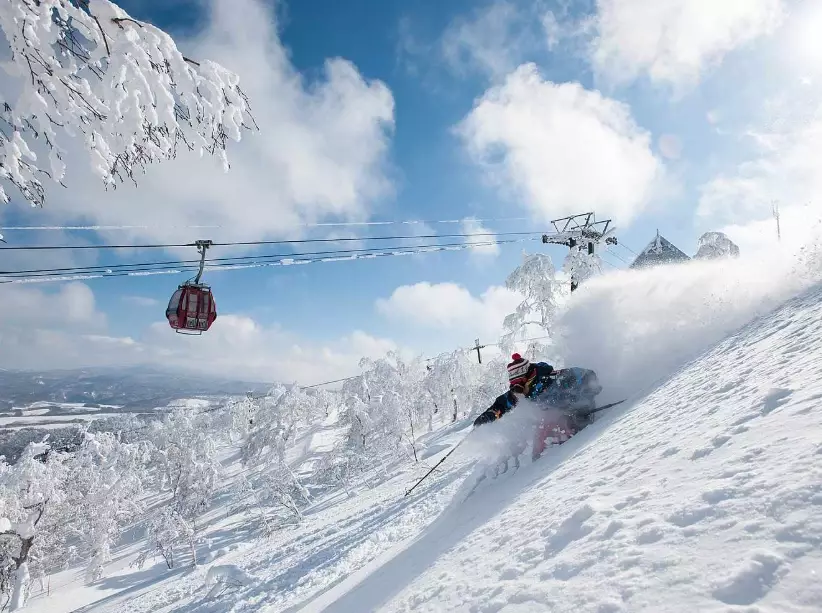
But here's the thing everyone misses: not all of Japan gets this snow. The famous "Japan Alps" around Hakuba and Nozawa Onsen get great snow, but it's often heavier than Hokkaido's. Resorts on the Pacific side, like some around Fukushima, get significantly less. Your choice of island—Hokkaido vs. Honshu—is your first and biggest decision. Hokkaido guarantees insane quantities of that famous dry powder. Honshu offers more cultural day-trip options (think Kyoto, Tokyo) and often more challenging, steep terrain.
My Take: If it's your first time and your dream is waist-deep blower powder, go to Hokkaido. The consistency is unmatched. If you want a mix of great skiing, hot springs culture, and maybe a side trip, the Nagano/Niigata region is your spot.
A Real Breakdown of Japan's Top Ski Resorts
Forget generic "top 10" lists. Let's group them by what they're actually good for. I'm including key details you need to know: the vibe, the snow, who it's for, and the practical stuff like lift ticket prices (approx. for a 1-day adult pass) and base towns.
td>Guaranteed insane powder (14m+). Four interconnected resorts. Tree skiing paradise. Can get crowded.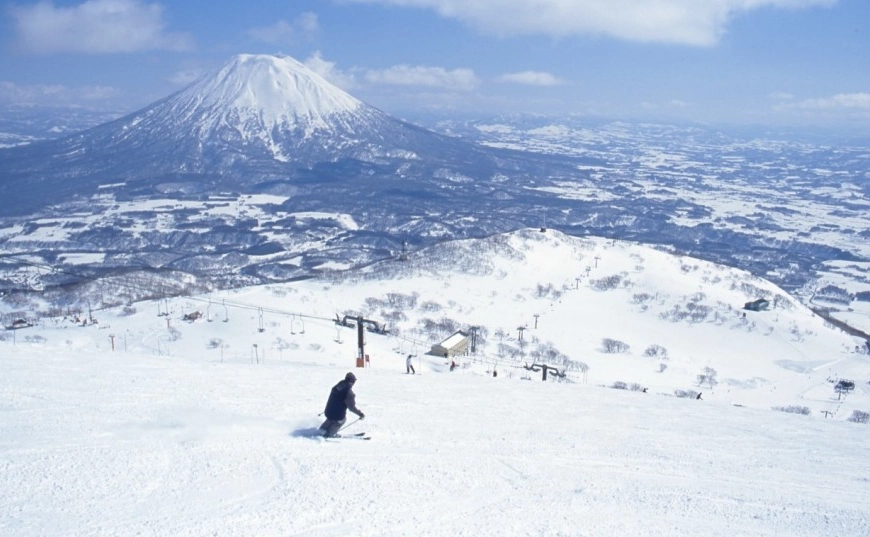
| Resort & Region | Best For / Vibe | Snow & Terrain Notes | Sample 1-Day Pass | Base Town Vibe |
|---|---|---|---|---|
| Niseko United (Hokkaido) | First-timers to Japan, powder seekers, English speakers. | ¥8,500 - ¥9,500 | Hirafu: Bustling, international, many restaurants/bars. Feels like a global ski town. | |
| Rusutsu (Hokkaido) | Families, avoiding crowds, incredible tree runs. | Same epic snow as Niseko. Less crowded. Amazing, well-spaced gladed areas. Resort is a bit isolated. | ¥6,500 - ¥7,500 | The resort itself is a massive hotel complex. Quiet, self-contained, great for families. |
| Furano (Hokkaido) | All-rounders, bluebird days, a more Japanese feel. | More sun than Niseko, drier air. Great mix of groomers and off-piste. Less extreme snowfall but still excellent. | ¥5,500 - ¥6,500 | Furano city: A real Japanese town with local life, good food, fewer foreign crowds. |
| Hakuba Valley (Nagano) | Advanced skiers, terrain variety, Olympic history. | 10+ resorts in one valley. Home to Happo-One (Olympics). Steep, challenging terrain. Snow can be variable. | ¥6,000 - ¥7,500 (per resort) | Happo village: Spread out, lots of pension-style lodging. Echoland area has good apres. |
| Nozawa Onsen (Nagano) | Culture + skiing, traditional onsen town vibe. | Reliable snow, fun terrain park, great intermediate cruising. The town is the star here. | ¥5,500 - ¥6,500 | A stunning traditional village with 13+ public free onsens. Authentic and charming. |
| Shiga Kogen (Nagano) | Serious skiers, linked terrain, high altitude. | Japan's largest interconnected area (19+ lifts). High, cold, holds snow well. More focused on piste skiing. | ¥6,000 - ¥7,000 | Several small, quiet hotel clusters. Not a party town—it's about the skiing. |
| Myoko Kogen (Niigata) | Deep snow seekers on Honshu, value, local experience. | Heavy snowfall zone. Less developed, fewer crowds. Great powder but fewer amenities. | ¥4,500 - ¥5,500 | Scattered traditional towns. Akakura is the main hub, low-key and friendly. |
See the pattern? Hokkaido is about the snow certainty and modern convenience. Central Honshu (Nagano/Niigata) is about mixing terrain, culture, and tradition. A huge mistake is trying to do both in one week—the travel between them eats up too much time.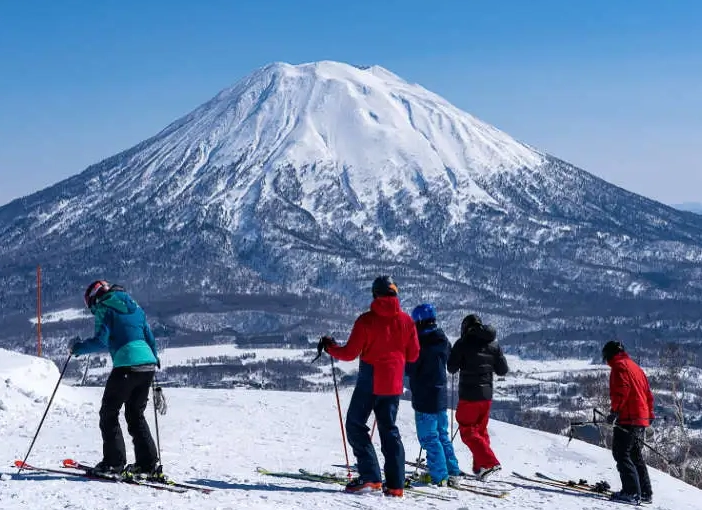
The Lift Pass Hack Most Tourists Miss
Don't just buy a pass at the window. Look for regional passes. In Hokkaido, the "Sapporo Kokusai Resort" area has joint tickets. In Nagano, the "Hakuba Valley Ticket" can sometimes be a good deal if you plan to hop resorts. But the real winner? The Japan Powder Pass or similar multi-resort deals offered by tour operators early season. They bundle days at Niseko, Rusutsu, and Furano for a significant discount. You have to buy from overseas before you go. It's the single biggest money-saver nobody talks about enough.
How to Actually Plan Your Japan Ski Trip
Okay, you've picked a region. Now what? Here's the step-by-step that works.
When to Go: Peak powder season is late January through February. The snow is deepest, but it's also the coldest and most crowded (especially around Chinese New Year). Early March is a sweet spot—still great snow, longer days, fewer people. December and April are gamble months with thinner cover or spring conditions.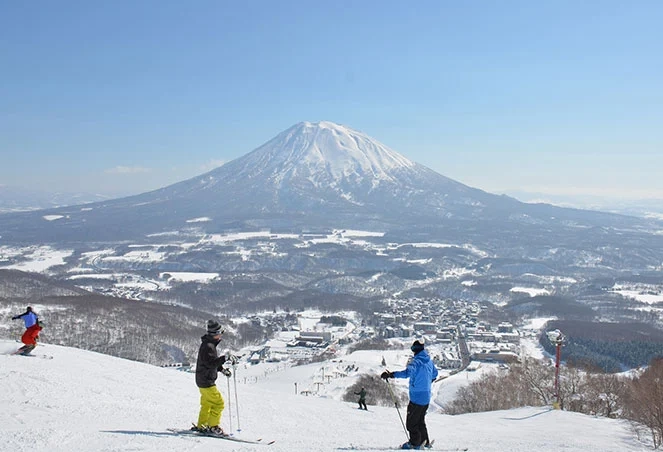
Budgeting Realistically: Japan isn't the cheap ski destination it once was. Niseko rivals North American prices. A mid-range trip for a week, including flights, lodging, lift tickets, food, and transport, will likely run you $2,500-$4,000 per person. You can save by staying in a pension in Myoko or Furano, eating at local ramen shops, and using public buses.
Getting There & Around:
Fly into Tokyo (Narita/Haneda) for Honshu resorts. You'll then take a Shinkansen bullet train to Nagano or Iiyama, then a local bus. For Hokkaido, fly into New Chitose Airport (CTS) near Sapporo. From there, pre-book a shared shuttle bus (like White Liner or Hokkaido Resort Liner) directly to your resort town. Renting a car in Hokkaido is a fantastic idea for flexibility, especially to hit Rusutsu and Kiroro, but be confident driving in heavy snow.
Where to Stay:
- Ski-in/Ski-out: Worth the premium in Hokkaido for powder mornings. Look in Hirafu (Niseko) or the main hotel at Rusutsu.
- Western-Style Condo/Apartment: Great for families or groups, available in Niseko and Hakuba. You can cook meals.
- Japanese Pension or Ryokan: The cultural experience. Often includes breakfast and dinner. Common in Nozawa, Myoko, Furano. Rooms are smaller, often with shared bathrooms. I love these for the hospitality and food.
- Budget: Look for business hotels in nearby towns (e.g., Kutchan near Niseko, Omachi near Hakuba) and commute by bus.
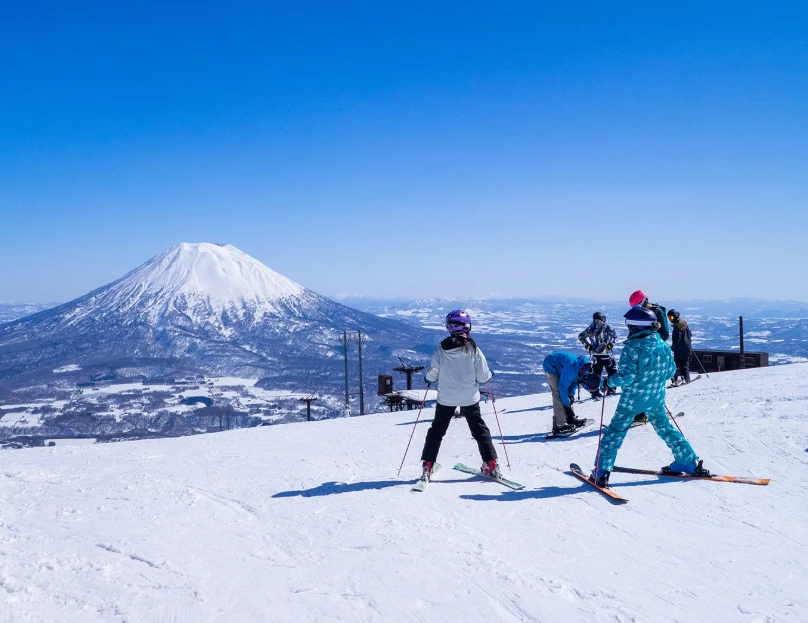
A Sample 5-Day Hokkaido Itinerary
Day 1: Arrive at New Chitose, shuttle to Niseko (Hirafu). Settle in, rent gear, explore the village.
Day 2-3: Ski Niseko United. Focus on a different area each day (Grand Hirafu, Hanazono, Niseko Village).
Day 4: Day trip to Rusutsu. Rent a car or take a shuttle. Spend the day in their legendary tree zones.
Day 5: Morning ski in Niseko, afternoon soak in an onsen, farewell dinner.
Day 6: Shuttle back to airport.
Simple, focused, powder-maximized.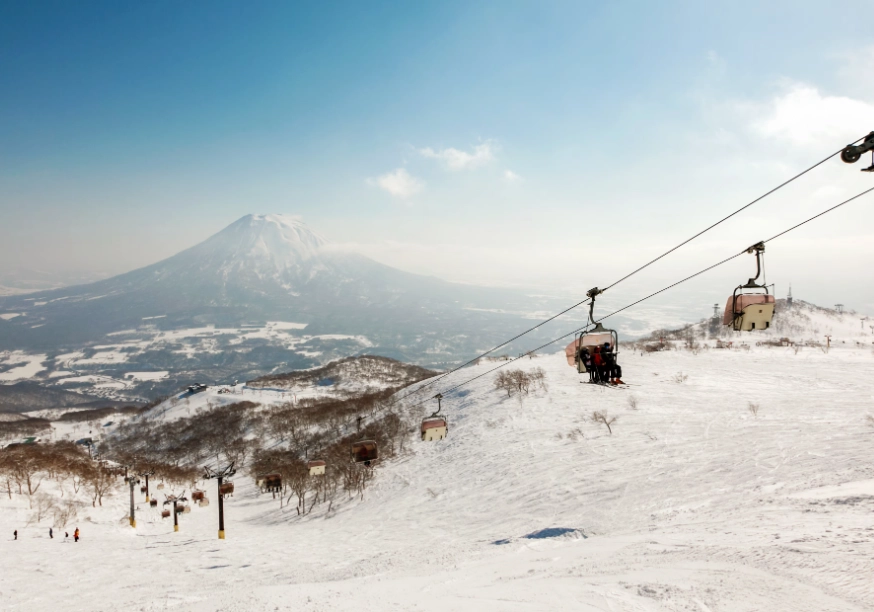
Ski Japan FAQ: The Questions You're Actually Asking
Japan's ski scene offers something profound—a perfect storm of natural wonder and rich culture. It's more than just a ski trip; it's an experience that blends deep powder mornings with serene onsens under the stars, and bowls of ramen that taste like victory. Do your homework, pick the right spot for *you*, and you'll understand why so many people call it the best skiing on earth.
Related Articles

Comments
Join the discussion