Quick Navigation
Let's be honest. The first time you looked at a ski trail map, it probably felt like you were trying to decipher ancient hieroglyphics. A mess of colored lines, weird shapes, and little pictures scattered across a confusing mountain drawing. I remember my first trip out West, squinting at the map in the freezing cold, trying to figure out if a blue square was harder than a black diamond (it's not, by the way—I was reading it wrong). It was frustrating.
But here's the thing: those skiing symbols aren't just decoration. They're a critical, universal language. They tell you where you can go, how hard it will be, and what dangers to avoid. Understanding them is the difference between a fantastic, flowing day on the mountain and a terrifying, potentially dangerous misadventure.
This guide is here to crack the code. We're going to move beyond just "green means easy" and dive into what every symbol means, why it looks the way it does, and how you can use this knowledge to plan better, ski smarter, and stay safe. Whether you're a first-timer or someone who's been skiing for years but never really *studied* the map, there's something here for you.
The Big Four: Difficulty Rating Symbols
This is the core of the skiing symbols system. Almost every resort in North America and Europe uses some variation of this shape-and-color code to tell you how tough a run is. It's not perfect—a blue square in Colorado might feel like a black diamond compared to a blue square in Michigan—but it gives you a solid baseline.
The system is designed to be progressive. You start with the easiest symbol and work your way up as your skills grow.
The Green Circle: Your Starting Point
The friendly green circle. It signals beginner terrain. These runs are wide, groomed flat (or with a very gentle slope), and obstacle-free. They're the bunny hills and the long, meandering trails that let you practice your turns without fear. If you see a green circle, you can generally expect a relaxed, controlled environment.
But a word of caution from personal experience: don't assume *all* green runs are created equal. Sometimes a green run will feed into a steeper section, or it might be narrow. The symbol tells you the *maximum* difficulty, not that every inch is a cakewalk. Always glance ahead.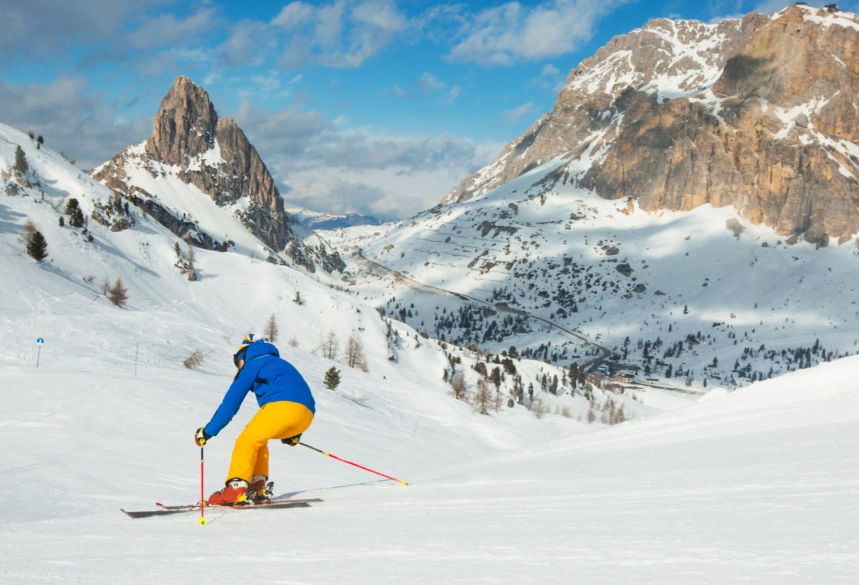
The Blue Square: The Heart of the Mountain
This is intermediate territory. Blue square runs are the bread and butter for most recreational skiers and snowboarders. They're steeper than greens, but still groomed regularly. You'll need to be able to make linked, controlled turns to enjoy these comfortably. This is where you spend most of your day once you've graduated from the beginner slopes.
I love a good blue square cruiser on a sunny day. It's challenging enough to be fun, but not so hard that you're scared the whole way down. Most mountain infrastructure—like chairlifts and lodges—tends to be accessible via blue runs, making them the central highways of the resort.
The Black Diamond: Expert Terrain
Now we're talking. The black diamond is the classic symbol for expert-level trails. These runs are steep. They may be groomed, but often they're left with natural snow conditions—moguls (those bumpy mounds), ice patches, or tight trees. You need strong technical skills, confidence, and the ability to handle variable conditions to tackle these.
Here's a personal opinion: some resorts are really generous with their black diamonds. I've been on "black diamond" runs that felt like tough blues, and I've been on blues that had sections that made me sweat. The symbol is a guide, not a gospel. When in doubt, ask a local or a ski patroller about the specific run's conditions that day.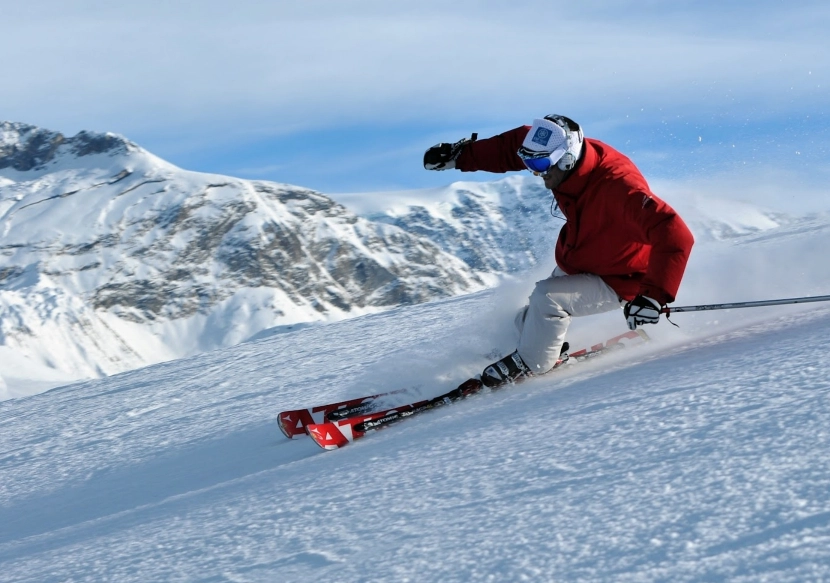
The Double Black Diamond: For the Truly Fearless
This is as serious as the standard symbols get. Double black diamonds denote extreme, expert-only terrain. We're talking about very steep slopes, often with mandatory cliffs, narrow chutes, exposure (where a fall could mean a long, uncontrolled slide), and dense trees. These areas are rarely, if ever, groomed.
These skiing symbols are a clear warning: do not enter unless you are an expert skier or rider comfortable with high-consequence terrain. Avalanche danger may be present, even within resort boundaries. Rescue can be difficult. I'll admit, I eye these with a mix of respect and nervous excitement. They're not for a casual challenge.
| Symbol | Name & Difficulty | What to Expect | Who It's For |
|---|---|---|---|
| ● | Green Circle (Beginner) | Wide, gentle slopes (max 25% grade). Always groomed. Minimal obstacles. | First-timers, novices, families with young kids. |
| ■ | Blue Square (Intermediate) | Moderate pitch (25%-40% grade). Groomed daily. The most common run type. | Comfortable skiers who can link turns and control speed. |
| ◆ | Black Diamond (Expert) | Steep slopes (40%+ grade). May be groomed or left natural (moguls, trees). | Advanced skiers with strong technique for variable conditions. |
| ◆◆ | Double Black Diamond (Extreme) | Very steep, with cliffs, exposure, tight trees. Ungroomed. High consequence. | Experts only. Requires avalanche awareness and expert-level skill. |
See? Not so mysterious anymore. But these core four are just the beginning. The real nuance—and the most critical safety information—comes from the other symbols on the map.
Safety First: Warning and Hazard Symbols
If the difficulty symbols are suggestions, these are commands. Ignoring them is a direct risk to your safety and the safety of others. These skiing symbols are non-negotiable.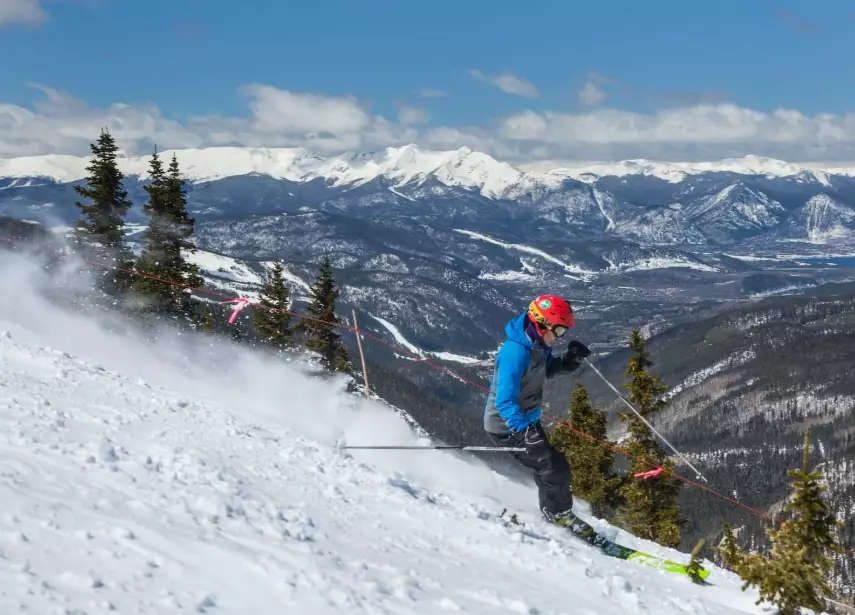
Cliff and Drop-Off Warnings
These are usually depicted with a simple, jagged line icon (like a side-view of a cliff) or an exclamation point inside a triangle. They mark areas where the terrain drops off sharply. It might be a 5-foot ledge or a 50-foot cliff. The symbol doesn't specify the height, just the presence of a sudden, dangerous drop. These are often found near the edges of trails or in expert terrain.
Avalanche Hazard and Closed Area Symbols
You might see a symbol of a collapsing snow block or the word "AVALANCHE" in a bold, outlined area. This indicates terrain that is prone to avalanches. Even within a ski resort, some areas are not actively controlled for avalanches. Entering these zones is extremely dangerous. Similarly, a crossed-out circle or a "CLOSED" sign over an area means it is off-limits. This could be due to poor snow cover, avalanche mitigation work, or wildlife protection. Never duck a rope or ignore a closure sign. It's illegal in many places and a surefire way to get your pass revoked or worse, need a rescue.
Slow Zones and Intersection Warnings
These are often marked by an orange oval or a sign that says "SLOW." They're typically placed in areas where trails merge, near lift bases, or in beginner zones. The expectation is that you reduce your speed dramatically and be hyper-aware of other skiers, especially those who may be less predictable. Failing to obey slow zones is a major cause of collisions.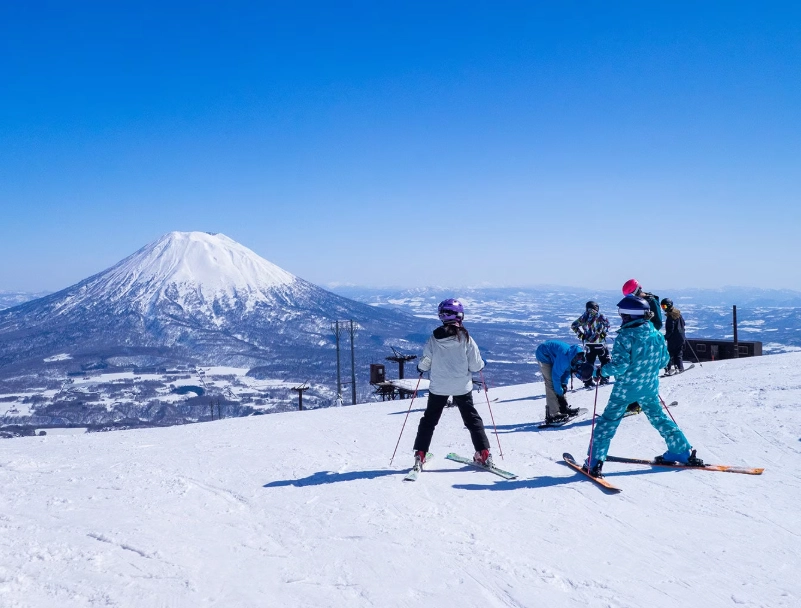
Other common hazard symbols include icons for:
- Snowmaking equipment: (Looks like a snowflake with an arrow or a gun). Give these wide berths; the hoses and guns are hard, and the wet snow can freeze on your goggles instantly.
- Thin cover or rocks: (A rock icon or a jagged line). Self-explanatory. Protect your skis or board!
- Ungroomed or natural terrain: (Sometimes two wavy lines). This just tells you not to expect a smooth, machine-groomed surface.
Beyond the Basics: Lift, Park, and Boundary Symbols
Modern trail maps are full of other helpful icons. Understanding these can really improve your day.
Lift Symbols: Different lines (dashed, dotted, solid) or little chairlift icons tell you what type of lift services a run. A gondola icon means a covered cabin, a dashed line might mean a surface lift (like a T-bar or rope tow)—good to know if you're a snowboarder and find those tricky!
Terrain Parks: Usually marked by a rectangle with a jump icon or the words "PARK." These areas contain man-made features like jumps, rails, and boxes. They have their own difficulty ratings (small, medium, large), often indicated by colored shapes like in the main trail system.
Resort Boundary: A thick, often brightly colored line (like orange or red) marks the edge of the ski area's patrolled and controlled territory. Going beyond this line is called "out-of-bounds" or backcountry skiing. This is a huge step up in risk. You are leaving the resort's safety net. Avalanche danger is not mitigated, rescue is not guaranteed, and you need proper training, equipment (beacon, probe, shovel), and partners. The boundary symbol is a literal line you should not cross without serious preparation.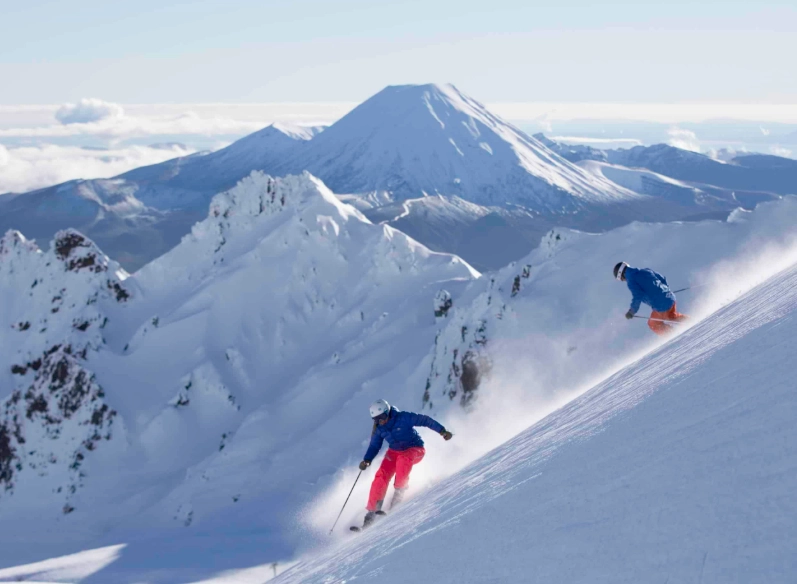
Where Did These Skiing Symbols Come From? A Bit of History
It's interesting to think this wasn't always the standard. Back in the early days of skiing, you just asked someone or took your chances. The modern system was largely standardized in the 1960s and 70s as skiing boomed in popularity in North America. The need for a clear, visual, language-independent system became obvious to prevent accidents and manage the flow of skiers of different abilities.
The shapes and colors were chosen for clarity. Green is universally associated with "go" or safety. Blue is a neutral, intermediate step. Black implies something serious or advanced. The circle, square, and diamond shapes are distinct enough to be told apart in poor weather or at a glance.
For safety symbols, resorts often follow guidelines from bodies like the International Ski Federation (FIS), which publishes standards for slope safety signs to promote consistency internationally. While not every resort is a member, the FIS guidelines are highly influential. National ski associations, like Ski Canada, also provide extensive resources on slope safety and the meaning of signs.
Common Questions About Ski Trail Symbols (FAQs)
Let's tackle some of the specific questions that pop up when people are trying to understand these symbols.
Are ski trail symbols the same all over the world?
Mostly, yes. The green circle, blue square, black diamond system is nearly universal in North America, Europe, Japan, and Australia/New Zealand. You might see slight variations—Europe sometimes uses blue circles for easy runs and red squares for intermediate—but the principle is the same: progressive difficulty with clear shapes and colors. Always check the map's legend first to be sure.
What does a "run-out" or "cat-track" symbol mean?
These are usually thin, light-colored lines (sometimes dashed). They are flat, narrow connector trails used to get from one lift to another or to return to the base. They are not for skiing fast! They require poling or skating, and they are often congested. Treat them like walking paths, not ski runs.
What if I see a symbol I don't recognize?
Stop. Don't guess. Either check the map's legend (it's usually in a corner), ask a ski patroller (they're in the red jackets), or ask a mountain host/information desk. It's far better to ask a simple question than to proceed into something dangerous. I've done this more than once, and the patrollers are always happy to explain.
How accurate are the difficulty ratings?
They are a general guide, not a precise measurement. A black diamond at a small, icy Midwest hill will be very different from a black diamond at Jackson Hole. Conditions change everything. An easy blue run on a sunny, groomed day can become a scary, icy challenge after a freeze-thaw cycle. The symbols give you a starting point. Your own eyes, the conditions report, and local advice will give you the real story.
Why are some symbols combined (like a blue square with a tree icon)?
This is great map design. It gives you layered information. A blue square with a tree icon means it's an intermediate run that goes through a gladed (forested) area. A black diamond with a cliff icon means it's an expert run that contains cliffs. This helps you make more informed choices about the type of challenge you're seeking.
Putting It All Together: How to Read a Trail Map Like a Pro
So, you're standing in the lodge, map in hand. Here's a quick mental checklist:
- Find the Legend: Locate it first. Confirm the resort's specific symbols.
- Locate Yourself: Find the "You Are Here" marker or identify the base lodge you're at.
- Plan a Route, Not Just a Run: Look for a sequence of runs and lifts that match your ability. How will you get back? Are there any unavoidable difficult sections?
- Scan for Hazards and Closures: Before committing to an area, visually scan it for warning symbols (cliffs, avalanches, slow zones).
- Identify Bail-Out Options: On longer runs, look for easier trails that branch off. Knowing you can escape to a green circle if a blue gets too icy is a great confidence booster.
The goal isn't to memorize every possible symbol. The goal is to build a habit of checking and understanding them. These skiing symbols are your silent guides. They were created to help you, not confuse you.
Over time, reading a trail map becomes second nature. You'll start to see the story of the mountain—where the gentle learning areas are, where the experts play, where you need to slow down and be careful. That knowledge transforms the experience. It turns a day of uncertainty into a day of confident exploration.
So next time you grab a map, take that extra 30 seconds. Look at the symbols. Understand them. Your skis will thank you, your legs will thank you, and most importantly, you'll have a much better, safer time out there.
Now go enjoy those slopes.
Related Articles


Comments
Join the discussion