Let's be honest. Walking into a ski shop or browsing online for gear can feel overwhelming. Walls of skis, racks of boots, rows of jackets – and every single item seems to scream at you from a different brand. How are you supposed to know which ones are the real deal, which are just hype, and which are actually right for you?
I remember my first time trying to piece together a setup. I just picked the coolest-looking graphics on the skis. Big mistake. They were way too stiff and demanding for my intermediate legs. That's why a solid, well-researched ski equipment brands list isn't just helpful; it's essential. It saves you money, prevents frustration, and most importantly, gets you gear that makes skiing more fun, not less.
This isn't about just slapping names on a page. We're going to dig into what makes each brand tick, who they're for, and where they might let you down. Think of this as a chat with a friend who's been through the gear rabbit hole and lived to tell the tale.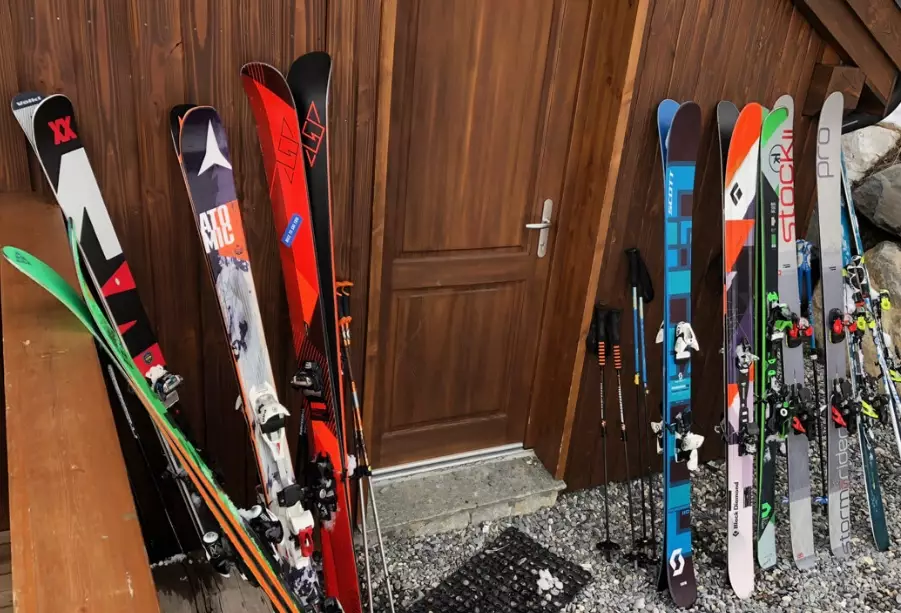
Quick Navigation
Why Brand Matters in Skiing (And When It Doesn't)
Before we dive into the names, let's clear something up. The brand on your skis or boots matters, but not for the reasons you might think. It's not about status. It's about consistency, philosophy, and fit.
Major brands invest millions in R&D. They develop specific construction techniques, core materials, and flex patterns that become their signature. Once you know a brand's "house feel," you can have a good guess about how a new model from them might perform. For example, some brands are known for playful, forgiving skis, while others are famous for razor-sharp, demanding race machines.
But the brand name on your goggles or mid-layer? Less critical. For apparel, technical performance (waterproofing, breathability) is king, and many brands achieve similar specs. The ski equipment brands list we're building focuses on the hardgoods—skis, boots, bindings—where engineering choices have a massive impact on your day.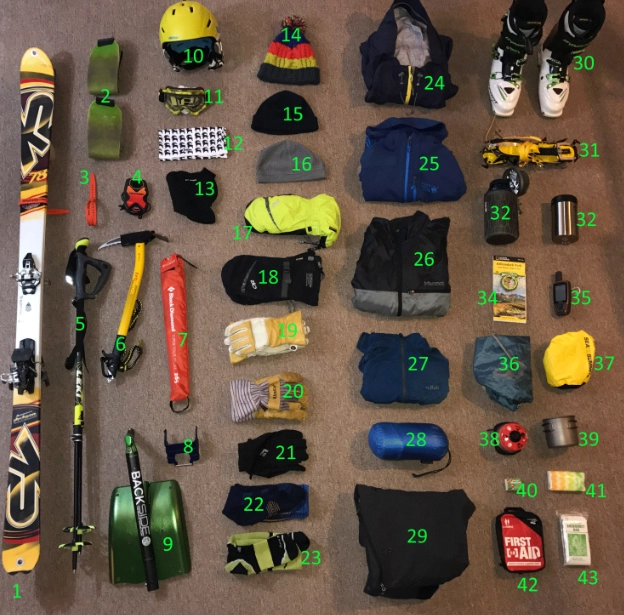
The Major Players: A Category-by-Category Breakdown
It's useful to think of brands in categories. Some are giants that make everything, others are specialists obsessed with one thing. Here’s the lay of the land.
The All-Terrain Giants (The "Full Kit" Brands)
These are the household names. They produce a full range of skis, boots, bindings, and often apparel. They're a great starting point because of their consistency and widespread availability.
- Atomic: An Austrian powerhouse owned by the Amer Sports group. They're incredibly strong in alpine (frontside) skis and boots. Their Redster series is a World Cup staple. For the average skier, their Maverick or Backland lines offer great all-mountain options. I find their boot lasts to be on the medium-to-narrow side, which is great for performance but can be tough for wider feet.
- Salomon: French-born, also under Amer Sports. If Atomic is the precision Austrian, Salomon often brings a slightly more playful, accessible French flair. Their QST series of skis is legendary for being versatile, forgiving, and fun. Their shift binding is a game-changer for skiers who tour and resort ski. Their boots are known for comfort and innovative liners.
- Rossignol: One of the oldest names in the game. Rossignol has a model for literally every type of skier. From the iconic Hero race skis to the playful BlackOps freestyle line and the powder-loving Sender series. They have a massive R&D budget and it shows. Their boots, especially the AllTrack series, are praised for their walk modes and all-day comfort.
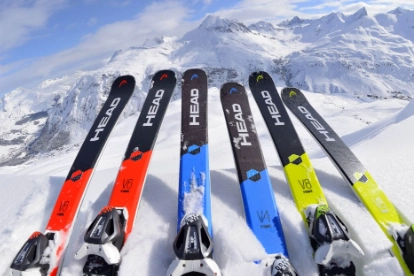
- Head: Famous for their use of graphene and other tech to make skis lightweight yet powerful. Their Kore series is a benchmark for light, charging skis. They tend to attract skiers who like a direct, energetic feel underfoot.
- Fischer: Another Austrian titan. They absolutely dominate the cross-country world, but their alpine offerings are seriously underrated. Their Ranger series is a dream for off-piste and big mountain skiers who want a damp, stable ride. Their boots are often wider fitting.
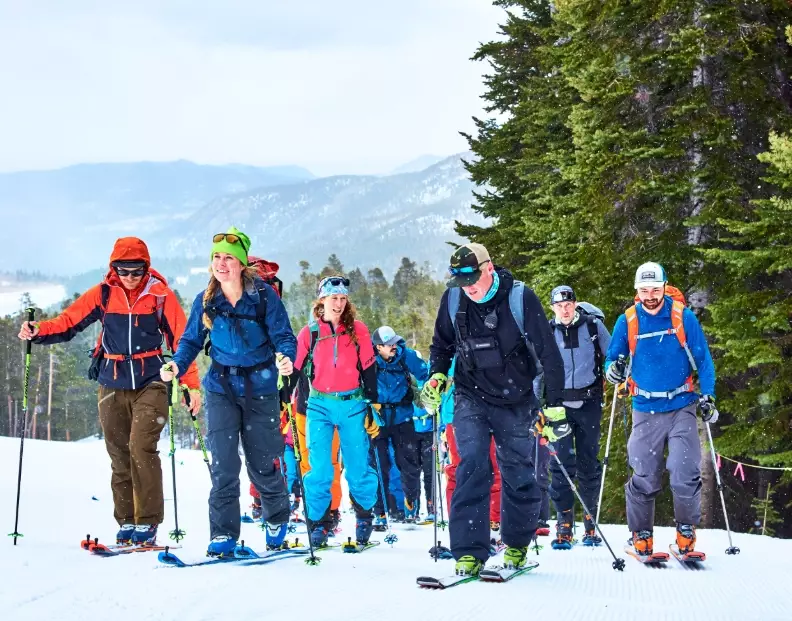
The Boutique & Specialist Stars
This is where things get exciting. These brands often focus on a specific niche, bringing obsessive levels of detail and innovation.
- Blizzard (Tecnica Group): While part of a big group, Blizzard operates like a boutique. They are revered for their build quality. The Bonafide is arguably the most famous all-mountain charger ski ever made—damp, powerful, and unflappable. Their Black Pearl line for women is equally iconic. They don't try to do everything, but what they do, they do exceptionally well.
- Nordica (Tecnica Group): Blizzard's sibling. Famous for high-performance, energetic skis and some of the best-fitting boots in the industry (like the legendary Strider series). Their Enforcer series is the direct competitor to the Bonafide—slightly more playful but still a beast.
- Armada: Born from the freestyle world, Armada has expanded beautifully into all-mountain and big mountain skiing. They have incredible graphics and a reputation for building durable, playful skis. The ARV line is a park classic, while the Declivity is a shockingly good all-mountain tool. They embody a certain "cool factor" that resonates.
- Faction: The new-school disruptor. Faction combines cutting-edge freestyle design with serious big mountain chops (thanks to athletes like Candide Thovex). Their Prodigy series is a perfect beginner-to-intermediate progression tool. Their build quality had issues years ago, but by all accounts, they've tightened things up significantly.
- Dynastar (Rossignol Group): A French specialist with soul. Their M-Free series is a cult favorite for powder and off-piste skiing—surfy, intuitive, and incredibly fun. They retain a distinct identity even within a large parent company.
- Line Skis: The original twin-tip pioneers. They are the heart of the playful, jibby, creative side of skiing. Their Sick Day series is a fantastic easy-going all-mountain ski. If your goal is to ski switch, butter, and hit side hits with a smile, Line should be high on your ski equipment brands list.
But what about boots? The landscape is similar but different. Brands like Lange (race heritage, narrow fit), Dalbello (famous for their 3-piece cabrio design, great for wider calves), and Full Tilt (modern take on the old-school rear-entry boot, loved by park skiers) are pure specialists. Tecnica and Nordica, as mentioned, are boot powerhouses.
Matching Brands to Your Skiing Style
Okay, you've seen the names. How do you translate that into a decision? Let's break it down by the kind of skier you are or want to be. This is where a ski equipment brands list becomes actionable.
| Your Primary Style | What You Need From Gear | Brands to Prioritize in Your Search | A Key Model to Look Up |
|---|---|---|---|
| The Beginner/Intermediate | Forgiveness, ease of turning, confidence-inspiring stability at slower speeds. | Rossignol, Salomon, Elan, K2 | Rossignol Experience, Salomon QST Lumen |
| The Frontside Carver | Grip on hard snow, energy out of turns, precision at high speeds on groomers. | Atomic, Head, Blizzard, Nordica, Stöckli | Atomic Redster S9, Blizzard Thunderbird |
| The All-Mountain Explorer | Versatility to handle groomers, crud, and the occasional venture off-piste. | Blizzard, Nordica, Salomon, Armada, Fischer | Blizzard Bonafide, Nordica Enforcer 100 |
| The Powder Hound | Float in deep snow, surfy feel, maneuverability in tight trees. | Dynastar, Faction, Moment, Black Crows | Dynastar M-Free 108, Faction Candide 5.0 |
| The Park & Freestyle Jibber | Light weight, twin-tip design, durability for impacts, playful flex. | Armada, Faction, Line Skis, ON3P | Armada ARV 96, Line Chronic |
See how it starts to make sense?
If you're just starting out, getting a brutally stiff, demanding ski from a race-focused brand is a surefire way to hate your life. Conversely, an advanced skier on a super soft beginner ski will feel like they're riding a wet noodle.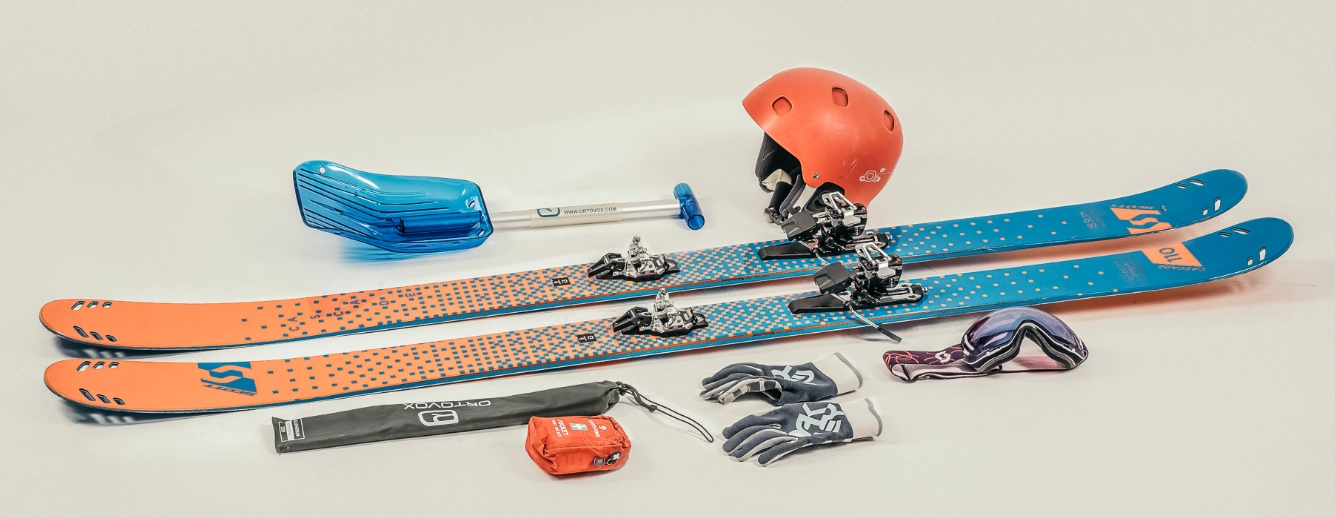
The Boot Conundrum: The Most Important Piece
I can't stress this enough. The best ski in the world on the wrong boot is a bad ski. Your boot is your connection to everything. A good boot fitter is worth their weight in gold, and they will often steer you towards brands that match your foot, not just your skiing.
- Narrow, low-volume foot/ankle: Look at Lange, Atomic, some Nordica race models.
- Wider forefoot, average calf: Salomon, Tecnica, Dalbelllo are often great.
- High instep or wide calf: Dalbelllo (cabrio design is a godsend), K2 boots, certain Fischer models.
The International Ski Federation (FIS) doesn't regulate boots for recreational skiers, but they set standards for competition. Reputable brands design to exceed basic safety norms. Always check that your boots have the appropriate ISO 5355 certification (for Alpine boots) to ensure compatibility with modern bindings.
The Rising Trends & Niche Considerations
The ski world isn't static. New trends shape what brands offer.
Sustainability: It's a huge focus. Brands are getting serious about it. Salomon has their "Play Minded" program. Faction uses bio-based resins and recycled materials. Atomic and Fischer highlight their Austrian manufacturing with local, efficient energy use. If this matters to you, dig into the sustainability reports on brand websites. Don't just trust the marketing tagline on the top sheet.
US-Based & "Core" Brands: There's a vibrant scene of smaller, often US-based manufacturers that cater to dedicated enthusiasts. Brands like Moment (Reno, NV), ON3P (Portland, OR), J Skis (Vermont), and J Skis (Vermont) and Black Crows (French, but with a cult US following). They often use unique materials, offer wild graphics, and have a direct-to-consumer or small-shop ethos. The downside? You usually can't try before you buy, and warranties can be trickier.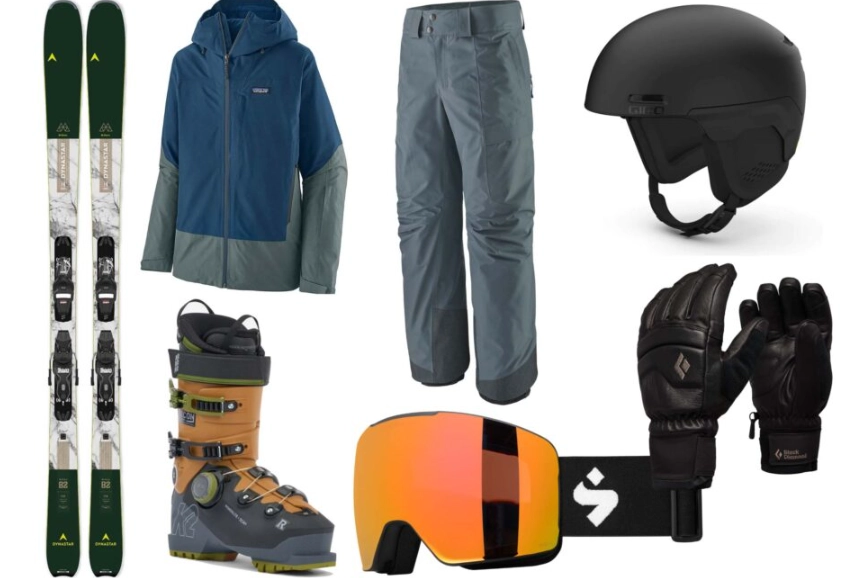
Bindings – The Unsung Heroes: Often an afterthought, but they're your critical safety link. The big brands (Look, Tyrolia, Salomon/Atomic – now part of the "Amer Binding Group," Marker) dominate. They're all safe when properly adjusted. Differences come in elasticity, stand height, and features like anti-vibration pads. For most skiers, a binding from a major maker that matches your DIN range and ski type is perfect. For touring, the tech binding world is led by ATK (lightweight performance) and Dynafit (the original).
Your Ski Equipment Brands List: Actionable Steps
So, you've read all this. What's the actual process?
- Start with Your Boots. Book a proper boot fitting appointment at a reputable shop. Let the fitter guide you to 2-3 brands that fit your foot shape. This narrows your boot ski equipment brands list immediately.
- Define Your 80% Ski Day. Where do you ski most? East Coast ice? West Coast powder? Midwest groomers? Be ruthlessly honest. This points you to the ski category and flex pattern.
- Research 3-5 Specific Models. Don't just look up "Nordica." Look up "Nordica Enforcer 94 vs Blizzard Brahma 88 vs Salomon QST 92." Read professional reviews from sources like Ski Magazine or Outside's gear section, but pay more attention to aggregated user reviews on retailer sites.
- Demo, Demo, Demo. If at all possible, demo the top 2 contenders on your list. A ski can feel one way in the shop and totally different on snow. Many shops apply demo fees to a purchase.
- Trust the Combo. Your perfect setup might be a boot from Brand A, a ski from Brand B, and a binding from Brand C. That's totally normal and often optimal.
It's a journey, not a snap decision.
Answering Your Burning Questions (FAQ)
Q: Is there really a "best" brand overall?
A: No. There is no single "best." There's only "best for you." A brand that's best for a World Cup racer is worst for a first-timer. This entire ski equipment brands list is pointless if it doesn't lead you to that personal match.
Q: Are expensive brands from fancy mountain towns always better?
A: Not always. You're often paying for smaller-scale production, premium materials (which can be better), and marketing. A $1200 boutique ski might be sublime, but a $700 ski from a major brand might give you 95% of the performance. Diminishing returns are real in skiing.
Q: How important is the country of origin (Austria, France, USA, etc.)?
A: It speaks to heritage and design philosophy. Austrian/German brands often emphasize precision, damping, and race-bred tech. French brands can lean towards accessibility and playful performance. US brands often prioritize durability and all-mountain/powder performance. It's a generalization, but a useful one.
Q: Can I mix and match old gear from different brands?
A: Skis and bindings must be compatible (brake width, binding type). Boots and bindings MUST be compatible (ISO 5355 Alpine sole for Alpine bindings, ISO 9523 Touring sole for tech bindings). Mixing ski and boot brands is 100% standard and fine. Never, ever force a boot into a binding it's not designed for.
Q: Where can I find reliable, unbiased reviews?
A: Professional reviews from established outdoor media (Ski Mag, Outside, Gear Patrol) are a start. But for the real truth, I spend hours on shop sites like Evo, Backcountry, or REI reading the 3-star reviews. They usually detail specific pros and cons. Forums (Newschoolers, TGR, SkiTalk.com) are invaluable for long-term durability reports.
Wrapping It Up: Your Takeaway
Building your perfect ski setup isn't about finding the one magic brand. It's about understanding the landscape laid out in this ski equipment brands list and using it as a map.
See the giants for their consistency and range. Respect the specialists for their deep expertise in a niche. Let your foot shape choose your boot brand first. Let your typical ski day choose your ski category. And never underestimate the value of a real, in-person conversation with a good boot fitter or shop tech.
The mountain doesn't care what logo is on your equipment. It only cares how you ride it. So take this list, do your homework, and get out there on gear that makes every turn feel right.
Related Articles

Comments
Join the discussion