Quick Guide
Let's be real for a second. Walking into a ski shop or scrolling through endless online reviews can feel like trying to drink from a firehose. Everyone claims to be the best, the lightest, the most revolutionary. I remember my first time buying gear—I walked out with boots that cost a fortune and made my feet feel like they were in medieval torture devices for two whole seasons before I admitted defeat. It was a painful (and expensive) lesson.
So, I'm not here to just list names. We're going to talk about the best ski equipment brands that actually matter, why they matter, and—just as importantly—when you might want to look elsewhere. This isn't about finding a single "winner." It's about matching the right tool to the right skier. Are you a weekend warrior on groomers? A backcountry junkie chasing powder? A parent just trying to keep up with your kids? The "best" brand changes completely based on your answer.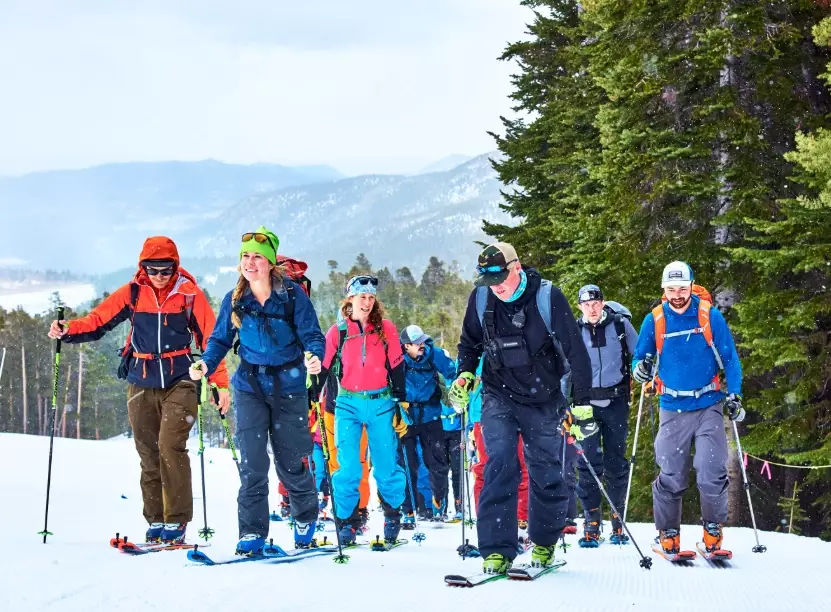
The Heavy Hitters: Core Brands That Define the Industry
These are the names you see everywhere, for good reason. They're the foundation. They invest massive amounts in R&D, sponsor world cup athletes, and set the trends that trickle down to everyone else. You can't talk about the best ski gear brands without starting here.
But what makes each one tick? Saying "they make good skis" is useless. Let's get specific.
Salomon & Atomic: The Tech Powerhouses
These two are actually siblings under the giant Amer Sports umbrella (which also includes Arc'teryx, interestingly). They share some tech but have distinct personalities. Salomon, for me, has always felt like the innovator for the everyday skier. Their Shift binding was a genuine game-changer, creating a true hybrid binding that's safe for resort skiing but reliable enough for the sidecountry. It addressed a real need. Their skis, like the popular QST series, are known for being playful, forgiving, and incredibly versatile—perfect if you're not sure what you'll encounter that day.
Atomic, on the other hand, has that Austrian engineering pedigree. They feel more precise, more direct. If Salomon is the friendly guide, Atomic is the meticulous coach. Their Redster series is legendary on the race circuit, and that focus on high-performance carving trickles into their all-mountain lines. I've found their skis demand a bit more from the skier but reward you with incredible edge hold and feedback.
Rossignol: The Heritage Icon
Rossi is like the classic rock band of skiing. They've been there forever, they're instantly recognizable, and they still put out hits. Their strength is in incredible breadth and consistency. From the world-cup dominating Hero Masters to the surfy, powder-loving Blackops series, they have a trusted ski for nearly every niche. Their Experience line might be one of the most recommended beginner-to-intermediate skis of all time for good reason—they're easy, confidence-inspiring, and durable.
Sometimes, heritage brands can feel like they're resting on their laurels. I don't get that sense with Rossi lately. Their Forza hybrid construction (mixing wood, metal, and composite) shows they're still pushing. You're buying proven reliability and a massive support network (finding a shop that can work on Rossignol gear is never hard).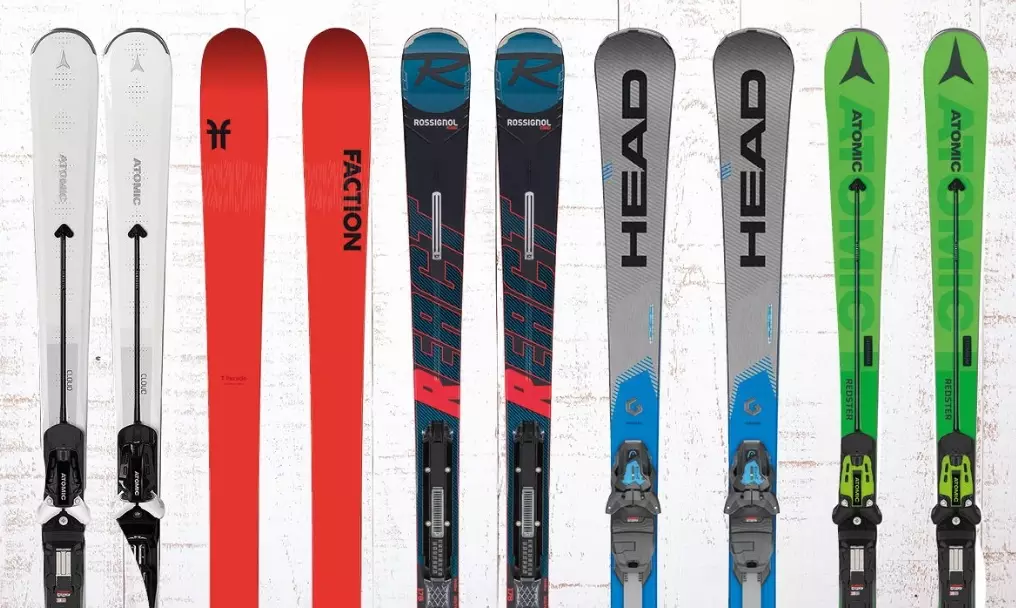
Breaking It Down By Gear Category
No single brand is the undisputed king across the board. The landscape of the best ski equipment brands shifts when you look at specific pieces of kit. A brand that makes your dream ski might have boots that just don't work for your foot shape.
Best Ski Brands (The Sticks Themselves)
This is where passion runs high and debates get loud. Beyond the core giants, some specialists deserve your attention.
- For the Freestyle/Freeride Crowd: Look at Line Skis and Armada. Line practically invented the modern twin-tip. Their skis are light, poppy, and designed for creativity. Armada has deep roots in freeskiing culture (think the legendary ARV series) and makes skis that are both durable and fun-loving.
- For the Powder Hound: DPS Skis and 4FRNT. DPS pioneered using carbon (their famous Pagoda shape) to create incredibly light, responsive powder boards. They're a premium, investment-grade brand. 4FRNT, driven by athlete input, offers unique shapes and a fiercely independent spirit.
- For the Precision Carver: Stöckli. The Swiss watchmakers of skis. Hand-built, expensive, and revered by instructors and experts for their sublime feel on hard snow. This is a "buy it for life" tier if your focus is on-piste perfection.
| Brand | Key Strength | Ideal For | Price Vibe |
|---|---|---|---|
| K2 | Playful & Forgiving Feel | Intermediate Skiers, All-Mountain Fun | Mid-Range |
| Head | Race-Bred Technology | Carvers, Aggressive Skiers | Mid to High |
| Fischer | Lightweight Construction | Touring, Women's Specific Skis | Mid-Range |
| Blizzard | Power & Stability | Advanced/Expert Chargers | Mid to High |
| Nordica | Versatile All-Mountain | One-Ski Quiver Seekers | Mid-Range |
Best Ski Boot Brands (Where Fit is God)
Boots are the single most important purchase. A great ski with a bad boot feels terrible. A mediocre ski with a great boot can still be a blast. Here, the brands diverge based on last width (the internal foot shape) and intended use.
Lange (owned by Rossignol) is synonymous with high-performance, narrow-fit race boots. If you have a low-volume foot and want maximum precision, start here. Tecnica and Dalbelo (both part of the same group) offer fantastic options across the spectrum. Tecnica's Cochise series is a benchmark for overlap boots, while Dalbelo's 3-piece cabrio design (like the Lupo) is legendary for its progressive flex and walkability—a top choice for many backcountry skiers.
For those with wider feet, K2 and Full Tilt are saviors. Their boots tend to have higher volumes and are often built around a more relaxed, freestyle-oriented fit. I struggled for years until I tried on a pair of wider-last boots—the difference was night and day. Don't force your foot into a "prestige" brand if it doesn't fit.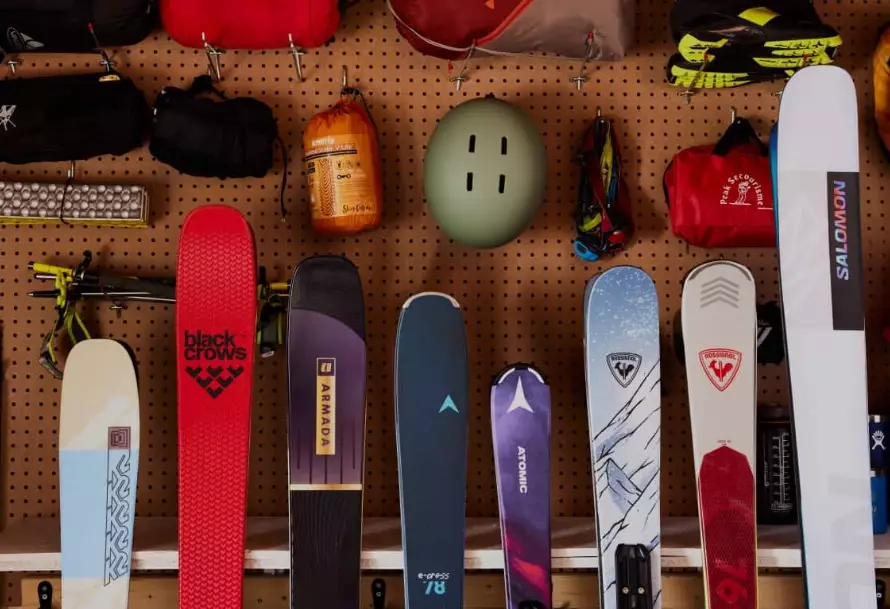
Best Binding Brands: Safety First
This category is less about feel and more about engineering and reliability. The major players are Look Pivot, Tyrolia (owned by Head), Salomon/Atomic (STH and Strive bindings), and Marker.
The Look Pivot has a cult following for its unique turntable heel, which allows for a more natural release and is famously durable. Many park skiers swear by them. Marker is known for its robust construction and is the go-to for many alpine touring frame bindings (like the Duke). Tyrolia often wins "best value" awards, offering performance and features similar to the others at a slightly lower price point.
My take? For most recreational skiers on standard alpine setups, you can't go wrong with any of these. They all meet strict international safety norms (like the ASTM standards). The differences are marginal. Focus on getting the right DIN range and a model suited to your skiing style (e.g., a freestyle binding for park use).
Best Ski Apparel Brands: Staying Dry & Comfortable
Here, the world opens up. The traditional ski giants make good apparel, but specialists often lead.
- For Ultimate Weather Protection: Arc'teryx and Norrøna. You pay a premium, but you get cutting-edge fabrics (like Gore-Tex Pro), impeccable construction, and minimalist design. This is buy-once-cry-once gear for serious conditions.
- For Style & Street Cred: Bogner, Perfect Moment, Moncler. Fashion-forward, often seen in apres-ski scenes. Performance is still high, but the aesthetic is a major driver.
- For Value & All-Round Performance: Helly Hansen, Spyder, Columbia. These brands offer excellent technology (HH's Lifa Infinity, Columbia's Omni-Heat) at more accessible prices. They're workhorses.
- For the Insulated Midlayer King: Patagonia and The North Face. Their synthetic and down insulation layers (like the Nano Puff or Thermoball) are industry benchmarks for a reason.
The Decision Framework: How to Actually Choose
Okay, you've got a list of names. Now what? Throwing darts at a board is a strategy, I guess. Let's be smarter. Ask yourself these questions in order.
1. What's Your Skill Level & Aspiration?
Be brutally honest. Buying expert-level gear as an intermediate won't make you ski better; it'll just make skiing harder and less fun.
- Beginner: You need forgiveness and ease. Rossignol Experience, Salomon Stance, Elan Wingman. Focus on brands with strong "easy-access" lines.
- Intermediate to Advanced: This is the sweet spot. Most brands shine here. K2 Mindbender, Atomic Maverick, Head Kore. Look for versatility.
- Expert/Pro: You know what you want. You're looking for specific tools: Blizzard Bonafide for crud, Stöckli Laser for carving, Moment Wildcat for big mountain.
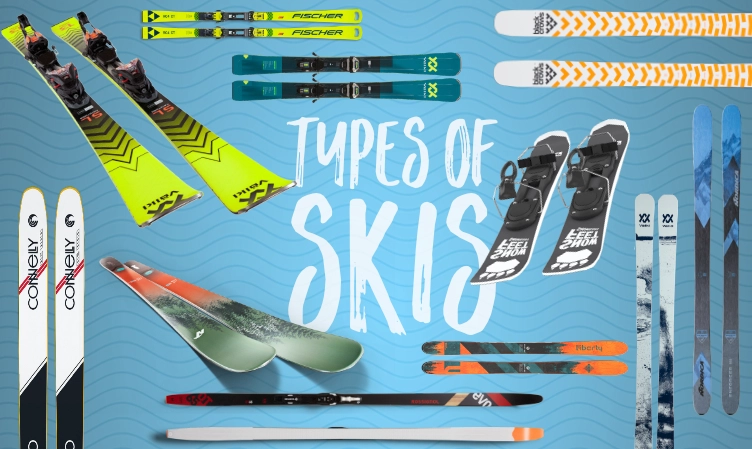
2. Where and How Do You Ski Most?
East Coast ice? West Coast powder? European groomers? Mostly in-bounds, or dreaming of the backcountry? This narrows the field fast.
A frontside carver from Head is a terrible choice for a Utah powder day. Conversely, a fat powder ski from 4FRNT will be miserable on hard, scraped-off Midwest slopes. Match the tool to the task. The concept of a "one-ski quiver" is popular, but that ski is always a compromise.
3. What's Your Budget Reality?
Let's not pretend. Ski gear is expensive. The best ski equipment brands have top-tier flagships and more accessible sister models.
You can get fantastic previous-year models (often just a graphic change) for 30-40% off. Brands like J Skis or Moment offer direct-to-consumer models that cut out the retailer margin, giving you premium specs for a mid-range price. Don't overlook last season's gear—it's often the smartest buy.
4. Does It Actually Fit?
This is non-negotiable for boots and important for apparel. A $1500 boot that doesn't fit your foot is worse than a $500 boot that fits like a glove. Go to a shop. Try things on. Spend time. For skis, consider your weight and aggressiveness—a ski's recommended weight range is a starting point, not a rule.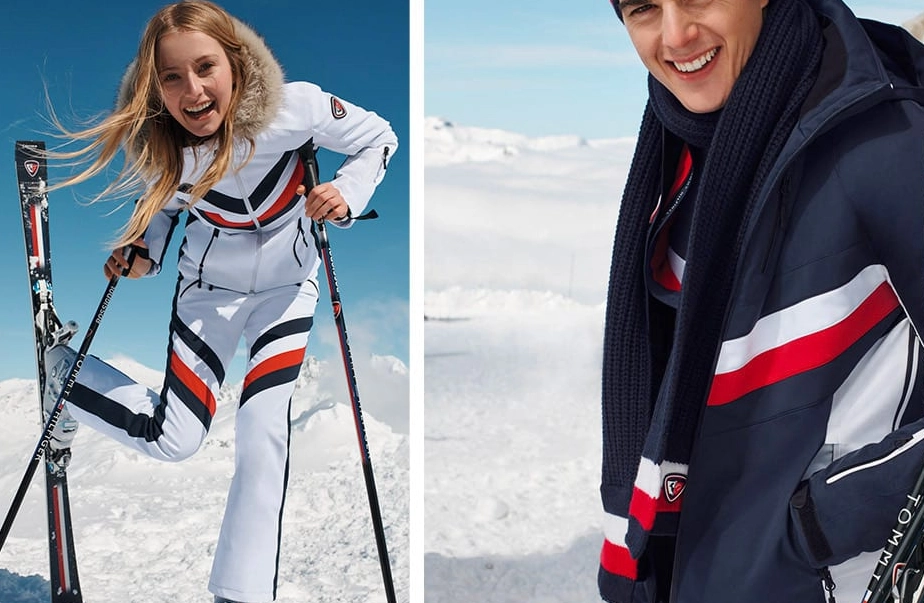
Common Questions (The Stuff You're Actually Searching For)
- Patagonia is a leader here, using recycled materials extensively and offering a robust repair program.
- Picture Organic is a brand built entirely around eco-conscious apparel.
- Salomon has its "Index.01" shoe and is incorporating more recycled content.
- Many brands now use Bluesign-approved fabrics, which certify environmental and worker safety standards.
It's not perfect, but asking the question pushes the industry forward. Supporting brands that try matters.
Final Thoughts: It's a Journey, Not a Destination
Chasing the single best ski equipment brand is a fool's errand. The real magic happens when you stop looking for a universal "best" and start looking for your best.
Your perfect setup might be a Dalbelo boot, a Marker binding, and a used pair of Volkl skis you found for a steal. That's a better setup than any pre-packaged "top brand" kit that doesn't suit you. Use the brand reputations as a guide—a starting point for your research. Rossignol for reliable all-mountain, Atomic for precision, K2 for fun, Arc'teryx for bombproof shells.
Then, go feel them. Demo skis if you can. Try on every boot in the shop. Talk to the grizzled old guy in the repair shop—he's forgotten more about gear than most marketing departments will ever know.
Everything else is just details. Now go get after it.
Related Articles

Comments
Join the discussion