Your Quick Ski Guide
- Why a Kid-Specific Ski Packing List is a Game-Changer
- The Core Principle: Mastering the Layering System
- The Three Essential Layers
- The Ultimate, Age-by-Age Ski Packing Checklist for Kids
- The "Always Forgotten" Items & Après-Ski Essentials
- To Rent or to Buy? The Big Gear Question
- Packing Strategy & Travel Hacks
- Answers to Your Burning Questions (The FAQ)
- Final Thoughts Before You Zip That Suitcase
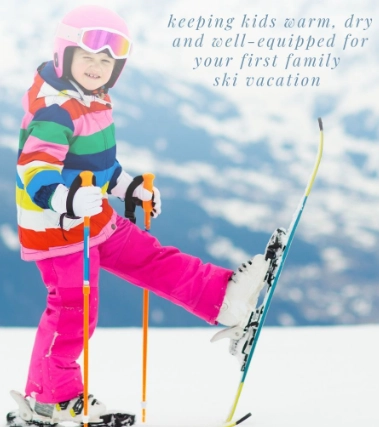
Let's be real, packing for a family ski trip can feel overwhelming. You're trying to remember a hundred little things while also convincing your seven-year-old that yes, they really do need to wear something other than their favorite pajamas under their snowsuit. I've been there, standing in a rental shop at 8 am, realizing I packed two left gloves. Not my finest moment. That's why I decided to put this guide together. It's not just a list; it's the hard-won wisdom from seasons of skiing with my own kids, from toddler wobbles on the bunny hill to pre-teens who think they're Olympic-ready. This ski packing list for kids is designed to cut through the noise and give you a clear, actionable plan. We'll cover everything from the absolute non-negotiables (helmets, people!) to the little comfort items that can turn a meltdown into a great day.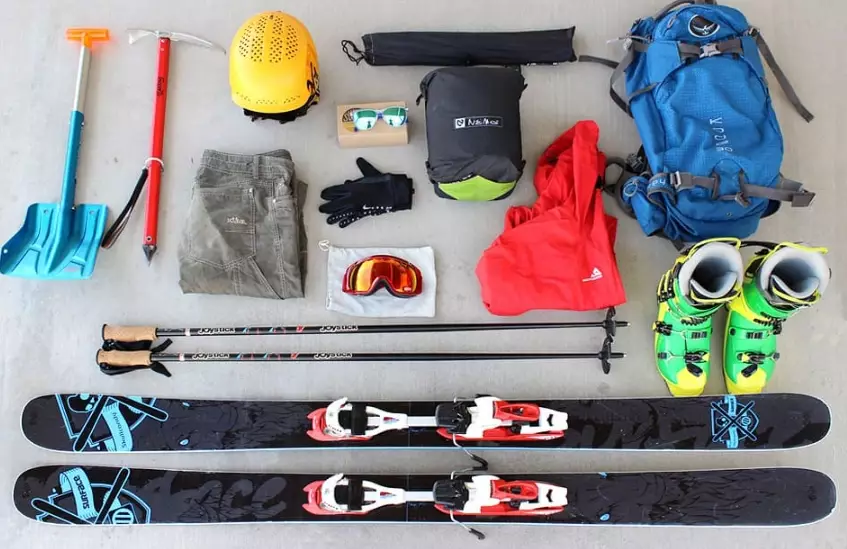
Why a Kid-Specific Ski Packing List is a Game-Changer
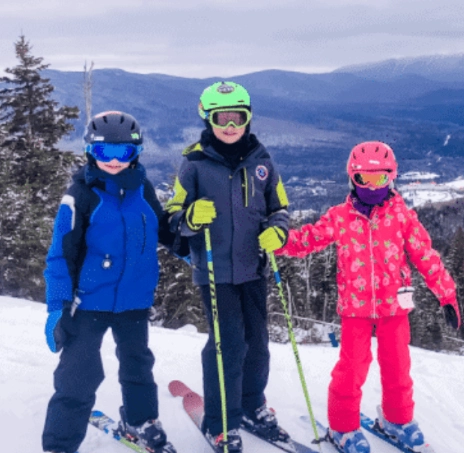
Packing for an adult is one thing. You know your own tolerance for cold, you can tough it out if you forget something. Kids? Not so much. A cold, wet, or uncomfortable child is a one-way ticket to ending the ski day before lunch. Their bodies lose heat faster, they're less aware of early signs of frostnip, and they have zero patience for gear that doesn't feel right. A good ski packing list for kids does more than prevent misery—it builds confidence. When they're warm, dry, and can see clearly through non-foggy goggles, they're free to focus on the fun of learning and playing in the snow. It's the difference between "I love skiing!" and "I'm never doing this again." My philosophy is simple: Layer for warmth, prioritize safety, and never underestimate the power of dry socks.
The Core Principle: Mastering the Layering System
Before we dive into the checklist, let's talk layers. This is the single most important concept for keeping kids warm and dry. Cotton is the enemy—it absorbs sweat and holds moisture against the skin, making them cold. We're going for technical fabrics that wick moisture away.
The Three Essential Layers
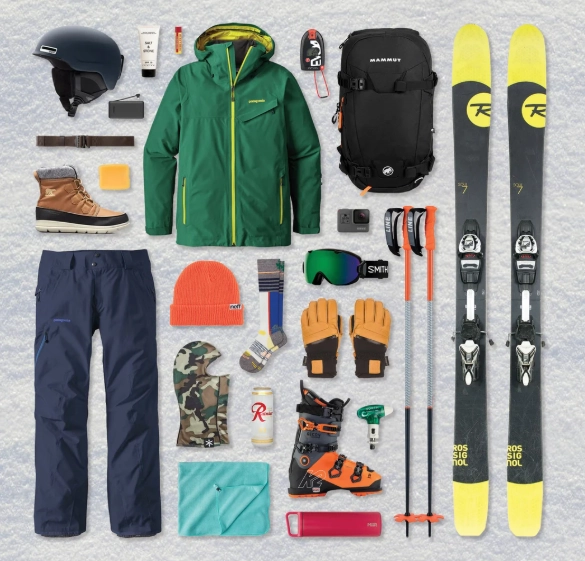
Base Layer (The Moisture Manager): This is the layer right against their skin. Its job is to pull sweat away. Think lightweight, snug-fitting tops and bottoms made of merino wool or synthetic materials like polyester. Avoid cotton at all costs (yes, that includes cotton underwear and t-shirts). Mid Layer (The Insulator): This layer traps body heat. A fleece jacket or vest, a lightweight puffy jacket, or a wool sweater. The thickness depends on the temperature. For very cold days, you might use two mid-layers. Outer Layer (The Shield): This is the waterproof and windproof barrier. Ski jacket and snow pants (or a one-piece snowsuit for little ones). Look for a high waterproof rating (e.g., 10k or higher) and sealed seams. This layer stops snow, wind, and water from getting in.
The Ultimate, Age-by-Age Ski Packing Checklist for Kids
Okay, here's the meat of it. I've broken this down by category, but I've also made a quick-reference table by age group because packing for a 4-year-old is wildly different from packing for a 14-year-old.
Head & Face
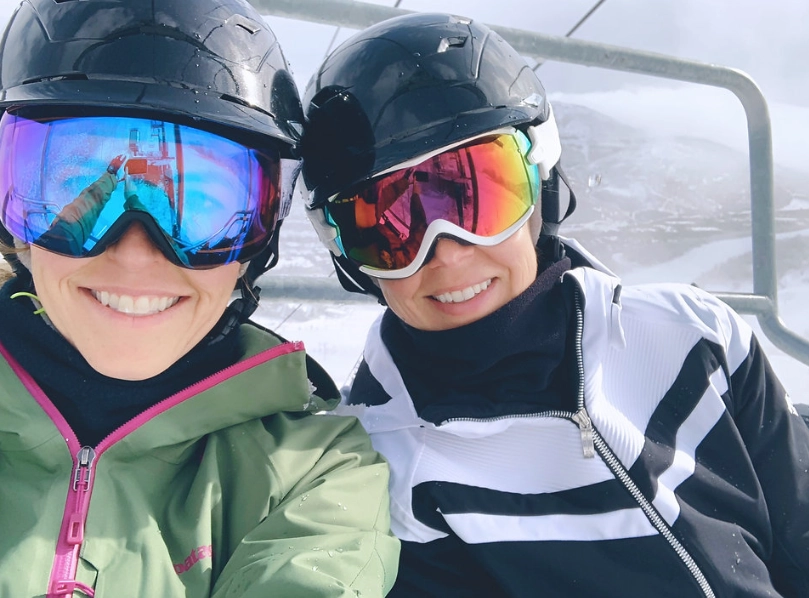
- Ski Helmet (MANDATORY): Non-negotiable. Must be ski/snowboard specific (bike helmets won't cut it). Ensure a proper fit—snug but not painful. Many resorts rent these, but having your own that's adjusted perfectly is best.
- Goggles: Essential for sun, wind, and snow. Look for lenses with good UV protection. Consider a low-light lens for cloudy days if you're buying. Anti-fog coating is a must.
- Neck Gaiter or Balaclava: Far superior to a scarf (which can get caught). Protects neck, chin, and lower face from wind. Get a few—they get wet quickly.
- Warm Hat: A thin fleece or wool beanie to wear under the helmet. The helmet provides impact protection, not warmth.
- Sunscreen & Lip Balm (SPF 30+): Sunburn is a major risk at high altitude, even on cloudy days. Apply liberally and often. Zinc-based sticks are great for faces.
Upper & Lower Body
- Base Layer Top & Bottom: Merino wool or synthetic. Pack 2-3 sets for a week-long trip.
- Mid Layer Top(s): Fleece jackets, vests, or lightweight puffies. Adjust quantity for the forecast.
- Ski Jacket: Waterproof, windproof, with a powder skirt and plenty of pockets. Bright colors are easier to spot on the mountain.
- Ski Pants or Snow Bibs: Bibs are fantastic for younger kids—they prevent snow going down their back when they fall. Look for reinforced knees and seat.
- Fleece or Sweatpants: For après-ski lounging.
Hands & Feet
- Ski Socks (2-3 pairs): Thin to medium weight, made of wool or synthetic blend. Never cotton. They should come up to just below the knee. Do not double up socks—it restricts circulation and makes feet colder.
- Ski Gloves or Mittens: Mittens are usually warmer for smaller kids. They must be waterproof. Look for "locker loop" so you can hang them to dry. Pack a spare pair—gloves get lost.
- Glove Liners: Thin silk or synthetic liners add warmth and make it easier to pull wet mittens off.
- Hand Warmers: A few disposable packets can be a lifesaver on brutally cold days or for kids with poor circulation.
- Winter Boots: For walking to and from the slopes. Should be warm and waterproof.
| Age Group | Critical Focus Areas | Special Items to Pack | Common Pitfalls to Avoid |
|---|---|---|---|
| Toddlers (2-4) | Warmth, Simplicity, Quick Changes | One-piece snowsuit, extra mittens (they lose them), pacifier clips for mittens, insulated booties for lodge, small backpack harness for safety in crowds. | Over-bundling (they can't move), forgetting they'll be carried (pack for yourself too!), assuming they'll wear goggles (start with sunglasses). |
| Young Kids (5-8) | Comfort, Independence, Fun | Hydration pack (like a Camelbak), their own small backpack, fun character neck gaiters, designated "lodge snacks," walkie-talkies if skiing separately. | Jacket too bulky for ski lift, boots that are too stiff, not practicing with gear at home first. |
| Tweens & Teens (9+) | Style, Function, Tech | Their input on gear colors/styles, Bluetooth helmet speakers, better quality goggles with interchangeable lenses, moisture-wicking boxers/briefs. | Thinking fashion jackets are ski jackets, refusing neck gaiters "because they're uncool," cotton hoodies as a mid-layer. |
The "Always Forgotten" Items & Après-Ski Essentials
This is where most generic lists stop. But your ski packing list for kids isn't complete without the stuff that lives off the slopes.
- Sunglasses: For the lodge, the walk, the drive. Goggles are for skiing; sunglasses are for everything else.
- A Small Backpack: For your kid to carry their own water, snacks, and extra layer. Teaches responsibility and saves your back.
- Plastic Bags: For wet gear, dirty laundry, and packing out trash. Gallon Ziplocs are perfect for soggy mittens and socks.
Après-Ski & Lodge Bag
Think about what happens after the last run. Cold, tired kids stumbling into a crowded lodge.
- Comfy Change of Clothes: Jeans, a cozy sweater, dry underwear, and fresh socks. The feeling of changing out of ski gear is divine.
- Slip-on Shoes or Slippers: Crocs, Uggs, or just warm slippers for the condo.
- Swimsuit: If your lodging has a hot tub or pool. A must for sore muscles.
- Basic First Aid Kit: Band-aids (lots), antiseptic wipes, blister pads, children's pain reliever, allergy meds.
- Entertainment: Books, tablets, card games for downtime or storm days.
To Rent or to Buy? The Big Gear Question
Skis, boots, poles, helmets. This is the expensive part. Here's my take, which might be controversial: for kids under 6, I'm a huge fan of season-long rental programs from local shops. They're affordable, the gear is tuned and sized correctly, and you don't have to store it. For older kids who ski a week or more each season, buying used or previous-season gear can make sense. Boots are the most important piece of equipment. Ill-fitting boots ruin everything. Whether renting or buying, get them professionally fitted. A good shop will make sure the flex is right for their weight and ability. Always check the National Ski Areas Association (NSAA) website for the latest safety advice, including helmet use and the "Your Responsibility Code." It's the bible for on-slope safety.
Packing Strategy & Travel Hacks
You've got the list, now how do you get it there? Use Packing Cubes: Sort by category—one for base layers, one for outerwear, one for lodge clothes. It keeps the chaos contained. Wear the Bulkiest Items: Kids should travel in their ski boots (carry them if flying) and wear their ski jacket on the plane/car. It saves a ton of space. Create a "Day One" Bag: Pack one complete ski outfit for each person in a separate, easily accessible bag. If your luggage is delayed, you can still hit the slopes. Label Everything: With a permanent marker or iron-on labels. Rental shops are a black hole for kids' gear.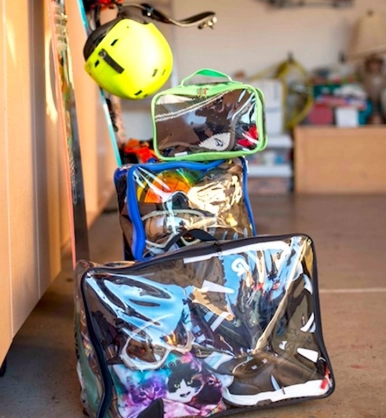
Answers to Your Burning Questions (The FAQ)
Final Thoughts Before You Zip That Suitcase
Look, the goal of this ski packing list for kids isn't to achieve perfection. It's to reduce stress and increase fun. You will probably forget something. It's okay. Most ski towns have stores (though they're pricey). The real secret isn't in the packing list; it's in the attitude. Be flexible. If their feet are cold, go in for hot chocolate. If they're tired, call it a day. The memories aren't made from logging the most vertical feet; they're made from the shared experience of being out in the mountains together. So use this guide, check things off, and then let it go. You've got this. Now get out there and make some snow angels.
Related Articles

Comments
Join the discussion