You see the ads: "Largest ski area in the Alps!" "Over 400 km of slopes!" It's easy to get lost in the numbers game when planning a ski trip to Europe. But what does "biggest" really mean? Is it just about the total kilometers of piste, or is it about how that terrain feels under your skis? Having skied most of these behemoths over the last decade, I've learned that size matters, but not in the way you might think. The true measure of a big resort isn't just a statistic; it's about lift efficiency, village connectivity, and whether you can ski for a week without repeating a run.
Let's cut through the marketing. This guide isn't just a list. We'll break down the genuine giants of European skiing by different metrics—total terrain, lift infrastructure, and vertical thrill—and tell you what it's actually like to ski there.
What’s Inside This Guide
- What Makes a Ski Resort "Big"? (Hint: It's Not One Number)
- The Terrain Titans: Resorts with the Most Skiable Kilometers
- Lift Superpowers: Resorts with the Most and Best Gondolas & Chairlifts
- The Vertical Monarchs: Where the Longest Descents Live
- How to Pick Your Giant: Matching the Biggest Resort to Your Style
- Your Biggest Questions About Big Resorts, Answered
What Makes a Ski Resort "Big"? (Hint: It's Not One Number)
Resorts love to tout a single, impressive figure. But that figure can be misleading. Here are the three metrics you need to cross-reference:
- Skiable Terrain (km/miles): The big one. This is the total length of marked and groomed pistes. A crucial caveat? This often includes easy, connecting paths between sectors. A resort with 400km might have 100km of those green traverses.
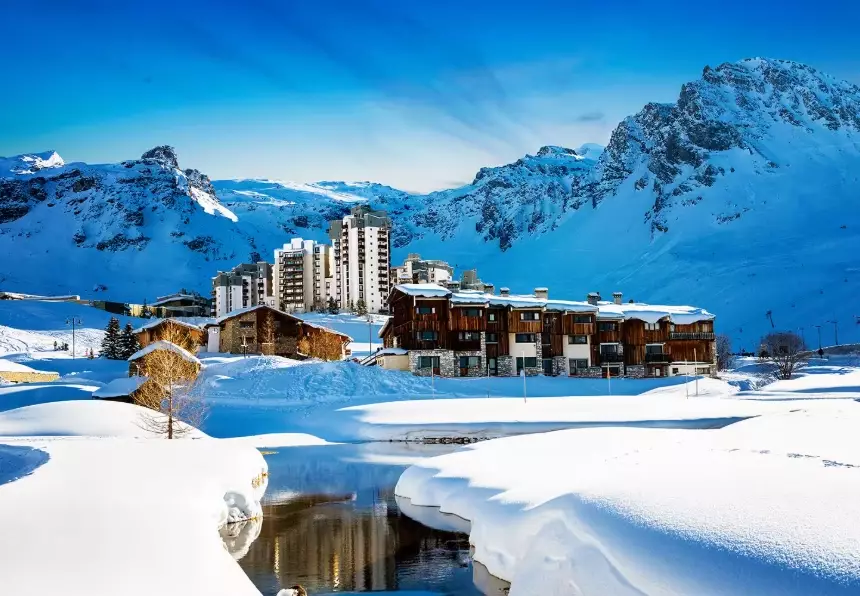
- Number of Ski Lifts: This is a huge factor in your daily experience. More lifts, especially modern gondolas and high-speed chairs, mean less queueing and more skiing. It also indicates how well the terrain is interconnected. A resort with vast terrain but few lifts can feel frustratingly slow.
- Vertical Drop (m/ft): The difference between the highest and lowest lift-served point. This tells you about the potential length and sustained pitch of a run. A 2000m vertical is a different beast to a 1000m one.
Pro Tip: Always check if the advertised size is for a single, interconnected resort (like Val d'Isère-Tignes) or a linked area requiring bus rides between valleys (like the Dolomiti Superski pass). The former gives a seamless "big" experience; the latter offers variety but a different, less fluid feel.
The Terrain Titans: Resorts with the Most Skiable Kilometers
These are the names that dominate the conversation. They're measured by sheer scale of marked pistes.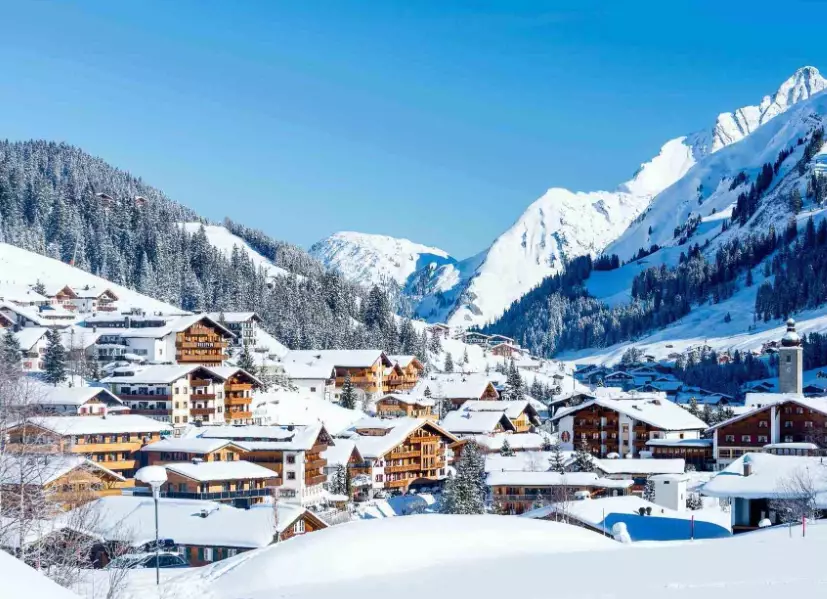
| Resort / Area | Country | Claimed Piste (km) | The Real Vibe & Key Info |
|---|---|---|---|
| Les 3 Vallées (Courchevel, Méribel, Val Thorens, etc.) | France | 600+ | The undisputed king. It's a single, ski-interconnected universe. Val Thorens is the highest, Méribel is charmingly central, Courchevel is glitzy. You need a week to scratch the surface. Gets very busy in peak season. |
| Ski Arlberg (St. Anton, Lech, Zürs) | Austria | 305+ | Don't let the smaller number fool you. This is expert and intermediate paradise. The terrain is more challenging and varied per square km than most. St. Anton has legendary apres-ski; Lech is more exclusive. The new Flexenbahn gondola linked it all seamlessly, a game-changer. |
| Paradiski (Les Arcs, La Plagne) | France | 425 | Connected by the double-decker Vanoise Express cable car. Les Arcs is modern, great for intermediates and freeriders. La Plagne is more family-oriented, with huge, rolling blues. It feels massive but is less fragmented than some other big areas. |
| Espace Killy (Val d'Isère, Tignes) | France | 300 | High altitude, reliable snow. Val d'Isère is a vibrant, historic town with tough skiing. Tignes is more purpose-built but has glacier skiing. The terrain is steep, exciting, and feels every bit of its 300km. |
| 4 Vallées (Verbier, Nendaz, etc.) | Switzerland | 412 | Verbier is the star—a mecca for expert off-piste skiers. The link to the other valleys is good, but the full 412km requires some commitment to travel. Swiss prices apply, but the quality and views are top-tier. |
My personal take? Les 3 Vallées wins on pure, overwhelming scale. But Ski Arlberg has a soul and a challenge that the French mega-resorts sometimes lack in their quest for perfect grooming.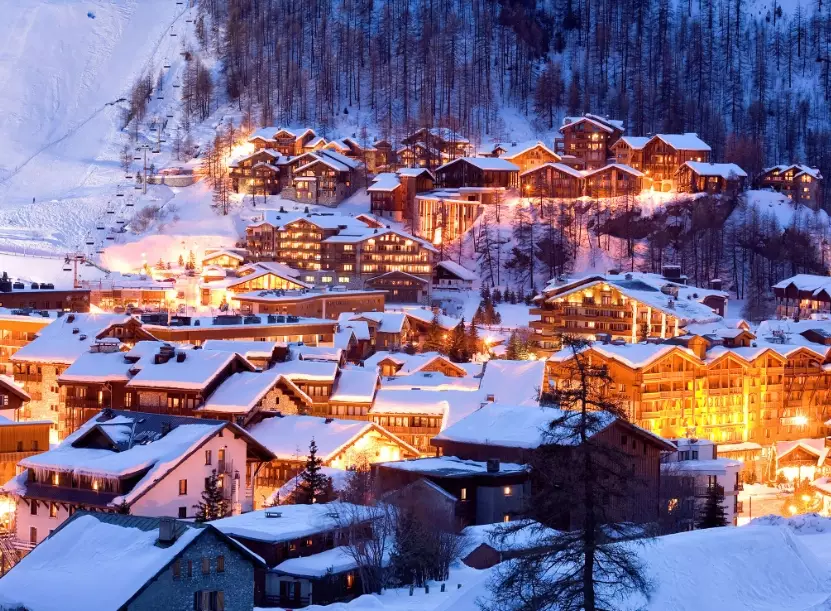
Lift Superpowers: Resorts with the Most and Best Gondolas & Chairlifts
Terrain is useless if you can't access it efficiently. A resort's lift network is its circulatory system. Here, Austria and France lead the charge with massive ongoing investments.
Sölden, Austria is a fascinating case. It doesn't have the most kilometers (around 150km), but it has over 30 modern lifts, including two spectacular gondolas that go directly to glaciers above 3000m. The result? You spend almost no time waiting and maximum time skiing long, varied runs. The lift system is its superpower, making it feel much bigger than the piste map suggests.
Les 3 Vallées, again, is a lift colossus, with well over 150 lifts. The infrastructure is generally excellent, though some older chairs remain. The key is learning the lift connections to avoid bottlenecks between valleys.
Ischgl-Samnaun, Austria/Switzerland is another lift powerhouse. Their network is incredibly efficient, famous for moving huge numbers of people quickly. They also understand the experience, with themed gondolas and mountain restaurants that are destinations in themselves.
A common mistake is overlooking lift quality. A resort with 200km served by 10 slow chairlifts will deliver less skiing per day than a 150km resort with 25 high-speed lifts.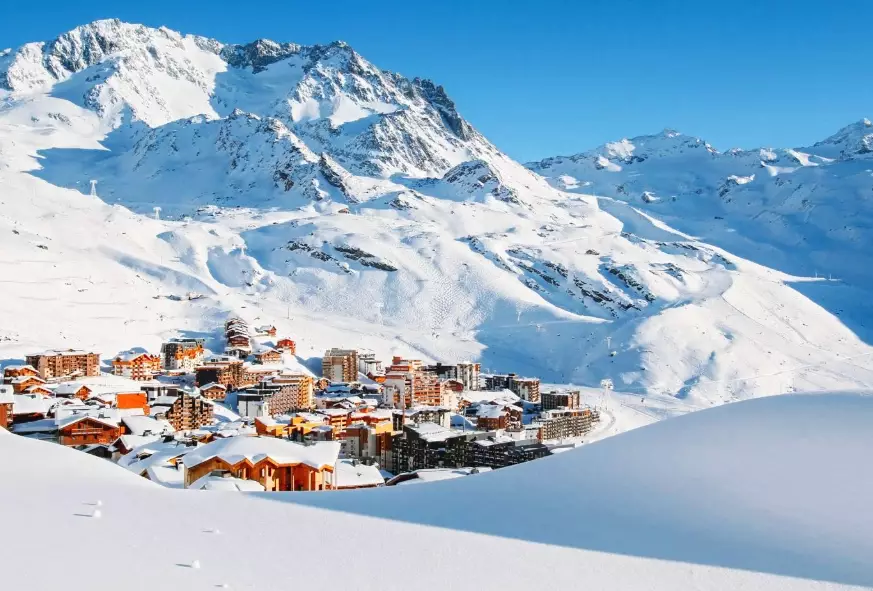
The Vertical Monarchs: Where the Longest Descents Live
For some, the thrill is in a single, relentless, knee-burning descent. Vertical drop is your metric.
- Chamonix, France: Home of the legendary Vallée Blanche (20km off-piste descent). The vertical drop from the Aiguille du Midi (3842m) to Chamonix (1035m) is over 2800m. It's not a groomed piste, but it's the ultimate big mountain experience.
- Verbier, Switzerland: The lift to Mont Fort (3330m) delivers a vertical drop of over 2400m back to Verbier. The run down is a mix of challenging red and black pistes and epic off-piste.
- Val d'Isère/Tignes, France: The Grande Motte glacier in Tignes (3650m) to the bottom of Val d'Isère (1850m) gives you a sustained 1800m vertical of varied, exhilarating skiing.
- Sölden, Austria: From the top of the Tiefenbach glacier (3250m) to the base station (1370m), you get a solid 1880m vertical, mostly on wide, enjoyable red runs.
If you love linking turns for what feels like forever, prioritize vertical drop over total piste length.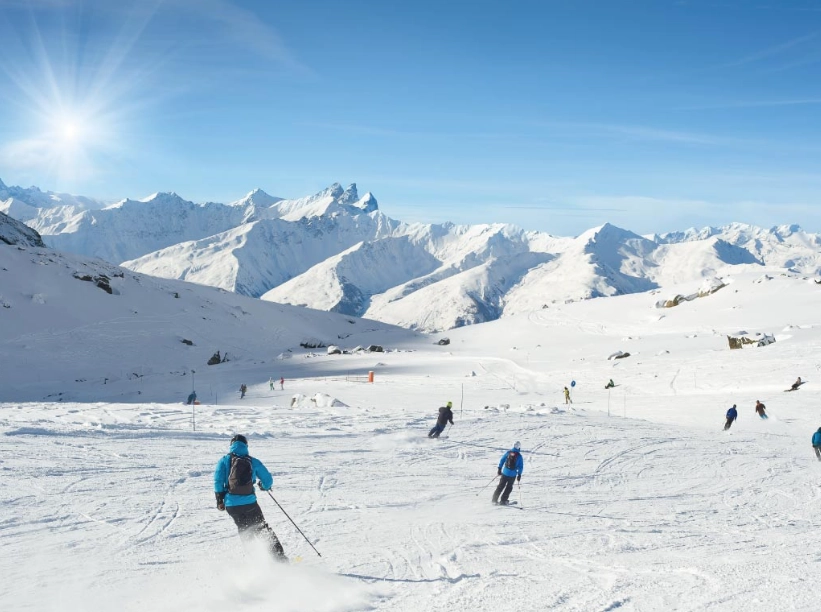
How to Pick Your Giant: Matching the Biggest Resort to Your Style
So, which one is for you? Let's match personality to resort.
For Families & Intermediates Who Want Space
Paradiski (La Plagne side) or Sölden. Why? La Plagne has vast, gentle bowls perfect for building confidence. Sölden's lift system means families spend less time in lines and more time skiing together on its predominantly blue and red terrain. The glacier guarantees snow.
For Experts & Off-Piste Adventurers
Verbier or Ski Arlberg (St. Anton). Verbier's off-piste is legendary and guided tours are essential. St. Anton has the famous Valluga off-piste runs and a culture that celebrates challenging skiing. Chamonix is in a league of its own for extreme terrain but is less of a "resort" and more a collection of separate areas.
For the Social Skier & Party Crowd
Ischgl or Val Thorens. Ischgl's apres-ski is theatrical and starts on the mountain. Val Thorens, as part of Les 3 Vallées, has a concentrated, high-energy party scene in a purpose-built, snow-sure location.
For the "I Want to See It All" Skier
Les 3 Vallées, no question. Stay in Méribel or Val Thorens for central access. Buy a good map, download the app, and embrace getting a little lost. You'll never ski it all in one trip, and that's the point.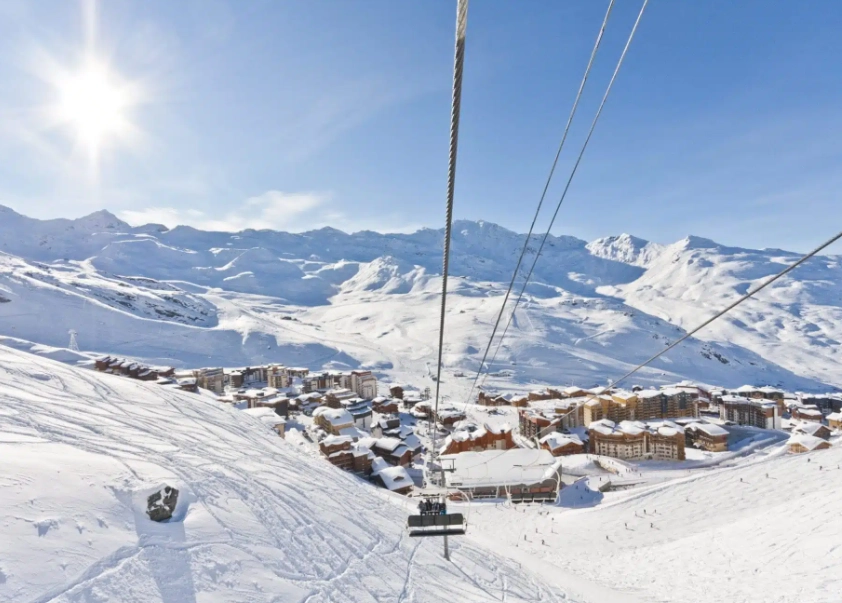
Your Biggest Questions About Big Resorts, Answered
Choosing one of Europe's biggest ski resorts is about understanding what kind of "big" you want. Do you want endless groomed highways, lift-served alpine challenges, or the thrill of a single epic descent? Now you have the map—not just of the terrain, but of the experience itself. The scale is out there. Go find the version that makes your legs burn and your smile widen.
Related Articles

Comments
Join the discussion