Quick Navigation
Let's be honest. Walking into a ski shop or scrolling through an online store can feel like trying to read a foreign language. Parabolic? Rocker? All-mountain? Carving? The jargon is endless. I remember my first time buying skis without a clue – I ended up with a pair of stiff racing skis because they "looked fast." For a beginner who spent more time on his back than on his edges, they were a nightmare. A beautiful, expensive nightmare.
That's why we're here. Forget the marketing fluff. This guide is about cutting through the noise and understanding the real, tangible differences between the main types of downhill skis. We're talking about alpine skis here – the ones you use with fixed-heel bindings at resorts. Your goal is to find the tool that matches your terrain, your style, and your current ability. Because the right ski doesn't just make you better; it makes the whole day more fun.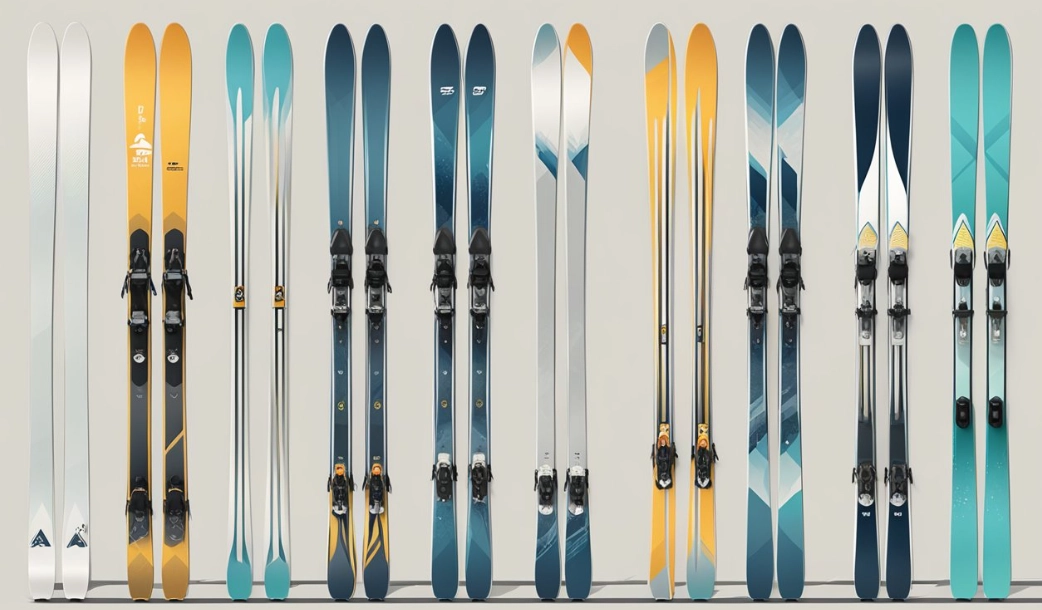
The Big Five: Core Categories of Alpine Skis
While brands love to invent new sub-categories every season (it sells skis, after all), most alpine skis fit into a few fundamental families. The differences come down to three things: shape (sidecut and rocker profile), flex (how stiff they are), and width (underfoot, which we measure in millimeters). Get these three dialed, and you'll know exactly what you're looking at.
1. The All-Mountain Ski: Your Daily Driver
This is the Swiss Army knife of the ski world. It's designed to do everything reasonably well. Groomed runs in the morning? Check. A bit of soft snow on the side in the afternoon? Should be okay. The key word is "compromise." An all-mountain ski won't be the best carver or the best powder float, but it'll handle 80% of what an average resort skier throws at it without complaining.
These skis typically have a moderate waist width (somewhere between 80mm and 100mm is the sweet spot), a blend of camber underfoot for grip and early-rise tips for maneuverability in softer snow, and a medium flex. They're forgiving, predictable, and a fantastic choice for intermediates looking for one quiver-of-one ski, or for advanced skiers who want a reliable daily tool.
2. The Carving Ski (or Frontside Ski)
Do you live for the corduroy? Is your idea of a perfect day linking turn after turn on a smooth, groomed blue or black run? Then carving skis are your soulmates. These are the precision instruments of the hardpack world.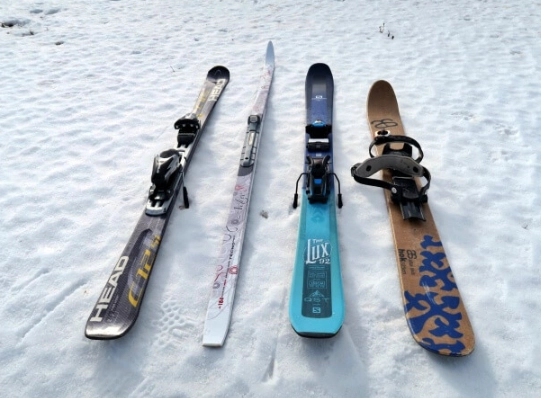
They're characterized by a pronounced sidecut – that's the hourglass shape you see from above. A deep sidecut means the ski has a wide tip, a narrow waist, and a wide tail. This shape wants to turn. You lean it on edge, and it arcs into a clean, powerful carve almost automatically. They're usually stiffer, especially underfoot and through the tail, which gives you fantastic energy out of each turn. Waist widths are narrow, often 70mm to 85mm, to keep that edge-to-edge transition lightning fast.
The downside? Take them off the groomed trail, and they struggle. Bumpy snow, crud, or deep powder will feel punishing. They're specialists. Fantastic specialists, but specialists nonetheless.
3. The Powder Ski (or Big Mountain/Freeride Ski)
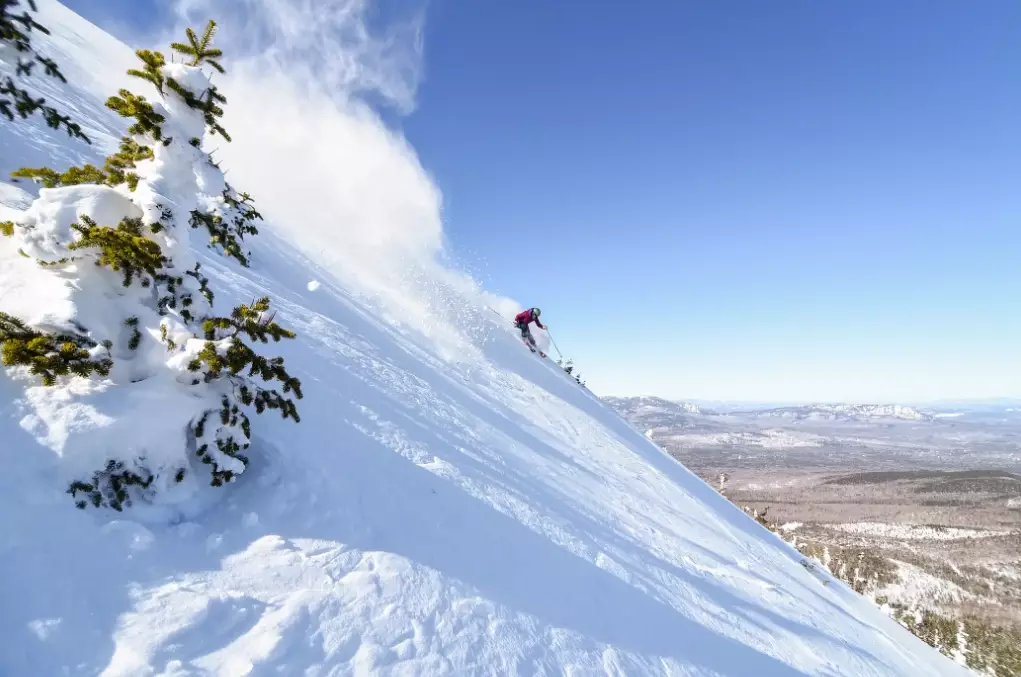
When the forecast calls for a foot of fresh, this is what you want strapped to your feet. Powder skis are built to float. The primary design feature here is width. We're talking 100mm to 120mm+ underfoot. That extra surface area acts like a snowshoe, preventing you from sinking into the deep stuff.
They also feature significant rocker – an upward curve in the tip and often the tail. Think of a banana shape. This rocker helps the tip stay on top of the snow and makes the ski pivot effortlessly, which is crucial in tight trees or variable snow. They tend to be softer in the shovel (front) for easy turn initiation but can have a stiff tail for stability when you're charging through chopped-up snow later in the day.
On hardpack, they feel sluggish. That wide platform makes them less nimble edge-to-edge. But in their element, they're pure magic. They transform difficult snow into something effortless and dreamy.
4. The Freestyle Ski (Park & Pipe)
Built for the terrain park, halfpipe, and general jibbing around. The hallmarks of a freestyle ski are twin tips (turned-up tails, just like the tips, for skiing switch/backwards), a centered mount point for balance on rails and in the air, and a softer, more forgiving flex throughout. They're designed to be playful, pressable, and durable enough to withstand impacts on rails and boxes.
Many have symmetrical or near-symmetrical sidecuts. While they can be skied all over the mountain (many park rats do), their loose feel and lack of a strong, directional tail make them less ideal for charging at high speeds or laying down powerful carves. They're for creativity and tricks first.
5. The Racing & Performance Ski
The F1 cars of the ski world. These are built for one thing: speed and grip on hard, prepared snow. They are incredibly stiff, have very aggressive sidecuts, and are almost always fully cambered for maximum edge contact. They come in sub-genres like Slalom (shorter turn radius) and Giant Slalom (longer turn radius).
Unless you're a very strong, aggressive advanced/expert skier who seeks out icy, steep slopes and wants absolute precision, these are overkill. They offer zero forgiveness and demand perfect technique and strength. My early mistake proves it!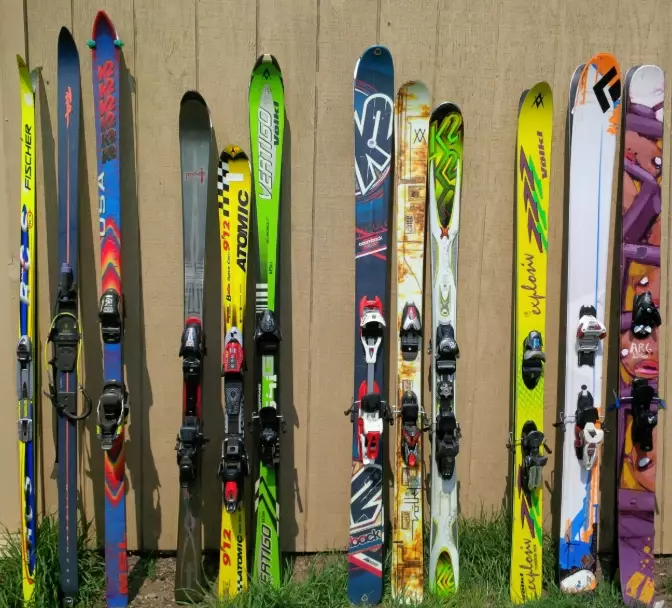
Breaking It Down: A Quick-Reference Table
Sometimes you just need to see it side-by-side. This table sums up the key traits of the primary types of downhill skis.
| Ski Type | Best For | Typical Waist Width | Key Features | Compromise |
|---|---|---|---|---|
| All-Mountain | Versatility, mixed conditions, one-ski quiver | 80mm - 100mm | Blend of camber & rocker, medium flex | Master of none, but very good at most |
| Carving / Frontside | Groomed runs, hard snow, precision turning | 70mm - 85mm | Deep sidecut, stiff flex, full camber | Poor in powder & soft/variable snow |
| Powder / Freeride | Deep snow, open bowls, off-piste | 100mm - 120mm+ | Wide platform, rockered tip/tail, softer shovel | Sluggish on hardpack, less nimble |
| Freestyle / Park | Terrain park, jumps, rails, skiing switch | 85mm - 100mm | Twin tip, soft/medium flex, centered mount | Less stable at speed, not as "grippy" on ice |
| Racing / Performance | High-speed carving, icy conditions, gates | 65mm - 70mm (SL), 68mm-75mm (GS) | Extremely stiff, full camber, race plate | Unforgiving, requires expert technique |
See? The patterns start to make sense.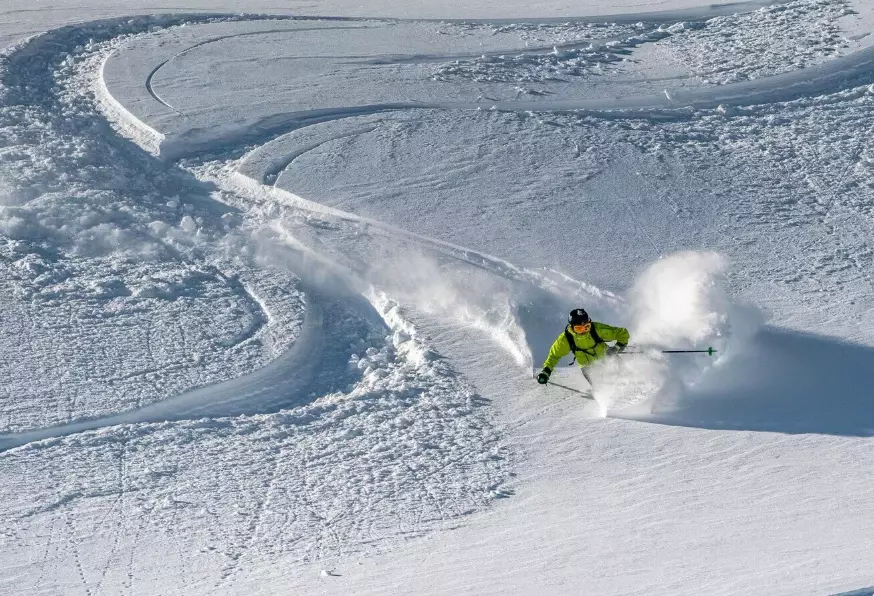
How to Actually Choose: It's More Than Just a Type
Okay, so you know the families. But how do you pick *your* ski within that family? Here's where we get personal. Ask yourself these questions honestly.
What's Your Skiing Style and Terrain?
Are you a cautious cruiser who enjoys scenic blues? An aggressive charger who seeks out steep, challenging lines? A playful skier who loves side hits and natural features? Your personality on snow matters more than you think. A charger will want a stiffer ski in any category, while a cruiser will want something more forgiving.
Also, be realistic about where you ski most. If your home mountain is in the East with more hardpack, a wide powder ski will be frustrating 90% of the time. Conversely, if you're in the deep snow of the Rockies or the Alps, a narrow carving ski will limit your fun on powder days.
What's Your Skill Level?
This is the big one. Manufacturers often rate skis as Intermediate, Advanced, or Expert. Do not over-ski your ability. An expert-level ski will not make you ski like an expert; it will expose your weaknesses and beat you up. An intermediate ski is designed to be forgiving and help you progress.
- Beginner/Novice: Look for soft-flexing skis, often labeled as "learner" or "easy-turn" models. Rocker in the tip helps initiate turns.
- Intermediate: This is the widest range. You can start looking at performance-oriented all-mountain or carving skis, but stick to medium flex ratings.
- Advanced/Expert: You can handle stiffer, more demanding skis that provide feedback and high-speed stability.
Weight and Height Matter
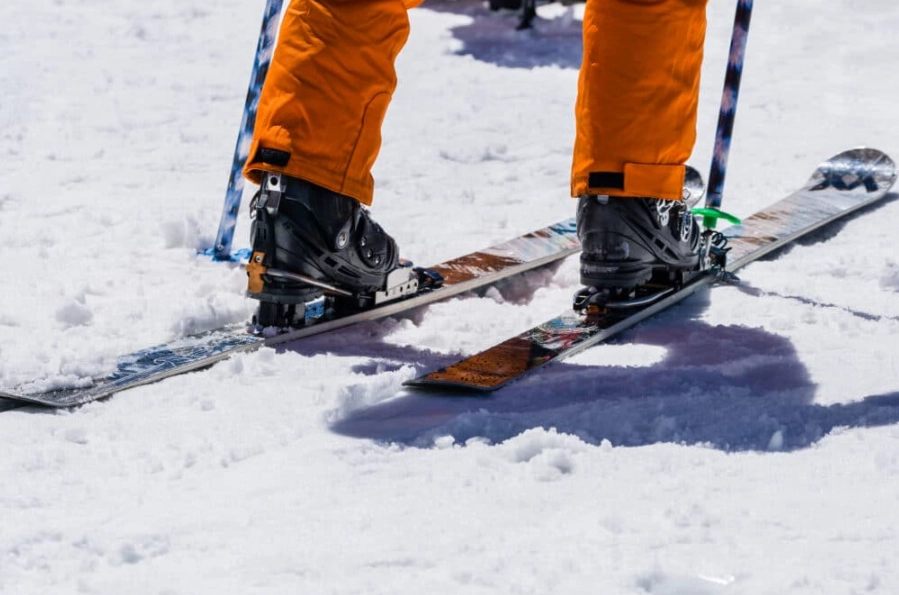
Flex isn't an absolute number. A ski's flex feels different to a 120-pound person versus a 220-pound person. Heavier and/or more aggressive skiers generally need a stiffer ski to get the same performance and avoid it feeling "chattery" or unstable. Ski length is also crucial. The old "chin height" rule is outdated. Modern rockered skis often ski shorter than their length, and different ski types have different length recommendations. When in doubt, consult a good ski shop or the manufacturer's size chart.
The Blurred Lines: Hybrids and Sub-Categories
The world of types of downhill skis isn't always clean. Brands constantly create hybrids. You'll see terms like:
- All-Mountain Frontside: Leans more towards carving but with a bit more width and forgiveness than a pure carving ski.
- All-Mountain Wide: Leans more towards powder performance but still versatile enough for groomers.
- Freeride: Often a wider, more directional powder ski built for big lines and variable snow.
- Touring Skis: A whole other world built to be lightweight for skiing uphill with skins. They sacrifice some downhill performance for weight savings.
Don't get hung up on the exact label. Focus on the specs: width, rocker profile, flex, and intended use.
Let's Talk Brands and Where to Look
I'm not here to tell you one brand is definitively the best. It's incredibly subjective. However, some brands have strong reputations in certain areas. Atomic and Head have deep roots in racing. Armada and Line are known for freestyle and progressive shapes. K2, Rossignol, and Salomon produce incredibly popular and reliable all-mountain skis. Blizzard and Nordica are often praised for their high-performance all-mountain and frontside models.
My advice? Read reviews from multiple sources, but treat them as data points, not gospel. A reviewer who charges hard might call a ski "forgiving," while that same ski might feel demanding to you. The best resource is a reputable, local ski shop. The staff there can see you, talk to you, and make informed recommendations. It's worth paying a bit more for that service.
For deeper research, checking out brand websites and trusted industry hubs can provide technical details. For example, the Snowsports Industries America (SIA) site offers industry insights, while manufacturer sites like Rossignol or Salomon have detailed tech pages explaining their specific construction and rocker profiles.
Answering Your Burning Questions (FAQ)
Here are some of the most common questions I've heard over the years, answered straight.
How many types of downhill skis do I need?
Most recreational skiers are perfectly served by one good pair of all-mountain skis. As you progress and your budget allows, you might consider a two-ski quiver: a carving ski for hardpack days and a wider ski for powder days. Very few people *need* more than that unless they have highly specialized goals (e.g., dedicated park skis, dedicated touring setup).
Can I use powder skis all the time?
You can, but you might not want to. On firm snow, they require more effort to get on edge and can feel vague or "hooky." Your legs will get more tired. They excel in soft snow but make compromises everywhere else.
What's the difference between camber and rocker?
It's the ski's arch. Camber is the traditional upward arch when the ski is unweighted. It presses the tip and tail into the snow when you stand on it, providing edge grip and pop. Rocker (or reverse camber) is an upward curve at the tip and/or tail even when weighted. It improves float in powder and makes turn initiation easier. Most modern skis use some combination of both.
Is a more expensive ski always better?
No. A more expensive ski often uses higher-end materials (lighter, stronger carbon, different wood cores) which can make it lighter, more energetic, or more damp. But a well-designed $500 ski can be 100% the right tool for a developing skier, while a $1,200 expert race ski would be terrible for them. Buy for fit and purpose, not price tag.
How long should my skis last?
With proper care (keeping edges sharp, bases waxed, storing them properly), a good pair of skis can last 100-150 ski days easily, maybe more for a casual skier. Performance may gradually diminish as the core fatigues and edges wear down. The bindings, however, have a mechanical lifespan and should be inspected regularly by a shop.
Final Thoughts: Trust the Process
Choosing from the many types of downhill skis can feel overwhelming, but it's also part of the fun. It's about getting gear that unlocks more of the mountain for you. Start with an honest assessment of yourself, ignore the flashy top-end models that don't suit you, and focus on finding a ski that matches where and how you ski right now.
The perfect ski is the one that makes you want to take one more run, that gives you confidence, and that simply disappears underfoot, becoming an extension of your intent. Don't rush it. Do your homework, talk to people, and when you find that pair, you'll know. Now go get some snow.
Related Articles
Comments
Join the discussion