Key Points at a Glance
- Who or What Are J Skis, Anyway?
- The Core Question: Are J Skis Good? Breaking Down the Factors
- So, Who Are J Skis Actually Good For?
- A Close Look at the Lineup: Which J Skis Are Good for What?
- The Elephant in the Room: Common Criticisms (The "Bad")
- J Skis vs. The Competition: A Quick Reality Check
- Frequently Asked Questions (The Stuff You're Actually Searching For)
- The Final Verdict: So, Are J Skis Good?
I remember the first time I saw a pair of J Skis in the lift line. The graphics were wild, unlike anything from the big brands. A guy next to me had a pair with what looked like a retro video game character plastered across the topsheet. We got talking. He was evangelical about them. "Best skis I've ever owned," he said. "You can feel the soul in them." Soul? In a ski? I nodded politely but filed it away as marketing talk. Fast forward a few seasons, and J Skis are everywhere. In the park, in the backcountry, even on the groomers. So the question keeps popping up, from forums to chairlift chats: are J skis good, really? Or is it just cool art and clever branding?
I've spent the last few years paying close attention, talking to shop techs, watching what the good skiers are on, and finally, getting a few pairs under my own feet. This isn't a sponsored puff piece. It's a straight-talking look from someone who's been around the block, skied a lot of planks, and cares more about how something rides than what the catalog says. We're going to dig into what makes J Skis tick, who they're actually for, and whether they live up to the reputation. Because deciding if J Skis are good isn't a simple yes or no. It depends entirely on what you're looking for.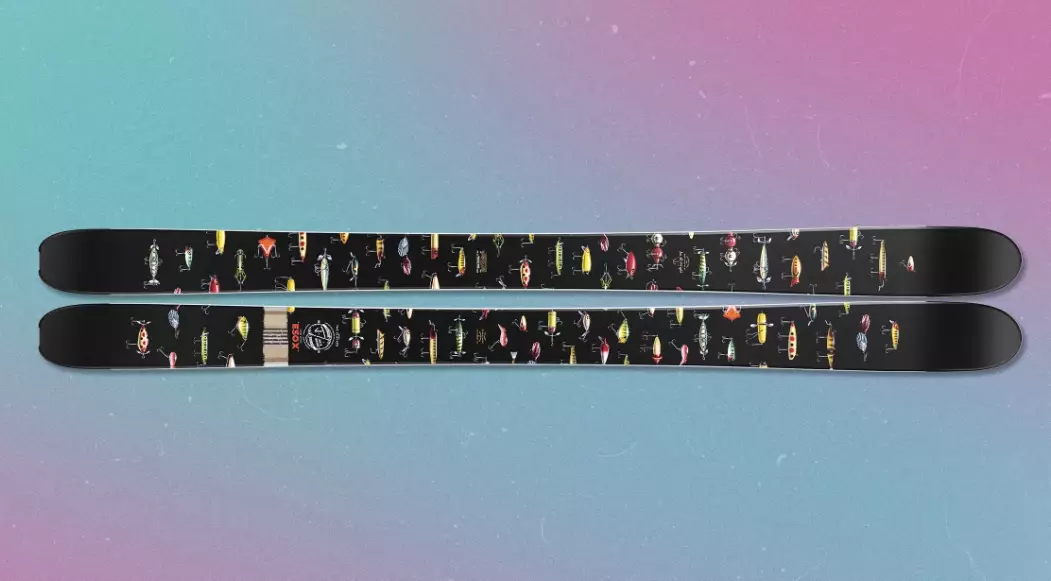
Who or What Are J Skis, Anyway?
Before we judge if they're any good, you gotta know the story. J Skis is the brainchild of JP Auclair and freeskiing legend, the late, great JP Auclair... wait, no. That's a common mix-up. The "J" actually stands for Jason Levinthal. Yeah, the same guy who started Line Skis back in the 90s. He sold Line, took a break, and then came back with J Skis in 2013. That pedigree matters. This isn't some random startup in a garage (anymore). Levinthal knows how to make skis that people want to ride, especially skis that are fun and accessible.
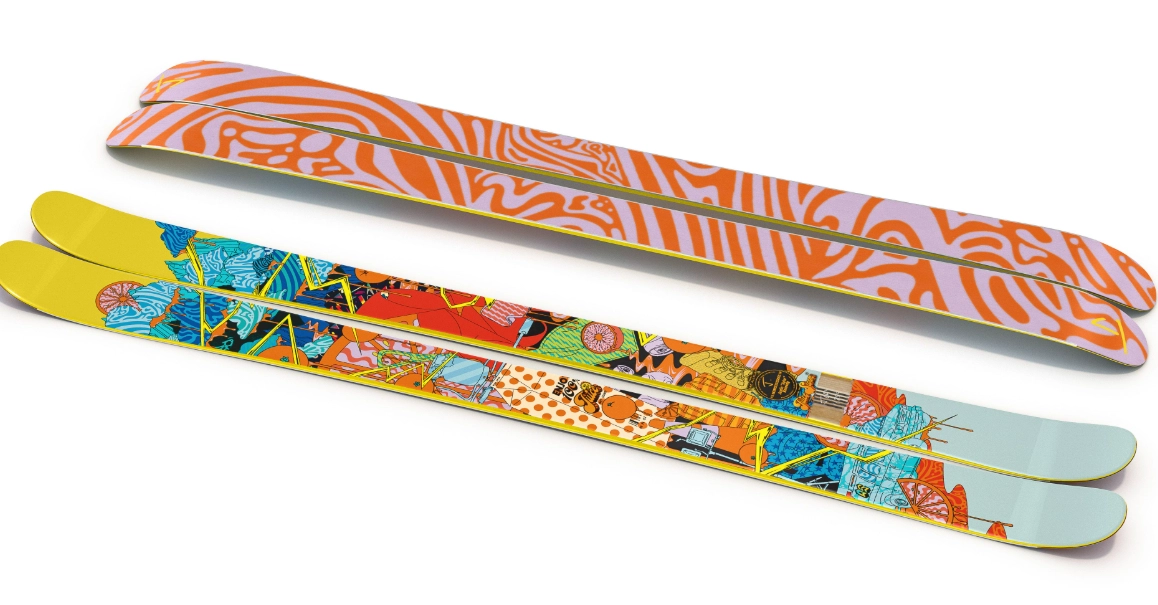
The brand's whole vibe is different. They operate on a direct-to-consumer, made-to-order model. You see a graphic you like (and they have hundreds, from collaborations with artists to wacky in-house designs), you order it, and they build it in their factory in Quebec. This means limited runs, no giant warehouse stock, and a ton of personalization. It feels more like commissioning a tool than buying a product. That alone answers part of the "are J skis good" question for some people—they value uniqueness and story over walking into a big-box store.
Their construction happens at a factory called Jet Set, which also makes skis for several other well-regarded boutique brands. This is key. We're not talking about a nameless, faceless mega-factory. It's a specialist facility. J Skis designs the specs, profiles, and layups, and Jet Set brings them to life. The quality control, from what I've seen and heard, is tight. You can read more about their manufacturing philosophy and commitment to North American production on their own Our Story page, which is refreshingly transparent compared to the vague "handcrafted in Austria" lines from bigger players.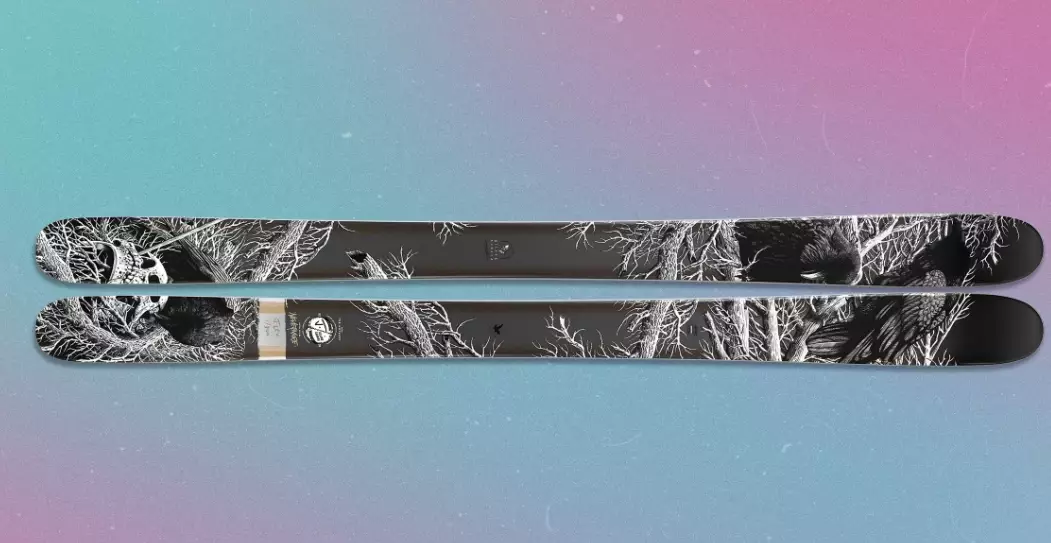
The Core Question: Are J Skis Good? Breaking Down the Factors
Alright, let's get to the meat of it. When you ask "are J skis good," you're probably wondering about a few specific things. Let's tackle them one by one.
Build Quality and Durability
This is the big one. A ski can be fun for three days and then fall apart. So, are J Skis good in the long run? In my experience, and from scouring owner groups and talking to repair shops, they hold up well. The bases are durable, the edges are solid, and the topsheet graphics are surprisingly resilient to scuffs (they use a special print-on process). I have a friend who's put 100+ days on his J Skis Masterblasters, and aside from the expected core shots and edge dings from a life of abuse, they're still torsionally stiff and lively. They're not indestructible magic wands—no ski is. I've seen delam issues reported online, but no more than I've seen for any other brand. The fact that they're built in small batches seems to help with consistency.
Performance on Snow
This is where rubber meets the snow. J Skis has a distinct feel. They generally prioritize playfulness, maneuverability, and a surfy, loose feel over absolute dampness and GS-style stability. If you're coming from a stiff, heavy, traditional all-mountain ski, a J Ski will feel lighter, quicker, and maybe a bit chattery at very high speeds on hardpack. That's by design.
Their rocker profiles are often generous. This makes them incredibly easy to pivot, slash, and butter. They want you to play. They excel in soft snow, crud, and in the trees where quick turns and a loose tail are assets. On hard, icy groomers, some models can feel a bit vague if you're trying to really carve high-angle trenches. They can carve, but it's not their primary personality trait.
So, are J Skis good performers? For the intended use—fun, all-mountain freestyle, soft snow exploration—they are excellent. They do exactly what they say they'll do. They make skiing feel less serious and more joyful. But if your definition of performance is World Cup downhill stability, you'll be disappointed.
Value for Money
Here's a sticky point. J Skis aren't cheap. They typically retail in the $700-$900 range. For that, you could get a top-tier model from a major brand on sale. So where's the value? It's in the direct-to-consumer model. You're (theoretically) cutting out the middleman. You're also paying for limited-edition art, North American manufacturing wages, and a brand with a specific ethos. You're not paying for a World Cup athlete's salary or a global marketing blitz.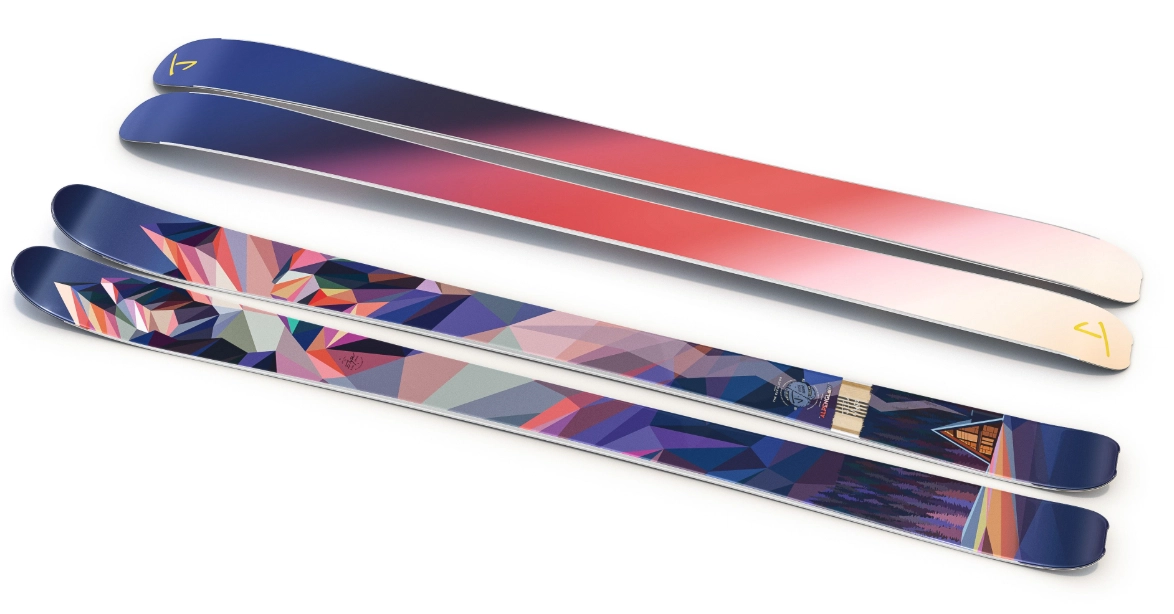
They also run a great warranty and a "Vacation for Life" program for original owners, which is a nice touch that adds intangible value.
So, Who Are J Skis Actually Good For?
This is the most important section. Are J skis good for *you*? Let's match the skier to the ski.
J Skis are a fantastic fit if:
- You prioritize fun and playfulness over ultimate stability.
- You love soft snow, trees, and side hits.
- You have a freestyle background or mindset (even if you don't hit the big park jumps anymore).
- You appreciate unique graphics and want a ski that's a conversation starter.
- You want to support a smaller, independent brand with transparent manufacturing.
- You're an advanced intermediate looking for a ski that's forgiving and easy to maneuver as you progress.
You might want to look elsewhere if:
- You are a dedicated hard-snow carver who lives for icy groomer days.
- You are a big, powerful skier who charges at max speed all day and needs a damp, heavy ski to quiet chatter.
- Your primary concern is getting the absolute lowest price per ski.
- You need to physically handle and flex a ski in a shop before buying.
A Close Look at the Lineup: Which J Skis Are Good for What?
J Skis doesn't have a massive, confusing lineup. They keep it focused. Here’s a breakdown of their core models to help you see where the "are J skis good" question applies specifically.
| Model | Key Profile | Best For | Not So Good For |
|---|---|---|---|
| The Masterblaster | All-mountain frontside biased. Camber underfoot with early rise tip. Stiffest in the tail. | Powerful skiers who still want playfulness. The best J Ski for carving and charging. | Park rats looking for a noodly butter machine. |
| The Vacation | True twin tip, symmetrical flex. Center-mounted freestyle dream. | Park and pipe skiers. Butters, spins, switch landing. | Anyone who spends most of their time skiing forwards at high speed. |
| The Friend | Wide, surfy powder ski. Lots of rocker, nimble. | Deep days, tight trees, slashy fun. A dedicated powder tool. | Hardpack or firm snow days. It's a specialist. |
| The Allplay | Their most popular model. A true all-mountain freestyle ski. Moderate rocker, medium flex. | This is the one most people mean when they ask "are J skis good?". The do-it-all fun-haver. Great for most advanced intermediates to experts who play all over the mountain. | Extreme charging or extreme park focus. It's the happy medium. |
| The Hotshot | Stiff, directional charger. Built for big mountain lines and speed. | Experts who want stability in variable snow and at high speeds. The most "serious" ski in the lineup. | Beginners, intermediates, or anyone looking for a loose, playful feel. |
See? Asking if J Skis are good is like asking if trucks are good. You need to know if we're talking about a nimble Tacoma (The Allplay) or a heavy-duty F-350 (The Hotshot). The table above should clear that up. For a deeper dive into independent technical reviews, sites like Blister Review have spent seasons on many of these models, and their feedback largely echoes this: J Skis know their audience and deliver for them.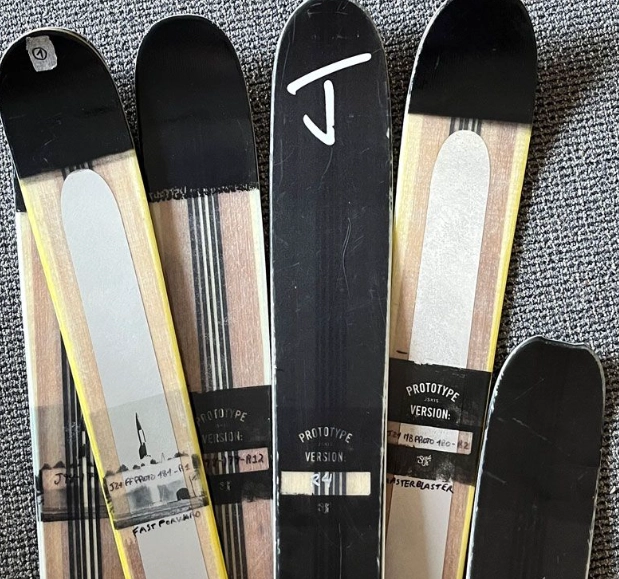
The Elephant in the Room: Common Criticisms (The "Bad")
No review is honest without the negatives. Here’s what people gripe about, and my thoughts on whether it’s a deal-breaker.
"They're overpriced for what you get." This is the most common critique. As mentioned, you're paying for art and story. If you don't value those, it's a hard sell. Performance-wise, they compete with similarly priced skis from other boutiques (Moment, ON3P, etc.), but can be more expensive than mass-market equivalents.
"The flex patterns can be inconsistent between graphics/lots." I've heard this rumor in online forums. The small-batch nature could theoretically lead to slight variations. In practice, I haven't felt it, and neither have the several people I asked who own multiple pairs. It's something to be aware of, but not a widespread, verified issue.
"They're too soft/playful for real charging." This is only a criticism if you buy the wrong model. Don't buy The Vacation and complain it's not stable at 50 mph. That's like buying a Miata and complaining it can't tow a boat. Their charging skis (Masterblaster, Hotshot) are plenty stout.
J Skis vs. The Competition: A Quick Reality Check
People often ask: "Are J Skis good compared to...?"
- vs. Line (Sick Day, Blade): Similar playful DNA (same founder, after all). J Skis often feel a bit more substantial and less gimmicky to me. More "adult" in a way.
- vs. Moment (Deathwish, Wildcat): Moment skis are also independent and built in the USA. They tend to be even more focused on big-mountain performance and are often stiffer and more demanding. J Skis are generally more accessible and playful.
- vs. Armada (ARV, Stranger): Armada has that core freestyle heritage. Their park skis are legendary. J Skis feel like they bridge the gap between park and all-mountain a bit more seamlessly for the average skilled recreational skier.
- vs. Big Brands (Nordica, Blizzard, Volkl): This is the classic boutique vs. establishment fight. Big brands often excel at damp, powerful, precise carving machines. J Skis excel at loose, surfy, creative skiing. Different tools.
Frequently Asked Questions (The Stuff You're Actually Searching For)
The Final Verdict: So, Are J Skis Good?
After all this, here's my bottom line.
J Skis are very good at being exactly what they set out to be: fun, unique, high-quality tools for playful, all-mountain skiing. They are not the undisputed best at any one thing (except maybe topsheet art), but they are exceptionally good at making skiing feel joyful and creative. The construction is trustworthy, the performance is exactly as advertised for each model, and the brand has soul—which, it turns out, that guy in the lift line wasn't totally wrong about.
The Answer: Yes, J Skis are good. They are a fantastic choice for the advanced intermediate to expert skier whose priority is fun, maneuverability, and style across the whole mountain, especially in softer snow. They are a less ideal choice for the hard-snow purist or the price-only shopper.
If your skiing identity aligns with their philosophy, you'll likely love them. You'll have a blast, your skis will look like no one else's, and you'll feel good about where they came from. If your priorities lie elsewhere, there are better tools for the job. It's that simple. The hype, for once, is largely deserved—as long as you're in the target audience.
Now, if you'll excuse me, I'm going to go stare at their graphic catalog again. That "Fastforward" design on the Allplay is calling my name... and my wallet.