Quick Navigation
- More Than Just a Name: The Different Types and What They're Really Called
- Why This Confusion Exists: A Brief History Lesson
- Breaking Down the Top Brands and Their Models
- The Real Reasons You Should Care (Beyond the Name)
- How to Actually Use One Without Looking (or Feeling) Foolish
- Buying Guide: What to Look For Beyond the Brand Name
- Your Questions, Answered (The Stuff You're Actually Searching For)
- Final Thoughts: It's More Than Just a Name
You're not the first person to ask, "What is the ski machine called?" and you won't be the last. I was in the same spot a few years back, staring at this weird contraption at the gym that looked like a cross between an escalator and a medieval torture device. Everyone was using it, gliding smoothly, but I had no clue what to even search for online. Was it a ski simulator? A cross-country ski machine? Or just that "NordicTrack thing" my dad had in the basement in the 90s?
Let's cut through the confusion right now. The most straightforward answer is that it's most commonly called a ski machine, NordicTrack ski machine, or cross-country ski machine. But here's the kicker – that's like calling every car a "Toyota." The name often gets tangled up with the most famous brand that popularized it. So when someone says "ski machine," they're usually picturing the specific design pioneered by NordicTrack, which uses a flywheel and a pull-push motion with your arms and legs.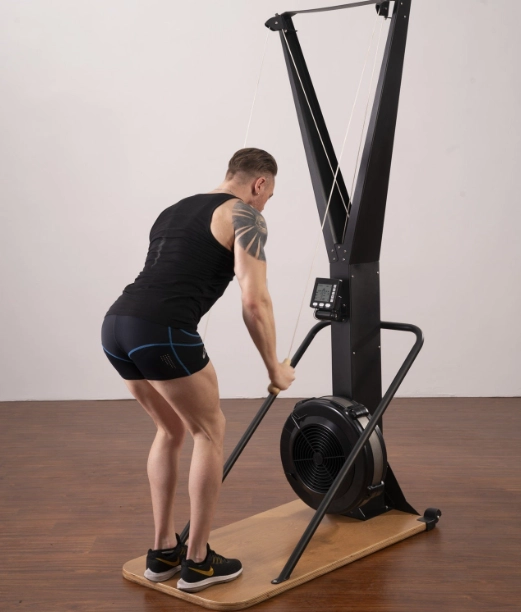
The Core Answer: In everyday gym talk, it's a "ski machine." In product catalogs and online searches, you'll find it under names like "cross-trainer ski machine," "elliptical ski trainer," or simply by the brand name that makes it, such as NordicTrack, ProForm, or Fitness Reality.
I remember my first time on one. I thought it would be easy. How hard could gliding be? I stepped on, grabbed the poles, and immediately my legs went one way and my arms another. I looked like a newborn giraffe on ice skates. The machine itself felt solid, but the coordination? That was a whole other story. It's a humbling experience, but that's part of why it's such a good workout – it forces your brain and body to work together in a way treadmills and bikes don't.
More Than Just a Name: The Different Types and What They're Really Called
If you're shopping or just want to sound like you know your stuff, you need to dig a layer deeper. Not all machines that simulate skiing are the same. The classic design everyone thinks of is the stand-alone ski trainer with moving arm poles. But there are variations that get lumped under the same generic search term.
The Classic NordicTrack-Style Ski Machine
This is the OG. The one with the long track for your feet and the independent poles you pull back and forth. It mimics the diagonal stride of classic cross-country skiing. The resistance usually comes from a flywheel, and the motion is non-impact and fluid. When you hear "What is the ski machine called?" in a traditional fitness context, this is almost always the machine they're talking about.
Brands have their own fancy names for it. NordicTrack often calls theirs "Cardio Strider" or "Ski Trainer" in their model names. ProForm might label it a "Cross-Trainer." The core function is identical: a full-body, rhythmic, cardio burn.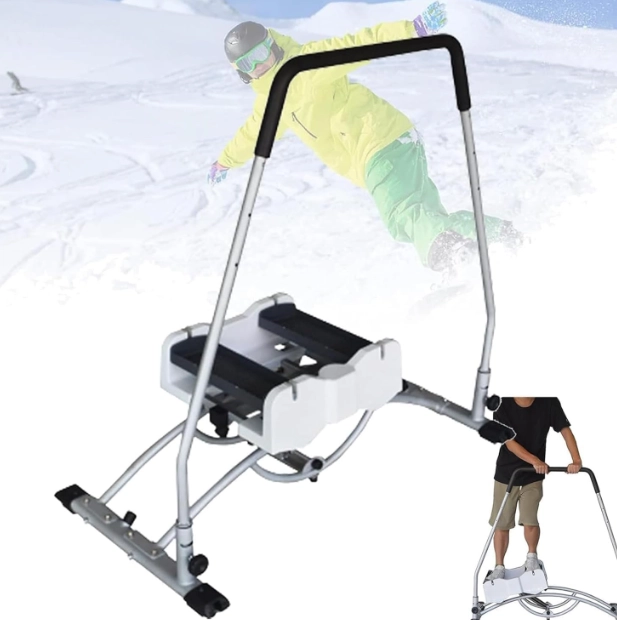
The "Ski Erg" or "SkiErg"
Now this is a different beast, and confusing it with the classic ski machine is a common mistake. The Concept2 SkiErg is a staple in CrossFit boxes and serious training facilities. It's not a machine you stand on with moving foot pedals. It's a tall, upright machine with a flywheel and a rope handle you pull down in a powerful, rhythmic motion, mimicking the double-pole technique of skiing.
Key Difference: The SkiErg is primarily an upper-body and core powerhouse. Your feet stay planted on the ground. The classic ski machine is a full-body workout involving legs, core, and arms in a coordinated stride. They're both fantastic, but they serve different purposes. Don't buy a SkiErg thinking you'll get the same leg workout as the NordicTrack style.
The Elliptical Ski Trainer Hybrid
Some modern ellipticals try to incorporate a ski-like motion by adding movable arm poles. These are often marketed as "total-body ellipticals" or "cross-trainers." While they offer a similar combined arm and leg motion, the foot path is usually a fixed elliptical orbit, not the free-stride track of a dedicated ski machine. The feel is less like gliding on snow and more like a souped-up elliptical. It's a good option if you want variety, but purists will tell you it's not the real deal.
So, if a friend says they got a new ski machine, your first follow-up question should be: "The kind you stand on and glide, or the one you just pull the rope on?" It clears things up instantly.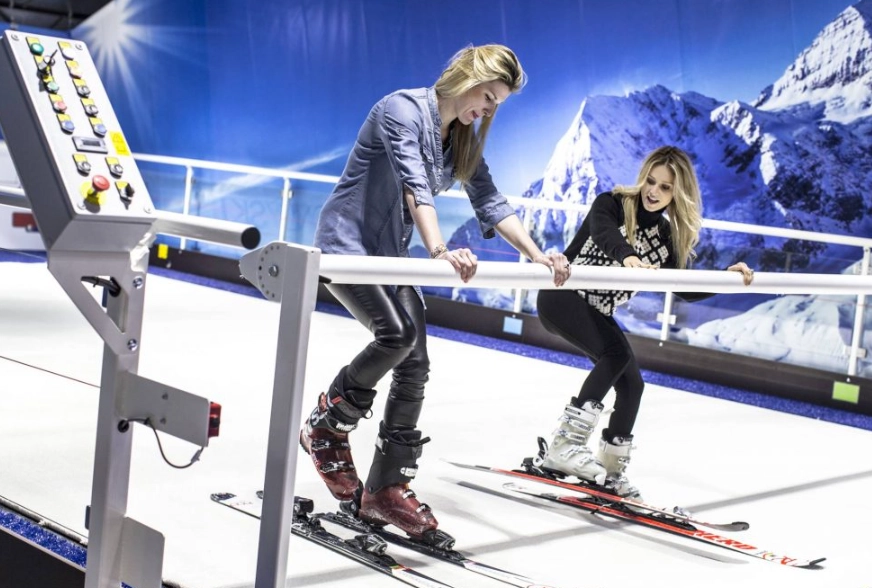
Why This Confusion Exists: A Brief History Lesson
The reason "What is the ski machine called?" is such a common question is largely due to one company: NordicTrack. Founded in the 1970s by a cross-country ski enthusiast who wanted to train off-season, NordicTrack's original wooden ski simulator became a cultural icon through infomercials in the 80s and 90s. It was the ski machine. The brand name became synonymous with the product category, like Kleenex for tissues or Xerox for photocopying.
Other companies later entered the market with similar devices, but the collective memory stuck with "NordicTrack." Even today, many people searching for a ski machine will instinctively type "NordicTrack" into Google, further cementing the brand-as-name phenomenon. The International Health, Racquet & Sportsclub Association (IHRSA), while not listing specific products, acknowledges the evolution of cardio equipment from single-purpose machines to multifunctional trainers, which is exactly the space these ski machines occupy.
My uncle still has his original 1992 NordicTrack Pro in his garage. It squeaks, the wood is faded, but it still works. He refuses to call it anything but "The NordicTrack." To him, all the new plastic and LCD screen models are just imitations. There's a lesson there about brand legacy.
Breaking Down the Top Brands and Their Models
Let's get practical. If you're sold on the benefits and are now asking, "What is the BEST ski machine called?" you need a comparison. Here’s a no-nonsense look at the main players. I've used or tested most of these, and some disappointments are mixed in with the wins.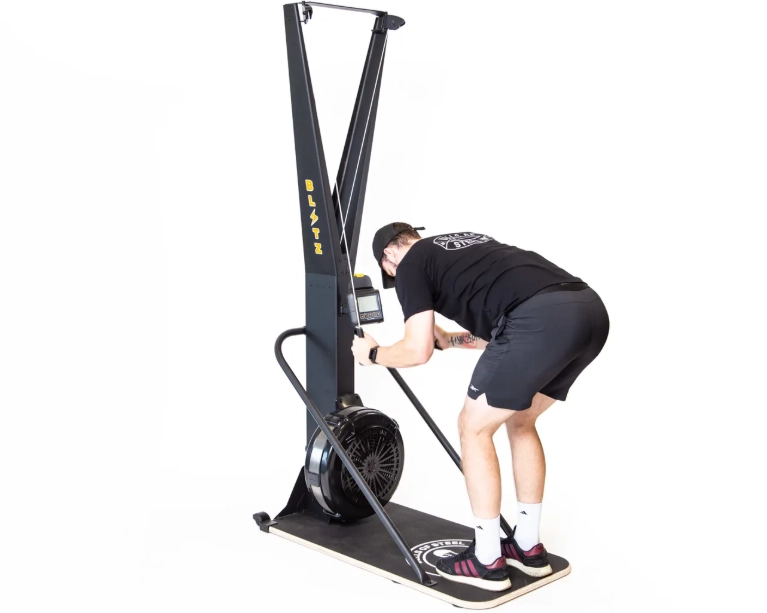
| Brand & Common Model Name | What It's Really Good For | The Not-So-Good Stuff (My Take) | Price Tier |
|---|---|---|---|
| NordicTrack Strider Series (e.g., FS14i, FS10i) | The "gold standard" feel. Smooth, durable motion. Excellent integration with iFit for guided workouts with incline/decline simulation. | You're paying a premium for the name. The iFit subscription is almost mandatory to unlock full features, which is an ongoing cost. Assembly can be a nightmare. | High-End |
| ProForm Carbon Cross Trainer | A very close alternative to NordicTrack (same parent company). Often better value for money with similar features and also uses iFit. | Build quality can feel a tiny bit less robust than NordicTrack's best. The console design is sometimes clunkier. | Mid-Range to High |
| Fitness Reality TR1000 | The budget champion. Delivers the core ski machine experience without bells and whistles. Great for seeing if you like the motion. | The motion isn't as silky-smooth as the pricier models. It can feel a bit more mechanical. Limited resistance range. | Budget |
| Concept2 SkiErg | Unbeatable for brutal, measurable upper-body cardio. Simple, bombproof construction. The go-to for performance tracking. | It's NOT a full-stride ski machine. Zero lower-body workout in the traditional sense. The learning curve is steep to avoid hurting your back. | Mid-Range (for what it is) |
See? It's not just about what the ski machine is called, but what it's for. The Fitness Reality is a fantastic entry point. I recommended it to a friend who wanted low-impact cardio, and she loves it. But she did mention after a year that she wishes the stride was a bit longer. That's the trade-off.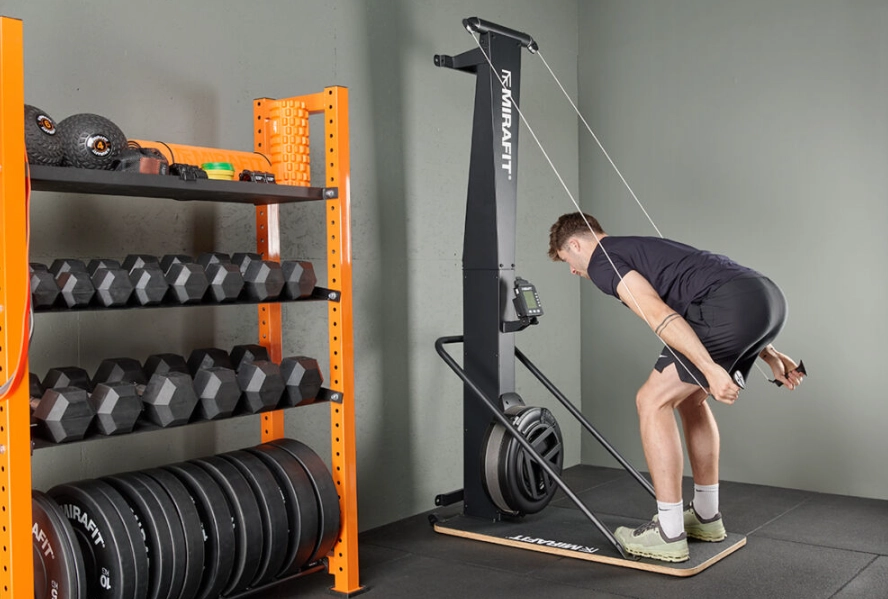
The Real Reasons You Should Care (Beyond the Name)
Okay, so we've answered "What is the ski machine called?" Now, why does it matter? Because this piece of equipment solves specific problems other machines don't.
User Pain Point Solved: If your knees, hips, or ankles complain on the treadmill, the ski machine's fluid, no-impact glide is a game-changer. It's cardio without the pounding.
Let's list the benefits, plain and simple:
- True Full-Body Engagement: Unlike a treadmill (legs) or a rower (legs/back/arms), the ski machine coordinates everything at once. It's rhythmic and challenging for your coordination.
- Low Impact, High Intensity: You can get your heart rate soaring without a single jarring step. This is huge for long-term joint health and for anyone in rehab.
- Efficient Calorie Burn: Engaging more muscle groups simultaneously means you burn more calories in the same amount of time compared to lower-body-only cardio.
- Improves Stability and Core Strength: That constant balancing act, shifting weight from side to side, quietly works your obliques and stabilizer muscles.
But it's not all sunshine.
The motion can feel awkward at first. It's not as intuitively natural as walking or cycling. It takes a session or two to find your groove. And some cheaper models have a stride length that's too short for taller users, making the workout feel cramped and ineffective. Always check the maximum user height and stride length specs before buying.
How to Actually Use One Without Looking (or Feeling) Foolish
I learned this the hard way, so you don't have to. Here's the quick-start guide nobody gives you.
- Mount Up: Step onto the foot pedals one at a time, holding the stable handrails (not the moving poles). Position your feet in the middle.
- Find Neutral: Stand tall, grip the moving poles lightly. Don't hunch. Your arms should be slightly bent, not locked.
- Start the Glide: Initiate the movement with your legs. Push one foot back as you simultaneously pull the opposite arm back. It's a diagonal pairing: left leg back, right arm back. Then switch.
- Rhythm is Key: Don't force it. Let the machine's momentum help you. Think "smooth and long," not "fast and jerky."
- Breathe: It sounds silly, but you'll forget. Inhale for two strides, exhale for two strides.
Common mistake? Over-pulling with the arms.
Your legs should be doing 70% of the work. Your arms are for coordination and a bit of extra power. If your shoulders are burning before your legs, you're doing it wrong.
Buying Guide: What to Look For Beyond the Brand Name
You're ready to buy. You know what a ski machine is called, but what specs actually matter? Forget the flashy console for a minute.
- Stride Length: This is critical. Too short, and you'll feel constrained. Look for at least 18-20 inches of adjustable stride length, especially if you're over 5'10".
- Flywheel Weight: Heavier flywheels (12+ lbs) provide a smoother, more consistent feel. Lighter flywheels can feel choppy.
- Resistance Type & Levels: Magnetic resistance is quiet and smooth. The number of levels matters less than the range—can it go from very easy to very challenging?
- User Weight Capacity: Always buy a machine rated for at least 50 lbs more than your weight. It's a matter of durability and safety.
- Footprint & Storage: These things are long. Measure your space. Some fold vertically, which is a lifesaver in a home gym.
And please, read the reviews about assembly. Some companies have brilliant engineers designing the machine and then let a toddler write the assembly manual. Budget an afternoon and a lot of patience.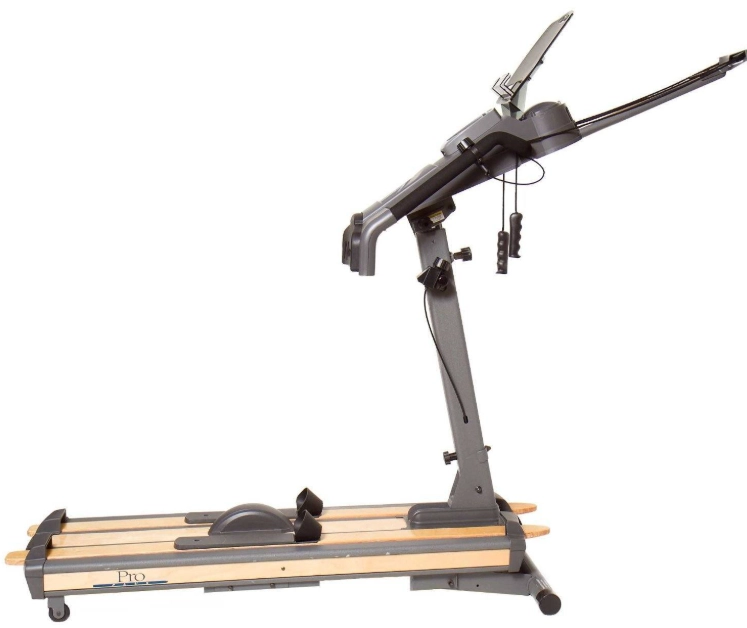
Your Questions, Answered (The Stuff You're Actually Searching For)
Final Thoughts: It's More Than Just a Name
So, what is the ski machine called? It's a NordicTrack, a ProForm, a cross-trainer, a strider. But more importantly, it's a solution. It's the answer for the runner with shin splints, the person bored of the elliptical, the home gym enthusiast who wants a serious, joint-friendly cardio workout that doesn't take up as much space as a treadmill.
The confusion around the name is a testament to its unique place in fitness history. It never became as ubiquitous as the treadmill, so it retained a bit of mystery. But that mystery is worth unraveling.
For me, it became a winter savior. When it's too dark and icy to run outside, 20 minutes on the ski machine in my basement scratches the cardio itch without the dread I sometimes feel facing the treadmill. It's not my only piece of equipment, but it's the one I always come back to when I want a sweat that feels earned but not punishing.
Hopefully, the next time you hear someone ask "What is the ski machine called?" you can not only give them the name but explain why it might just be the missing piece in their fitness routine. Start with the motion, find a model that fits your body and budget, and enjoy the glide.
Related Articles




Comments
Join the discussion