Quick Guide
You're standing in a ski shop, or maybe browsing online, and the price range is just wild. You see pairs for a couple hundred bucks and others that cost more than your last vacation. It's natural to wonder, is there a difference between cheap and expensive skis, or is it all just marketing and fancy graphics? Is the extra thousand dollars just paying for a brand name?
I've asked myself the same thing. I remember my first pair of proper skis – I saved up, did a ton of research, and went for a mid-range model. The difference from the rental clunkers I was used to was night and day. But later, when I demoed a truly top-tier ski, I had another "aha" moment. The gap was subtler but still there.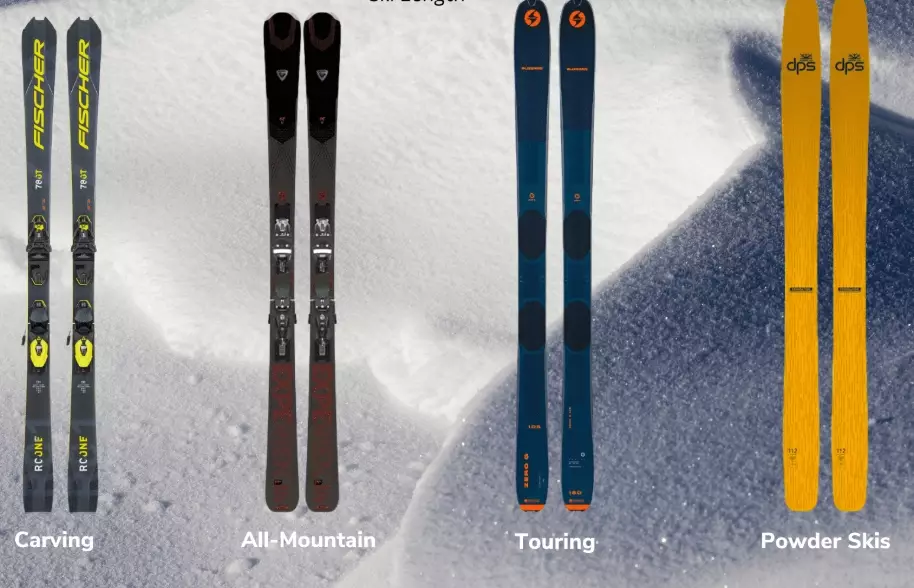
Let's cut through the noise. The short answer is a definitive yes, there is a significant difference. But it's not always about one being universally "better" than the other. It's about what those differences mean for you, your skiing, and your wallet. A high-end race ski would be a terrible, dangerous choice for a first-timer, just like a cheap, basic ski would hold back an expert charging down steep terrain.
The core truth: The difference between cheap and expensive skis isn't just one thing. It's a combination of materials, construction quality, design intention, and performance refinement. A cheap ski gets you down the hill. An expensive ski transforms how you go down the hill.
Where Your Money Actually Goes: The Anatomy of the Difference
Think of it like cars. A basic economy car and a performance sports car both have four wheels, an engine, and get you from A to B. But the experience, components, and capabilities are worlds apart. Ski construction follows a similar principle.
The Materials Game: From Foam Cores to Aerospace Alloys
This is the biggest divider. The core of the ski is its spine, and what it's made of dictates its weight, damping, and liveliness.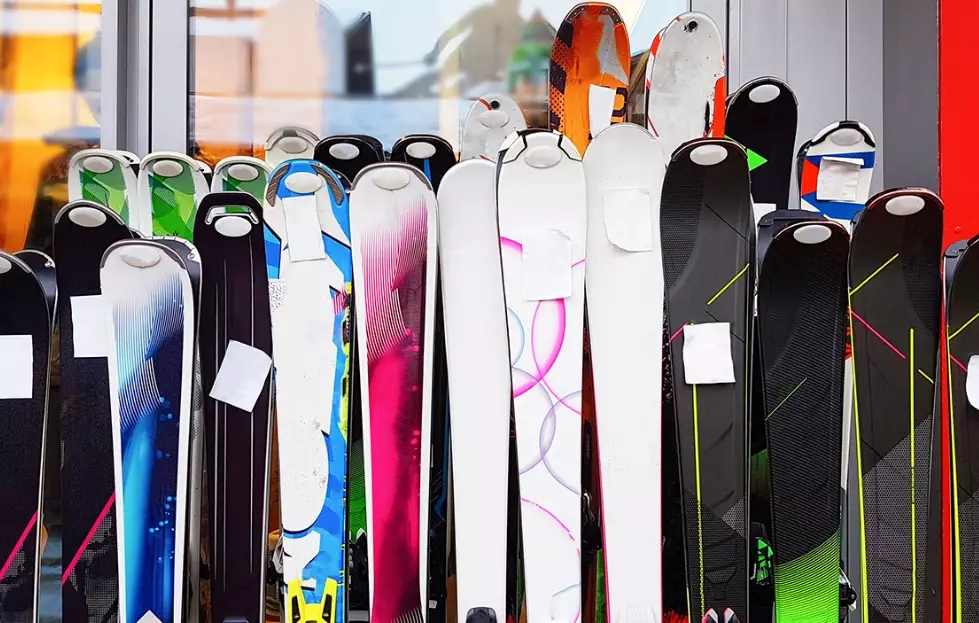
- Cheap Ski Cores: Often use lightweight, cost-effective materials like low-density foam, simple poplar wood, or laminated wood with lots of voids. They're fine for gentle skiing but can feel dead, chattery, or unstable when you push them. I've had a pair that felt like they were made of cardboard on hardpack – just no feedback at all.
- Expensive Ski Cores: Here's where you get into multi-laminate wood cores (ash, beech, paulownia), often with different woods placed strategically for flex and rebound. Brands like Fischer and Atomic talk extensively about their core tech. You might find carbon stringers, titanal (an aluminum alloy) layers, or damping materials like rubber or viscoelastic polymers integrated directly. These materials absorb vibration and provide explosive energy return. You feel the snow, not the shake.
Then there's the topsheet and base. Cheap skis often have a basic plastic topsheet and a slow, high-maintenance sintered or even extruded base. Expensive skis sport durable, often textured topsheets and high-grade, ultra-fast sintered bases that hold wax better and glide faster with less effort. That's free speed you're literally leaving on the table.
Construction & Tolerances: Hand-Finished vs. Assembly Line
How the ski is put together matters immensely. Mass-produced, cheap skis are built to a price point. The layers of materials are pressed together with less precise pressure and temperature controls. The sidewalls might be simpler, the edges might be set less perfectly.
Expensive skis, especially from brands known for their race heritage like Rossignol or Stockli, often involve more hand-finishing. The edge angles are meticulously set and polished for perfect contact. The base is stone-ground flat in a specific pattern to optimize glide. The flex pattern is tested and tuned to be consistent across the production run. This precision translates to predictable, high-performance handling.
Here's a personal gripe: some mid-range skis are the worst offenders. They slap on fancy marketing names for their "carbon" layer, which is often just a mesh sheet that does very little. You're paying for the buzzword, not the performance. It's better to have a well-made, simple wood core than a poorly integrated "tech" feature.
Design Philosophy & R&D Investment
A budget ski is designed to be forgiving, stable at low speeds, and easy to turn for a wide range of beginners to low-intermediates. That's its job, and a good one does it well.
An expensive ski is a precision tool designed for a specific outcome. It might be engineered for maximum grip on an icy World Cup race course, for effortless float in deep powder, or for insane agility in the terrain park. This requires massive investment in research, prototyping, and athlete testing. You're paying for years of engineering and feedback that fine-tunes the ski's shape (rocker profile, sidecut), flex, and torsion.
Is there a difference between cheap and expensive skis in the design phase? Absolutely. One is designed not to fail a novice. The other is designed to excel for an expert.
The On-Snow Experience: Feeling the Gap
Okay, so they're built differently. But what does that actually feel like under your feet? Let's break it down by what you notice.
| Performance Aspect | Cheap / Budget Skis | Expensive / Premium Skis |
|---|---|---|
| Stability & Damping | Can feel shaky and chattery on hard, rough, or choppy snow. Vibrations travel to your boots. | Eat up bumps and chatter. Feel planted, solid, and quiet at speed, even in variable conditions. |
| Edge Grip & Carving | May wash out or feel vague when you try to carve hard on firm snow. Require more steering effort. | Lock into a carve with confidence. Provide clear feedback and powerful rebound out of the turn. |
| Weight & Swing Weight | Often lighter overall, which can be good for beginners, but may feel less stable. | Strategic use of materials can make them feel lighter and easier to pivot (swing weight) despite being damp. |
| Forgiveness | Usually very forgiving of backseat driving or uneven pressure. Less punishing of errors. | Often less forgiving. Demand proper technique and stance to unlock their performance. They'll let you know if you're sloppy. |
| Versatility | Jack-of-all-trades, master of none. Okay on groomers, a struggle in deep snow or ice. | Can be highly specialized OR brilliantly versatile, depending on the model's intended use. |
That last point on versatility is huge. A cheap all-mountain ski tries to do everything mediocrely. A high-end all-mountain ski, like many from brands reviewed in-depth on sites like Blister, is a marvel of engineering that genuinely performs well across a wide spectrum of conditions. It's a true quiver-of-one.
The feeling? Confidence.
That's the intangible you buy. On a tough, steep, icy run, a premium ski inspires confidence. It feels like it's working with you, not against you. A cheap ski on the same run might feel like it's fighting you every inch of the way, demanding constant correction and muscle.
Who Actually Needs Expensive Skis? (And Who Doesn't)
This is the million-dollar question. Throwing money at the problem isn't the solution.
Save Your Money: Skiers Who Don't Need Top-Tier Gear
- True Beginners (First 1-2 Seasons): You simply lack the technique to feel or use the benefits. A well-fitted, modern beginner/intermediate ski is perfect. Your money is better spent on lessons and good boots.
- Very Casual Skiers: You ski a week a year, stick to green and easy blue runs, and prioritize comfort and ease. A high-performance ski will feel intimidating and demanding.
- Budget-First Buyers: If the choice is between a premium ski and being able to afford your season pass/lift tickets, always choose the skiing itself. A mid-range ski will still be a massive upgrade from rentals.
Consider the Investment: Skiers Who Will Feel the Difference
- Advanced & Expert Skiers: You ski fast, aggressively, and on challenging terrain. You have the technique to load a ski and feel its rebound. You'll appreciate the stability, damping, and precision immediately.
- Racers & Aspiring Racers: This is non-negotiable. The performance margins are everything. You need the grip and responsiveness of a dedicated race ski.
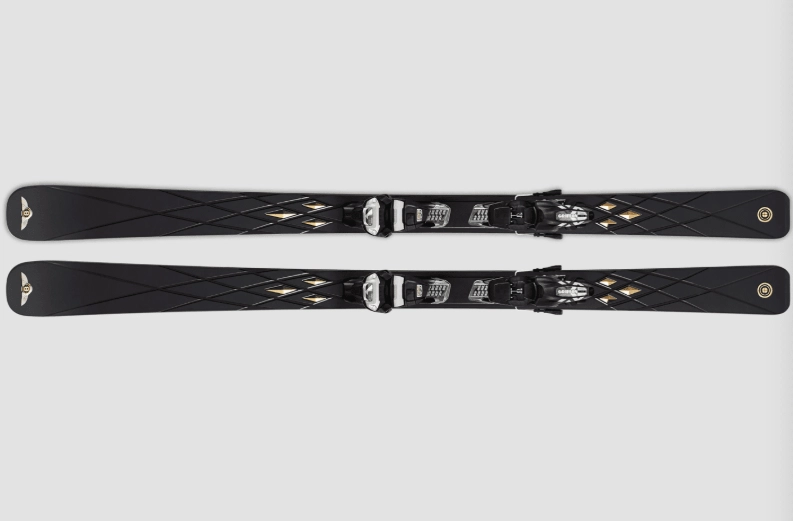
- Passionate Intermediates Looking to Progress: This is a gray area. If you're actively taking lessons and pushing yourself off-piste or onto steeper terrain, a better ski can actually help you improve by providing clearer feedback and more support. But don't jump straight to a pro-level model.
- Big & Heavy Skiers: Physics is against you. A lightweight, soft ski will flex and chatter uncontrollably. You often need the stronger, more robust construction of a higher-end ski just for it to perform as intended.
The Long-Term Value & Hidden Costs
Let's talk longevity, because this is a major practical consideration. Is there a difference between cheap and expensive skis over five seasons?
A high-quality ski is built to last. The materials resist fatigue better. The edges are thicker and can withstand more tunes. The topsheet resists delamination. With proper care (storage, tuning), a premium ski can deliver great performance for 100+ days of skiing, maybe more.
A cheap ski might start to feel "dead" or lose its pop after 30-40 days. The core compresses, the damping fails. The thin edges get ground down quickly. You might find yourself wanting to replace them sooner, not because they're broken, but because they no longer perform.
So, while the upfront cost is higher, the cost-per-ski-day might actually be more favorable for the expensive pair. It's an investment in durability.
Then there's resale value.
Try selling a 5-year-old, bottom-tier ski. You'll be lucky to get $50. A well-cared-for, recognizable premium model from a good brand? You can often recoup a few hundred dollars, which can help fund your next purchase. The market knows the difference.
Smart Buying Strategies: Navigating the Middle Ground
You don't have to choose between the $300 package deal and the $1,200 flagship. The sweet spot for most recreational skiers is in the middle.
Previous Year's Models: This is the #1 pro tip. Ski technology evolves, but not as radically as phone tech. Last year's top-tier or high-mid-range ski is often discounted 30-40% when the new graphics come out. You get 95% of the performance for a much lower price. Websites specializing in gear like Evo are great for this.
Demo Before You Buy: If you're stepping up a category, always demo. Most shops let you apply the demo fee to a purchase. This is the only way to answer "is there a difference between cheap and expensive skis" for your body and style. You might hate a stiff, demanding expert ski. You might love a playful, surfy one.
Focus on the Right Tier: Instead of looking at the absolute price, look at the model line. Most brands have: Beginner/Entry Sport/Intermediate Advanced Expert/Performance Race. Identify which category matches your true ability and aspirations, then shop within that tier, looking for deals.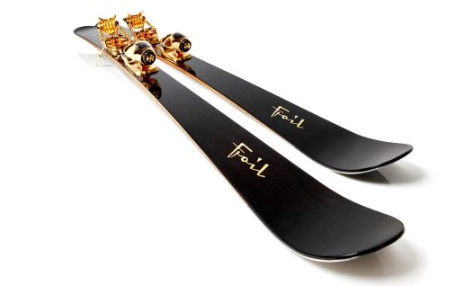
My personal strategy? I rarely buy the current year's hottest model. I find a ski from 1-3 years ago that got rave reviews from trusted sources (again, Blister, SkiMag, etc.), and then hunt for it on sale. You get proven performance without the hype tax.
Final Verdict: So, What's the Real Answer?
Is there a difference between cheap and expensive skis? Unequivocally, yes. The difference is in the materials under your feet, the precision in their construction, the confidence they provide when the snow gets tough, and the years of enjoyment they can deliver.
But the more critical question is: Does that difference matter to YOU?
For a new skier, the difference is irrelevant. For a weekend warrior sticking to groomers, the difference might be a nice-to-have luxury. For an expert charging all over the mountain, the difference is essential.
Don't buy a ski based on price alone. Buy the ski that matches your current ability, your skiing goals, and the terrain you love. Sometimes that's a sensibly priced intermediate model. Sometimes, if you're ready for it, investing in a higher-performance tool unlocks a new level of the sport. The key is being honest about which skier you are.
And remember, the best ski in the world won't fix bad technique. If you're unsure, put your money towards boots fitted by a master bootfitter and lessons from a certified instructor. Then, when you're ready, you'll know exactly what kind of difference you're looking for in a pair of skis.
Related Articles

Comments
Join the discussion