Quick Navigation
- Before You Even Touch Snow: The Pre-Game
- On the Snow: The Essential Moves
- The Gear Deep Dive: What You Actually Need
- Mountain Smarts: Safety and Etiquette
- Fighting the Fear (And the Fatigue)
- Newbie Pitfalls: What to Avoid at All Costs
- Answering the Questions You're Probably Asking
- Wrapping It Up: Your First Day Checklist
Let's be honest. Standing at the top of a snowy slope for the first time, those long planks strapped to your feet, can feel less like a vacation and more like signing up for a lesson in gravity. I remember my first run. More of a controlled fall, really. But here's the thing everyone who's been there knows: it gets better. Fast. And the key is starting right. So, what are some essential skiing tips for newbies that actually make a difference? We're not talking vague advice like "bend your knees." We're talking about the stuff that saves you money, prevents a world of hurt, and maybe even lets you have fun on day one.
This guide is the one I wish I had. It's cobbled together from my own wipeouts, conversations with instructors who've seen it all, and watching countless new skiers figure it out (the hard way and the easy way). We'll walk through everything, from what to put in your pocket to how to think when you're pointing downhill.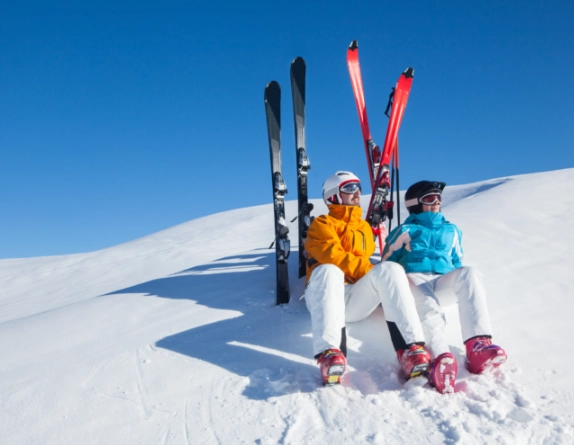
Before You Even Touch Snow: The Pre-Game
Most mistakes are made in the lodge or the rental shop, not on the hill. Getting this part right sets the tone for your entire day.
Gear: Rent, Don't Buy (Yet)
This is non-negotiable for your first few times. Ski technology changes, and you have no idea what type of ski you'll prefer. A good rental shop will set you up with the right gear. But you have to talk to them.
Don't just grunt and point. Tell them, "This is my first time skiing. I'm a complete beginner." This cues them to give you the shortest, softest, most forgiving skis they have (often called "beginner" or "recreational" skis). These are easier to turn. Boots are more important than skis. They should be snug—your heel shouldn't lift—but not painfully tight. Numb toes are a sign they're too tight. Speak up! It's your feet.
The Clothing Layer Cake
Forget the bulky cotton sweatshirt. Cotton is the enemy—it gets wet and stays wet. You want layers you can peel on and off as you heat up or cool down.
- Base Layer: This is your underwear. Go for synthetic (polyester) or wool (merino). It wicks sweat away from your skin.
- Mid Layer: Your insulation. A fleece or a thin puffy jacket works great.
- Outer Layer: Your waterproof and windproof shell. Ski jacket and pants. They don't need to be super expensive, but they must be waterproof (look for a rating like 10k or 15k).
Accessories matter. A neck gaiter (buff) is a game-changer for keeping wind off your face. Good gloves or mittens (mittens are often warmer for beginners). And goggles. Sunglasses on a sunny day are okay, but goggles protect from wind, snow, and they don't fog up as easily if you get the right ones.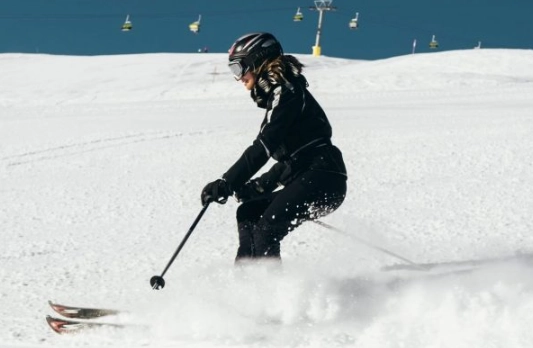
To Lesson or Not to Lesson?
Take the lesson. Just do it. I know it's tempting to have a friend "show you the ropes." But your friend is not a trained instructor. They likely forgot how they learned. A professional lesson from a certified instructor, like those certified by the Professional Ski Instructors of America (PSIA) or other national bodies, is the single fastest way to progress safely. They teach you a progression that works, from how to carry your skis to your first wedge turn. It's worth every penny and will save you hours of frustration and potential injury.
Think of it as an investment in fun.
On the Snow: The Essential Moves
Okay, you're geared up, you've had your lesson (right?), and you're staring at the beginner area, often called the "bunny slope" or magic carpet area. This is your playground.
The Holy Trinity: Stance, Gliding, and The All-Important Stop
Your stance is your foundation. Imagine you're in a relaxed athletic position: knees slightly bent, hips over your feet, hands forward and visible (not by your sides). Your weight should be on the balls of your feet, not your heels. If you lean back, you lose control.
Gliding on flat ground first. Just push yourself along with your poles. Feel how the skis slide. Then, practice the most important skill in skiing: the wedge stop (or pizza slice). Point your ski tips together, tails apart, forming a triangle. Push your heels out. This creates friction and slows you down. The harder you push your heels out, the faster you stop. This is your emergency brake. Practice it until it's muscle memory.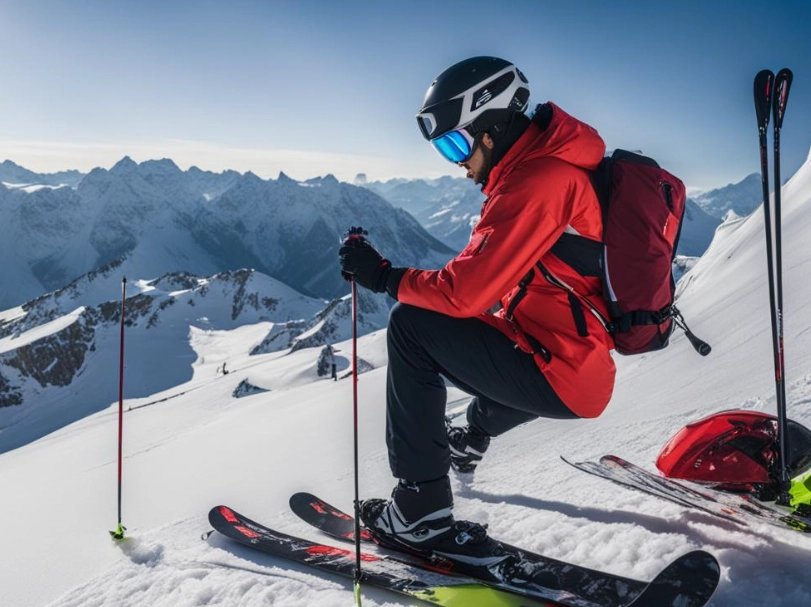
Turning: It's All in the Feet
Once you can stop on command, turning is next. A turn is really just a controlled way to change your direction and control speed. In the beginning, you'll do "wedge turns." You start in your wedge (pizza). To turn right, put a little more pressure on your left foot. Seriously, that's it. The left ski, now bearing more weight, will start to guide you to the right. Look where you want to go—your body tends to follow your eyes. To turn left, pressure the right foot.
It feels weird at first. You might feel like you're going to cross your skis. You won't if you keep the wedge shape. Start on the gentlest slope possible and just practice shifting your weight from one foot to the other. That weight shift is the secret sauce.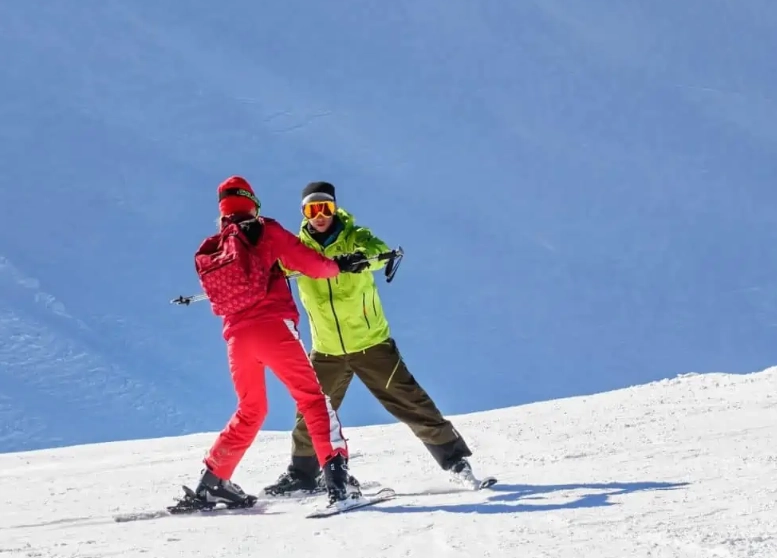
The Gear Deep Dive: What You Actually Need
Let's break down the essentials beyond clothing. This table might help visualize the priorities for your first trip.
| Item | Priority Level | Beginner-Friendly Advice | Rent vs. Buy |
|---|---|---|---|
| Ski Boots | CRITICAL | Comfort and fit are king. Snug heel, wiggle room for toes. Don't tolerate pain. | Rent (from a good shop) |
| Skis & Poles | High | Short, soft, parabolic (shaped) skis. Poles are for rhythm, not braking. | Definitely Rent |
| Helmet | NON-NEGOTIABLE | Must fit properly. Rent or buy. Modern helmets are warm and lightweight. No excuses. | Rent or Buy |
| Goggles | High | Protect from wind/snow. Get a lens for cloudy light (yellow/rose) if you only get one pair. | Buy (or rent if offered) |
| Ski Socks | High | One pair of thin, tall synthetic/wool socks. Never two pairs or cotton. | Buy |
| Hand Warmers | Medium/Low | A cheap luxury. Toss them in your gloves or boots on a brutally cold day. | Buy |
Notice helmet is in the non-negotiable category. It just is. Even on the bunny slope. Period.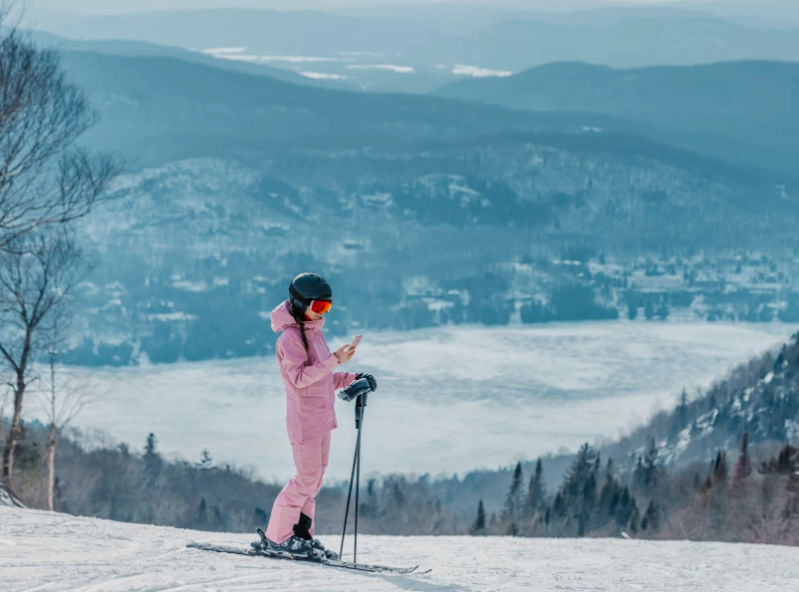
Mountain Smarts: Safety and Etiquette
Skiing has rules, and they're there for a reason. The National Ski Patrol promotes the "Your Responsibility Code." It's not just bureaucracy; it's how we all stay safe.
- The Skier Ahead of You Has the Right of Way. You are responsible for avoiding the people below you. It's like driving—you can't just rear-end someone because they stopped.
- Look uphill before merging onto a trail or starting again after a stop. Don't just dart out.
- Stop where you are visible from above, not right below a bump or in the middle of a narrow trail.
- If you're involved in or witness an accident, stay at the scene and alert ski patrol (usually by finding the nearest lift operator or calling the resort's emergency number).
Etiquette is just being considerate. Don't litter. Be patient in lift lines. If you're resting, step to the side of the run. Simple stuff that makes the mountain better for everyone.
Fighting the Fear (And the Fatigue)
Fear is normal. The mountain is big, and you feel vulnerable. Here's how to manage it.
First, breathe. Seriously. When you get tense, you hold your breath. Take deep, deliberate breaths. It calms your nervous system.
Second, look where you want to go, not at the trees you're afraid of hitting. Your skis follow your eyes. If you stare at an obstacle, you'll steer right into it. Pick a spot on the safe, open part of the run and focus on that.
Third, take breaks. Skiing uses muscles you didn't know you had. You get tired, your form suffers, and you get scared. When that happens, call it. Go in for a hot chocolate. There's no prize for skiing until you're miserable. Most first-timers are done after 2-3 hours. That's fine! Listen to your body.
Newbie Pitfalls: What to Avoid at All Costs
Let's be blunt about common errors. Avoiding these will put you ahead of 50% of first-timers.
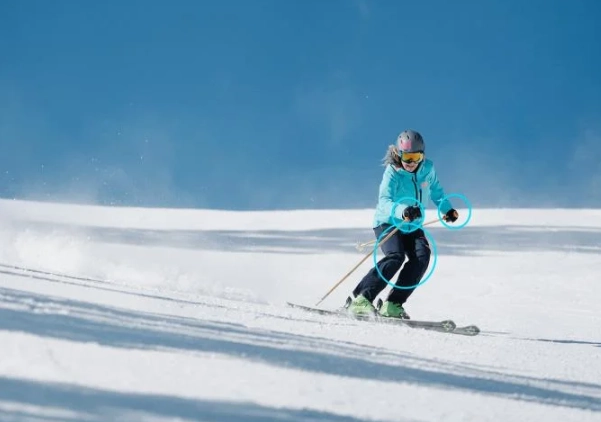
- Leaning Back: The "survival stance." When scared, humans lean away from the danger (down the hill). This puts your weight on your ski tails, making them hard to control. You feel like a passenger. Fight this instinct. Keep your shins pressed against the front of your boot liners.
- Looking Down at Your Skis: You can't see where you're going! Look 10-20 feet ahead, down the run. Your peripheral vision will handle the skis.
- Using Poles to Stop: It doesn't work. You'll just hurt your wrists or shoulders. Use your wedge.
- Skiing Terrain That's Too Difficult: Just because a friend says "this blue run is easy" doesn't mean it is for you. Stick to the green circles. Master them. Resorts like those listed on Ski.com have great trail maps—study them.
- Not Drinking Water: High altitude and cold air are dehydrating. Drink water all day, even if you don't feel thirsty.
Answering the Questions You're Probably Asking
Wrapping It Up: Your First Day Checklist
So, to circle back to the core question: what are some essential skiing tips for newbies? Let's make it a simple list you can check off.
- ✅ Mindset: Goal = Learn to Stop & Turn. Fun is the metric, not speed.
- ✅ Gear: Rent skis/boots/poles. Buy/Bring proper layers, socks, helmet, goggles.
- ✅ Instruction: Book a beginner group lesson for at least the first morning.
- ✅ On Snow: Master the wedge stop first. Then practice weight-shift turns. Look ahead.
- ✅ Safety: Helmet on. You yield to people below. Know the code.
- ✅ Comfort: Take breaks. Hydrate. Listen to your body (and your feet).
- ✅ Terrain: Stay on green runs. Ignore peer pressure to go higher.
That's it. The mountain isn't going anywhere. The goal of your first day is to come back wanting a second day. If you finish with a smile, a story about that one turn that actually worked, and only mildly sore legs, you've absolutely crushed it. You've joined the club. Now you know what are some essential skiing tips for newbies, and you're ready to put them into practice. See you out there.
Just remember: everyone on that mountain, even the guy flying past you, started exactly where you are now.
Related Articles



Comments
Join the discussion