Navigate This Guide
- Why Even Consider Older K2 Skis?
- How to Decode K2's Old Model Names & Tech
- Top Men's K2 Skis Older Models Worth Hunting For
- The Critical Inspection: What to Look For When Buying Used
- Where to Actually Find These Gems
- Common Questions & Concerns (The FAQ You Actually Need)
- Final Thoughts Before You Buy
Let's be real for a second. New skis are expensive. Like, "maybe I should have bought a used car instead" expensive. But here's the thing a lot of skiers are figuring out: some of the best gear ever made isn't sitting on the shiny shelves of the current season. It's out there in the used market, in online forums, and in the back of your buddy's garage. I'm talking specifically about men's K2 skis older models. These aren't just old planks of wood and plastic. For a lot of us, they represent a sweet spot of proven technology, legendary performance, and a price tag that doesn't make your wallet cry.
I've been down this road myself. A few seasons back, I was hunting for a versatile all-mountain ski that could handle our variable East Coast conditions without costing a fortune. I ended up with a pair of older K2 models, and it was one of the best gear decisions I've made. It got me thinking—there's a whole world of fantastic skis that most buying guides just ignore because they're not the latest and greatest. This guide is for anyone who's curious, skeptical, or ready to dive into the world of used K2 skis. We're going to cut through the marketing hype and talk about what really matters: finding a ski that works for you, your style, and your budget.
Why Even Consider Older K2 Skis?
Before we get into the nitty-gritty of specific models, let's address the elephant in the room. Is buying older ski gear a dumb idea? Not necessarily. In fact, for many skiers, it's a brilliant move. Think of ski design like car design. The major leaps in handling, safety, and efficiency happened years ago. Sure, a 2024 model might have a slightly nicer infotainment screen, but the 2018 model drives just as well for 80% less money. Ski tech is similar. The core innovations that define modern all-mountain skis—shapes, rocker profiles, construction materials—were largely solidified in the 2010s.
The Value Proposition: The primary reason to look at men's K2 skis older models is straightforward: value. You can often find a top-tier, performance-oriented ski from 5-8 years ago for a fraction of its original price. We're talking $200-$400 instead of $700-$900. That frees up cash for boots (which you should never cheap out on), a season pass, or just more days on the mountain.
Another point folks don't talk about enough is consistency. When you buy a model that's been out for a few years, you're not buying a mystery. The reviews are in. The long-term durability reports are out. The ski's personality—its strengths, its quirks, its ideal conditions—is a known quantity. You can find hundreds of forum posts and video reviews from real skiers who have put hundreds of days on that exact model. That's priceless information you just don't get with a brand-new, untested design.
And let's not forget about K2's reputation. They've been building skis in the Pacific Northwest for decades. They have a history of creating iconic, game-changing models. Many of these older K2 skis were the benchmarks of their time. The engineering and quality from that era are still more than capable of delivering an incredible on-snow experience today.
How to Decode K2's Old Model Names & Tech
This is where a lot of people get lost. K2, like most brands, changes its graphics and tweaks its lineups every year. But the model names often follow a pattern. Understanding this code is your first step to smart shopping.
For most of the 2010s, K2's men's all-mountain lineup was built around a few key series. The K2 Pinnacle series was their do-it-all, 50/50 ski (good on groomers, good off-piste). The K2 Marksman and later the K2 Mindbender series leaned more towards freeride and off-trail performance. Then you had more specialized lines like the K2 Pettitor for powder or the K2 Shreditor for park and playful all-mountain.
The year is usually part of the model name or listed on the ski. For example, a K2 Pinnacle 95 from 2016 might be labeled as such. The number (95) refers to the waist width in millimeters. A 95mm waist is a classic all-mountain width. Lower numbers (like 85) are more frontside/carving oriented. Higher numbers (105, 115) are for softer snow and more off-piste focus.
Key K2 Technologies to Look For
When you're scanning listings for men's K2 skis older models, you'll see some tech terms. Here's what they actually mean for your skiing:
- Konic Technology: This was a big one. It's a lightweight, responsive wood core that's tapered at the tip and tail. It makes the ski feel lively and easy to maneuver. You'll see this in a ton of their popular all-mountain skis from the mid-2010s.
- AllTradition / AllTrac Rocker: This is K2's signature rocker profile. It means the ski has rocker (early rise) in the tip and tail, but the camber underfoot is traditional, providing good edge grip on hard snow. It's a very versatile profile that works well for most skiers.
- Titanium Y-Beam / Carbon Y-Beam: This refers to the layer of metal or carbon in the ski's construction, shaped like a "Y." It's designed to add stability and damping (reduces chatter) without making the ski overly stiff or heavy. A ski with a Y-Beam will generally feel more solid at speed than one without.
My take? Don't get too hung up on the marketing jargon. A ski with "Konic" and "AllTradition" from 2015 is going to ski in a very modern, predictable way. The tech has held up.
Top Men's K2 Skis Older Models Worth Hunting For
Okay, let's get to the good stuff. Based on years of community feedback, consistent reviews, and my own experience, here are a few older K2 models that have achieved near-legendary status. These are the ones that still command respect and are absolutely worth your time if you find them in good condition.
The All-Mountain Legends
These are the workhorses. The skis you could take anywhere and trust to perform.
- K2 Pinnacle 95 (2015-2018): This might be the king of the value mountain. It was wildly popular for a reason. It's just incredibly balanced. The 95mm waist is the sweet spot for most conditions, it has enough metal (Titanium Y-Beam) to feel stable, but the Konic core keeps it from being a plank. It carves surprisingly well for a ski with rocker, and it's manageable in bumps and trees. If you see a clean pair of these men's K2 skis older models, especially from around 2017, you should seriously consider them for a one-ski quiver. The only gripe some experts had was that it could feel a bit vague in truly bulletproof ice, but on everything else, it's a star.
- K2 Marksman (2018-2020): This ski caused a stir when it came out. It has a more directional mount point and a shape that really wants to slash and surf. It's more off-piste focused than the Pinnacle. The tip is super wide and rockered, which makes it a blast in soft snow and crud. It's not as precise on the groomers as the Pinnacle, but it's more fun and surfy in open terrain. A great choice if your home mountain gets decent snow and you like to explore.
The Powder & Freeride Specialists
For the deep days and big lines.
- K2 Pettitor (circa 2014-2016): A proper, no-apologies powder ski. Wide (118mm+), heavily rockered, and designed to float. If you live out West or just want a dedicated tool for powder days, an older Pettitor is a fantastic, affordable way to get one. They're not subtle, and they'll feel like water skis on hardpack, but in their element, they're magic.
- K2 Annex (2017-2019): This was K2's charger. More metal, more damp, more stable at high speeds. It's for the aggressive skier who points it down big faces and wants a ski that won't flinch. It demands a strong, forward driver. Not a beginner's ski by any stretch, but if that's your style, it's a weapon you can now get for cheap.
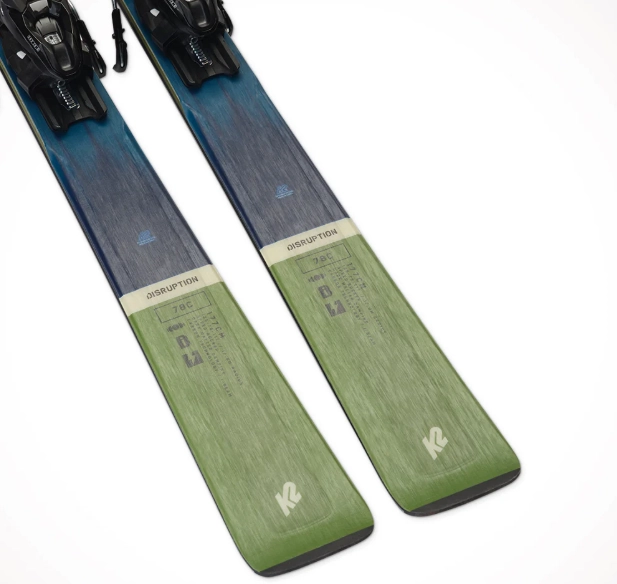
Here’s a quick comparison to help you visualize the differences between some of these top picks:
| Model (Example Year) | Best For | Waist Width | Key Character | Good For Skill Level |
|---|---|---|---|---|
| K2 Pinnacle 95 (2017) | Everything / One-Ski Quiver | 95mm | Balanced, Versatile, Forgiving | Intermediate to Advanced |
| K2 Marksman (2019) | Off-Piste / Soft Snow / Surfing | 106mm (varies) | Playful, Surfy, Directional | Intermediate to Expert |
| K2 Pettitor 118 (2015) | Deep Powder Days | 118mm | Floaty, Pivotal, Specialized | Advanced to Expert |
| K2 Annex 108 (2018) | Big Mountain Charging | 108mm | Stable, Damp, Demanding | Expert Only |
The Critical Inspection: What to Look For When Buying Used
This is the most important part of the whole process. Buying used gear requires a careful eye. You're not looking for perfection, but you need to avoid a money pit. Here's my step-by-step checklist, born from a couple of minor mistakes I made early on.
- The Base and Edges: Get clear, close-up photos of the entire base. Minor scratches are totally normal—they're "character." What you want to avoid are deep gouges that expose the core material (usually a black or white layer underneath the colorful P-Tex). A core shot needs a professional repair. Check the edges for rust (surface rust is okay, deep pitting is bad) and make sure they aren't delaminating (separating from the ski). Run your finger along the edge. It should feel sharp and continuous.
- The Topsheet and Sidewalls: Cosmetic topsheet chips are common and harmless. Look for any cracks that seem to go deep into the ski structure. Check where the sidewall meets the top sheet and base for any signs of separation. A small bit of glue can fix a minor separation, but a big one is a red flag.
- The Camber & Flex: Ask the seller to place the skis base-to-base and squeeze them together. You should still see a visible camber gap in the middle. If the skis are completely flat or even reverse-camber (banana-shaped) when pushed together, they are fatigued. This means the core has lost its pop, and the ski is dead. It won't have any energy or rebound. Avoid these at all costs.
- Bindings: This is huge. First, check the model. Are they still indemnified? Ski shops can only work on bindings that are on the manufacturer's current indemnification list (a safety list). You can check the most recent list from organizations like Snowsports Industries America (SIA) or ask any shop. Bindings older than about 10-15 years are often not indemnified, meaning no shop will touch them for adjustment. Second, even if they are indemnified, have they been mounted multiple times? Too many holes in the same area weakens the ski. Ideally, you want the bindings that came with the ski or a single previous mount.
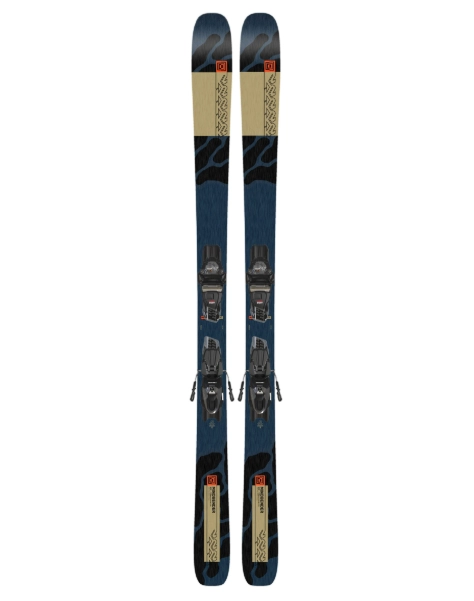
Pro Tip: Always, always budget for a binding adjustment and safety check at a certified ski shop before you ever ride used skis. It costs $20-$50 and is the best insurance policy you can buy. Tell them you bought the skis used and need a full inspection and DIN adjustment for your weight and skill level. The shop's ski techs are your best friends here.
Where to Actually Find These Gems
So you know what to look for. Now, where do you look?
- Facebook Marketplace & Local Groups: This is often the best spot. You can meet locally, inspect the skis in person, and avoid shipping. Search for "K2 skis," "K2 Pinnacle," etc. Join regional ski swap/sell groups.
- eBay: The granddaddy of online used gear. The key here is seller reputation. Look for sellers with high ratings and read the description carefully. Ask for more photos if you need them. eBay's buyer protection is decent.
- Specialized Gear Sites: Websites like Geartrade or the Newschoolers.com buy/sell forum are populated by enthusiasts who often take better care of their gear. Descriptions are usually more accurate.
- Local Ski Shops (End-of-Season): Don't forget brick-and-mortar! Many shops have used gear racks or host annual ski swaps, usually in the fall or late spring. You can inspect the goods right there and sometimes even get a quick opinion from a shop employee.
My personal favorite method? The local Facebook group. I found my current pair through a guy who was upgrading. We met in a parking lot, I did the camber test right there, checked the edges, and we made a deal. It felt more like a community exchange than a transaction.
Common Questions & Concerns (The FAQ You Actually Need)
"Aren't old skis dangerous?"
This is the big one. A ski itself doesn't really become "dangerous" with age if it's been stored properly (not in a damp basement). The risk is almost always in the bindings. Plastic ages, springs fatigue, and standards change. That's why the indemnification list and a professional shop check are non-negotiable. The ski plank is fine; its release mechanism needs to be verified.
"How old is too old?"
As a general rule of thumb, I'd focus on skis from the last 10-12 years (roughly 2012 onward). That's when rocker-camber profiles and modern shapes became the standard. Skis from the late 2000s and early 2010s can still be great, but you need to be more diligent about checking for fatigue. I'd be very cautious about anything from the straight-ski era (pre-2000), as they are a completely different—and often less forgiving—experience.
"What if the graphics are totally faded?"
Who cares? Seriously. A sun-faded top sheet tells you the skis were probably stored in a ski rack or garage, but it has zero impact on performance. Some of the best deals are on skis that look "ugly" but are structurally perfect. Embrace the patina.
"Will I be missing out on new technology?"
For the average to advanced recreational skier? Not really. The performance gap between a well-regarded 2016 ski and a 2024 ski is marginal for most people. The newer ski might be a bit lighter or have slightly better dampening, but the fundamental way it works—how it turns, floats, and grips—is nearly identical. You're getting 95% of the performance for 30% of the price. That's a trade-off worth making for most of us.
The goal isn't to have the newest gear. The goal is to have gear that gets you stoked to go skiing, without making you stressed about the cost.
Final Thoughts Before You Buy
Going the route of men's K2 skis older models is about being a smart, informed consumer. It's not for everyone. If you have the budget and want the absolute latest with a fresh warranty, buy new. There's nothing wrong with that.
But if you're willing to put in a little homework, ask questions, and inspect carefully, you can unlock a tier of performance that was once top-shelf. You're not settling. You're cherry-picking from an era of fantastic ski design. Start by figuring out what kind of skier you are (or want to be), use this guide to narrow down a few target models, and then start the hunt with a patient, discerning eye.
The mountain doesn't care what year your skis were made. It just cares that you're on them.
Oh, and one last piece of advice from someone who's been there: when you find a great pair, get them tuned up—a sharp edge and a fresh wax can make a 10-year-old ski feel born again. Now go find your next favorite pair of skis.