Quick Navigation
So you're thinking about picking up a pair of older K2 skis. Maybe you saw a killer deal on Facebook Marketplace, or your buddy is finally upgrading and offering you his trusty pair from a few seasons back. It's tempting, right? Ski tech changes every year, but does that mean a ski from 2015 is suddenly useless? Not even close.
Let's be real. New skis are expensive. A top-tier pair can easily set you back a grand, sometimes more. Meanwhile, the used market is flooded with skis that were top-of-the-line just five or eight years ago, going for a fraction of the price. The trick is knowing what you're looking at. That's what this deep dive is for. This isn't just another generic K2 skis older models review. We're going to get into the nitty-gritty of specific models, what to watch out for, and whether that "steal" is actually worth your cash.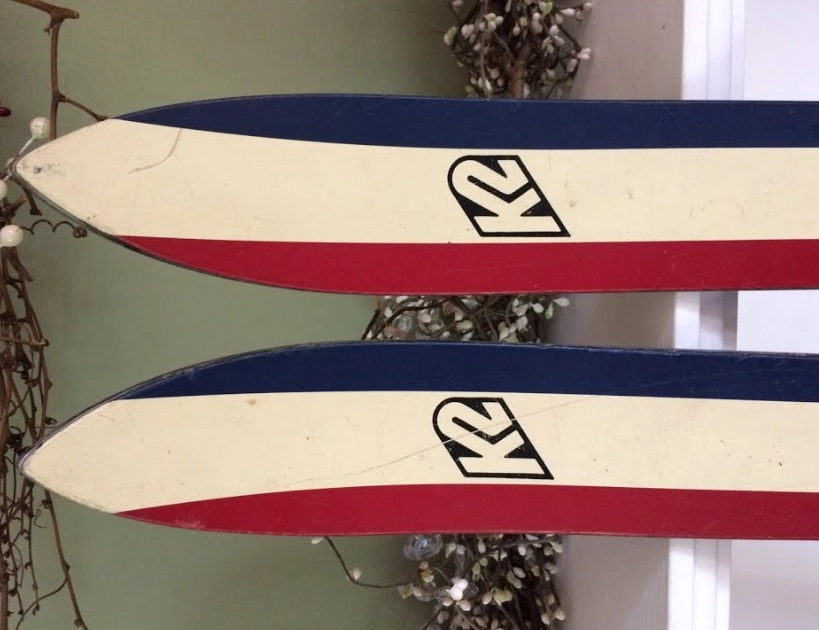
I've been there. I've bought the hype on a used pair only to find the edges were shot, and I've also stumbled upon absolute treasures that became my daily drivers for years. I'll share those stories too.
The best ski for you might not be the newest one. It's the one that matches your style and the snow you ski on.
Why even consider older K2 models? For one, K2 has a long history of innovation. They were pioneers in twin-tip design and have consistently pushed materials. An older K2 often has proven, time-tested technology that still performs incredibly well. Secondly, their construction from certain eras is known to be bomber. Some of those older skis are built like tanks and can take a beating that newer, lighter constructions might not.
But it's not all sunshine. You need to know the weak points, the model years that had issues, and how to inspect a used ski like a pro. Let's break it down.
Why Listen To This K2 Skis Older Models Review?
Fair question. Anyone can write a list. I've been skiing on K2s for over 15 years. I've owned models from the early 2000s Poachers to the latest Mindbenders. I've worked in ski shops, mounted hundreds of bindings, and seen what fails and what lasts. This comes from getting my hands dirty, not just reading spec sheets. So when I talk about the damp feel of an old Coomba or the playful pop of a vintage Afterbang, it's from memory.
We're going to look at this from a few angles. First, we'll identify some of K2's most iconic older models and what made them special (or not). Then, we'll get into the practical stuff—the actual guide for buying used. Finally, we'll answer the big questions everyone has.
K2's Legacy: Iconic Older Models Worth Your Attention
K2 has released dozens of models. Some were flashes in the pan, others defined entire categories. When you're doing a K2 skis older models review, these are the names that keep popping up in forums and still command respect.
The Powder Legends
If you ski deep snow, K2's history is rich.
The K2 Pontoon (Circa 2006-2012): This ski was weird. And brilliant. It had a massive, spoon-shaped tip and a pinched waist, looking more like a boat than a ski. In bottomless powder, it was pure magic—surfy, effortless, and incredibly fun. On anything else? A total handful. It was a one-trick pony, but my goodness, it did that trick perfectly. If you find a pair in good shape and have a powder-specific quiver spot, they're a cult classic for a reason.
The K2 Coomba / Hellbent (Circa 2008-2014): These are often grouped together. The Coomba was the directional charger, the Hellbent was its more playful, twin-tipped sibling. Both were wide (around 110mm+ underfoot), rockered, and built with K2's Phat Phaser construction. They were damp, stable, and could plow through anything. The later years of the Coomba, especially, are still sought after for their smooth, powerful feel in variable conditions. I found the early Hellbents a bit too soft in the tail for my liking, but park skiers who wanted a pow ski loved them.
The All-Mountain & Park Icons
This is where K2 really shined for a long time.
The K2 Seth Pistol (Vintage 2000s): Named for the legendary Seth Morrison, this was the prototypical big mountain freestyle ski of its era. It had a progressive shape for the time and was stiff enough to handle high speeds. A true classic. Finding a pair that isn't delaminated or core-shot to hell is a challenge, but a testament to how much people rode them hard.
The K2 Silencer / Afterbang / Public Enemy Era (Mid 2000s): This was K2's park dominator lineup. The Public Enemy was the jib ski, super soft and playful. The Afterbang was the pipe ski, stiffer and poppier. The Silencer sat in between. These skis are everywhere on the used market. They're fun, but be warned: they were designed for an era of lower park features. They might feel noodles compared to today's stiffer park skis. Great for beginners in the park or just messing around.
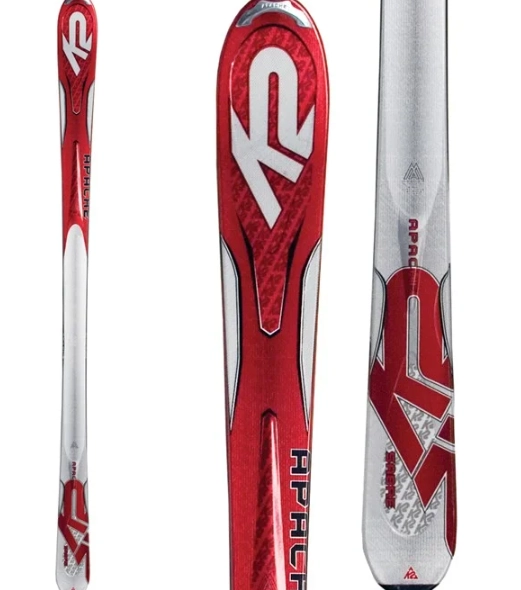
The K2 Apache Series (Recon, Charger, etc. - Pre-2010): This was K2's all-mountain backbone. The Apache Recon was a fantastic 80-something underfoot frontside cruiser. Damp, precise, and great on hard snow. If you're an East Coast skier looking for a used hard-snow specialist, a clean pair of Apache Recons is a fantastic find. They often have life left in them because they weren't typically abused in the park.
Let's put some of these legends into a table for a quick, scannable reference. This is the heart of a practical K2 skis older models review.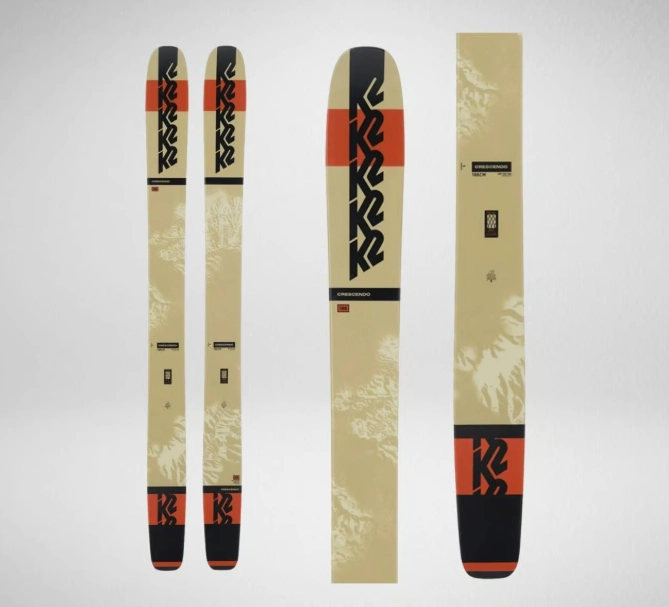
| Model Name (Era) | Best For | Underfoot Width (approx.) | Key Characteristic | Watch Out For |
|---|---|---|---|---|
| K2 Pontoon (2006-2012) | Deep Powder Only | 140mm+ | Massive spoon tip, surfy feel | Terrible on hard snow, rare to find mint |
| K2 Coomba (2008-2014) | All-Mountain Powder / Charging | 105-115mm | Damp, stable, powerful | Can feel heavy/burly for lighter skiers |
| K2 Hellbent (2008-2014) | Playful Powder / Freestyle | 109-119mm | Full twin tip, rockered, forgiving | Soft tail can hook in crud |
| K2 Seth Pistol (2000s) | Big Mountain Freestyle | 95-105mm | Progressive shape, stiffer flex | Age-related damage (delamination) |
| K2 Public Enemy (Mid 2000s) | Park & Jibbing | 85-90mm | Very soft, playful, durable topsheet | Too soft for high-speed carving |
| K2 Apache Recon (Pre-2010) | Frontside / Hard Snow Carving | 80-84mm | Precise, damp, great edge hold | May feel narrow/dated vs. modern all-mtn |
See, some of those older models have a very specific purpose. A Coomba from 2012 can still be a phenomenal ski for a powerful skier who likes to drive through chop. But would I recommend it to a beginner or a lightweight skier? Probably not.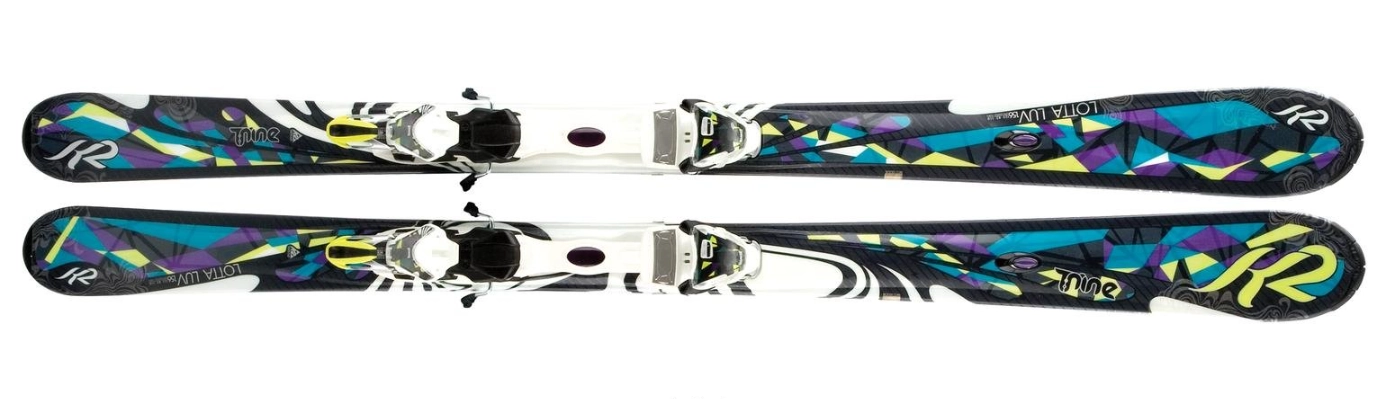
The Ultimate Guide to Buying Used K2 Skis: Don't Get Burned
Okay, so you've identified a potential model. Now comes the real work. This section is arguably more important than any specific model review. A great ski in bad condition is a bad buy.
I've made this mistake. I bought a pair of early K2 Obsetheds online based on pictures that conveniently didn't show the massive core shot right under the foot. Learned that lesson the hard, expensive way (base weld ain't cheap). So let's make sure you don't.
The Pre-Purchase Inspection Checklist
If Buying Online (eBay, Facebook, Craigslist):
- Photos, Photos, Photos: You need clear shots of: the full base, the full topsheet, the edges (close-up along the entire length), the sidewalls for cracks, and the binding area (especially the screw holes). Ask for them if they're not provided.
- Ask About Mounts: How many times have bindings been mounted? One mount is fine. Two is okay if they don't overlap. Three or more? Walk away. The core is likely compromised. Ask for a picture inside the mount holes if possible.
- Check the Binding Compatibility: Are bindings included? Are they indemnified? Ski shops won't work on bindings that are too old (not on the manufacturer's indemnification list). You can check the current list on the National Ski Areas Association (NSAA) website or directly with binding makers like Tyrolia or Marker. This is a huge, often overlooked cost—you might need new bindings.
It sounds tedious, but a seller who knows their stuff will have these answers. A seller who gets defensive is a seller to avoid.
If Inspecting In Person:
- Flex Them: Put the skis base-to-base and press the shovels together. Do they flex evenly? Any weird creaking sounds? That could mean delamination.
- Run Your Fingers Along the Edges: They should feel sharp and continuous. Look for sections where the edge is missing, pulled away from the sidewall (edge separation), or has huge, deep rust pits.
- Examine the Bases: Look for core shots—gouges so deep you can see the wood/foam core. A few superficial scratches are normal. Hold a straight edge (like a credit card) across the base. Is it concave (worn out in the middle) or convex? Major base structure issues mean expensive repairs.
- Check for Delamination: Look where the topsheet meets the sidewall. Is it peeling up? Tap along the ski with a coin. A solid, uniform sound is good. A dull, hollow thud can indicate the layers are separating.
- Look at the Camber: Put the skis on a flat floor, base down. There should still be some camber (gap under the middle). If it's totally flat or reverse-cambered (rockered) when unweighted, the ski is "cambered out" and has lost its pop.
Common Questions Answered (The FAQ)
See the pattern? Context is everything.
Final Thoughts: Is It Worth It?
Doing a K2 skis older models review forces you to think about value in a different way. Buying used ski gear is a fantastic way to save money and get higher performance than you could afford new. But it's not without risk. It requires research, patience, and a careful eye.
My advice? Set a budget that includes potential tuning costs or even a binding remount. Identify 2-3 models that fit your style. Then, hunt patiently. The right pair will pop up. When it does, use the checklist. Don't get emotionally attached to a listing before you've vetted it.
The market for used K2 skis is vast because they made so many great, popular skis. With the right knowledge, you can absolutely find a pair that makes you wonder why anyone pays retail. I still have a pair of 2014 K2 Shreditor 102s in my quiver for slushy spring days. They're beat up, but they make me smile every time. That's the goal, right?
So go forth, search wisely, and maybe you'll land your own hidden gem. Just maybe check those base photos one more time before you click "buy."
Related Articles



Comments
Join the discussion