Ask ten skiers where the best place to ski in Asia is, and you might get ten different answers. That's because "best" depends entirely on what you're after. Are you chasing the world's deepest powder? Planning a hassle-free family holiday? Looking for a unique cultural twist on your ski trip? Asia delivers on all fronts, but each region has a distinct personality. Forget the idea that Asian skiing is just a smaller version of the Alps or Rockies. It's a whole different ball game, with its own rhythms, rewards, and occasional frustrations.
Having skied across Hokkaido, the Japanese Alps, the Korean mountains, and even the fledgling resorts in China, I've learned that the choice isn't just about vertical drop. It's about snow quality, ease of travel, food, and that intangible vibe. Let's break it down.
Your Quick Guide to Asian Skiing
Japan: The Undisputed Powder King
Let's start with the big one. If your primary metric for the best ski resorts in Asia is snow quality and quantity, Japan wins. No contest. The combination of cold Siberian air picking up moisture over the Sea of Japan creates a perfect snow-making machine, dumping phenomenally light, dry powder on the mountains of Hokkaido and Honshu.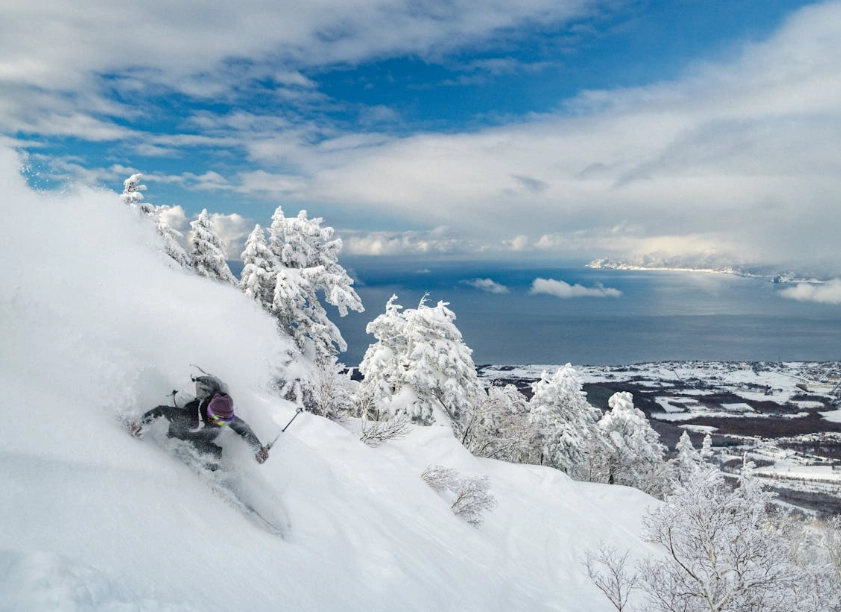
Hokkaido's Snow Paradise
Niseko United is the most famous name. It's actually four interconnected resorts (Grand Hirafu, Hanazono, Niseko Village, Annupuri). The draw? Consistent, insane snowfall (around 15 meters per season), a vibrant international apres-ski scene, and plenty of English services. But it's busy. And pricey. A one-day lift ticket runs about 8,000 JPY (approx. $50 USD). You fly into New Chitose Airport (CTS) and take a 2.5-3 hour bus or train.
My personal favorite for avoiding the Niseko crowds is Rusutsu Resort, about an hour away. The tree skiing here is legendary—wide, perfectly spaced birch glades that stay filled with untouched powder days after a storm. It feels more relaxed, more Japanese. The resort hotel is a quirky, massive complex with a carousel in the lobby. Weird, but charming.
A Quick Reality Check on Hokkaido
The snow is incredible, but Hokkaido has drawbacks. It's remote. Travel between resorts takes time and planning. The weather can be brutally cold and stormy, leading to frequent lift closures for wind (they call it "Niseko weather"). And during peak season, the best powder stashes get tracked out by 10 AM. Go mid-week if you can.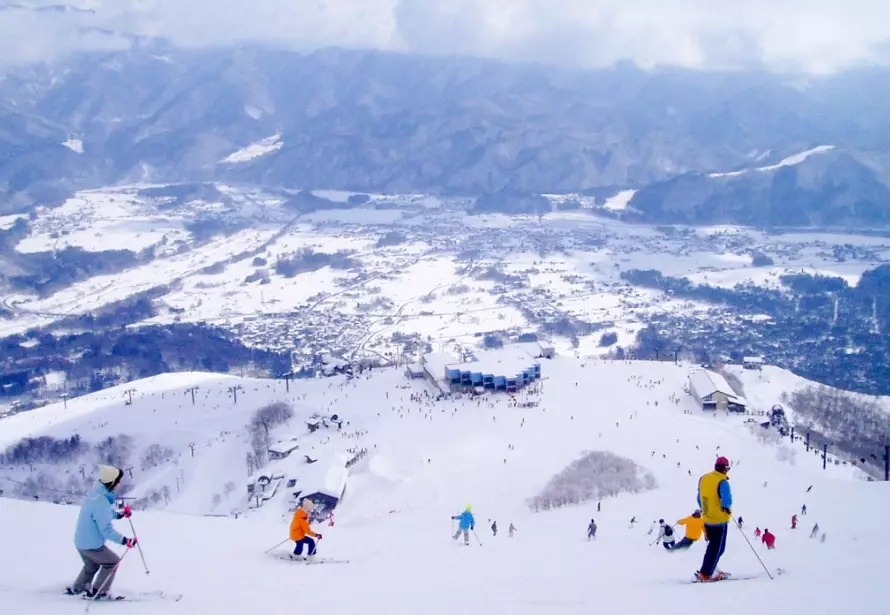
The Japanese Alps: Hakuba and Beyond
On the main island of Honshu, the Hakuba Valley is the hub. It's a collection of ten resorts, like Happo-One (host of the '98 Olympics) and Hakuba 47/Goryu. The terrain is more varied and challenging than Hokkaido—think steep couloirs and alpine bowls. The snowfall is still great, though not quite as relentless as the north.
Access is easier: fly into Tokyo (Narita or Haneda), take a bullet train to Nagano, then a local bus. The vibe is different too. You're in a traditional mountain valley town, not a purpose-built resort. The apres-ski is more about soaking in an onsen (hot spring) than pounding beers at a pub.
South Korea: Modern Convenience & Family Focus
If Japan is about the raw pursuit of powder, South Korea is about a polished, convenient, and family-friendly ski experience. The resorts are modern, efficient, and incredibly well-organized.
Yongpyong Resort is the largest, hosting Alpine events during the 2018 PyeongChang Olympics. It has 28 slopes, a fantastic ski school with many English-speaking instructors, and a gondola that accesses a wide, scenic bowl. It's about a 3-hour drive from Incheon International Airport (ICN). The Dragon Peak hotel is right at the base.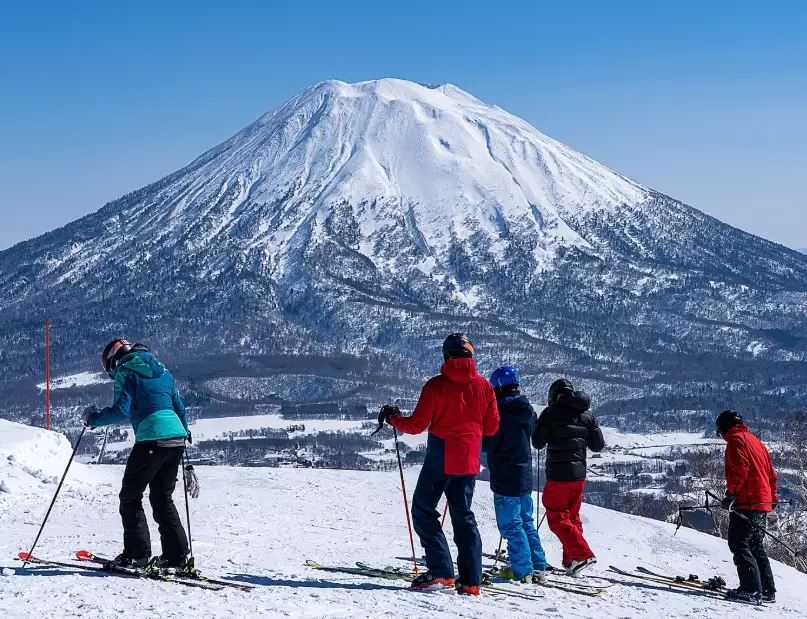
High1 Resort is another giant, known for its casino and variety of terrain. But here's a tip many miss: the real charm of Korean skiing is the culture. After skiing, you drive down the mountain to a nearby town like Gangneung, find a local "pojangmacha" (tent bar), and eat spicy tteokbokki and drink soju with off-duty ski instructors. It's a blast.
The downside? The snow is man-made for a good part of the early and late season. When natural snow falls, it's often heavier than Japanese powder. And on weekends, the main slopes at places like Yongpyong and Alpensia can feel as crowded as a Seoul subway.
China & Beyond: The Emerging Giant
China's ski industry is growing at a staggering pace, fueled by the 2022 Beijing Olympics. The most notable destination is Chongli, now part of the larger Zhangjiakou cluster, about a 1.5-hour high-speed train ride from Beijing.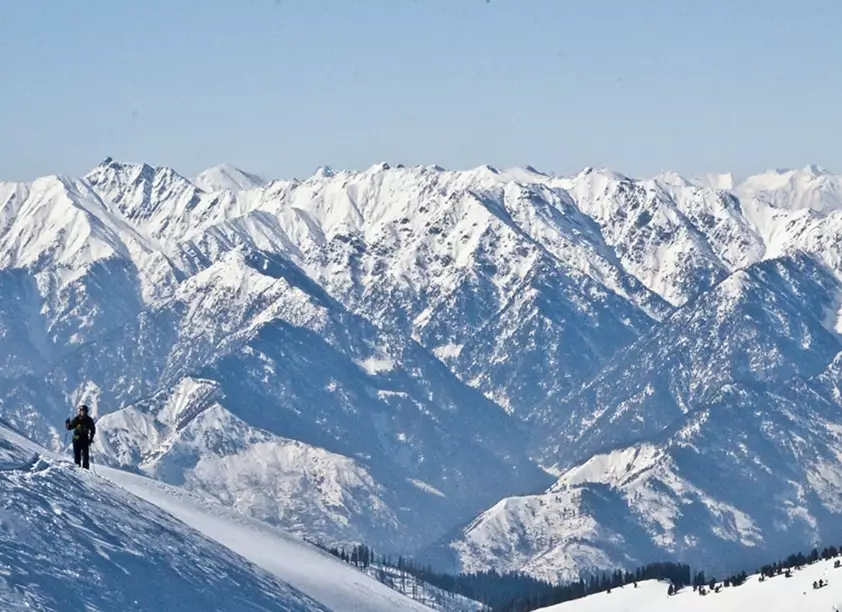
Resorts like Thaiwoo and Genting are massive, with state-of-the-art snowmaking and gondolas. The facilities are brand new. But—and this is a big but—the natural snow is unreliable. You're skiing on mostly machine-made snow. The culture is also entirely domestic-focused; English is rare, and the skiing style is different (expect more learners on the slopes). It's fascinating to see the development, but it's not yet a destination for purists seeking natural snow adventures.
For something truly off the beaten path, consider Shymbulak in Kazakhstan, near Almaty. The scenery is dramatic, the prices are low, and you get a unique Central Asian experience. Just don't expect Western-level infrastructure.
How to Choose Your Asian Ski Destination
It boils down to your priorities. This comparison might help.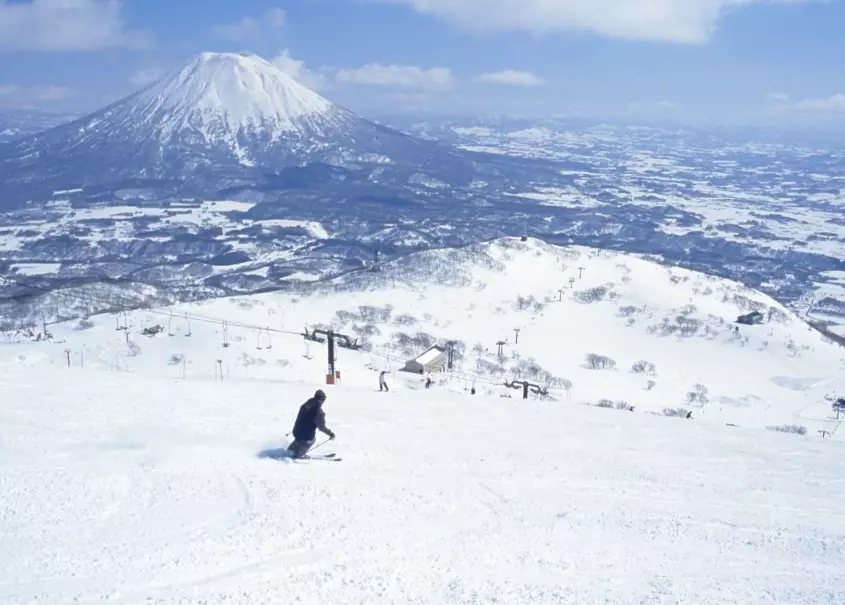
| Destination | Best For | Snow Quality | Ease for International Visitors | Vibe & Culture |
|---|---|---|---|---|
| Japan (Hokkaido) | Deep powder, tree skiing, serious skiers | Exceptional (Light, dry powder) | High (Lots of English signage/services) | International mix, lively apres, pricey |
| Japan (Hakuba) | Varied terrain, alpine scenery, onsen culture | Very Good | Medium-High | Traditional valley towns, relaxed |
| South Korea | Families, beginners, modern convenience | Good (Reliant on snowmaking) | High (Very organized, good English) | Modern, efficient, fun local nightlife |
| China (Chongli) | Seeing development, easy access from Beijing | Fair (Mostly man-made) | Low (Few English services) | Domestic, rapidly developing, new facilities |
A common mistake is underestimating travel time. A resort might be a 2-hour drive from the airport on a map, but winter weather and mountain roads can double that. Always pad your schedule.
Another tip: book lessons or a guide early, especially in Japan. The good ones fill up weeks in advance. A guide is worth every yen for finding hidden powder and navigating complex resort layouts.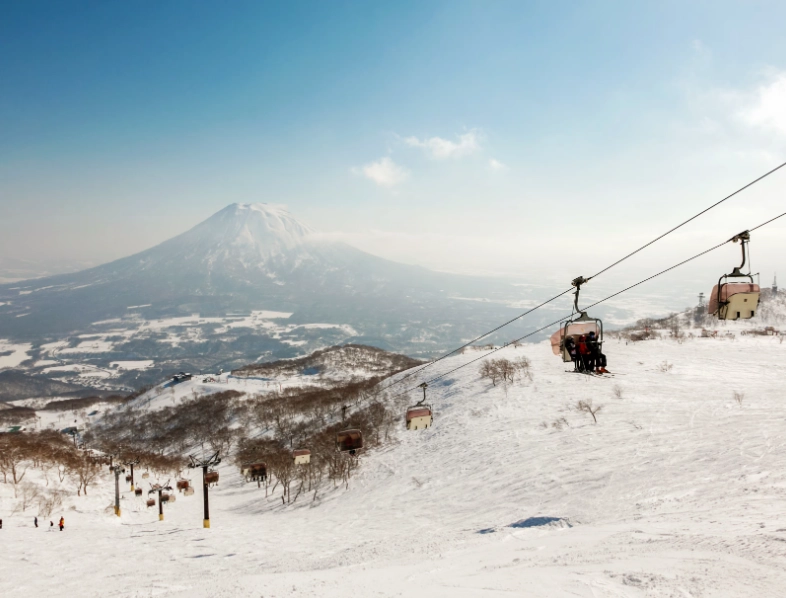
Your Ski Trip Questions, Answered
So, where is the best place to ski in Asia? For unparalleled snow, it's Japan. For a smooth, family-friendly vacation, it's South Korea. For a glimpse into the future of the sport, it's China. Your perfect slope is out there. Just know what you're signing up for, pack your sense of adventure, and maybe some extra hand warmers.