Organizing a ski trip for a mixed-ability group is one of the most rewarding—and challenging—things you can do. I’ve been the designated planner for my family and friends for over a decade, groups where my niece is on her first green run while my brother hunts for untouched powder. The magic happens when everyone, from the wobbly beginner to the seasoned expert, ends the day with a smile. The secret isn’t finding a mythical perfect run; it’s crafting a flexible, thoughtful itinerary that prioritizes shared experience over individual mileage. This guide cuts through the fluff and gives you the exact framework I use.
Your Quick Trip Navigator
How to Choose the Perfect Resort for All Levels
Picking the wrong resort is the number one mistake. You need a mountain that genuinely caters to every tier. Look beyond the marketing slogans. A "family-friendly" resort might just mean a small kids' zone, not a well-connected network of easy terrain.
My non-negotiable checklist:
- Terrain Split: Aim for a minimum 25% beginner (green), 50% intermediate (blue), and 25% advanced/expert (black diamond). Resorts like Whistler Blackcomb or Park City Mountain publish detailed trail maps with these percentages.
- Interconnected Base Areas: This is critical. Multiple villages or base areas connected by free, frequent shuttles or gondolas mean groups can split up and easily reunite for lunch or apres-ski without lengthy treks. Think Deer Valley or Aspen Snowmass.
- Top-Quality Ski School: Don’t just check if they have lessons. Look for specific "adaptive" or "mixed-group" clinic offerings. A great school will assess and group similar abilities, even within your party, for a better learning experience. The Professional Ski Instructors of America & American Association of Snowboard Instructors (PSIA-AASI) website is a good resource to understand instruction standards.
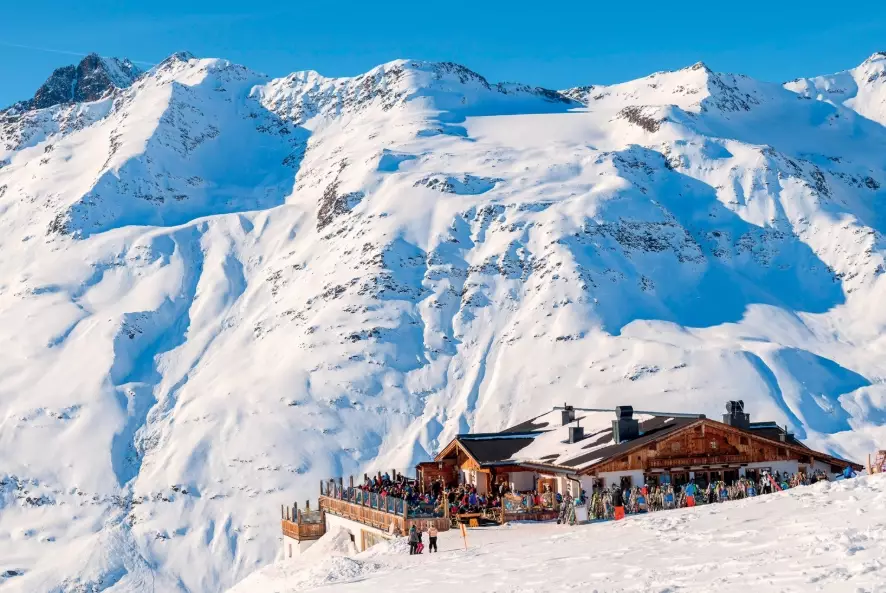
- Reliable On-Mountain Dining: Multiple mid-mountain lodges with ample seating prevent the dreaded 45-minute wait for a table with hungry, cold skiers.
Evaluating Lift Ticket and Rental Options
This is where budgets can blow up. Never buy lift tickets at the window. Always buy online in advance, often 7-14 days ahead, for the best price. For mixed groups, investigate multi-resort passes like the Epic Pass or Ikon Pass. Do the math: if your trip is 4+ days, a pass often beats daily tickets and offers flexibility if you want to visit a neighboring resort.
For rentals, book online ahead of time. But here’s a pro tip most miss: Use a shop in town, not at the mountain base. Shops like Blue River Sports in Breckenridge or Basin Sports in Park City are often cheaper, less chaotic, and let you fit boots the night before, saving precious morning time. Many offer free delivery to your lodging.
Pre-Trip Logistics: The Make-or-Break Details
The smoothness of your trip is decided before you ever click into your bindings.
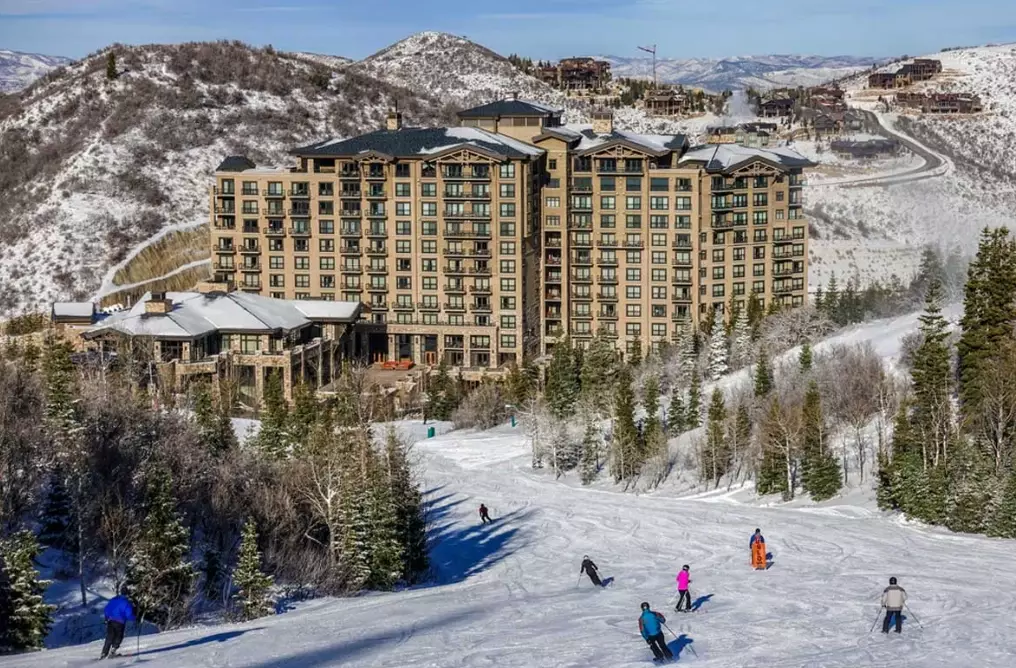
Accommodation: Location trumps luxury. A condo or hotel within a 5-minute walk of a shuttle stop or gondola is worth its weight in gold. It eliminates the parking nightmare and lets tired skiers head back early. Websites like Vrbo and Airbnb have good filters for "ski-in/ski-out" or "walk to lifts."
Gear Preparation: Beginners always underestimate the cold. Send a group email with a blunt packing list: thermal base layers, neck gaiter (not a scarf), good socks (merino wool), and waterproof gloves. For the love of all that is holy, rent helmets. Don’t let anyone argue.
Lesson Booking: Book group or private lessons the moment you book your trip, especially for peak periods (Christmas, Presidents' Week). A 2-hour private lesson on the first morning for your beginners is the best investment you’ll make. It builds confidence and basic skills faster than you ever could.
A 3-Day Sample Mixed-Ability Ski Itinerary
Here’s a realistic, flexible plan for a group with 2 beginners, 3 intermediates, and 1 expert. This assumes a resort with interconnected bases and good shuttle service.
| Time | Day 1: Foundation & Familiarity | Day 2: Exploration & Splitting Up | Day 3: Challenge & Celebration |
|---|---|---|---|
| 9:00 AM | Entire Group: Pick up pre-booked rentals in town. Grab coffee. | Beginners: Meet instructor for a 2-hour refresher clinic. Others: Head directly to an intermediate zone. |
Beginners/Intermediates: Attempt a longer, scenic green/blue trail together. Expert: Guided off-piste session (pre-booked). |
| 11:30 AM | Beginners: 2-hour private lesson on the magic carpet/bunny hill. Intermediates/Expert: Warm up on long, cruising blue runs. |
All: Meet at designated mid-mountain lodge (agreed upon at breakfast) for early lunch. | All: Meet for a special summit lunch at the mountain’s highest accessible restaurant. |
| 1:30 PM | All: Regroup. Beginners show off new skills on a super-easy green with the group. | Beginners: Practice new skills on easy greens with one intermediate buddy. Intermediates/Expert: Explore a different peak or bowl. |
All: Final afternoon of free skiing. Experts can guide intermediates on a harder blue. |
| 3:30 PM | Apres-ski at a slopeside deck. Beginners can bail whenever. | Return gear to rental shop. Relax at accommodation. | Celebratory group dinner in town (reservations made weeks ago). |
| Evening | Simple dinner at the condo. Discuss tomorrow's plan. | Games night in. Hot tub if available. | Share photos and highlights. No early plans. |
See the rhythm? Morning focus, shared lunch, flexible afternoon, relaxed evening. It’s a template, not a prison.
Group Communication and Dynamic Adjustments
You need a communication plan. Assume cell service on the mountain is spotty. Agree on a default meeting point and time (e.g., "Base of Peak 8 Gondola at 1 PM if we get separated"). Walkie-talkies for the group are a game-changer for families.
The expert’s role isn’t to ski the hardest stuff all day. It’s to be a patient guide and occasional photographer for the intermediates. The intermediates are the crucial bridge—they can ski with the expert in the morning and mentor the beginners in the afternoon.
Be ready to scrap the plan. If someone is tired, cold, or frustrated, the best itinerary change is calling it a day. Forcing it ruins the vibe. The hot tub and a hot chocolate back at the condo often become the best memory.
Expert Answers to Your Trickiest Questions
Related Articles


Comments
Join the discussion