When you think of a European ski holiday, Turkey probably isn't the first place that comes to mind. That's exactly why it's worth your attention. Forget the crowded slopes and eye-watering prices of the Alps. Skiing in Turkey offers a unique blend of reliable pistes, incredible value for money, and a cultural experience you simply won't find in Western Europe. I've been skiing here for over a decade, and I'm still surprised by what it has to offer. Let's cut through the generic travel blog fluff and get into what you really need to know.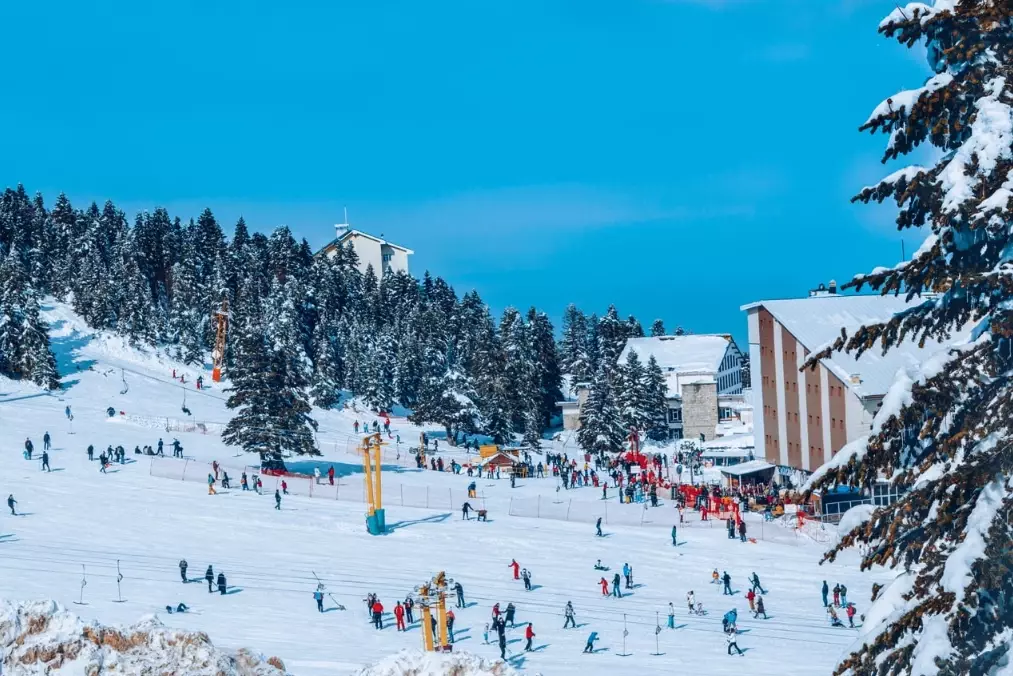
What's in This Guide?
Why Consider Skiing in Turkey?
Most people stumble upon Turkey skiing by accident—maybe a cheap flight to Istanbul and a desire for snow. They're often shocked. The mountains are substantial, the infrastructure is modern (thanks to major investments over the last 15 years), and the cost is a fraction of what you'd pay in France or Switzerland.
The snow? Let's be honest, the snowpack isn't as deep or as guaranteed as in the Alps. The season is shorter, typically from mid-December to late March. But here's the thing: when it's on, it's fantastic dry powder. The resorts are at high enough altitudes (up to 3,100 meters) to hold cold snow. The real magic happens off the slopes. You finish skiing at 4 PM, and by 7 PM you're in a cozy restaurant in a nearby city like Bursa or Erzurum, eating world-class kebabs and meze for under $20. It's this combination of sport and culture that defines the experience.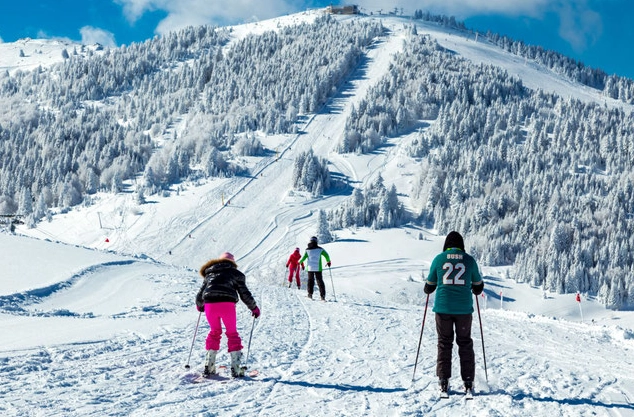
The Top Ski Resorts in Turkey: A Detailed Breakdown
Turkey has around a dozen ski areas. These three are the standouts for international visitors, each with a distinct personality.
| Resort | Location & Nearest City | Key Stats (Altitude, Slopes) | Season & Lift Pass | Best For |
|---|---|---|---|---|
| Uludağ | Bursa Province, 40km south of Bursa city. The closest major airport is Istanbul (IST/SAW), about a 3-hour drive including ferry. | Highest point: 2,543m. 28 km of pistes across 25 runs. Longest run: 3 km. | Mid-Dec to end of March. Daily lift pass: ~$35-$45. Check current prices on the Uludağ official website. | Families, beginners, and intermediates. Nightlife and hotel convenience. It's the most "resort-like" experience. |
| Palandöken | Erzurum Province, literally on the outskirts of Erzurum city. Fly into Erzurum Airport (ERZ), 15 minutes from the slopes. | Highest point: 3,125m. 42 km of pistes. Home to the challenging, FIS-approved "Ejder" run at 12 km. | Late Nov to early April. Daily lift pass: ~$25-$35. One of the best value passes in Europe. | Advanced and expert skiers seeking challenge. Longest season and most reliable snow in Turkey. |
| Erciyes | Kayseri Province, 25km from Kayseri city. Fly into Kayseri Airport (ASR), a 40-minute transfer. | Highest point: 3,100m. Over 100 km of pistes across multiple interconnected zones. Massive ongoing development. | Dec to April. Daily lift pass: ~$30-$40. | Everyone. It's the largest and most modern, with great terrain parks, long cruising blues, and off-piste potential. |
Uludağ: The Easy-Going Mountain
Uludağ is the weekend getaway for Istanbul's residents. The base area is a cluster of large, mostly dated hotels right on the slopes—super convenient if you hate carrying gear. The skiing is gentle and perfect for learning. The après-ski is lively in a Turkish way: packed tea houses, groups singing, and hotel entertainment. Don't expect a pristine alpine village; it's functional and social. A huge pro is the teleferik (cable car) that climbs directly from Bursa city to the ski area, a stunning 9km ride.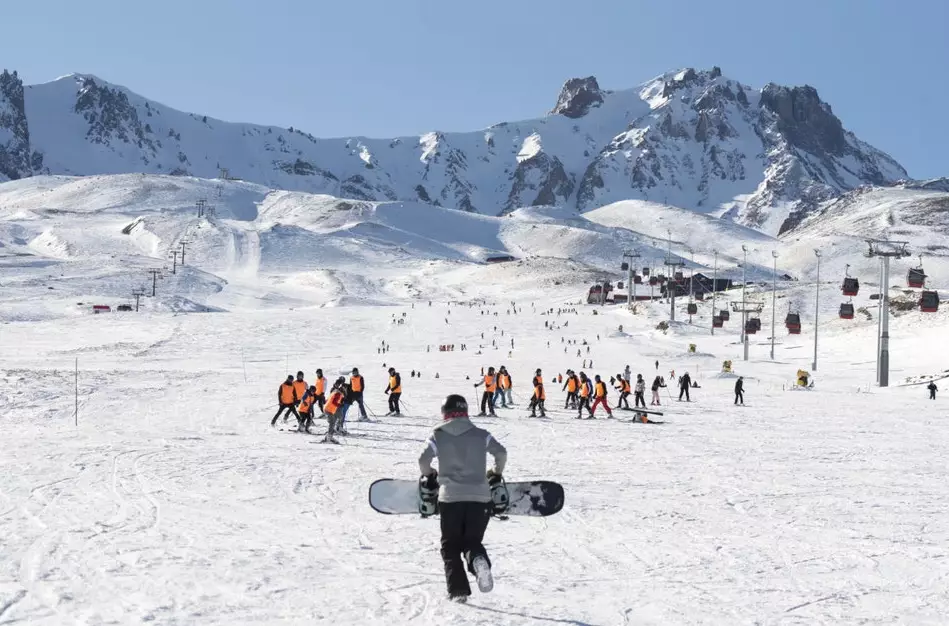
Palandöken: The Skier's Mountain
Palandöken feels serious. The mountain is steep, the air is thin, and the locals ski fast. You stay in Erzurum, a fascinating, conservative eastern city with a deep history and incredible local cuisine. The shuttle bus to the slopes takes 10 minutes. This is where the Turkish national team trains. The snow quality is consistently the best in the country due to its high, dry continental climate. It's not a place for flashy nightlife, but for pure, affordable skiing on challenging terrain, it's unbeatable.
Erciyes: The Future of Turkish Skiing
Erciyes is the government's flagship project. The investment is staggering—new gondolas, snowmaking that covers 95% of runs, and a master plan that rivals mid-sized Alpine resorts. The terrain is vast and varied. You can spend a week here and not get bored. The development is so new that it sometimes feels a bit sparse at the base, but the skiing infrastructure is top-notch. It represents the ambitious future of skiing in Turkey.
Planning Your Turkey Ski Trip: Logistics Made Simple
This is where most guides gloss over the tricky bits. Here's the actionable plan.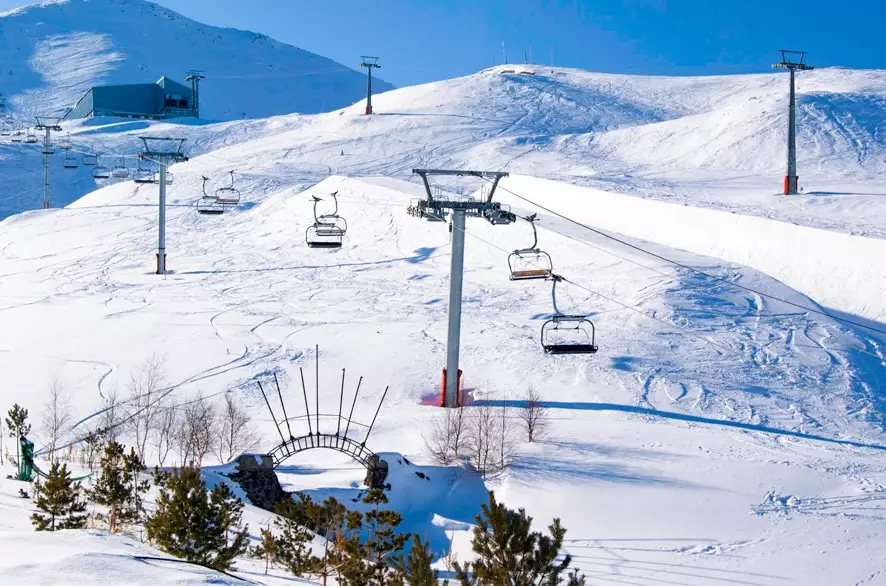
When to Go: For the best snow security, aim for late January through February. March offers longer days and softer snow, but lower runs can get slushy. Christmas and New Year are busy with local tourists.
Getting There & Around: Fly into Istanbul (IST) for Uludağ. For Palandöken or Erciyes, book a connecting flight to Erzurum (ERZ) or Kayseri (ASR). Turkish Airlines has frequent, reliable connections. Renting a car is highly recommended for Erciyes and Uludağ (outside the teleferik). For Palandöken, taxis and shuttles from Erzurum are sufficient. Public buses between cities are comfortable and cheap, but schedules to resort bases can be infrequent.
Where to Stay:
- Uludağ: Stay on the mountain for slope-side access. Hotels like Büyük Abant Otel or Monte Baia offer full board. Book months in advance for peak season.
- Palandöken: Stay in Erzurum. The Polat Erzurum Resort is a ski-in/ski-out option up the mountain, but staying downtown at places like Dedeman Erzurum is cheaper and puts you in the heart of the city.
- Erciyes: The new Radisson Blu Hotel at the base is the prime location. For more budget options, stay in Kayseri and drive up daily (25-30 mins).
Budget (Per Day, Excluding Flights): A comfortable mid-range budget is $80-$120 per person. Breakdown: Accommodation ($40-$70), Food & Drink ($20-$30), Lift Pass ($25-$45), Car Rental/Gas ($15-$25 split between two). It's easily 50-60% cheaper than the Alps.
The Real Pros and Cons of Turkish Skiing
Let's be brutally honest.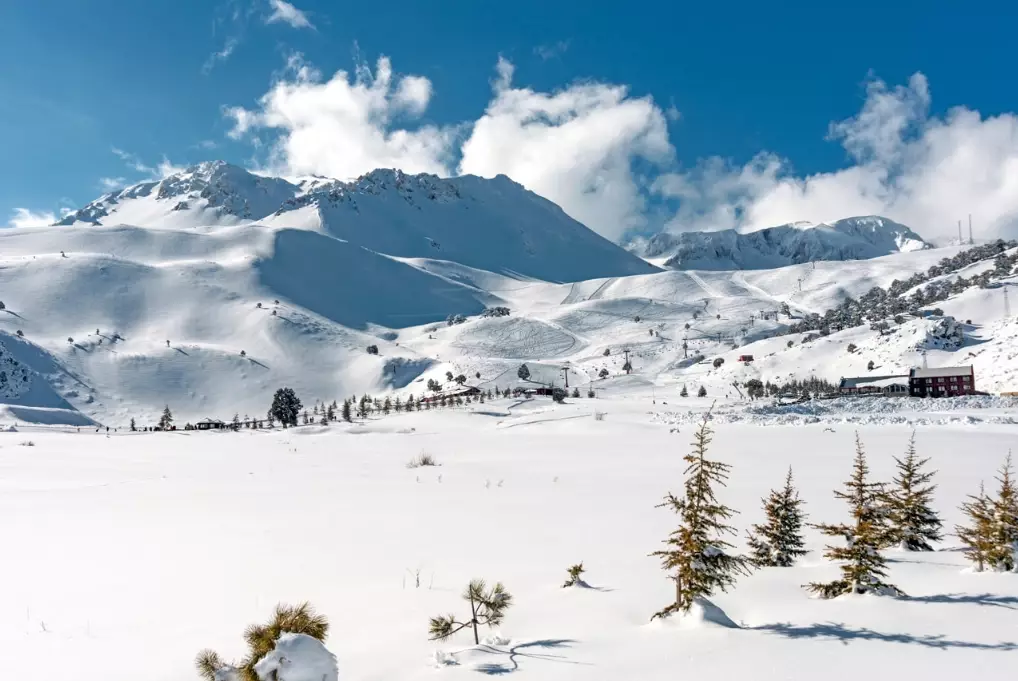
Pros: Value: It's the number one reason. Your money goes 2-3 times further.
Culture: An authentic Turkish experience is woven into the trip.
Uncrowded Slopes: Outside of national holidays, you'll have space.
Modern Lifts: The main resorts have high-speed chairs and gondolas from Doppelmayr and Leitner.
Food: Arguably the best ski trip cuisine in the world.
Cons: Snow Reliability: This is the biggest gamble. You can have perfect powder or icy, machine-made snow. Check snow reports from the Turkish Ski Federation before you book.
Short Season: A bad start to winter can mean late openings.
Limited Off-Piste/Backcountry Culture: It's not organized or widely guided. Avalanche safety infrastructure is minimal.
Language Barrier: Outside hotel staff, English is limited. Google Translate is your friend.
Après-Ski Vibe: Don't expect Austrian-style beer halls. The social scene is more hotel-centric or restaurant-based.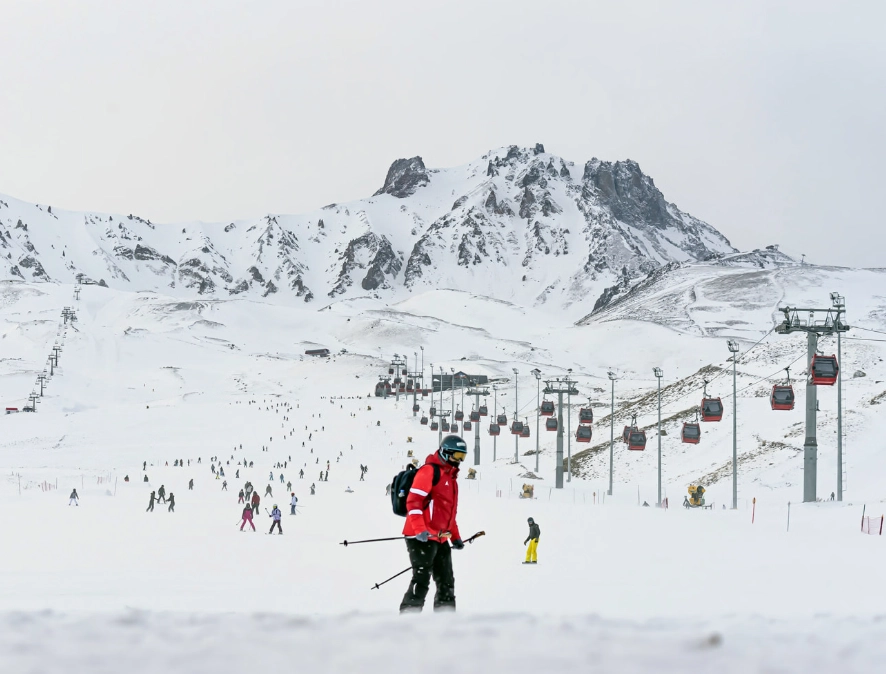
Your Turkey Skiing Questions, Answered
 How do I get from Istanbul to the ski resorts?
 Is skiing in Turkey good for families?
Related Articles
Comments
Join the discussion