Let's cut straight to the chase. You're researching Winter Park ski resort, and you keep seeing a number: 12,060 feet. That's the summit elevation. It's a big, impressive number, but what does it actually mean for your trip? Is it just a bragging right, or does it fundamentally change the experience? As someone who's skied here for over a decade and seen countless visitors make the same altitude-related mistakes, I can tell you it's the latter. Winter Park's high altitude isn't just a statistic; it's the silent architect of the snow under your skis, the air in your lungs, and the terrain you'll remember forever.
Most articles just list the base and summit elevations and move on. They miss the story. They don't tell you how that altitude creates the famous Colorado champagne powder, why some runs feel easier than others based on their precise elevation band, or how to avoid spending your first day in bed with a headache. Understanding Winter Park's elevation is the key to unlocking a better, smoother, and more enjoyable ski vacation. It's the difference between fighting the mountain and flowing with it.
Your Quick Guide to Winter Park's Elevation
Why Winter Park's Altitude Isn't Just a Number
Think of elevation as Winter Park's secret ingredient. Here’s what it really does.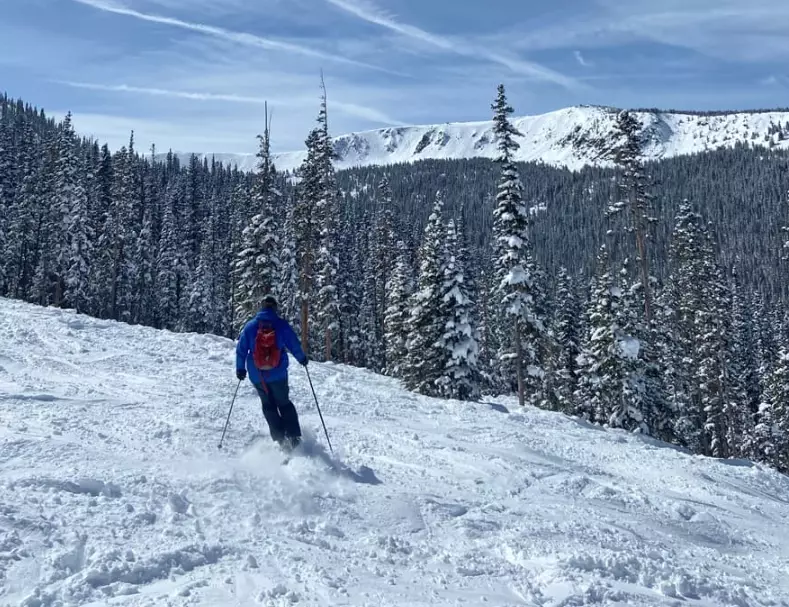
The Snow Quality Multiplier
Cold air holds less moisture. At Winter Park's high base elevation (around 9,100 feet) and summit, the air is consistently colder and drier. When snow falls through this dry air, it forms those tiny, perfect six-sided crystals with minimal liquid water content. That's the technical definition of the legendary light, dry Colorado powder.
It's not magic; it's physics. This low moisture content means the snow is less dense. It's fluffier. It billows around your knees instead of clumping. This is why powder days here feel different—and often better—than at lower-elevation resorts. The snowpack also tends to stay more stable and less prone to the freeze-thaw cycles that create icy conditions at lower altitudes.
Terrain Diversity & The Tree Line Factor
Altitude dictates ecology. In Colorado, the tree line—the elevation above which trees cannot grow—sits around 11,500 feet. Winter Park's summit pushes past this at 12,060 feet. This creates two distinct skiing worlds.
Below the tree line, you have the incredible glades of Winter Park and Mary Jane. Above it, on the Parsenn Bowl and the Cirque territory, you enter the alpine zone. Here, it's all open bowls, above-treeline skiing, and breathtaking 360-degree views. That stark, exposed, big-mountain feeling? You can only get that because of the high summit elevation. It adds a whole extra dimension of terrain that resorts topping out below 11,500 feet simply cannot offer.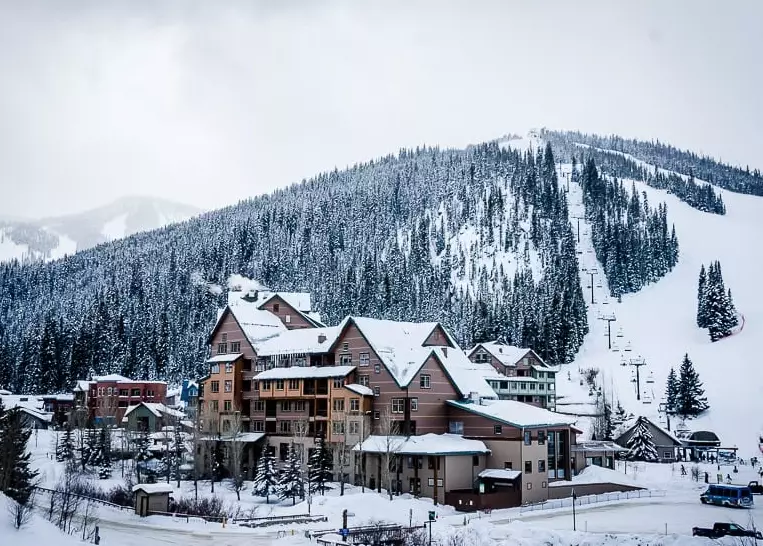
The Core Numbers You Need to Know
Winter Park Resort Base Elevation: 9,100 feet (2,774 meters). This is where you park, rent gear, and start your day. The Village is slightly lower at about 9,000 feet.
Winter Park Summit Elevation: 12,060 feet (3,676 meters) on the summit of Parsenn Bowl.
Vertical Drop: 3,060 feet (933 meters). That's the total skiable vertical from top to bottom.
Address for your GPS: 85 Parsenn Rd, Winter Park, CO 80482. The drive from Denver climbs over 4,000 feet in elevation.
The Terrain & Elevation Breakdown: From Base to Summit
Not all feet of vertical are created equal. The character of the mountain changes dramatically as you climb. Here’s what to expect in each elevation band.
| Elevation Zone | Key Areas & Lifts | Terrain Character & Experience | Pro Tip |
|---|---|---|---|
| 12,060' - 11,500' (Alpine Zone) | Parsenn Bowl (Panoramic Express), The Cirque (High Lonesome Express) | Open, above-treeline bowls. Expert terrain, high exposure, incredible views. Wind can be a factor. Snow stays cold and dry here longest. | Go here first on a powder day. The snow is pristine, but it gets tracked out and wind-affected faster. Watch for weather rolling in. |
| 11,500' - 10,500' (High Subalpine) | Mary Jane Territory, Eagle Wind, Vasquez Ridge | The heart of the resort. Dense, legendary glades (like the Mary Jane chutes), advanced bumps, and cruiser blues. Protected from wind by trees. | This is the altitude where most advanced skiers spend their day. The tree skiing is world-class. Air is noticeably thinner. |
| 10,500' - 9,100' (Lower Mountain) | Winter Park Territory, Discovery Park, Gemini Express | Perfect for beginners and intermediates. Wide, groomed cruisers, learning areas, and family zones. More sun exposure, so snow can soften quicker on warm afternoons. | If you're feeling the altitude, stick here. The air is slightly thicker, and the runs are less physically demanding. Great for afternoon laps when your legs are tired. |
A common mistake I see? Skiers take the Panoramic Express to the 12,060-foot summit right after arriving from sea level. They're gassed after one run down the bowl, their head is pounding, and their day is ruined. A better strategy is to start low and work your way up over the first day or two. Let your body acclimate on the blue cruisers off the Gemini Express before challenging the high-alpine bowls.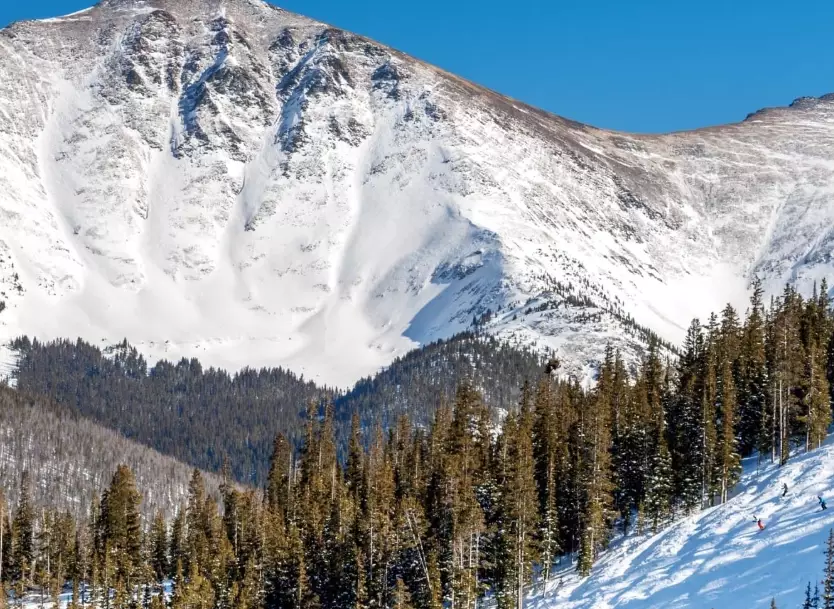
Your Practical Guide to Beating Altitude Sickness
Let's be real. At 9,000+ feet, altitude sickness (Acute Mountain Sickness or AMS) is a real possibility, especially if you're coming from near sea level. It's the single biggest trip-wrecker that visitors underestimate. The official advice is often vague. Here’s what actually works, based on hard-earned experience.
Hydration is your #1 job. Not just water. You need electrolytes. The dry air causes rapid moisture loss through respiration, and you lose salts when you sweat. Drinking only plain water can dilute your electrolytes, making things worse. I always pack electrolyte tablets (like Nuun or Liquid IV) and mix one into my water bottle every other refill. Start this on the flight or drive in.
Ease into alcohol. That celebratory first beer at 9,100 feet will hit you twice as hard. Alcohol dehydrates you and depresses respiration, which is the opposite of what you need. My rule? No alcohol on the first day. On day two, limit it to one drink with a big dinner.
Listen to your body, not your ego. Headache, fatigue, nausea, dizziness, and trouble sleeping are classic signs. If you feel them, the best medicine is to descend in elevation. Go back to your lodging, take a nap, and drink an electrolyte solution. Pushing through it will only make it last longer. Many condos in Winter Park are at or above 9,000 feet, so sometimes just going into the town of Fraser (at 8,550 feet) for a few hours can help.
Some people swear by prescription medication like Acetazolamide (Diamox). It's worth a conversation with your doctor before the trip if you have a history of AMS. Over-the-counter pain relievers can help with the headache, but they don't treat the root cause.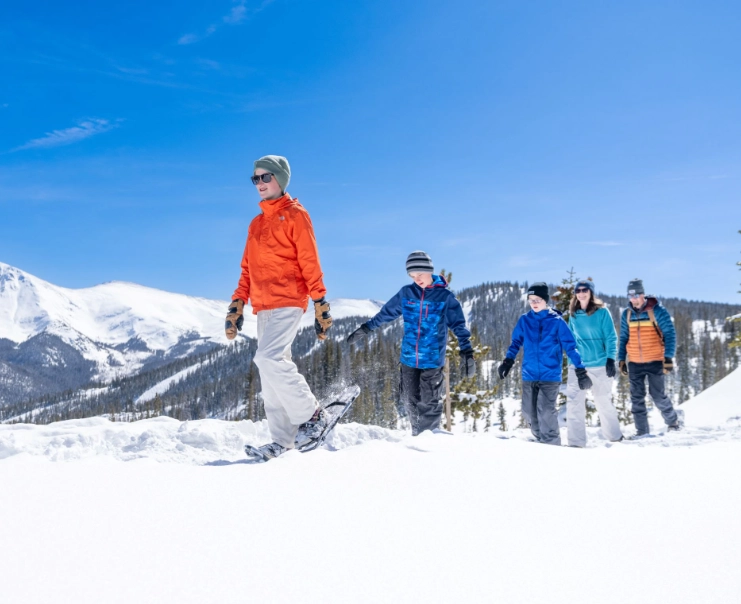
Planning Your High-Altitude Trip: A 3-Day Sample Itinerary
Here’s how to structure your days to maximize fun and minimize altitude woes. This assumes you're staying in Winter Park or Fraser.
Day 1: Acclimation & Exploration (Focus: Lower Elevation)
Morning: Rent gear in the base village. Don't rush. Grab a big breakfast and hydrate.
Ski: Stick to the Winter Park side. Take the Gemini Express and explore the greens and blues off Pioneer Express. Get your ski legs back.
Afternoon: If feeling good, venture over to the base of Mary Jane via the Galloping Goose lift. Try a blue run like Sleeper. Finish by 3 PM.
Evening: Light early dinner. Walk around the village, but skip the hot tub and heavy drinking. Go to bed early.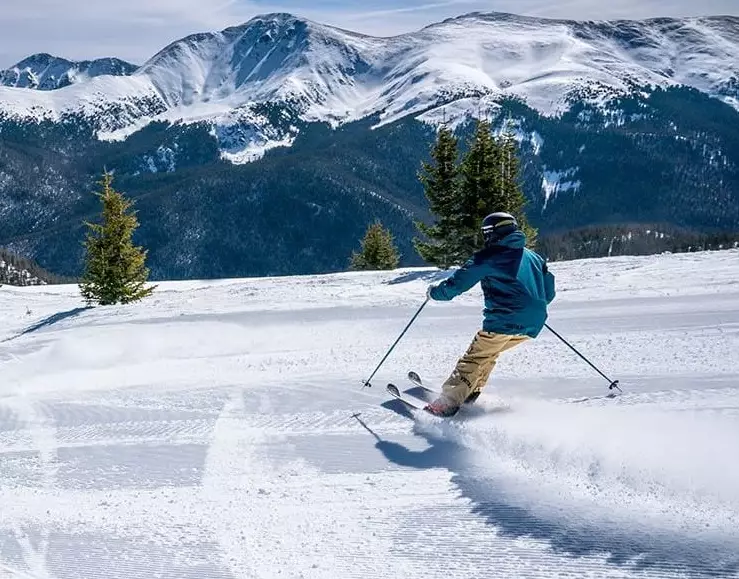
Day 2: Dive into the Heart (Focus: Mid-Mountain)
Morning: You should feel better. Head straight to the Super Gauge Express at Mary Jane.
Ski: Tackle the famous Mary Jane bump runs (if that's your thing) or explore the fantastic glades off the Olympic Express. This is your core skiing day.
Lunch: Pack a snack or eat at a mid-mountain lodge like The Lookout.
Afternoon: Explore Vasquez Ridge via the Arrow lift for some quieter, rolling terrain with amazing views.
Day 3: Summit Mission (Focus: High Alpine)
Morning: Check the weather and avalanche report. If it's clear, take the Panoramic Express to the 12,060-foot summit.
Ski: Drop into Parsenn Bowl. Choose your line based on ability. Enjoy the vast, open views.
Afternoon: Lap the High Lonesome Express to access The Cirque territory for more challenging above-treeline shots. Savor it—you've earned it.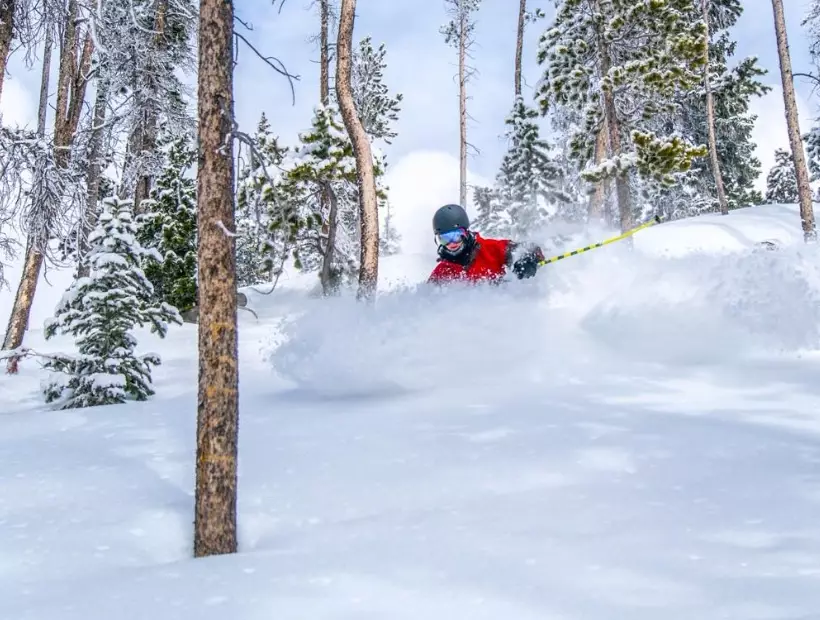
Expert FAQ: Your High-Altitude Questions Answered
Winter Park's elevation is its defining feature. It's what gives you those epic powder days, that breathtaking above-treeline scenery, and yes, the potential for a rough first day if you're not prepared. Respect it, plan for it, and you'll unlock one of the most authentic and varied high-alpine ski experiences in Colorado. Don't just look at the number 12,060—understand it. Your trip will be infinitely better for it.
Related Articles
Comments
Join the discussion